
6797015
Description

Flashcards by Sarah Emslie, updated more than 1 year ago

|
Created by Sarah Emslie
about 9 years ago
|
|
| Question | Answer |
| Strongest organic molecule | Sporopollenin |
| Cycadophyta | Cycads, grow to ~15m, small palm like trees, tropical, slow growing, large cone on top, male and female separate trees, flagellated sperm |
| Gnetophyta | Welwitschia, uses deep roots to find water, flat top produces two leaves, can live 100 years, meristem is at base of plant so damage doesn't injure it, male/female separate plants, schlereids protect leaves from wind damage, contain calcium oxalate crystals, ephedra used as a food additive but was banned by FDA for containing ephedrin |
| Ginkgophyta | Ginkgos, male/female separate, Gingolytes good for memory (prevent protein aggregation and neutrophil infiltration), leaves arranged in spiral, no mid vein in leaves, flagellate sperm |
| Coniferophyta | Largest, mostly trees and evergreens, separate male and female cones on trees, pollen cones have microsporangia which become pollen, female cones have megasporangia which develop into ovules |
| Sequoia | Needles live 3-7 years, ocean keeps air ~temp same all year which allows massive growth, fire resistant, roots can remain alive and regrow from dormant buds at root/trunk junction (vegetative propagation), can also grow roots off of trunk during floods |
| Bristlecone Pine | Can live ~4,000 years |
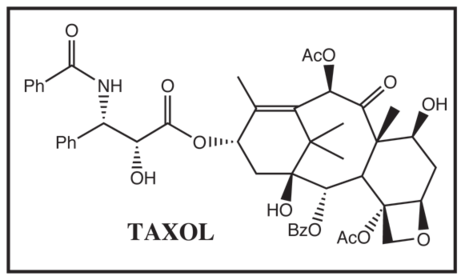
| Pacific Yew | Taxol |
| Taxol | |
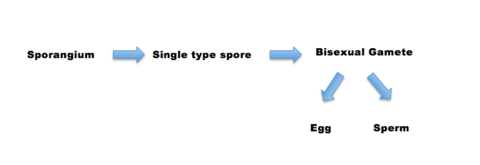
| Homosporous | |
| Heterosporous | Megasporangium -> Megaspore -> Female Gametophyte -> Egg Microsporangium -> Microspore -> Male Gametophyte -> Sperm |
| Anthophyta | Flowering plants, most diverse group of plants |
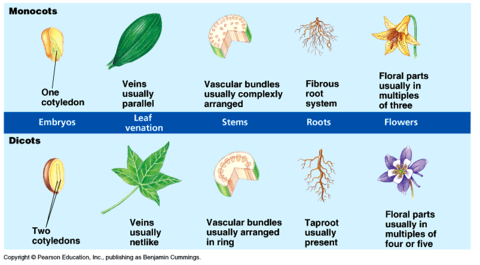
| Monocots vs dicots | |
| Amount of pollen produced? | Less than gymnosperms because pollination is not random |
| Microphyll | One vein/branch |
| Megaphyll | Multiple veins/branch |
| Mature ovule consists of | 1. Embryo: zygote develops into this with a rudimentary root and one or two cotyledons 2. Endosperm: derived from triploid nucleus which forms starch/food reserves 3. Seed coat: derives from integument |
| Monocot vs dicot usage of endosperm | Monocot stores most food in endosperm, dicot restocks nutrients into developing cotyledons |
| Evolution | Appear fairly suddenly in fossil record, two theories: 1. Artifact of imperfect fossil record 2. Punctuated equilibrium |
| Pollinators and Angiosperms | Coevolved together to ensure that pollen goes to same type of flower, some flowers are super specific, can only be pollinated by one species |
Want to create your own Flashcards for free with GoConqr? Learn more.