
Flowchart
Untitled
Flowchart content
Aching Hands
History
Physical examination: examining structures of the hand
Anatomy of the Hand
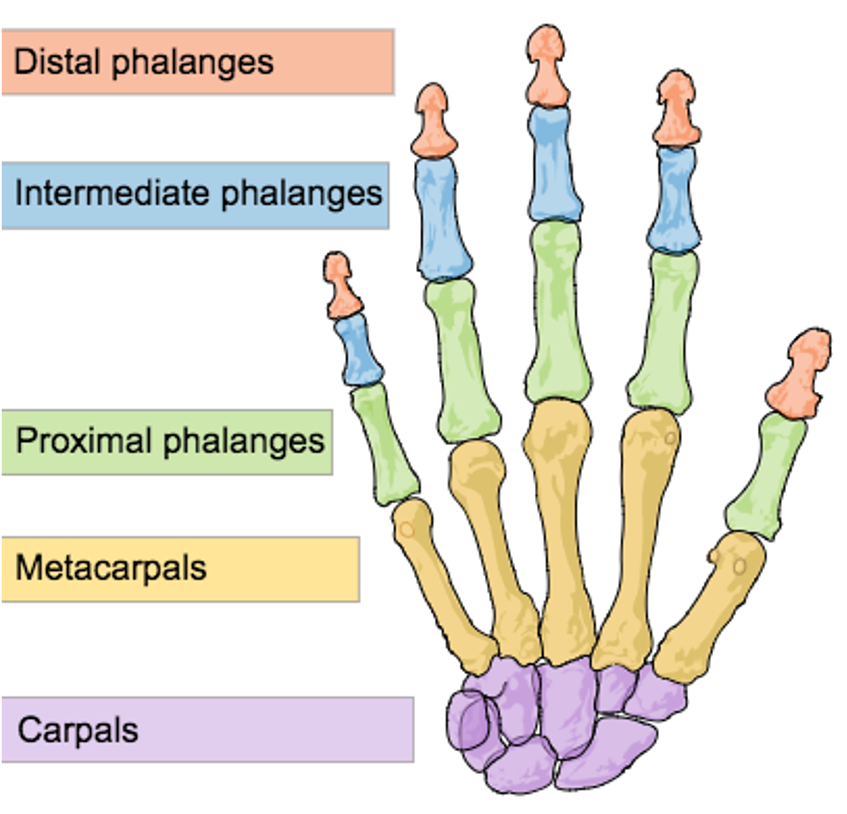
Bones
Joints
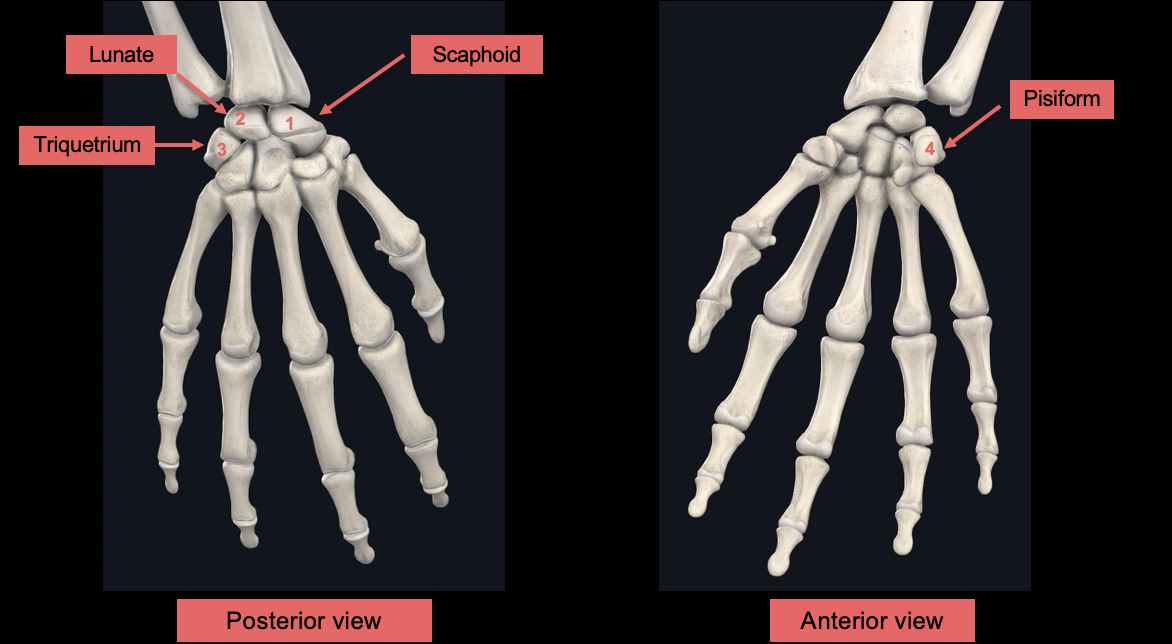
Carpal bones
Proximal row:
- Scaphoid
- Lunate
- Triquetrium
- Pisiform
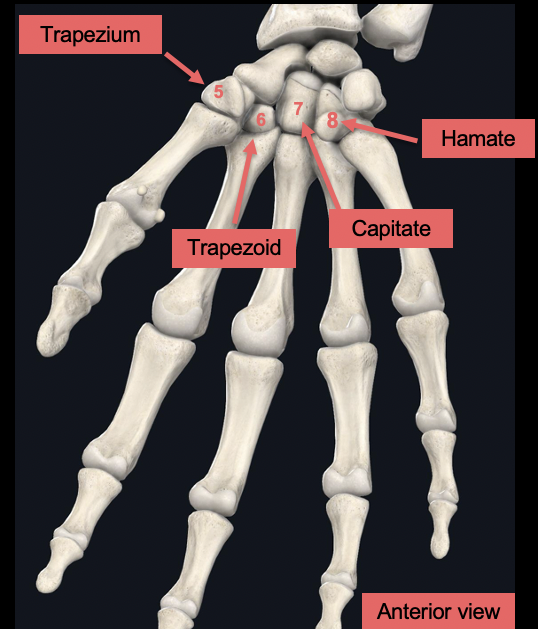
Distal row:
- Trapezium
- Trapezoid
- Capitate
- Hamate
Wrist joint:
between distal surface of radius and scaphoid and lunate. Type: synovial ellipsoid
Mid-carpal joint: lies between proximal and distal rows of carpal bones. Type: synovial plane
Carpometacarpal joint: lies between distal row of carpal bones and proximal end of metacarpal bones. Type: synovial plane, except the one between trapezium and metacarpal bone of the thumb (synovial saddle)
Metacarpophalangeal joint: lies between metacarpals and proximal phalanges. Type: synovial ellipsoid
Ligaments
- Anterior radiocarpal ligaments
- Posterior radiocarpal ligaments
- Radial collateral ligament
- Ulnar collateral ligament
- Intercarpal ligament
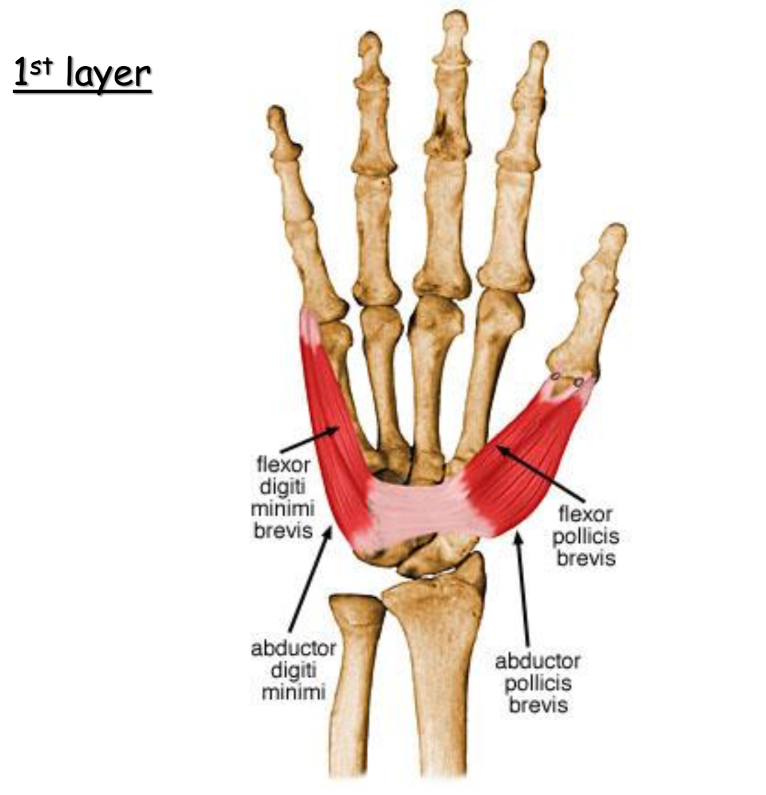
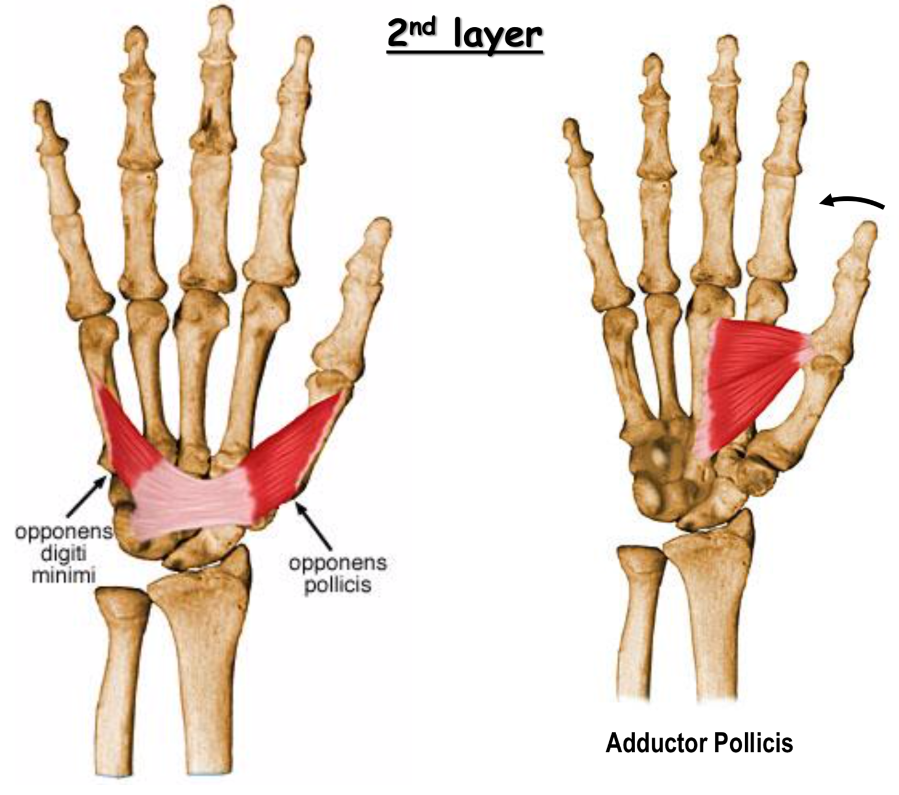
Muscles
1st layer:
2nd layer:
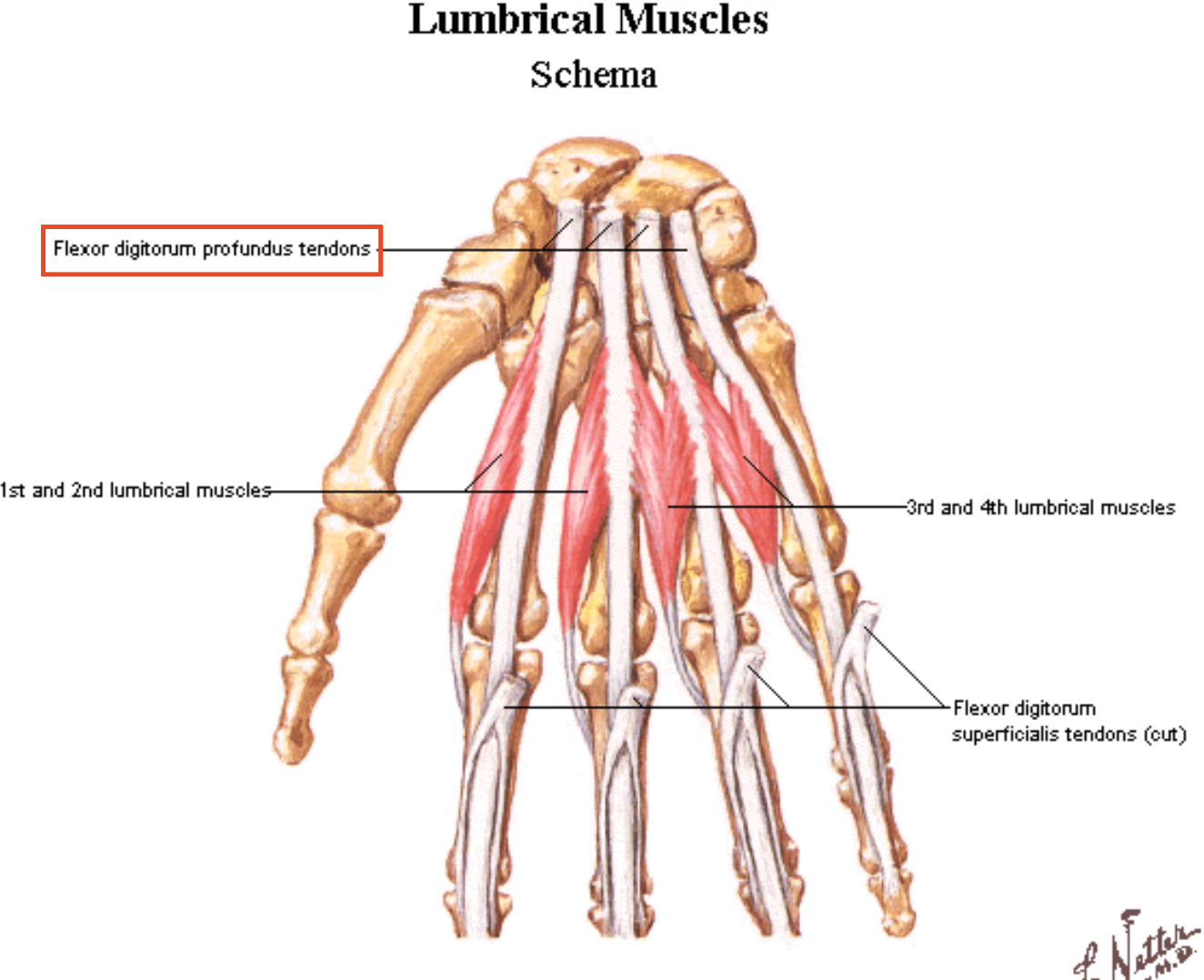
3rd layer:
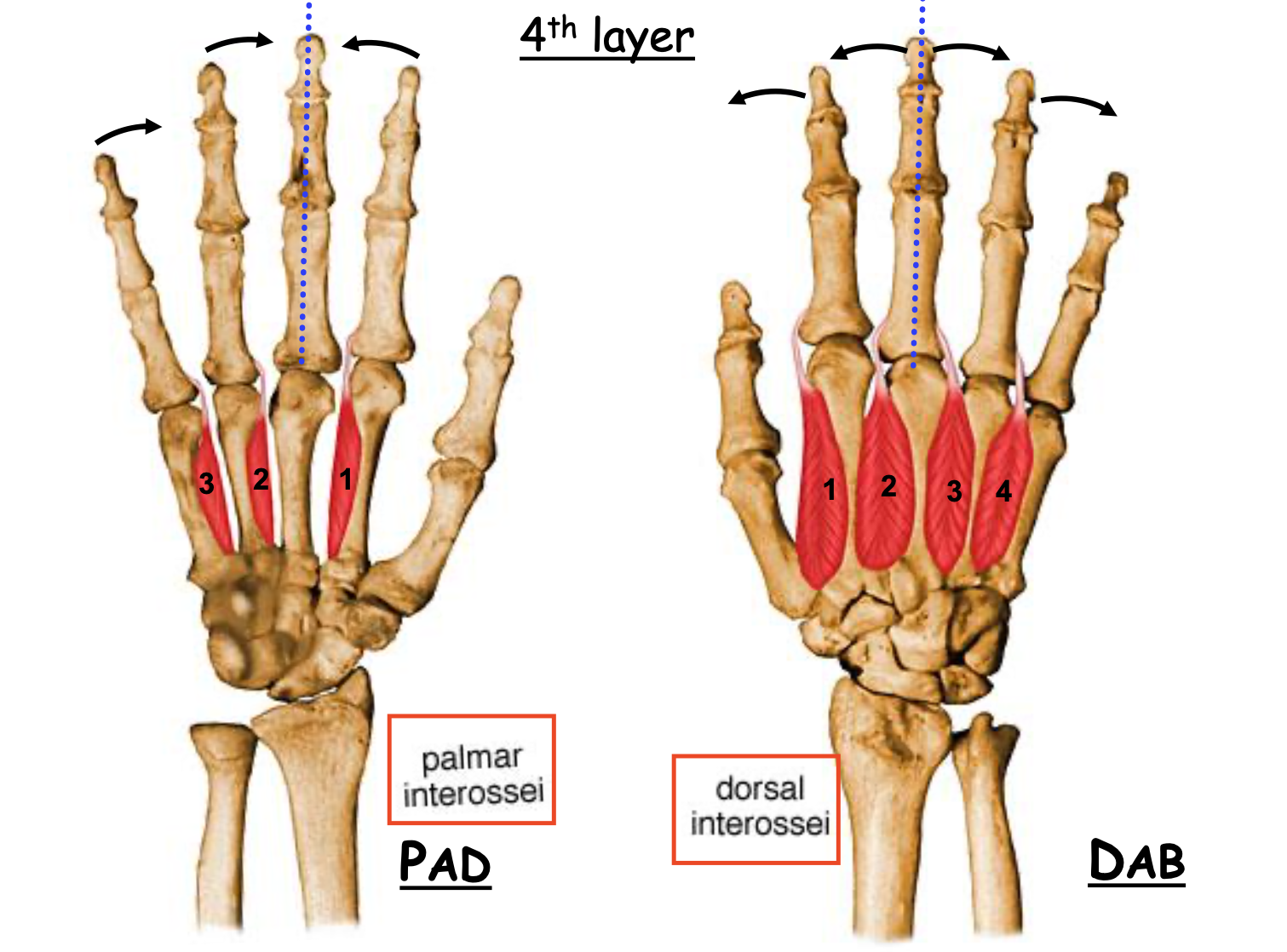
4th layer:
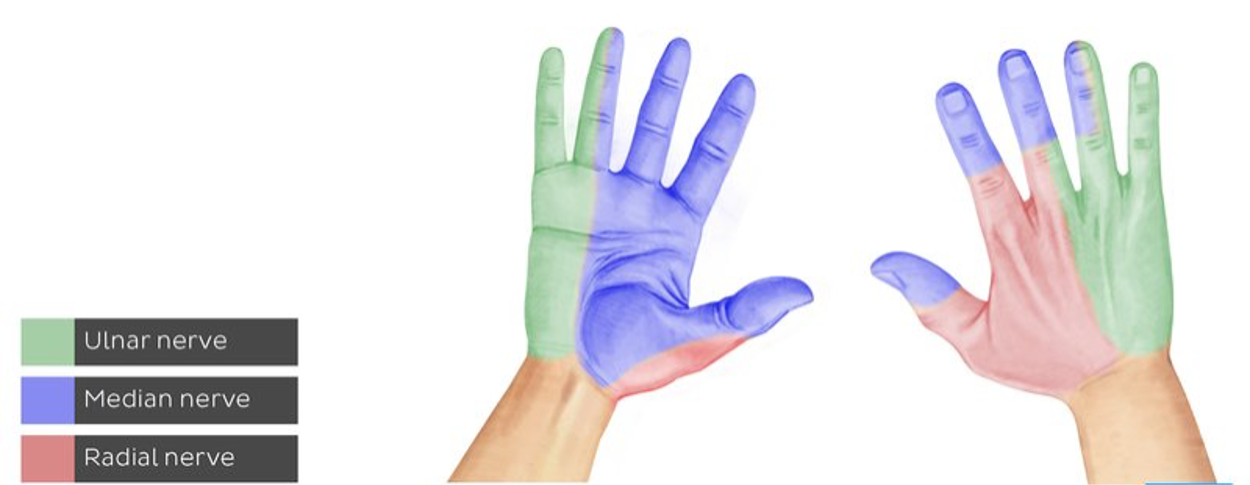
Nerve supply:
- ulnar nerve
- median nerve
- radial nerve
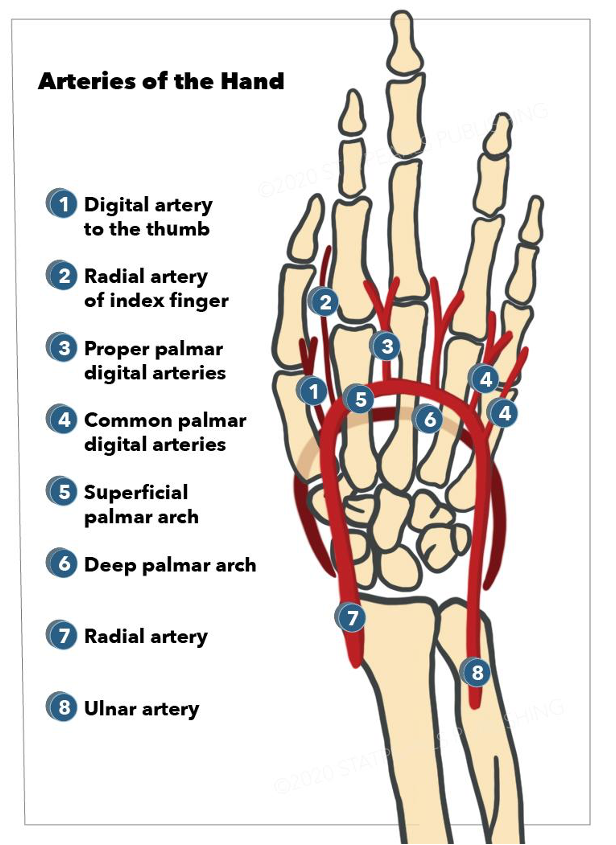
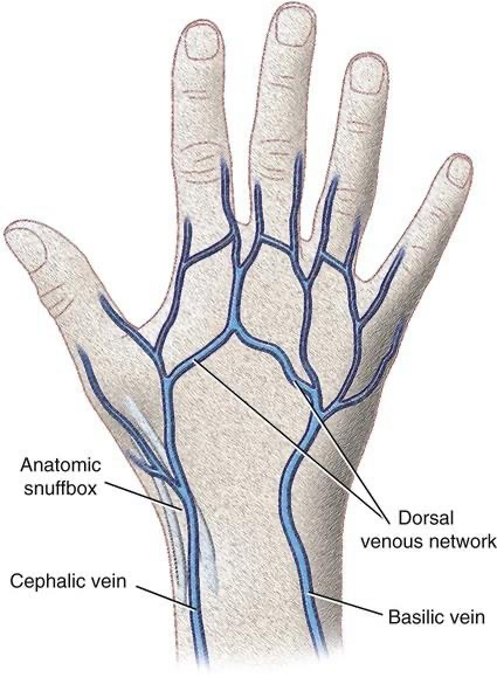
Blood supply
Arteries:
Veins:
Flexor retinaculum
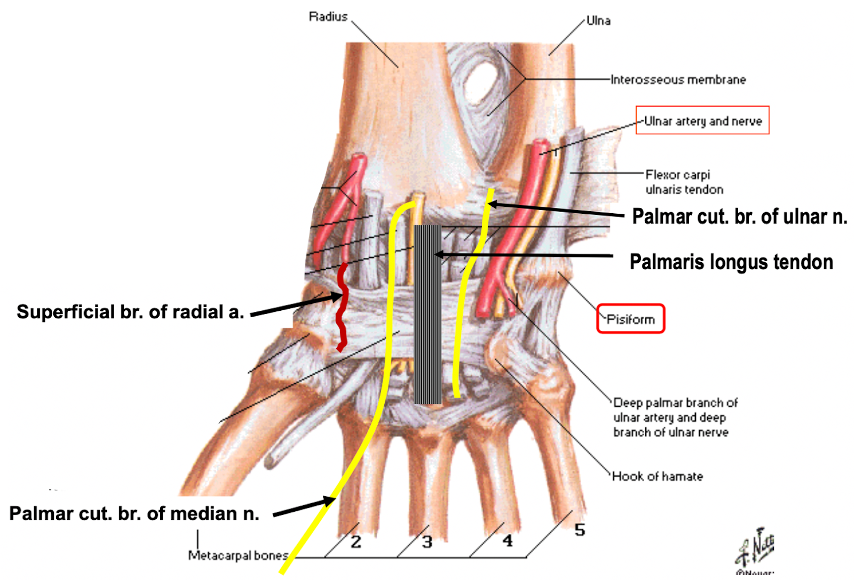
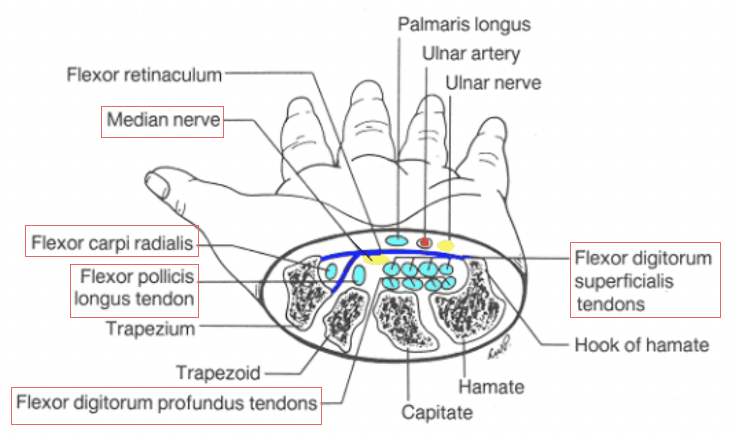
It is a strong band which is attached to pisiform and hamate bones medially and trapezium and scaphoid laterally, forming the carpal tunnel
Superficial structures:
Deep structures:
Carpal tunnel syndrome
Compression of median nerve
- Tingling
- Numbness
- Shooting pain
- Weakened grip
Neurological examination
Other causes of Hand pain:
Stenosing tenosynovitis
Osteoarthritis
Rheumatoid arthritis
Traumatic injury
Risk factors of hand pain:
- Old age
- Occupation
- Smoking
- Obesity
Immunity of RA
Loss of self-tolerance = autoimmune disease
Gene susceptibility:
- Expression of certain MHC alleles may allow presentation of self antigens/ abnormal selection or regulation of self-reactive lymphocytes
Previous inflammation or injury:
1. Bystander T-cell activation: activated APCs in infected tissues express co-stimulators that can activate self-reactive T-cells
2. Molecular mimicry: microbial antigens that are similar to self-antigens can activate T and B cells, producing autoimmune antibodies
3. Polyclonal lymphocyte activation: microbes or toxins can induce polyclonal activation of T and/or B cells
4. Altered self: self antigens could be perceived as foreign by:
1. Haptens binding to self-antigens, resulting in a new antigen that can stimulate immune response
2. Enzymatic modification of antigens, resulting in changes to the original antigen that are perceived as foreign.
e.g: citrullination: conversion of arginine to citrulline by peptidyl arginine deaminase> major cause of RA
5. Release of sequestered antigens (antigens in brain, eye, testes, ovaries)
6. Availability of cryptic epitopes
Pathogenesis of RA
It is a systemic autoimmune disease
Triggered by both genetic and environmental factors
Events of the disease:
1. Infiltration of synovial membrane> entrance of immune cells
2. Formation of lymphoid follicles> B and T cells interact with synovial membrane
3. Immune complexes> activation of synovial macrophages
4. TNF, IL-1, IL-6 production> damage to bony tissue
5. Activation of osteoclasts and chondrocytes> destruction of bones and cartilages
6. Hypoxia> neoangiogenesis
Signs and symptoms of RA:
Articular:
- Heat
- Pain/ morning stiffness
- Swelling of joints
- Deformities: swan neck/ boutonniere/ ulnar deviation
Extra-artucular:
- Dry eyes
- Scleritis
- Pulmonary fibrosis
- Rheumatoid nodules
- Anemia
- Renal damage
- osteoporosis
- Vasculitic skin rash
Investigations
- ESR
- CRP
- Rheumatoid factor
- Anti-CCP
- X-ray/ MRI
Treatment:
- Pharmacological:
1. NSAIDS: ibuprofen/ piroxicam/ naproxen
2. DMARDs (disease modifying anti-rheumatic drugs):
- Methotrexate: inhibits DHFR, has immunosuppressive and anti-inflammatory effects
- Leflunimide: arrests cells of autoimmune lymphocytes
- Minocycline: a tetracycline antibiotic
3. Biologic therapies: tumor necrosis factor inhibitors and non-tumor necrosis biologic therapy
4. Glucocorticoids
- Non-pharmacological:
1. Physical therapy
2. Oils and herbs
3. Cryotherapy
4. Chiropractic therapy
5. Infrared heat therapy
Other complications:
- Felty syndorme
- Baker's cyst
- Sjogren's syndrome
Prevention:
- Healthy diet
- Exercise
- Quit smoking
- Compliance to medications
Information
- Description
- Flowchart on Untitled, created by fatima alowais on 22/02/2021.
- Created by
- fatima alowais
- Views
- 0
- Rating