Flowchart
Curricular approaches
Flowchart content
Curricular approaches
Different curricular approaches
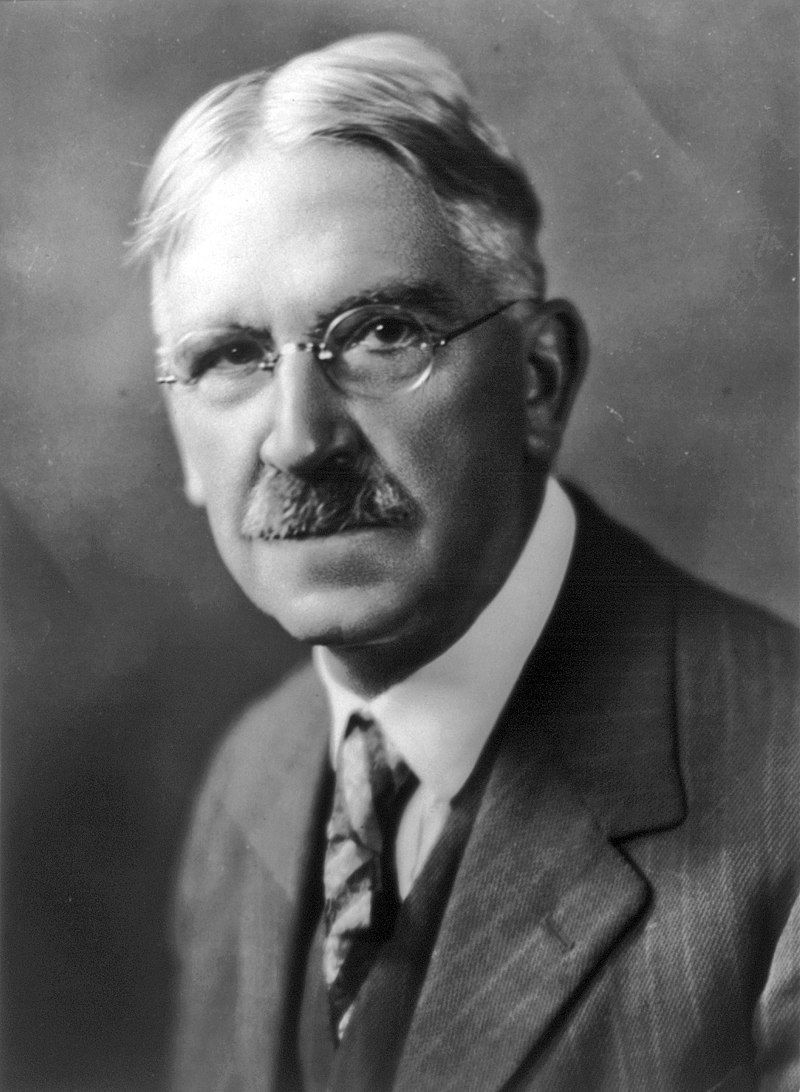
John Dewey
Tyler approach
The curriculum by Tyler
Scientific model
Human development
Educational objectives should come from the systematic study of students, the study of life in contemporary society, and expert analysis of teaching and learning issues.
For Dewey, as for James, the human capacity to think has evolved. It will guide intelligent action in an ever-changing world.
The very term "learner" implies a direct assimilation of knowledge. Dewey stresses that the learner must always be active, an actor or participant in a constantly changing world. Learning is the result of action to solve pressing problems.
It focuses on the communication of information and the optimization of the teaching and learning process.
The experiences, contents and objectives of the curriculum should be systematized according to the type of society in which the curriculum is developed and the resources available to the institution should be evaluated.
The human costs of structural adjustment programs are increasingly evident; social problems have been exacerbated even with sustained and systematic economic growth.
New curricular models
He became a "teaching junkie" and practiced as a science teacher, advising teachers and administrators across the country on how to set goals to improve teaching and learning in schools.
The curriculum is considered a way of looking at the teaching and learning process from the perspective of the individual. It is important because it gives rise to a number of pedagogical approaches that contribute to the development of the entire educational process.
is a set of technical rules that define how a program should be designed and what its components should be, including the theoretical and empirical foundations, the profile of students entering and completing the program,