Mind map
CROMATEST
Map content
CROMATEST
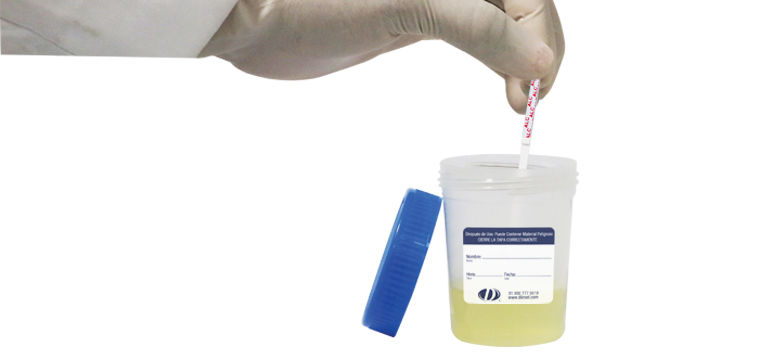
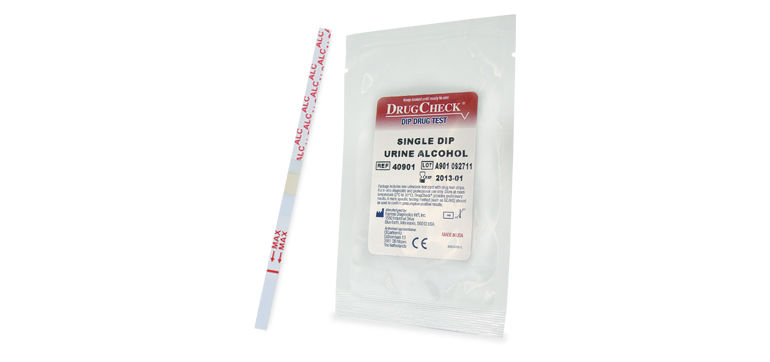
Urinalysis (urine) test strips are plastic strips in parameters in separate areas of reagents. The test is for semi-quantitative detection of one or more of the following analytes in the urine: Specific Gravity, pH, Leukocytes, Nitrites, Proteins, Glucose, Ketone Bodies, Urobilinogen, Bilirubin and Blood. Observe the game box letterhead with the specific analyte of the test strip and compare it to the color of the appropriate analyte in the table for the result. Reactive Strips of Urinalysis (Urine) can be read visually and automatically with a urine analyzer, and are designed for professional use only.
Urine undergoes many changes during periods of illness or bodily dysfunction before the composition of the blood is altered to a significant extent. Urianálisis is a useful procedure as an indicator of Health or Illness, and therefore, is a part of routine screening for health. Urinalysis (urine) test strips can be used for a general health assessment, and as an aid in the diagnosis and monitoring of metabolic or systemic diseases that affect renal function, endocrine disorders and diseases or disorders of the urinary tract.
EXPECTED PRINCIPLES AND VALUES
- Specific Gravity: This test is based on the apparent pKa change of some polyelectrolytes pretreated in relation to the concentration of ions. In the presence of an indicator, the color varies from dark-green blue in urine of low concentration to green and yellowish green in urine of high ion concentration. Urine collected at random may vary in severity Specific of 1.003-1.035.3 Urine of 24 hours of collection of healthy adults with normal diet and Fluid feed must have a Specific Gravity of 1.016-1.022.3 In cases of renal damage Severe, the Specific Gravity is set to 1.010 of the filtered glomerular.
- pH: This test is based on a dual indicator system that allows a wide range of colors and covers the entire pH range. The range of colors ranges from orange to yellow and from green to blue. The expected range for normal urine specimens in neonates is pH 5-7.4. expected range for other normal people is pH 4.5-8, with an average result of pH 6.4
- Leukocytes: This test reveals the presence of esterase granulocytes. The esterases are attached to a pyrazole amino acid ester derivative to release derivatives of hydroxy pyrazole. So reacting with a diazonium salt to produce a violet dye.
- Proteins: This reaction is based on the phenomenon known as "protein error" of pH indicators where an indicator that is highly saturated with bufér will change color in the presence of proteins (anions) at the same time the indicator releases hydrogen ions to the protein. At a constant RPh the development of any green is due to the presence of protein. High pH (up to 9), chloroquine, tolbutamide, quinine, quinidine do not affect this test. He range of colors ranges from yellow to yellow-green for negative results and from green to green- bluish for positive results. This test is particularly sensitive to albumin.
- Glucose: This test is not affected by the presence of ketones or the pH of urine. This test is a glucose-oxidase / peroxidase (GOD / POD) specific reaction based method.
- Ketone bodies: Ketone bodies are not usually present in the body. urine. Detectable levels of ketone bodies can occur in urine during physiological stress such as fasting, pregnancy strenuous exercises. in some other abnormal situation of carbohydrate metabolism the Ketone Bodies appear in the urine at excessively high concentrations before the Ketone Bodies rise in the serum.
- Urobilinogen: This test is based on the azo-coupling reaction of a diazonium salt stable with Urobilinogen in a strongly acidic medium to produce a red azo color. He Urobilinogen is one of the largest compounds produced in heme synthesis and is a normal substance in the urine. The expected normal range in urine with this test is 0.2-1.0 mg / dl (3.5-17 μmol / l) .3 A result of more than 1.0 mg / dL (17 μmol / L) should be further studied background.
- Bilirubin: This test is based on the reaction of Azo-coupling bilirubin with dichloroaniline in a strong acid medium. Variation in bilirubin levels produces a pink-toasted color proportional to the concentration in urine. Normal urine does not detects bilirubin even by the most sensitive methods. Bilirubin still traces require further research. Atypical results (different colors from negative to blocks of positive color that shows the color chart) may indicate that the pigments Bilirubin derivatives are present in the urine specimen and possibly are masking the reaction of Bilirubin.
·