
Mind map
TEJIDOS ANIMALES
Map content
TEJIDOS ANIMALES
Conjunto de células especializadas en una misma función
- CELULAS DIFERENCIADAS
- Realizan las funciones y mantienen el tejido
- CÉLULAS SIN DIFERENCIAR
- Sustituyen a las diferenciadas cuando mueren
- CELULAS DIFERENCIADAS
TIPOS
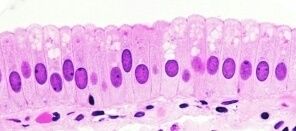
- TEJIDO EPITELIAL
- Formado por células epiteliales unidas entre sí
- TIPOS
- Según su FUNCIÓN
- Revestimiento
- Recubre y protege
- Glandular
- Segrega sustancias
- TIPOS
- EXOCRINAS
- Vierten su contenido al medio externo
- ENDOCRINAS
- Vierten su contenido al torrente sanquíneo
- MIXTAS
- EXOCRINAS
- Revestimiento
- Según la FORMA de las células
- C. Planas
- C. Cúbicas
- C. Cilíndricas
- Según el número de CAPAS celulares
- Monoestratificados
- Una sola capa
- Pseudoestratificados
- Una capa con las células a distintas alturas
- Pluriestratificados
- Varias capas
- Monoestratificados
- Según su FUNCIÓN
- TEJIDO MUSCULAR
- Formado por fibras musculares
- TIPOS
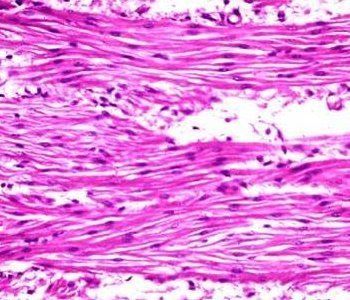
- Liso
- Células con núcleo central. Miocitos
- Contracción no muy rápida
- Células con núcleo central. Miocitos
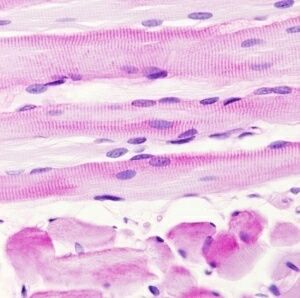
- Estriado
- Miocito estriado. Células plurinucleadas
- Contracción muy rápida
- Varios tipos de fibras
- ROJAS duraderas
- BLANCAS más rápidas
- ROJAS duraderas
- Miocito estriado. Células plurinucleadas
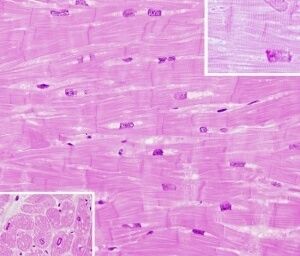
- Cardiaco
- Posee fibras uninucleadas y ramificadas
- Provoca contracciones automáticas y rítmicas
- Posee fibras uninucleadas y ramificadas
- Liso
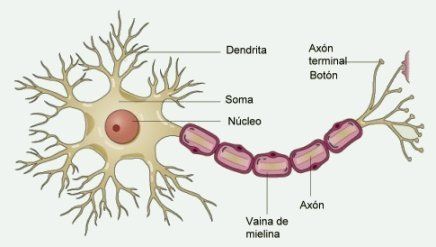
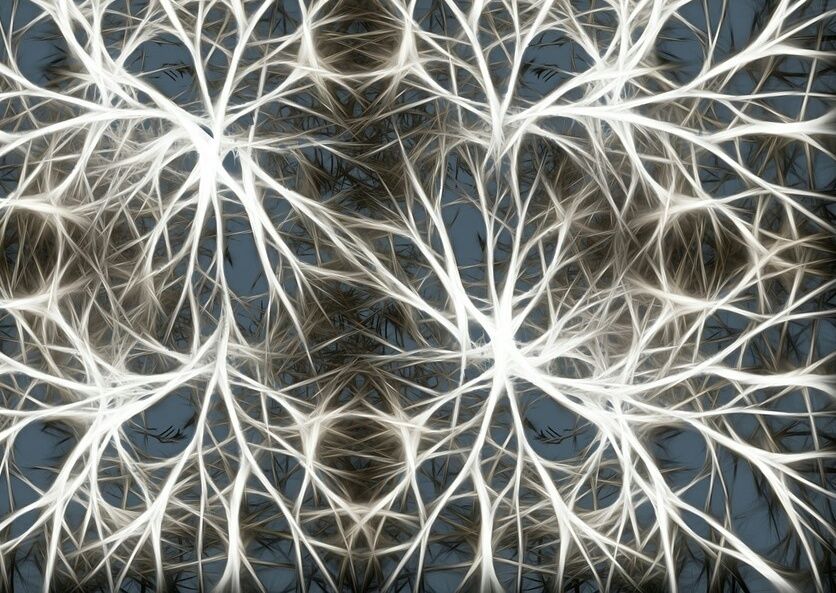
- Tejido Nervioso
- NEURONAS Captan y responden estímulos.
- IMPULSO NERVIOSO:La trasmisión de información que realiza una neurona es de tipo eléctrico.
- SINAPSIS:El pequeño espacio que queda entre la neurona y la célula.
- CÉLULAS DE GLÍA Mantienen a las neuronas.
- AISLANTES: envuelven los axones para conseguir más velocidad.
- MICROGLIA: protege el tejido nervioso.
- ASTROCITOS: se encangar de la nutrición neuronal.
- Tejido especializado en la transición de la información
- NEURONAS Captan y responden estímulos.
- TEJIDO CONECTIVO
- Tejido conjuntivo
- Sus CÉLULAS
- FIBROCITOS
- FABRICAN Y MANTIENEN LAS FIBRAS
- MACRÓFAGOS
- CÉLULAS LIMPIADORAS
- ADIPOCITOS
- AISLAMIENTO TÉRMICO
- LINFOCITOS, GRANULOCITOS Y CÉLULAS DENTRÍTICAS
- DEFENSA FRENTE A INFECCIONES
- FIBROCITOS
- Rellena espacio entre los órganos
- TIPOS
- LAXO
- RELLENO CON POSIBILIDAD DE MOVIMIENTO
- DERMIS
- RELLENO CON POSIBILIDAD DE MOVIMIENTO
- DENSO
- RESISTENCIA A TRACCIÓN
- LIGAMENTOS Y TENDONES
- RESISTENCIA A TRACCIÓN
- ADIPOSO
- RESERVA DE ENERGÍA
- TRAS RIÑONES
- RESERVA DE ENERGÍA
- LAXO
- Sus CÉLULAS
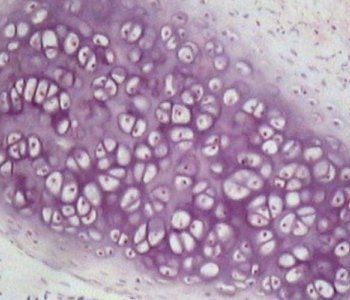
- Tejido Cartilaginoso
- Sus células son: Condriocitos
- Aporta flexibilidad y resistencia
- TIPOS
- HIALINO: resiste la presión.
- ELÁSTICO: flexibilidad.
- FIBROSO: resistencia.
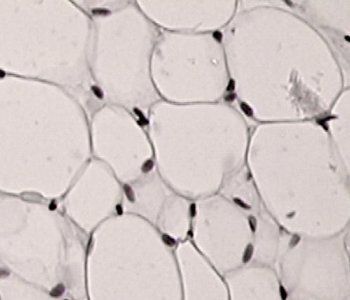
- Tejido Adiposo
- Sus células son: Adipocitos
- Funciona como reserva energética y aislamiento térmico
- TIPOS
- PARDO: generan calor.
- BLANCO: aislante y reserva de lípidos.
- Tejido Óseo
- CÉLULAS
- OSTEOCITOS
- OSTEOBLASTOS
- OSTEOCLASTOS
- TIPOS
- ESPONJOSO
- RESISTENCIA A PRESIÓN
- MÉDULA ÓSEA
- COMPACTO
- RESISTENCIA
- HUESOS LARGOS
- ESPONJOSO
- CÉLULAS
- Tejido Sanguíneo
- SUS CÉLULAS
- LEUCOCITOS
- PROTEGEN DE INFECCIONES
- ERITROCITOS
- TRANSPORTA OXÍGENO
- TROMBOCITOS
- FORMAN COÁGULOS
- LEUCOCITOS
- Función
- TRANSPORTE DE SUSTANCIAS
- SUS CÉLULAS
- Tejido conjuntivo
- TEJIDO EPITELIAL
Images and files in the map
Information
- Description
- 1º de Bachillerato Biología y Geología Mind Map on TEJIDOS ANIMALES, created by Carla Sáez on 25/10/2018.
- Created by
- Carla Sáez
- Views
- 58
- Tags
- Rating