
Mind map
TIEMPO PRESENTE
Map content
TIEMPO PRESENTE
SIMPLE
- Para conjugar el presente simple usamos el inifinitivo para los sujetos "I", "you", "we" y "they" y para las terceras personas "he", "she" y "it", añadimos un "-s" al final del verbo.
- AFIRMATIVO: Estructura Sujeto + verbo principal. Ejemplos: PlayI talk. (Yo hablo.) PlayHe eats. (Él come.) PlayThey learn. (Ellos aprenden.)
- PREGUNTA: Estructura Verbo auxiliar ("to do") + sujeto + verbo principal Ejemplos: PlayDo you talk? (¿Hablas tú?) PlayDoes he eat? (¿Come él?) PlayDo they learn? (¿Aprenden ellos?)
- NEGATIVO: Estructura Sujeto + verbo auxiliar ("to do") + auxiliar negativo ("not") + verbo principal. Ejemplos: PlayI do not [don't] talk. (Yo no hablo.) PlayHe does not [doesn't] eat. (Él no come.) PlayThey do not [don't] learn. (Ellos no aprenden.)
- Para conjugar el presente simple usamos el inifinitivo para los sujetos "I", "you", "we" y "they" y para las terceras personas "he", "she" y "it", añadimos un "-s" al final del verbo.
CONTINUO
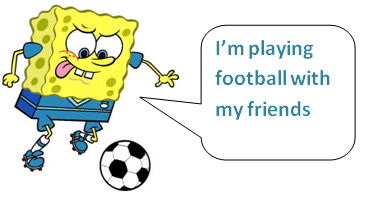
- Para formar el presente continuo se utiliza el verbo auxiliar "to be" y el gerundio (infinitivo + "-ing") del verbo.
- AUXILIAS TO BE: Gerundio I am talking, eating, learning, doing, going... He, She, It is talking, eating, learning, doing, going... You, We, They are talking, eating, learning, doing, going...
- AFIRMATIVO: Estructura Sujeto + verbo auxiliar ("to be") + gerundio ("-ing"). Ejemplos: PlayI'm talking. (Estoy hablando.) PlayHe's eating. (Está comiendo.) PlayThey're learning. (Están aprendiendo.)
- NEGATIVO: Estructura Sujeto + verbo auxiliar ("to be") + auxiliar negativo ("not") + gerundio ("-ing"). Ejemplos: PlayI'm not talking. (No estoy hablando.) PlayHe's not [He isn't] eating. (No está comiendo.) PlayThey're not [They aren't] learning. (No están aprendiendo.)
- INTERROGATIVO: Verbo auxiliar ("to be") + sujeto + gerundio ("-ing")? Ejemplos: PlayAre you talking? (¿Estás hablando?) PlayIs he eating? (¿Está comiendo?) PlayAre they learning? (¿Están aprendiendo?)
PERFECTO
- Para formar el presente perfecto, se usa el verbo auxiliar "to have" en el presente y el participio pasado del verbo. Para verbos regulares, el participio pasado es la forma simple del pasado. Ver la lección sobre el pasado simple para más información sobre como formar el pasado.
- Subject Auxiliary Short Form Past Participle I, You, We, They have I've, you've, we've, they've talked, learned, traveled... He, She, It has he's, she's, it's talked, learned, traveled..
- AFIRMATIVO: Estructura Sujeto + verbo auxiliar ("to have") + participio pasado... Ejemplos: Play I've talked to Peter. (He hablado con Peter.) Play She's gone to work. (Ha ido a su trabajo.) Play We've been to London. (Hemos ido a Londres.) Play They've learned English. (Han aprendido inglés.)
- NEGATIVO: Estructura Sujeto + verbo auxiliar ("to have") + "not" + participio pasado... Ejemplos: PlayI haven't talked to Peter. (No he hablado con Peter.) PlayShe hasn't gone to work. (No ha ido a su trabajo.) PlayWe haven't been to London. (No hemos ido a Londres.) PlayThey haven't learned English. (No han aprendido inglés.)
- INTERROGATIVO Estructura Verbo auxiliar ("to have") + sujeto + participio pasado...? Ejemplos: PlayHave you talked to Peter? (¿Has hablado con Peter?) PlayHas she gone to work? (¿Ha ido a su trabajo?) PlayHave you been to London? (¿Has ido a Londres?) PlayHave they learned English? (¿Han aprendido inglés?)
- NEGATIVO: Estructura Sujeto + verbo auxiliar ("to have") + "not" + participio pasado... Ejemplos: PlayI haven't talked to Peter. (No he hablado con Peter.) PlayShe hasn't gone to work. (No ha ido a su trabajo.) PlayWe haven't been to London. (No hemos ido a Londres.) PlayThey haven't learned English. (No han aprendido inglés.)
- AFIRMATIVO: Estructura Sujeto + verbo auxiliar ("to have") + participio pasado... Ejemplos: Play I've talked to Peter. (He hablado con Peter.) Play She's gone to work. (Ha ido a su trabajo.) Play We've been to London. (Hemos ido a Londres.) Play They've learned English. (Han aprendido inglés.)
Images and files in the map
Information
- Description
- Mind Map on TIEMPO PRESENTE, created by MARIANA RAMIREZ on 11/02/2015.
- Created by
- MARIANA RAMIREZ
- Views
- 13
- Rating