
Mind map
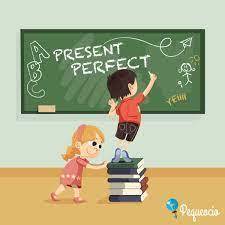
PRESENT PERFECT
Map content
PRESENT PERFECT
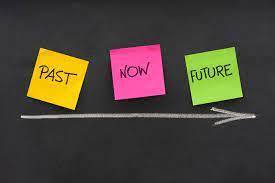
Expresses actions or events that began in the past and are still true or appropriate in the present time, or are now finished.
- Is also used to tell about something which happened in the past but the exact time of the action isn’t known.
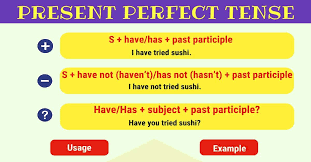
We form The Present Perfect with have/has
- a. I have visited my grandfather.
We use present perfect for a past action whose time is not mentioned and has a relation to the present.
- I have never been to London.
- I have read ‘Hamlet’.
- Have you ever played chess?
- We often use present perfect tense for actions which happened in the past and that have an effect or a result in the present.
- The teacher has just gone out. (The teacher is not here)
- I’ve washed my hair.(My hair is wet now)
- We use it for an action which began in the past and is still happening now.
- My grandparents have lived in Florence for sixty years. (They are still living in Florence.)
- We use it for an action which began in the past and is still happening now.
- I’ve washed my hair.(My hair is wet now)
- The teacher has just gone out. (The teacher is not here)
- We often use present perfect tense for actions which happened in the past and that have an effect or a result in the present.
- Have you ever played chess?
- I have read ‘Hamlet’.
- I have never been to London.
SINCE and FOR
- We can use the present perfect tense with ‘for’ and ‘since’ to talk about actions and events that take place in a period of time from the past until now.
- JUST / YET / ALREADY
- ‘Just’ comes after the auxiliary verb ‘have/has’. This combination is used chiefly in the affirmative, though the interrogative from is possible. It isn’t normally used in the negative.
- The teacher has just gone out.(She went out a few minutes ago)
- ALREADY: The adverb ‘already’ is used when something has happened before we expected.
- I’ve already written a letter to my friend.
- YET: Is used when we are expecting something to happen but it hasn’t happened.
- Mrs. Roberts hasn’t replied to my letter yet. (She hasn’t replied but she will).
- YET: Is used when we are expecting something to happen but it hasn’t happened.
- I’ve already written a letter to my friend.
- ALREADY: The adverb ‘already’ is used when something has happened before we expected.
- The teacher has just gone out.(She went out a few minutes ago)
- ‘Just’ comes after the auxiliary verb ‘have/has’. This combination is used chiefly in the affirmative, though the interrogative from is possible. It isn’t normally used in the negative.
- JUST / YET / ALREADY
- We can use the present perfect tense with ‘for’ and ‘since’ to talk about actions and events that take place in a period of time from the past until now.
Images and files in the map
Information
- Description
- Mind Map on PRESENT PERFECT, created by Stephanie Cortés Zarate on 23/02/2022.
- Created by
- Stephanie Cortés Zarate
- Views
- 0
- Rating