
Mind map
Articulatory Phonetics
Map content
Articulatory Phonetics
Production of speech
- Iniciation
- Setting air vocal tract
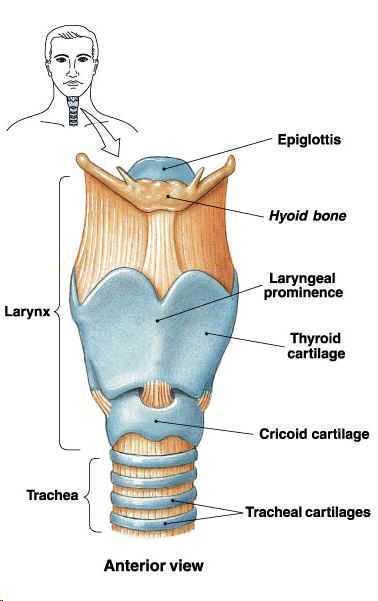
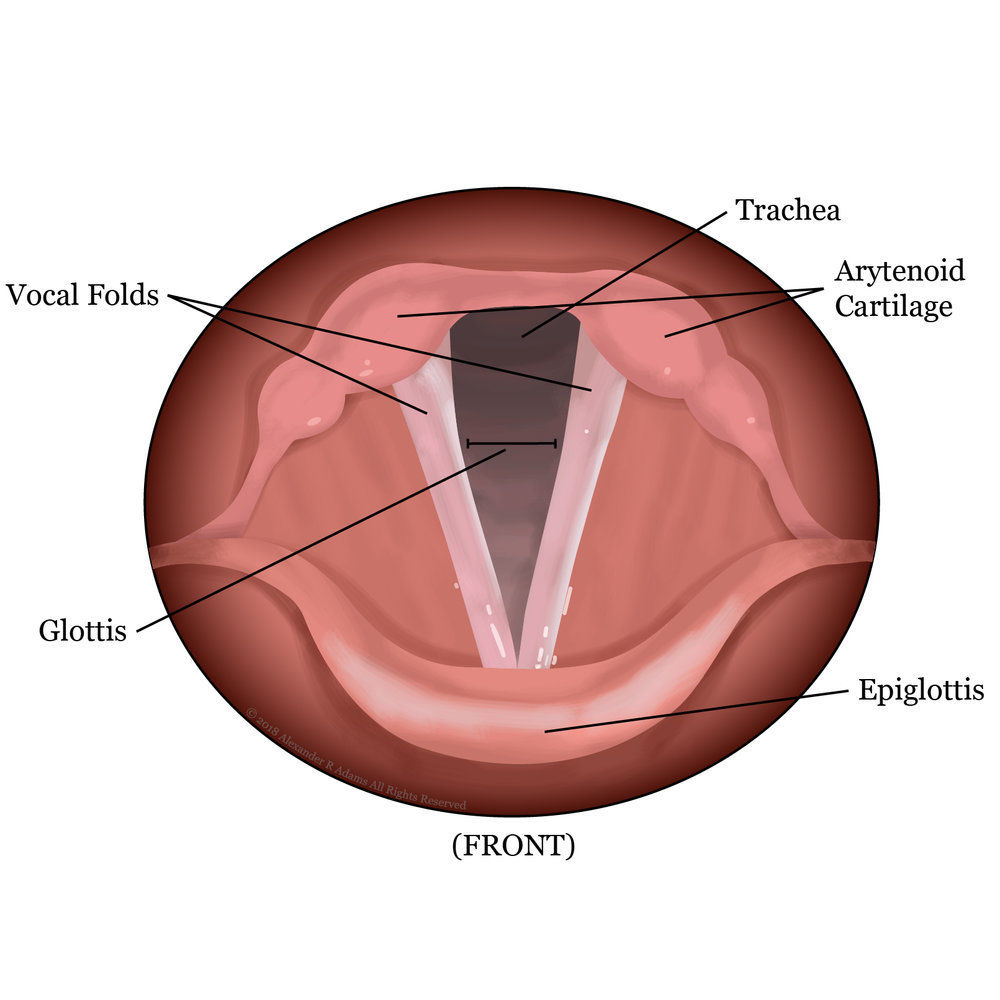
- Phonation (Voicing)
- Airflow through larynx
- Articulation (Manner)
- Shaping airflow generate sound types.
- Iniciation
Voice
- Voiced Sounds
- Vocal fold vibrations produced
- Examples: b , d , v , m
- Voiceless Sounds
- No vocal fold vibration
- Examples: s , t , p , f
- Voiced Sounds
Place
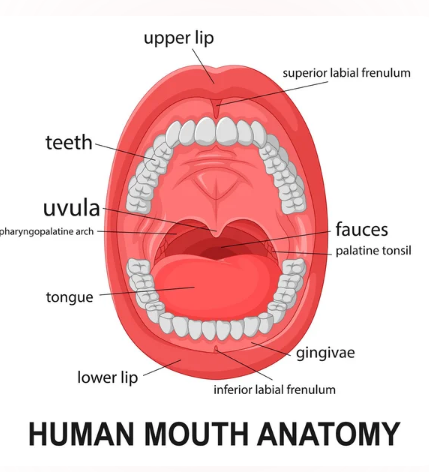
- Articulators
- Make speech sounds possible
- Active articulator
- Moves towards another articulator
- Form a closure of some type in vocal tract
- Passive articulator
- Destination that the active articulator moves towards
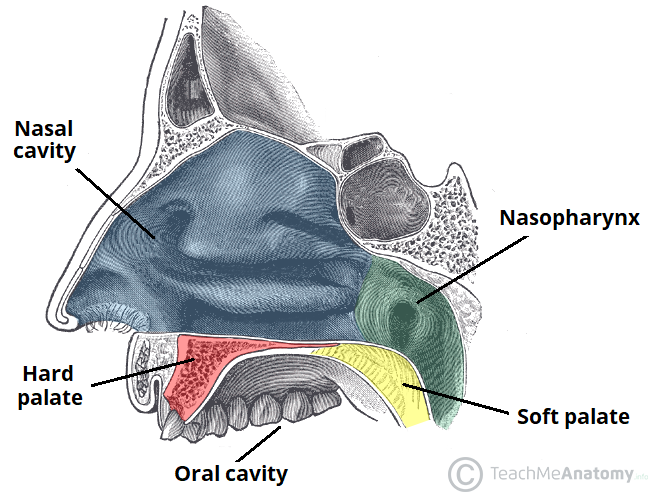
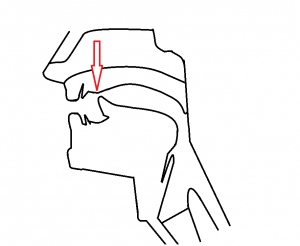
- Hard palate
- Destination that the active articulator moves towards
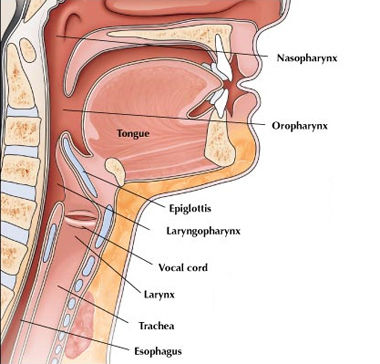
- Vocal tract
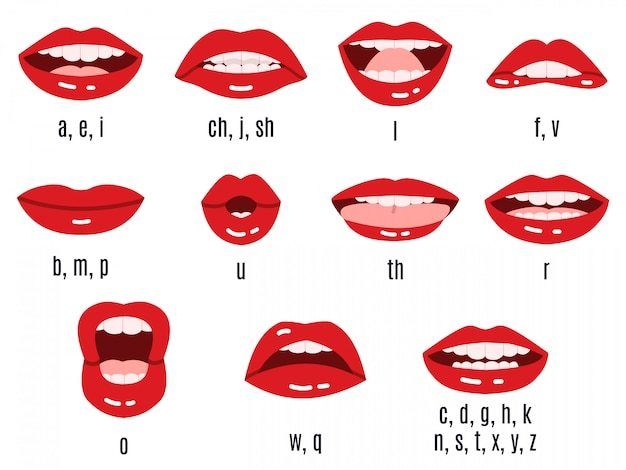
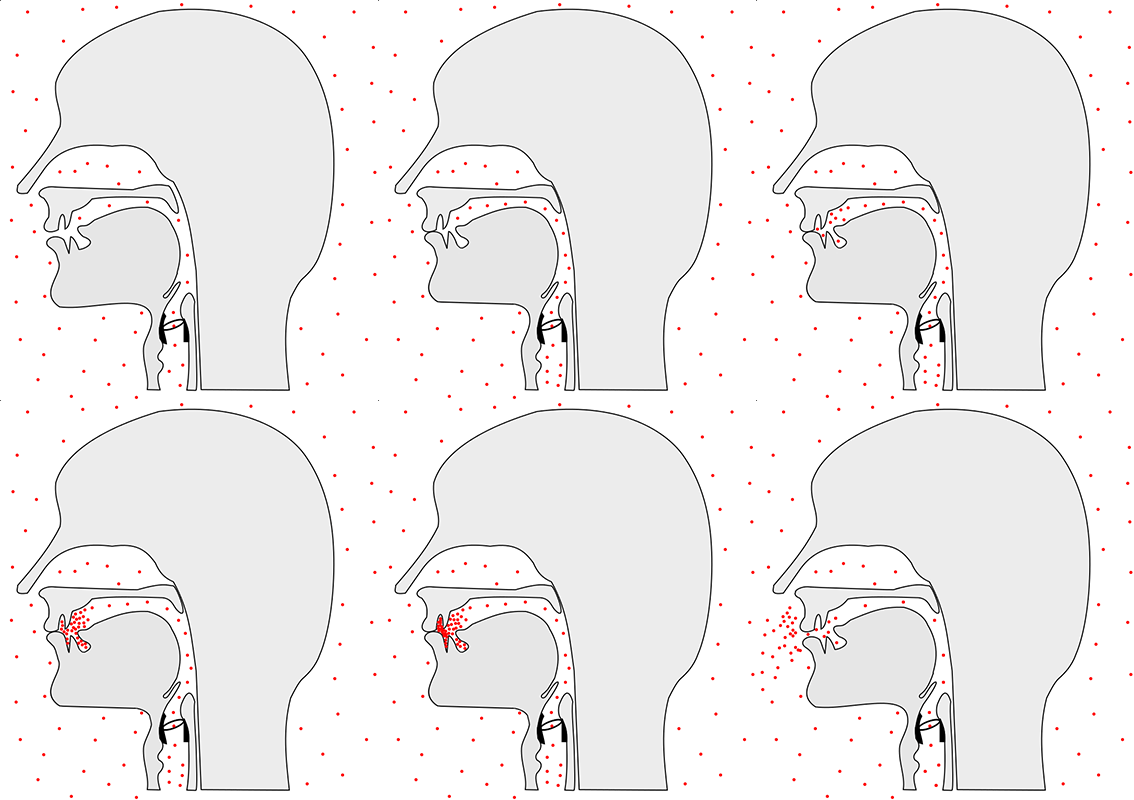
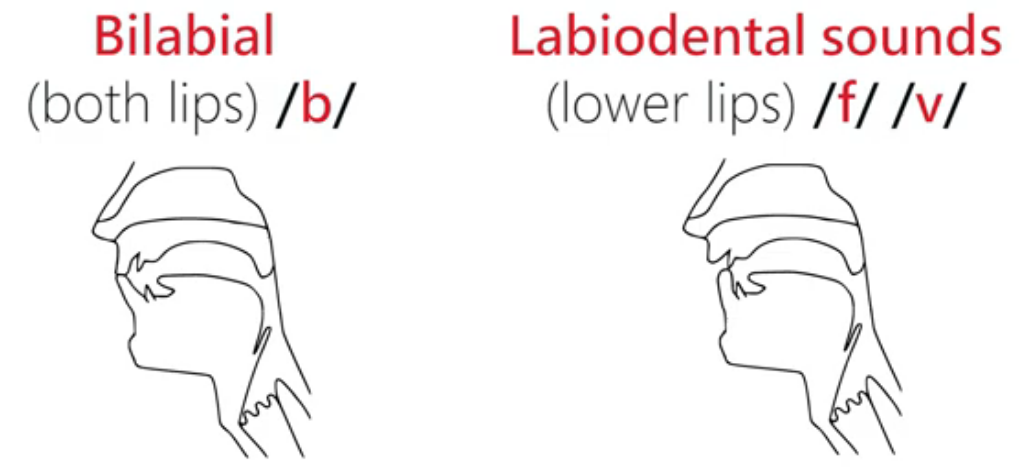
- Bilabial
- The upper and lower lips.
- Examples : p , b , m
- The upper and lower lips.
- Labiodental
- Lower lip (labial) and upper teeth (dental)
- sounds : f , v
- Endolabial
- Pressed against the inside
- Exolabial
- Pressed against the outer side
- Upper teeth => Lower lip
- Endolabial
- sounds : f , v
- Lower lip (labial) and upper teeth (dental)
- Dental
- Tongue tip making contact upper teeth
- Constriction.
- Tongue between upper and lower teeth
- Interdental
- Dental sounds: / θ, ð/
- Tongue tip making contact upper teeth
- Alveolar
- Front portion tongue making contact alveolar ridge
- Effective constriction in vocal tract
- Examples : t , d , n , l , s
- Front portion tongue making contact alveolar ridge
- Postalveolar
- Blade of tongue comes into contact with post-alveolar region
- Examples : ʃ, ʒ
- Palatal
- Tongue body raises up towards hard-palate
- Examples : j , usually spelt as <y>
- Tongue body raises up towards hard-palate
- Velar
- Tongue dorsum raises towards soft palate
- Examples : k , g ŋ
- Bilabial
- Articulators
Manner
- Way a sound is made
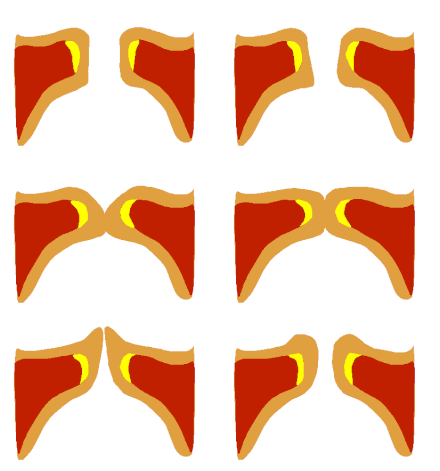
- Stop articulations
- Complete closure in the vocal tract
- Two articulators come together to prevent air escaping between them.
- Kind of airflow
- Plosives (oral )
- Maintainable stops
- Complete closure in the oral (vocal) tract
- Sounds : p , b , t , d , k , g
- Nasals
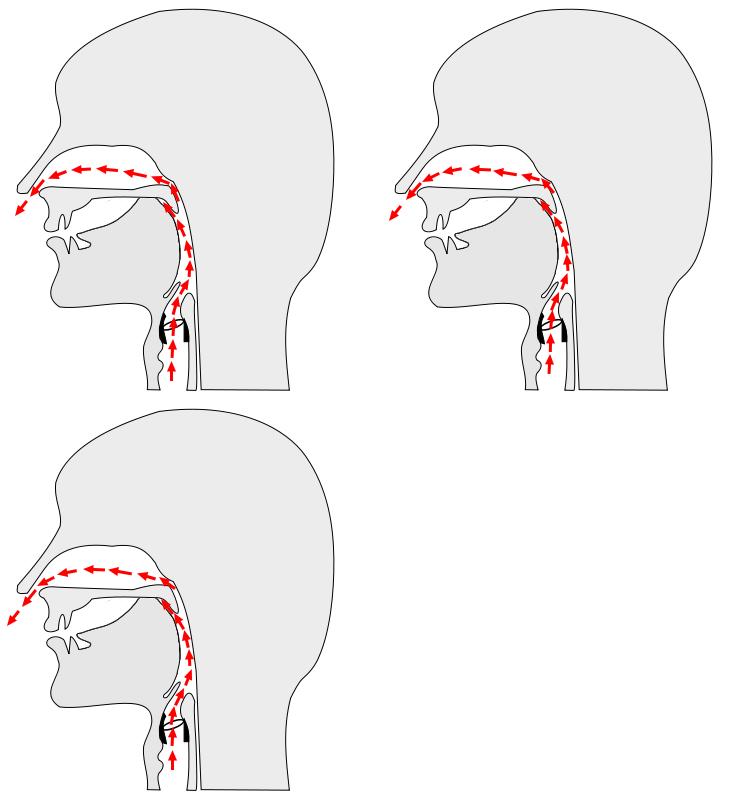
- Velum is lowered during nasal sounds
- Airflow to escape through the nasal cavity
- Sounds : m , n , ŋ
- Velum is lowered during nasal sounds
- Plosives (oral )
- Fricatives
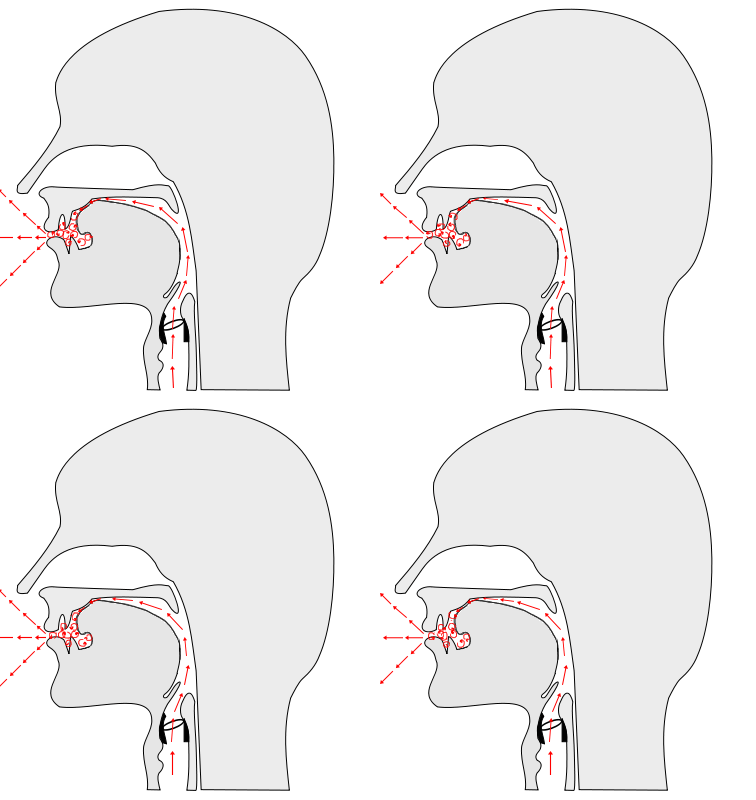
- Narrowing distance between active and passive articulators
- Airflow to become turbulent
- Sounds : f , v , θ , ð , s , z , ʃ , ʒ /
- Narrowing distance between active and passive articulators
- Approximants
- Distance isn’t wide enough to create turbulent airflow
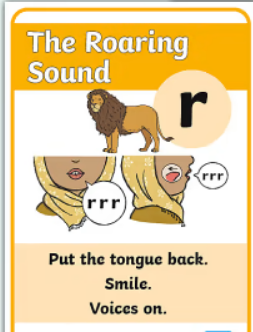
- Sounds : w , j , r , l
- Stop articulations
- Way a sound is made
Images and files in the map





Information
- Description
- Mind Map on Articulatory Phonetics, created by Paula Catalina Bermúdez Palencia on 18/05/2022.
- Created by
- Paula Catalina Bermúdez Palencia
- Views
- 5
- Rating