Cardiogenic Shock

Description

Nursing Mind Map on Cardiogenic Shock, created by Paige Keller on 03/11/2017.
Paige Keller
Mind Map by Paige Keller, updated more than 1 year ago
Paige Keller
Created by Paige Keller over 8 years ago
3
0

Resource summary

Cardiogenic Shock
  1. Assessment
    1. Risk Factors
      1. Stress
        1. Smoker
          1. Obesity
            1. Cardiac/family history of MI
            2. Clinical Manifestations
              1. Cardiovascular
                1. Tachycardia
                  1. By: Paige Keller 214197420
                  2. Weak pulse
                    1. Decreased capillary refill time
                      1. Chest pain may or may not be present
                      2. Pulmonary
                        1. Tachypnea
                          1. Cyanosis
                            1. Crackles and Wheezes in lung sounds
                              1. Severe shortness of breath
                              2. Renal
                                1. Decreased urine output
                                  1. Increased Na+ and H20 retention
                                    1. Decreased renal blood flow
                                    2. Skin
                                      1. Pallor
                                        1. Cool, clammy
                                          1. Diaphoresis (sweating)
                                          2. Neurologiccal
                                            1. Anxiety, confusion, agitation
                                              1. Los of consiousness
                                              2. Gastrointestinal
                                                1. Decreased bowel sounds
                                                  1. Nausea and vomiting
                                              3. Treatment
                                                1. Drug Therapy
                                                  1. Diuretics
                                                    1. Used to decrease plasma volume and peripheral edema.
                                                    2. Inotropic Agents
                                                      1. Dopamine
                                                        1. Produces cardiac stimulation to improve heart funtion
                                                        2. Dobutamine
                                                          1. Produces systemic vasodilation, causing an increase in strength and force of the heart causing more blood to circulate throughout the body
                                                          2. Norepinephrine
                                                            1. Norepinephrine increases blood pressure and afterload. Increased afterload may result in decreased cardiac output, increased myocardial oxygen demand, and cardiac ischemia.
                                                          3. Vasodilators
                                                            1. Nitroglycerine
                                                              1. Causes a decrease in preload and blood pressure
                                                            2. Opioid Analgesics
                                                              1. Morphine
                                                            3. Nursing Intervention/ Collaborative Care
                                                              1. Prevention/ Health Teaching/ Discharge Planning
                                                                1. Smoking cessation
                                                                  1. Importance of proper diet and exercise
                                                                    1. Lower cholesterol and saturated fats from diet
                                                                    2. Control hypertension
                                                                    3. Involve family in the comfort and care of the patient
                                                                      1. Monitor urine output, lab values i.e. BUN and serum creatinine
                                                                        1. Monitor vital signs: blood pressure, pulse, respiratory rate, every 1-5 minutes until patient is stable
                                                                          1. Correction of underlying cause
                                                                            1. Monitor ABG's, CBC's, Lytes
                                                                              1. Maintain patent arterial line
                                                                                1. Fluid/IV Therapy
                                                                                  1. Effective pain management
                                                                                    1. Oxygen therapy
                                                                                    2. Surgical Management
                                                                                      1. Percutaneous Coronary Intervention (PCI)
                                                                                        1. Should be initiated within 90 minutes of presentation
                                                                                        2. Coronary Artery Bypass Surgery (CABG)
                                                                                      2. Diagnosis
                                                                                        1. Pathophysiology
                                                                                          1. Primary ventricular ischemia
                                                                                            1. Systolic dysfunction causing ineffective blood perfusion
                                                                                              1. Decreased cardiac output, Decreased stroke volume
                                                                                                1. SNS stimulation resulting in increased heart rate and systemic vascular resistance.
                                                                                                  1. Further cardiac damage and progressive decline of cardiac output due to increase workload and oxygen demand.
                                                                                            2. Structural problems
                                                                                              1. Dysryhmias
                                                                                              2. Etiology
                                                                                                1. Myocardial infarction resulting in significant dysfunction or loss of left ventricular myocardium (greater than 40%)
                                                                                                  1. Right ventricular myocardial infarction
                                                                                                    1. End-stage cardiomyopathy
                                                                                                      1. Papillary muscle dysfunction
                                                                                                        1. Free wall rupture
                                                                                                          1. Congenital heart defects
                                                                                                2. Labs/Diagnostic Studies
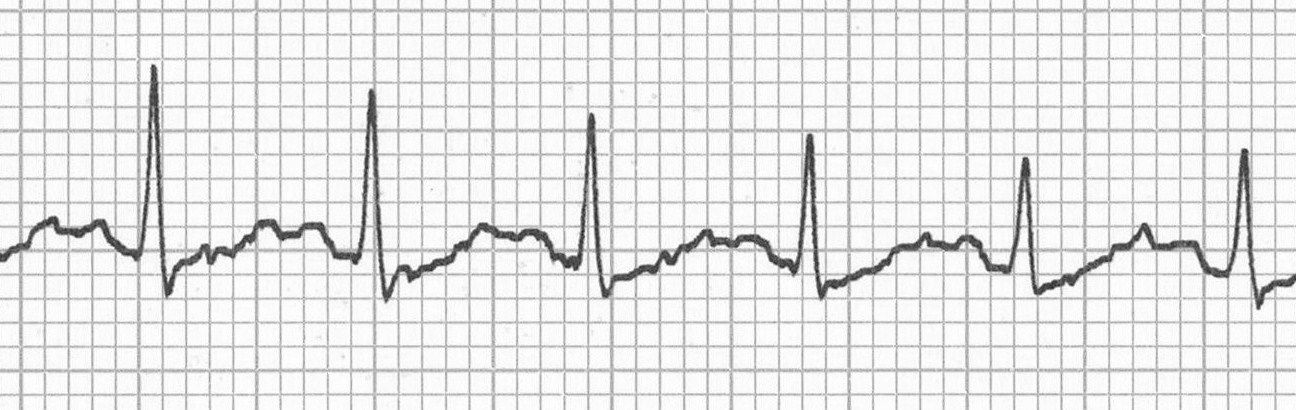
                                                                                                  1. ECG
                                                                                                    1. Detects and records the hearts electrical activity, measuring rate and rhythm
                                                                                                      1. ST elevation indicative of an MI
                                                                                                    2. Cardiac Enzyme Test
                                                                                                      1. Creatine kinase and CK-MB will be elevated
                                                                                                        1. Myoglobin
                                                                                                          1. Troponins present are indicative of damaged cardiac muscle
                                                                                                            1. LDH will be elevated approx. 10 hours after onset of MI
                                                                                                            2. Coronary Angiography
                                                                                                              1. Dye is injected into the bloodstream allowing an x-ray of the heart and blood vessels to identify areas with blockages
                                                                                                              2. Echocardiogram
                                                                                                                1. Identifies damaged areas of the heart due to poor blood flow
                                                                                                                2. Blood Tests
                                                                                                                  1. ABG's
                                                                                                                    1. Biochemical profile
                                                                                                                      1. CBC
                                                                                                                      2. Pulmonary Artery Catheterization
                                                                                                                        1. Catheter is used to check blood pressure in the pulmonary artery
                                                                                                                    2. Expected Outcomes
                                                                                                                      1. Positive outcomes are possible with a rapid diagnosis,, prompt medical interventions and supportive therapies,
                                                                                                                      2. What is it?
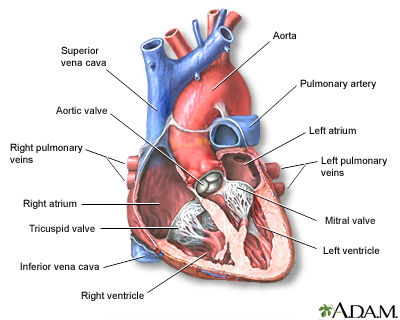
                                                                                                                        1. Occurs primarily when there is a severe dysfunction of the left, right, or both ventricles that result in inadequate pumping of blood.
                                                                                                                          1. Frequently associated with multisystem organ failure and is a medical emergency if not treated right away
                                                                                                                          Show full summary Hide full summary

                                                                                                                          Similar

                                                                                                                          Nervous System
                                                                                                                          4everlakena
                                                                                                                          Diabetes Mellitus
                                                                                                                          Kirsty Jayne Buckley
                                                                                                                          Renal System A&P
                                                                                                                          Kirsty Jayne Buckley
                                                                                                                          Oxygenation
                                                                                                                          Jessdwill
                                                                                                                          Clostridium Difficile
                                                                                                                          Kirsty Jayne Buckley
                                                                                                                          Definitions
                                                                                                                          katherinethelma
                                                                                                                          Clinical Governance
                                                                                                                          Kirsty Jayne Buckley
                                                                                                                          CMS Interpretive Guidelines for Complaint/Grievances
                                                                                                                          Lydia Elliott, Ed.D
                                                                                                                          NCLEX RN SAMPLE TEST
                                                                                                                          MrPRCA
                                                                                                                          NURS 310 EXAM 1 PRACTIC EXAM
                                                                                                                          harlacherha
                                                                                                                          Skin Integrity and Wound Care
                                                                                                                          cpeters