
Mind map
Nursing and Collaborative Care
Map content
Nursing and Collaborative Care
2. Management
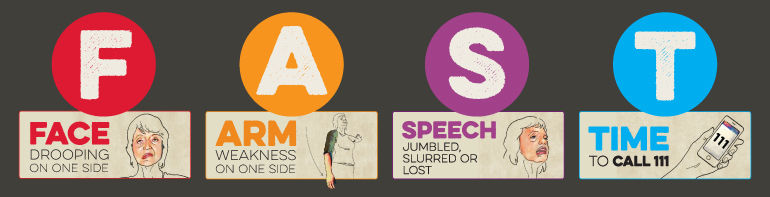
- Stroke Recognition
- Neurological Assessment
- -Level of Conciousness -Alert, Oriented (AOx3) -Motor-> Strength, Pronator Drift, Balance and Coordination -Pupils -Speech/Language -V/S -Blood Glucose
- -Level of Conciousness -Alert, Oriented (AOx3) -Motor-> Strength, Pronator Drift, Balance and Coordination -Pupils -Speech/Language -V/S -Blood Glucose
- Positioning Techniques
- -Elevate bed - lying to sitting done slowly - sitting to standing done slowly
- Decrease Prolonged Standing/Bedrest
- Ulcer Check for Bedrest
- Check BP Regularly
- Once a Year for Normal Adults
- Secondary Prevention
- -Regular exercise (30-60 min x 3 days a week) - Nutrition/diet (Decrease caloric/lipid intake), avoid trans fat, eat balanced foods - cook smart
- -Regular exercise (30-60 min x 3 days a week) - Nutrition/diet (Decrease caloric/lipid intake), avoid trans fat, eat balanced foods - cook smart
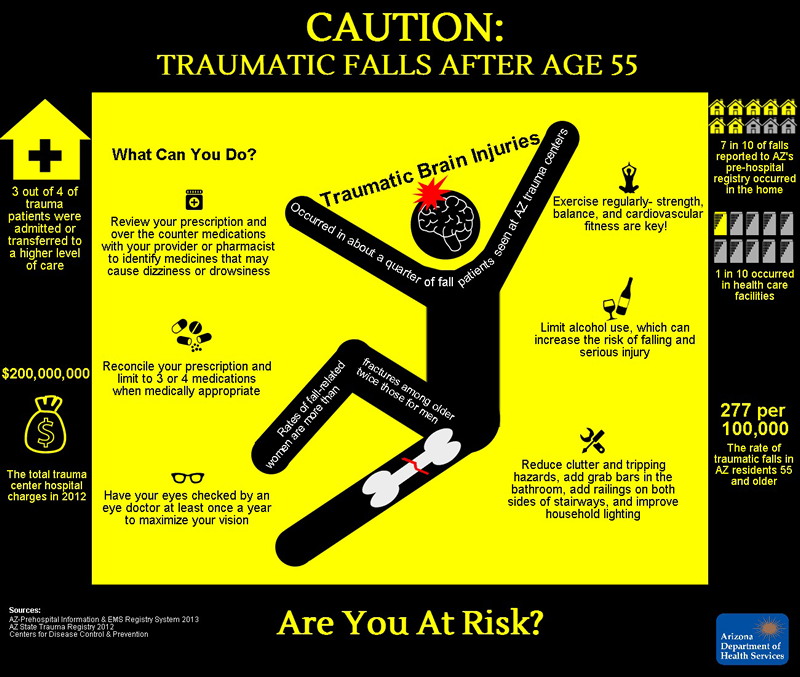
- Fall Risk Management
- Foot Care
- - Check feet everyday - Maintain blood flow to feet -Wear shoes that fit and comfortable - keep skin soft and smooth
- Quit Smoking
- Manage Dysphagia
- Assess: alertness, ability to participate -Directly Observe swallowing difficulties (i.e. choking, coughing, and wet voice) - Assess Tongue protrusion -Assessment Pharyngeal Sensation - Assess voice quality
- Assess: alertness, ability to participate -Directly Observe swallowing difficulties (i.e. choking, coughing, and wet voice) - Assess Tongue protrusion -Assessment Pharyngeal Sensation - Assess voice quality
- Female Management
- Birth Control Pills
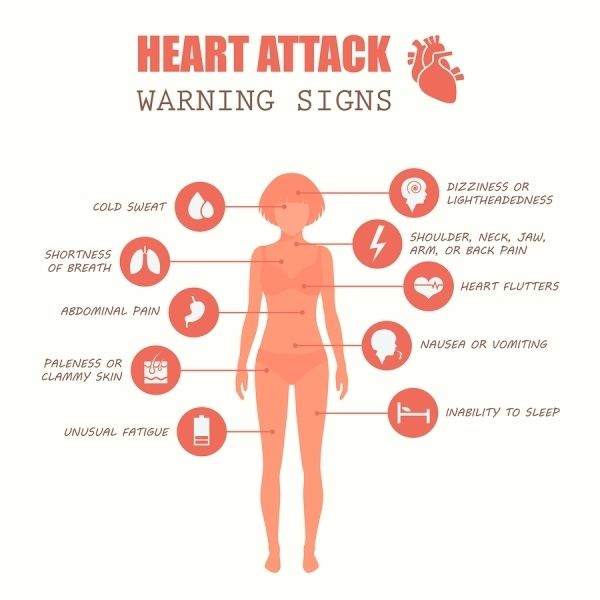
- Adverse Effects - Hormonal and Cardiovascular effects
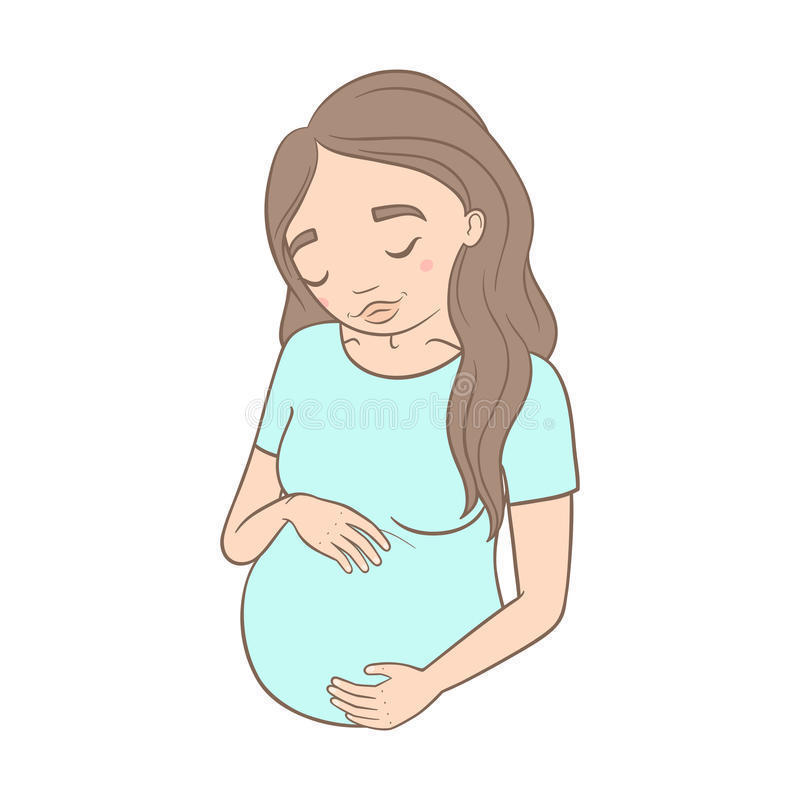
- Pregnancy & Childbirth
- -Diabetes Risk -Gestational Diabetes
- Menopause
- menopause can increase chances of CVA for females and should be managed by diet, exercise, regular physicals
- menopause can increase chances of CVA for females and should be managed by diet, exercise, regular physicals
- -Diabetes Risk -Gestational Diabetes
- Birth Control Pills
- Decrease Stress
- Manage Weight
- Female
- Measure Across Waist from Hip Bone (upper edge) to Hip Bone- For Females -> >33 inces/88 cm is overweight
- Measure Across Waist from Hip Bone (upper edge) to Hip Bone- For Females -> >33 inces/88 cm is overweight
- Male
- Measure Across Waist from Hip Bone (upper edge) to Hip Bone - For Males -> >40 inces/102 cm is overweight
- Measure Across Waist from Hip Bone (upper edge) to Hip Bone - For Males -> >40 inces/102 cm is overweight
- Female
- Shop With Care
- -Read labels -Assess caloric intake
- -Read labels -Assess caloric intake
3. Treatment/Rehab
- Social Support
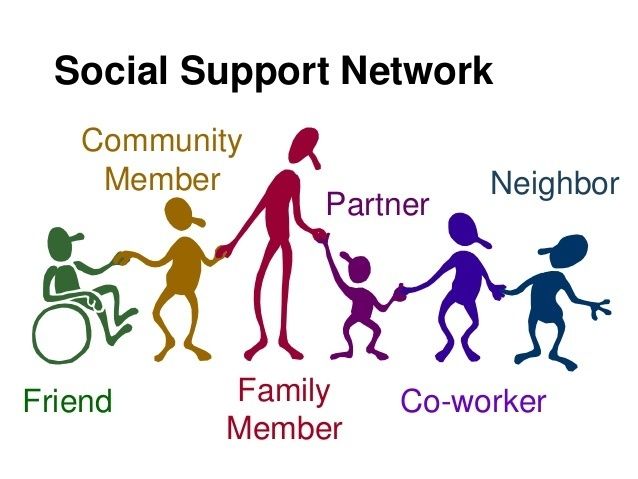
- Include Family and friends in rehab and care for CVA Clients
- Include Family and friends in rehab and care for CVA Clients
- Medication
- Anticoagulant, blood thinner, Aspirin
- Anticoagulant, blood thinner, Aspirin
- Exercise Sessions
- Social Support
1.Assessment
- Nursing Subjective
- -Fatigue -Nausea -Pain-> Angina -Cramps -Anxiety -Nocturia
- Family Cardiac History
- -Predisposition - History of Hypertension -Male -Older Adult -Hyperlipidemia
- -Predisposition - History of Hypertension -Male -Older Adult -Hyperlipidemia
- Hypertension
- Systole > 30 mmHg than Baseline Diastole <15 mmHg than Baseline
- Systole > 30 mmHg than Baseline Diastole <15 mmHg than Baseline
- Personal Habits (Cardiac Risk Factors)
- -Smoking -Obesity -Increased Caloric Intake -Sedentary Lifestyle
- -Smoking -Obesity -Increased Caloric Intake -Sedentary Lifestyle
- Hypotension
- -Fatigue -Nausea -Pain-> Angina -Cramps -Anxiety -Nocturia
- Nursing Objective (I.P.P.A)
- -Cough -Dyspnea -Vomiting
- Inspection
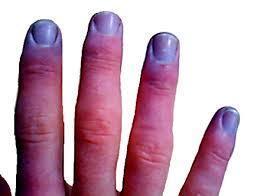
- Pallor/Cyanosis
- Vasoconstriction
- Cool/moist Skin
- Dilated Pupils
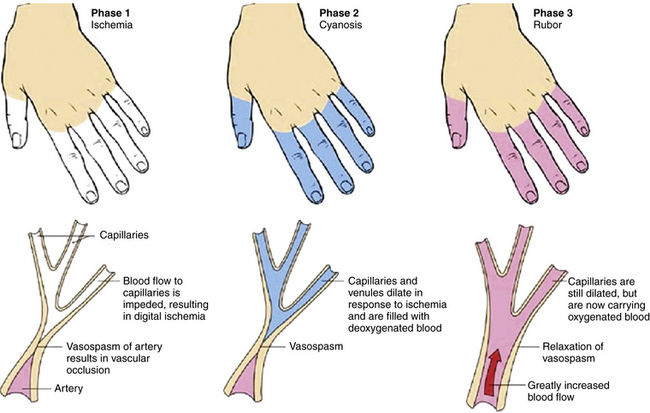
- Reynaud's Phenomenon
- Decreased Urine Output
- Erythema
- Vasodilation
- Vasodilation
- Lymphedema
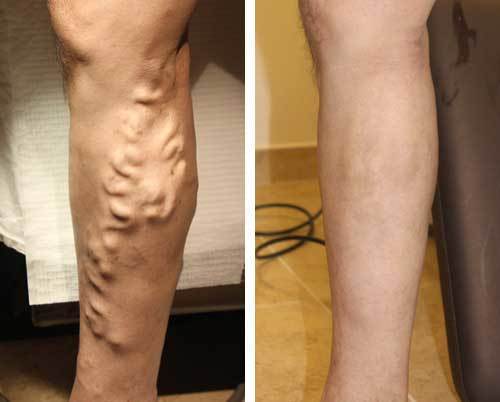
- Varicose Veins
- Falling O2 Sat
- Capillary Refill >2seconds
- Capillary Refill >2seconds
- Pallor/Cyanosis
- Palpation
- Palpate Apical Pulse 4th ICS
- Pulsations
- Heave/lift
- Heave/lift
- Auscultate
- Z-Pattern with Stethoscope
- Thrill
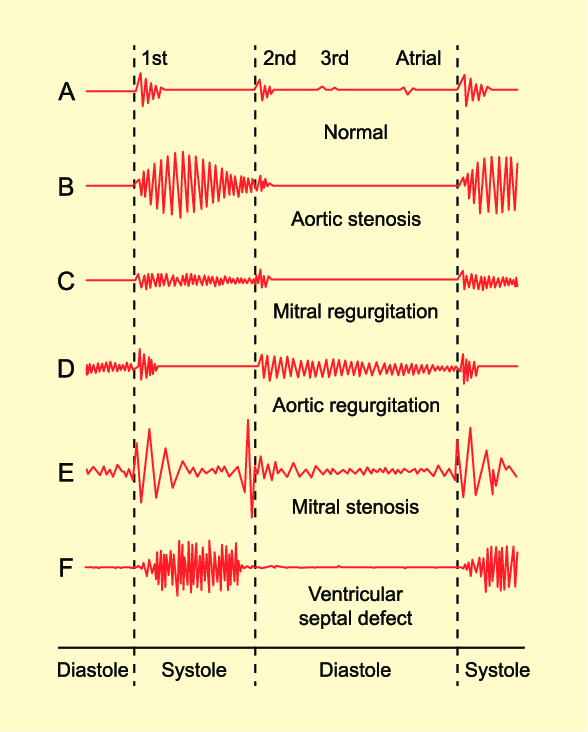
- Murmer
- Bruits
- Sinus Arrythmia
- Extra Heart Sounds
- -S3 (Ventricular Gallop) -> Heart Failure and Overload -S4 (Atrial Gallop)
- -S3 (Ventricular Gallop) -> Heart Failure and Overload -S4 (Atrial Gallop)
- -Cough -Dyspnea -Vomiting
- Contraindications
- Hormone Replacement
- Oral Contraceptives
- Assessment Tools
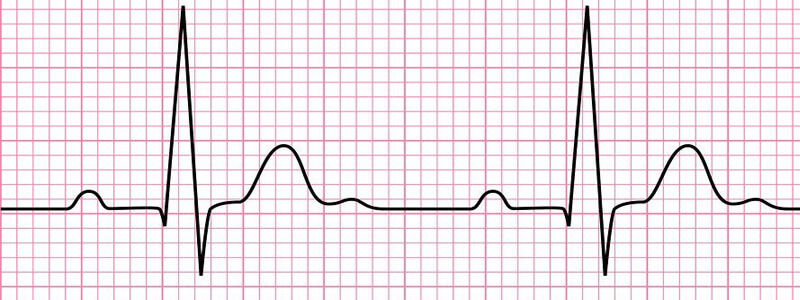
- ECG
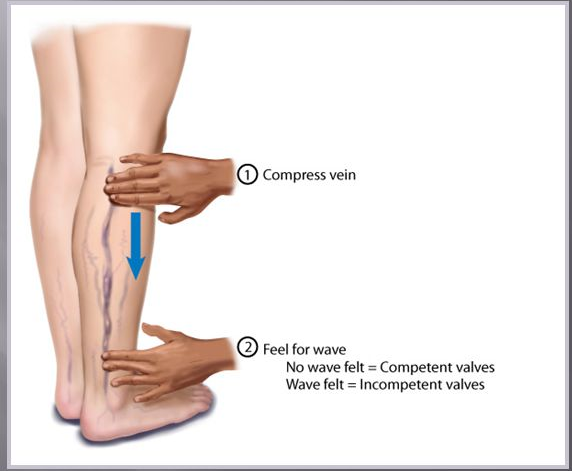
- Manual Compression Test
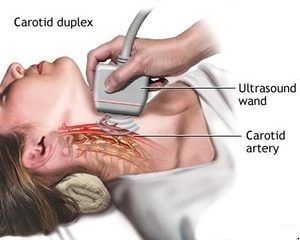
- Doppler Ultrasound
- Perform Ankle-Brachial Index
- Perform Ankle-Brachial Index
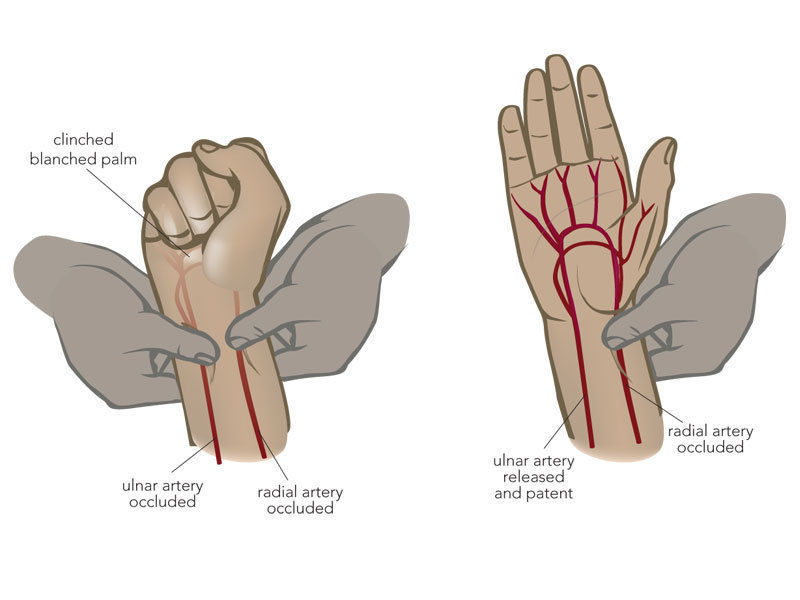
- Modified Allen Test
- Manifestations
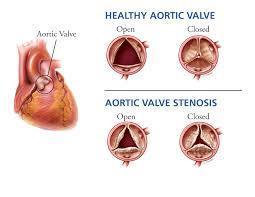
- Aortic Stenosis & Pulmonic Stenosis
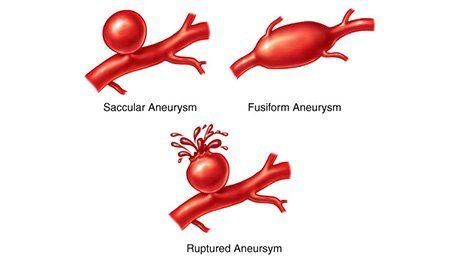
- Anuerysm
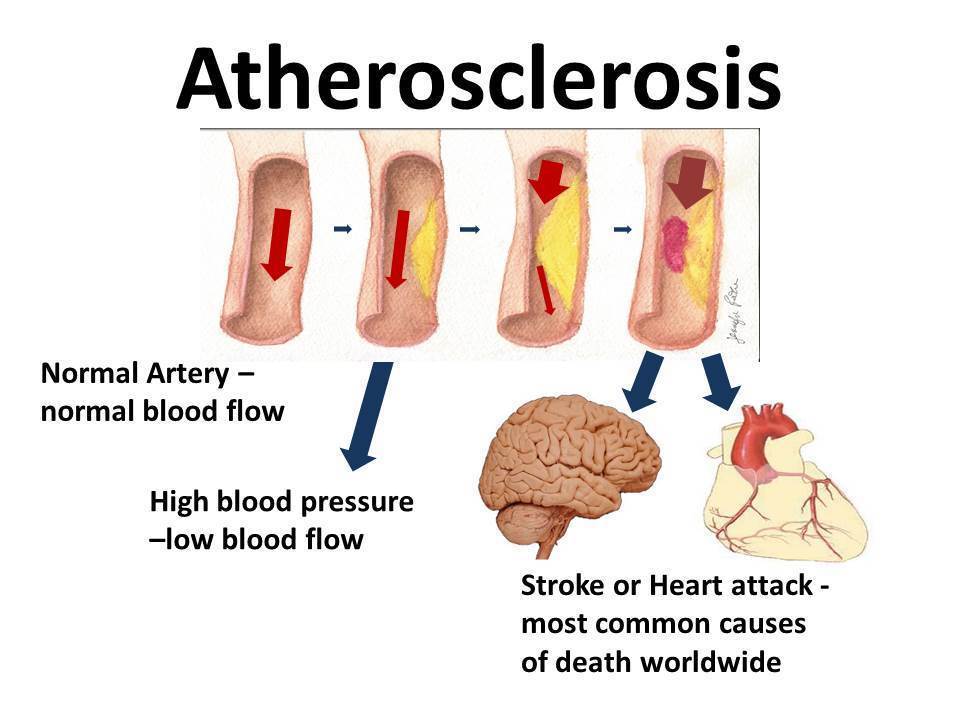
- Atherosclerosis
- -Occlusions -Thrombi -Emboli
- -Occlusions -Thrombi -Emboli
- Ulcers
- -Arterial Ischemic Ulcer -Venous Stasis Ulcer
- -Arterial Ischemic Ulcer -Venous Stasis Ulcer
- Infarct
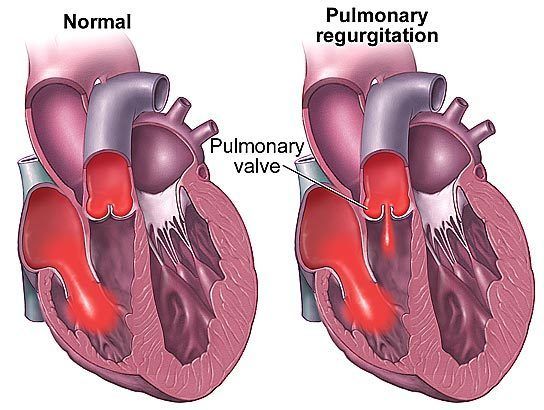
- Regurgitation in Heart Valves
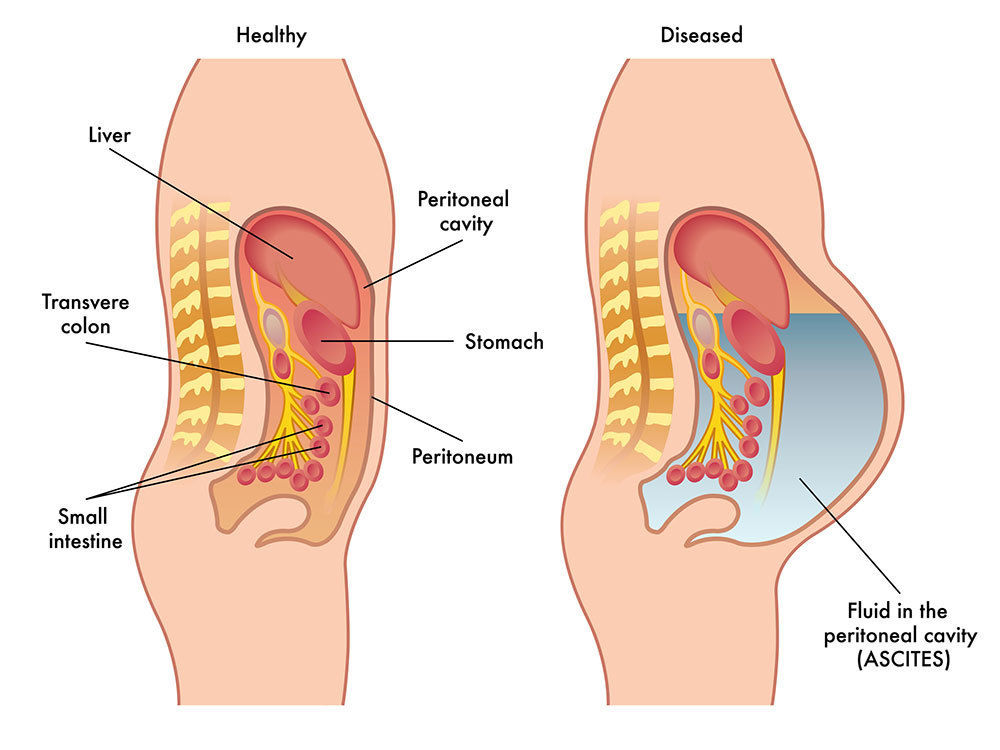
- Ascites
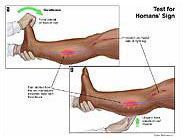
- HOMAN's Sign
- Associated With DVT
- Associated With DVT
- Nursing Subjective
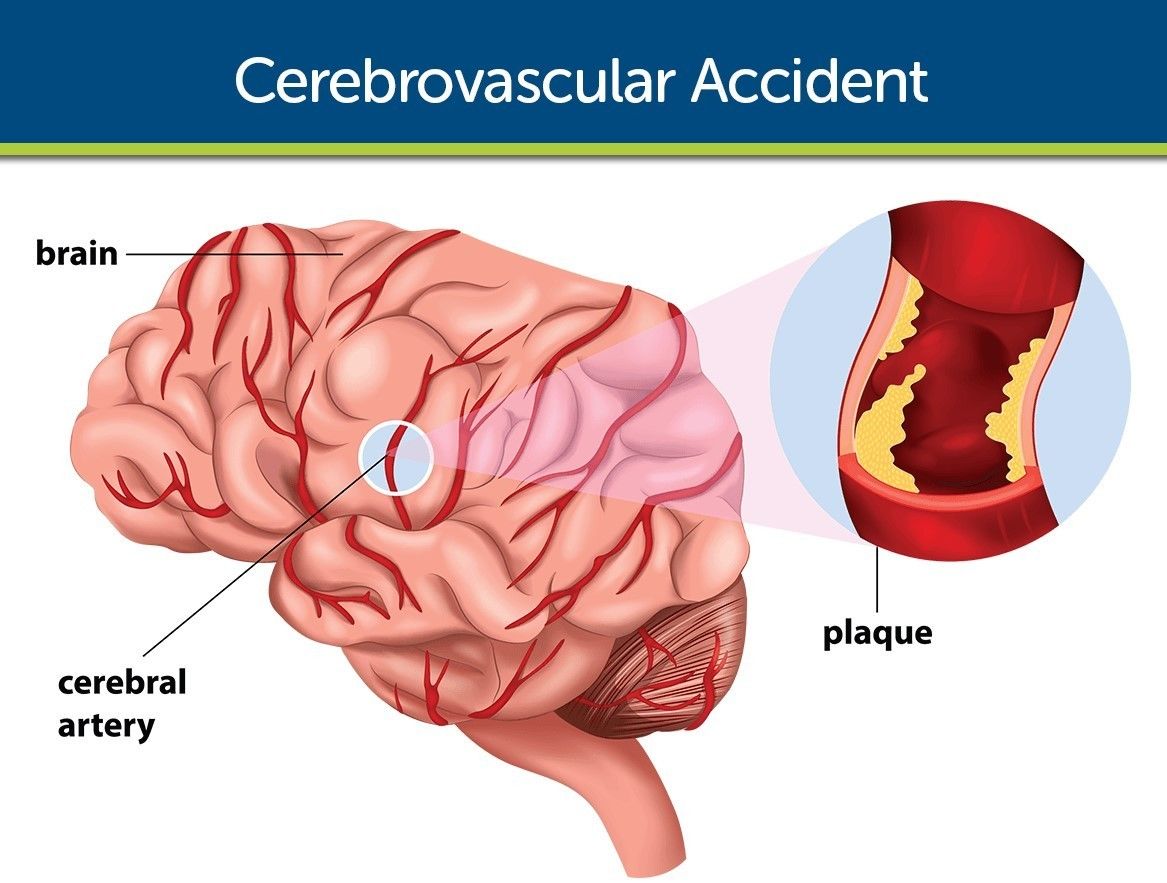
CEREBRAL VASCULAR ACCIDENT
- -Leading cause of disability -
- Disease Processes
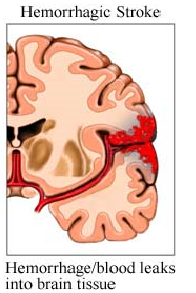
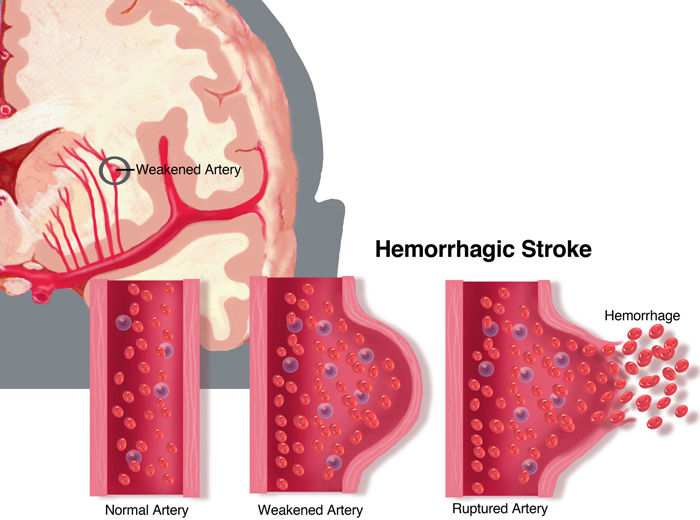
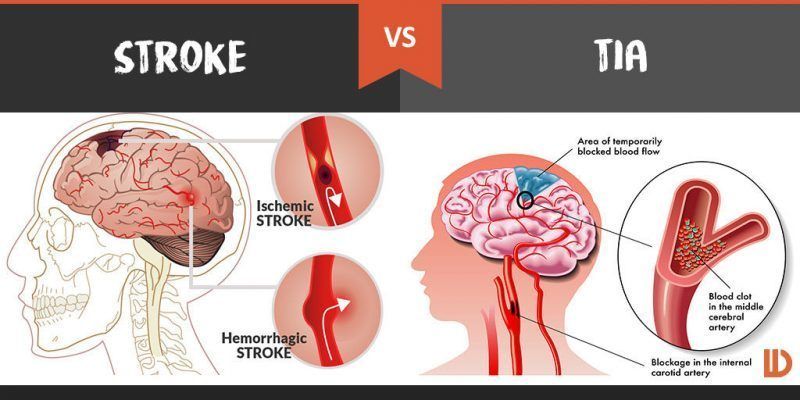
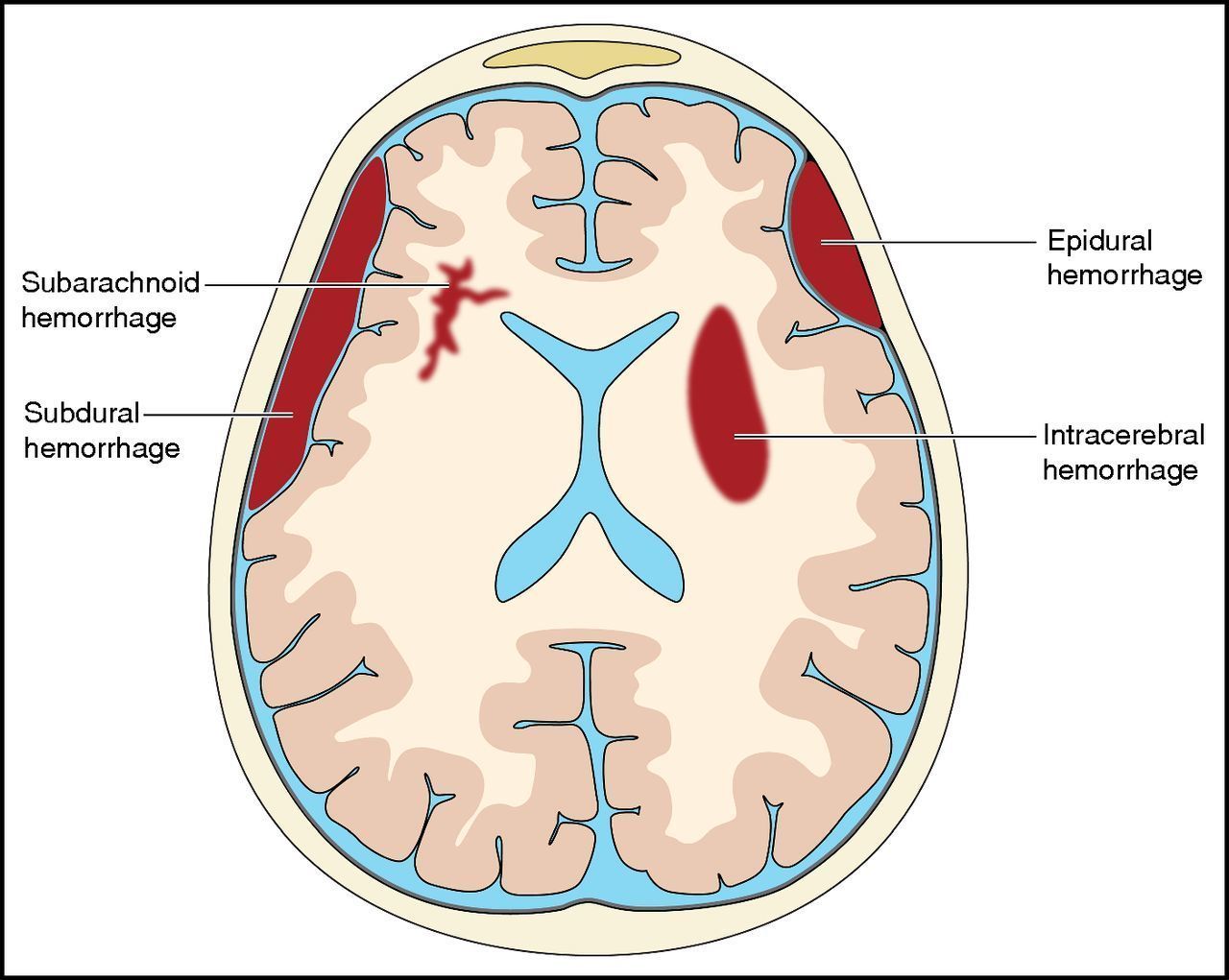
- 2. Hemorrhagic
- Less common CVA (13%)
- Primary Pathology
- bleeding causing direct damage to brain
- -Spontaneous bleeding of brain tissue -Rupture Cerebral Anuerysm - Bleeding from A-V Malformation
- Intracranial Hemorrhage
- Risk Factors
- 1. Hypertension 2. Polycystic Kidney Disease 3. Fibromuscular Dysphasia 4. Coarctation of Aorta 5. AV Malformation of Brain
- Hypertension
- Polycystic Kidney Disease
- Fibromuscular Dysphasia
- Coarctation of Aorta
- AV Malformation of Brain
- Cerebral edema
- Increased Intracranial Pressure
- Ventricles collapse
- "Coning" of brain stem
- Death in a few days
- -Loss of balance -Decreased Respiration Rate -Decrease Muscle tone
- Loss of balance
- Decreased Respiration Rate
- Decrease Muscle tone
- Death in a few days
- "Coning" of brain stem
- Ventricles collapse
- Increased Intracranial Pressure
- Risk Factors
- Subarrachnoid Hemorrhage
- Rupture of small atheresclerotic vessels Rupture of aneurysm AV malformation
- Rupture of small atheresclerotic vessels
- Rupture of aneurysm
- focal/general bleeding
- Rupture of aneurysm
- Intracereberal Hemorrhage
- -Spontaneous bleeding of brain tissue -Rupture Cerebral Anuerysm - Bleeding from A-V Malformation
- bleeding causing direct damage to brain
- Clinical Presentation
- Acute Onset Headache
- Severe increase of BP
- Localized Neurological signs
- Seizures
- Partial Loss of Conciousness
- Stupor, coma
- Partial Loss of Conciousness
- Seizures
- Localized Neurological signs
- Risk Factors
- 1. Hypertension 2. Older Adult 3. Drugs (cocaine, methamphetmines) 4. Vasculitis 6. AV Malformations 7. Trauma 8. Aneurysm 9. Erosion of Vessels (via Tumors) 10. Bleeding Disorder & Anti-coagulation therapy 11. Cerebral Amyloid Angiopathy
- 1. Hypertension 2. Older Adult 3. Drugs (cocaine, methamphetmines) 4. Vasculitis 6. AV Malformations 7. Trauma 8. Aneurysm 9. Erosion of Vessels (via Tumors) 10. Bleeding Disorder & Anti-coagulation therapy 11. Cerebral Amyloid Angiopathy
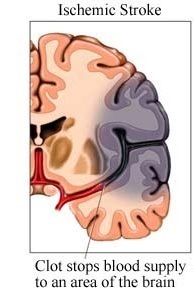
- 1. Ischemic Stroke
- -Most common CVA (87%) -Sudden, focal, and one-sided affected
- Clinical Presentation
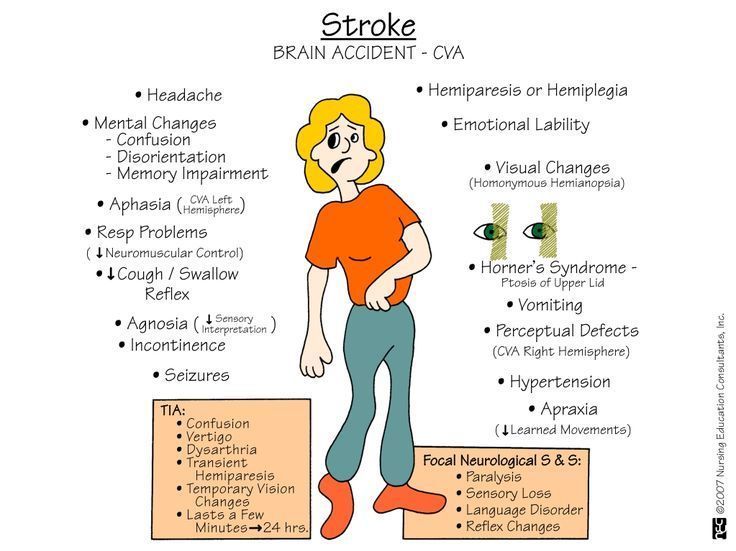
- -Weakness of face and arm, sometimes leg, unilateral numbness, vision loss in one eye, language disturbance, slurred speech, sudden imbalance
- -Weakness of face and arm, sometimes leg, unilateral numbness, vision loss in one eye, language disturbance, slurred speech, sudden imbalance
- Ischemic Stroke Classification
- 1. Large Artery Atherosclerosis, 2. Aorta-Cardioembolism, 3. Small Vessel Disease, 4. Other causes, 5. Undetermined Causes
- 1. Large Vessel Atherosclerosis 12.9% 2. Aorta-Cardio Embolism (36.5%) 3. Small Vessel Occlusion (13.9%) 4. Other determined/Undetermined causes (more than 1 primary cause) [26.4% - 42%]
- disruption of blood flow in tissue
- due to Cerebral vessel obstruction
- irreversible damage
- Blockage of Artery
- Venous Infarcts
- due to Cerebral vessel obstruction
- 1. Large Vessel Atheroembolism (LVA)
- Risk Factors
- 1. High BP
- 2. Older Adult
- 3. Hyperlipidemia
- 2. Older Adult
- 1. High BP
- Process
- Thrombi in Atherosclerotic Blood Vessel
- -Plaques formed in Inner Wall of Large Vessel - May affect both Extra and Intra-Cranial Arteries Common Sites: -Bifurcation of common carotid arteries -origins of vertebral arteries - middle cerebellar artery prior to trifurcation
- Plaque formation
- -Typically Large Territorial Stroke occurs first - Plaque forms at Arterial Bifurcation of Large Artieres
- Thrombus breaks
- Clot formation
- Strokes
- Aphasia, Visual field defects, monocular blindness
- Strokes
- Clot formation
- -Typically Large Territorial Stroke occurs first - Plaque forms at Arterial Bifurcation of Large Artieres
- -Plaques formed in Inner Wall of Large Vessel - May affect both Extra and Intra-Cranial Arteries
- Common Sites: -Bifurcation of common carotid arteries -origins of vertebral arteries - middle cerebellar artery prior to trifurcation
- Thrombi in Atherosclerotic Blood Vessel
- Risk Factors
- 2. Aorta-Cardioembolism
- Risk Factors
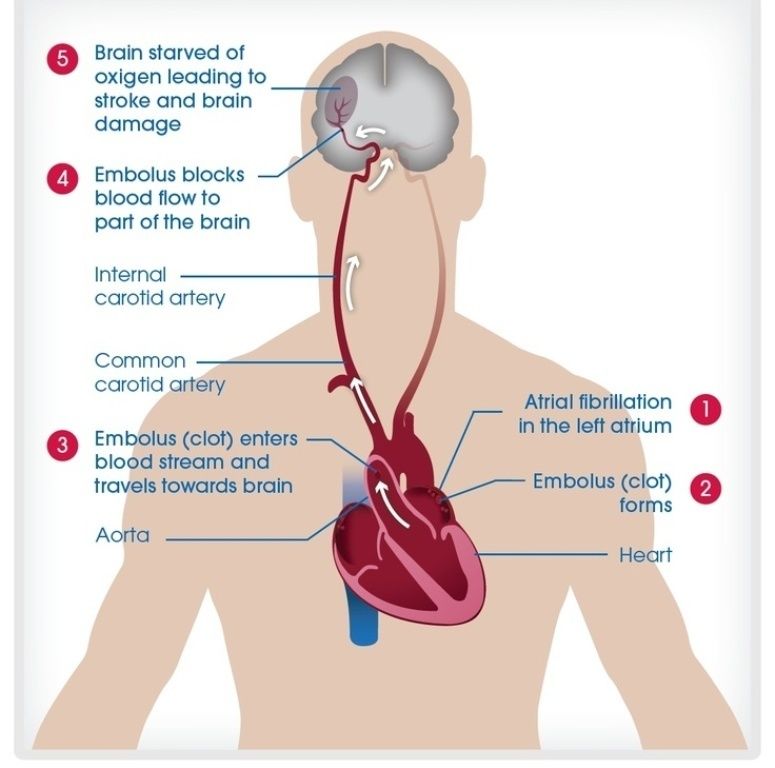
- 1. Rheumatic Heart Disease 2. Atrial Fibrillation 3. Bacterial Endocarditis 4. Myocardial Infarction 5. Ventricular Aneurysm
- 1.Atherma
- Emboli originating from Aortic Arch
- 2. Intracardiac stasis of blood
- 3. Thrombogenic Lesion
- 4. Thrombogenic Damage
- Prosthetic Valve
- 4. Thrombogenic Damage
- 3. Thrombogenic Lesion
- Emboli originating from Aortic Arch
- Process
- Blood Clot formation in Heart/Aorta
- Clot formation from Thrombi in Left Heart or Atheresclerotic Plaque in Carotid Artery
- Clot enters Circulation
- Clot lodge in Cerebral Artery
- Commonly: 1. Occurs in more than 1 arterial distribution 2. Often Former Anterior circulation Note: The larger the emboli, the larger the stroke
- "Shower of Emboli"
- Scattershot appearance on MRI
- Many small acute infarcts
- Commonly: 1. Occurs in more than 1 arterial distribution 2. Often Former Anterior circulation Note: The larger the emboli, the larger the stroke
- Clot lodge in Cerebral Artery
- Clot formation from Thrombi in Left Heart or Atheresclerotic Plaque in Carotid Artery
- Blood Clot formation in Heart/Aorta
- Risk Factors
- 3. Small Vessel Disease
- <15 mm wide -Usually located in brain stem
- Process
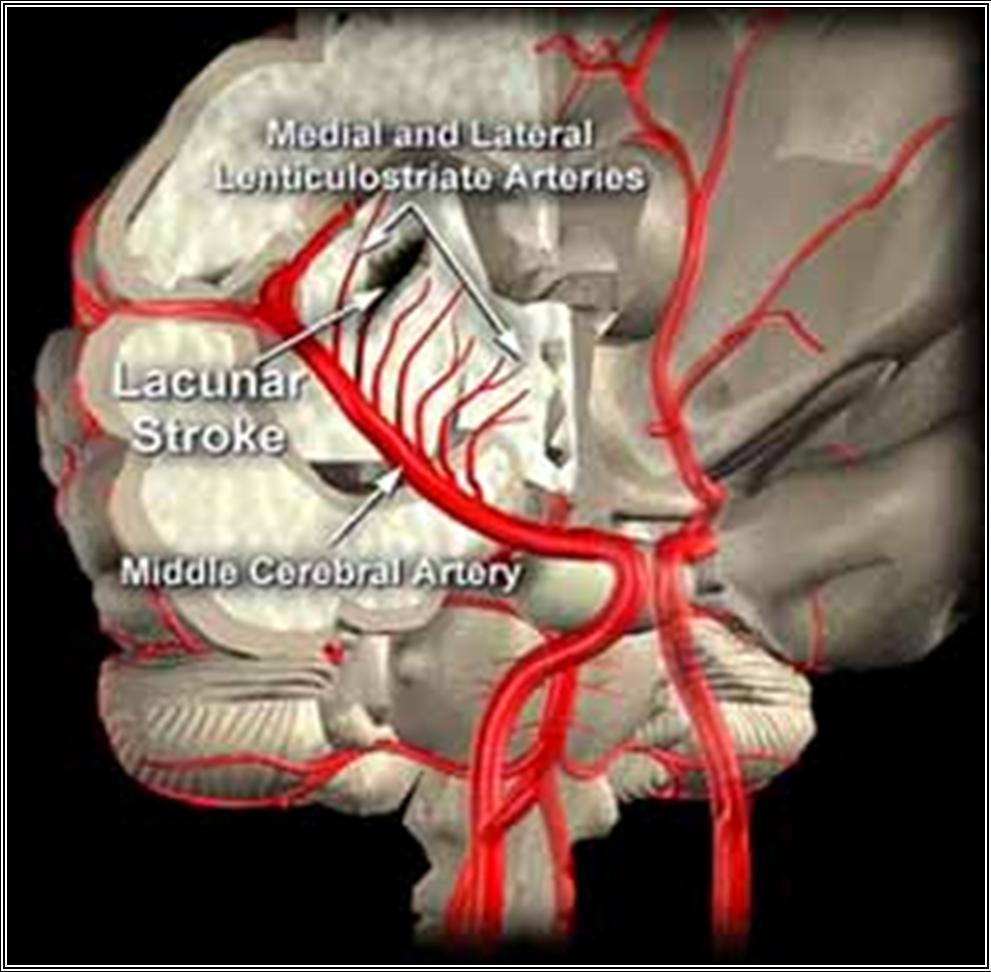
- occlusion of smaller penetrating branches of larger vessels
- Common Sites: -Middle Cerebral and Posterior Cerebral Arteries-deep areas of the hemispheric white mater-White mater: Internal Capsule- Ponds in the midbrain- Thalamus
- Small Infarctions
- < 1.5 cm -> Classic Lacunar Syndromes: 1. Pure motor symptoms (Face + Arm or Arm+leg) 35-50% 2. Pure sensory 3. Mixed sensorimotor 4. Other lacunar Syndromes due to posterior circulation 5. Ataxic Hemiparesis (Weakness on one side with disproportinate clumsiness (ataxia) on one side 6. clumsy hand dysarthia (clumsiness of either hand, weakness of arm, and slurred speech)
- Pure Motor Hemiplagia, Pure Sensory Hemiplagia and Dysarthria with clumsy hand syndrome
- < 1.5 cm -> Classic Lacunar Syndromes: 1. Pure motor symptoms (Face + Arm or Arm+leg) 35-50% 2. Pure sensory 3. Mixed sensorimotor 4. Other lacunar Syndromes due to posterior circulation 5. Ataxic Hemiparesis (Weakness on one side with disproportinate clumsiness (ataxia) on one side 6. clumsy hand dysarthia (clumsiness of either hand, weakness of arm, and slurred speech)
- Common Sites: -Middle Cerebral and Posterior Cerebral Arteries-deep areas of the hemispheric white mater-White mater: Internal Capsule- Ponds in the midbrain- Thalamus
- occlusion of smaller penetrating branches of larger vessels
- Risk Factors
- 1. Chronic Hypertension 2. Diabetes
- 1. Chronic Hypertension 2. Diabetes
- 5. Undetermined Causes
- 1. Cardiac conduction 2. Clinical situations where complete work has not been done 3. More than 1 cause 4. Watershed Infarct - Regional or global
- 1. Cardiac conduction 2. Clinical situations where complete work has not been done 3. More than 1 cause 4. Watershed Infarct - Regional or global
- 4. Other Causes
- 1. Extracranial Arterial Dissection 2. Vasospasm Associated with Subarrachnoid Hemmorhaging 3. Broad Array of Hereditary arteriopathy 4. Primary cerebral Vasculitis 5. Migrane 6. Vessel Dissection5. Coagulopathies
- 1. Extracranial Arterial Dissection 2. Vasospasm Associated with Subarrachnoid Hemmorhaging 3. Broad Array of Hereditary arteriopathy 4. Primary cerebral Vasculitis 5. Migrane 6. Vessel Dissection. Coagulopathies
- 1. Large Artery Atherosclerosis, 2. Aorta-Cardioembolism, 3. Small Vessel Disease, 4. Other causes, 5. Undetermined Causes
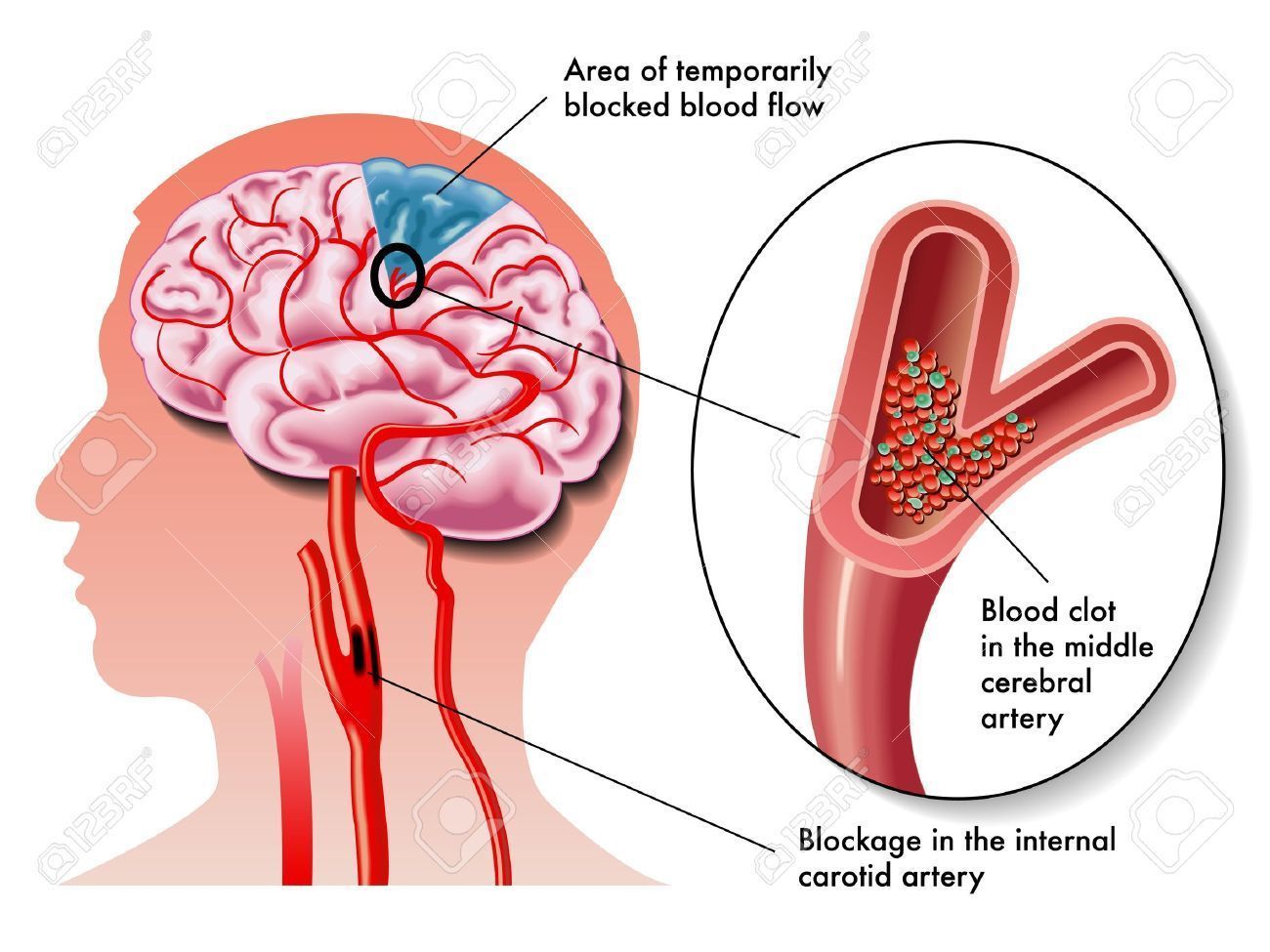
- . TIA
- No infarction occurs with TIA
- resolved in 24 hours
- Temporary disturbance in cerebral blood flow
- Treated as Emergency
- Reversible
- 2. Hemorrhagic
- Stroke
- Damage to neurons in brain and Spinal cord
- -Leading cause of disability
Images and files in the map






Information
- Description
- Mind Map on Nursing and Collaborative Care, created by Khalil Noori on 28/04/2018.
- Created by
- Khalil Noori · Apr 2018
- Updated
- Jun 1, 2018
- Views
- 32
- Rating