
15550072
Description

Mind Map by Fatima Alkhateeb, updated more than 1 year ago

|
Created by Fatima Alkhateeb
over 7 years ago
|
|
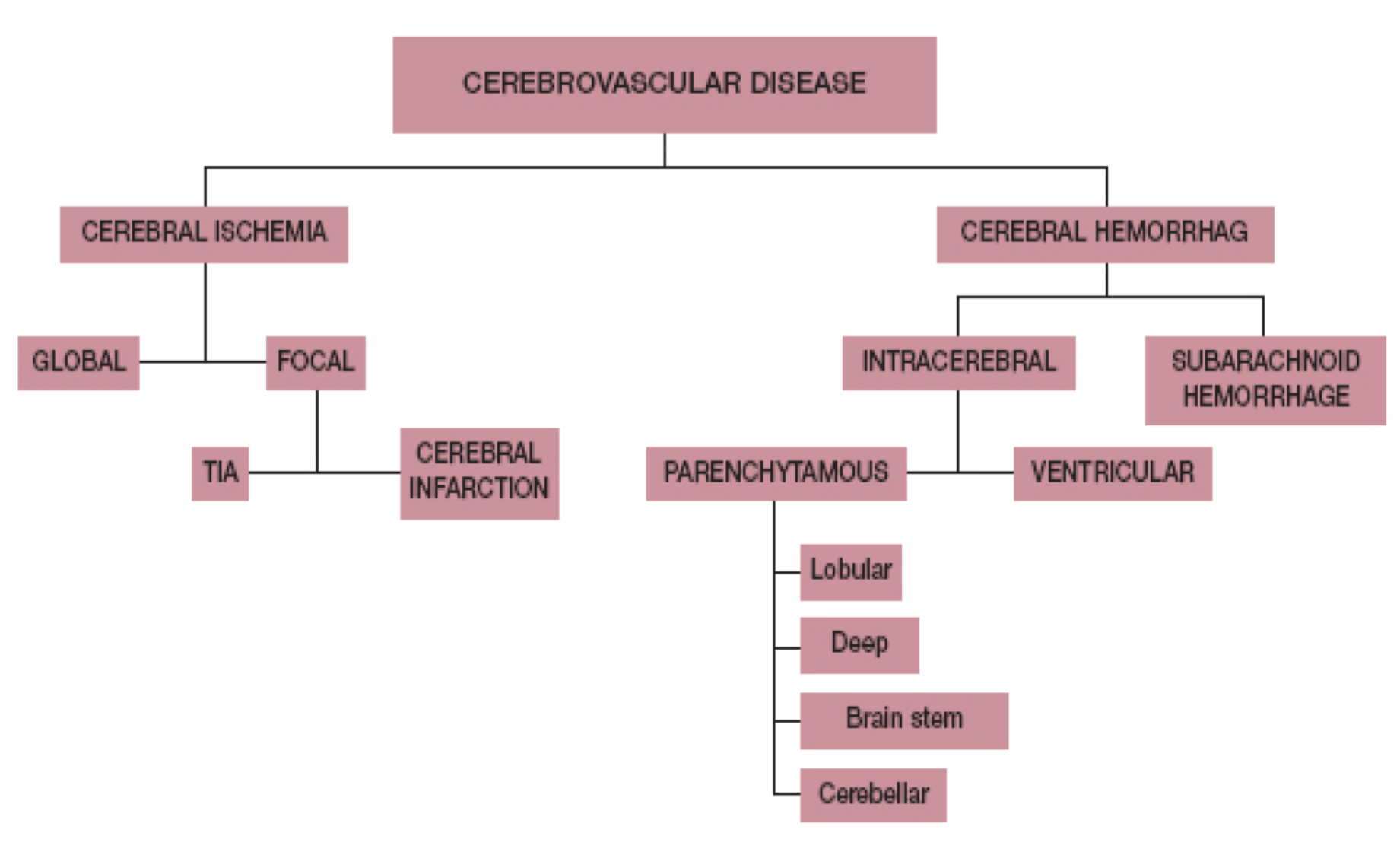
Stroke
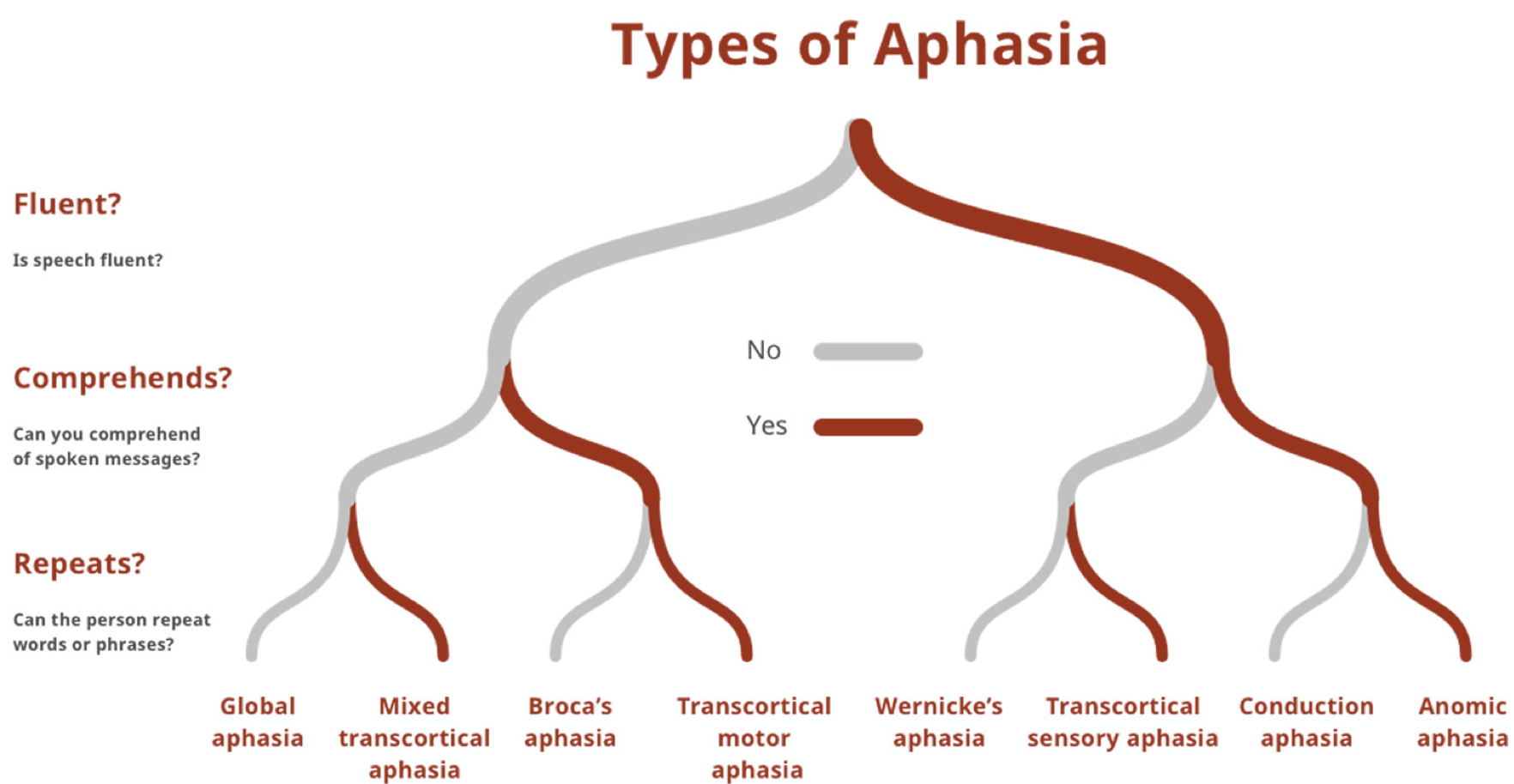
- Aphasia and speech
disorders
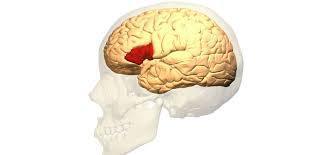
- Mechanism of speech
- Wernicke’s area retrieves
words, sentencestructure
- Sends it to Broca’s area via
the ArcuateFasciculus
- Broca formulates
an action plan
- Sends plan to primary
motor cortex
- Primary motor cortex refines it and
sends to the cranial nerves for speech
muscles via the pyramidal system
- Primary motor cortex refines it and
sends to the cranial nerves for speech
muscles via the pyramidal system
- Sends plan to primary
motor cortex
- Broca formulates
an action plan
- Sends it to Broca’s area via
the ArcuateFasciculus
- Wernicke’s area retrieves
words, sentencestructure
- Mechanism of speech
- Cerebral Blood Flow
Regulation Mechanisms
- Myogenic
- Chemical
- Cerebral
metabolism
- Mechanism of action by vasoactive metabolic mediators. (H+, K+,
NO)
- Mechanism of action by vasoactive metabolic mediators. (H+, K+,
NO)
- By PaO2 when <50mmHg:
Hypoxia increases CBF by
causing cerebral vasodilatation.
- ↓pH directly causes
vascular smooth
muscles dilatation
- ↓pH directly causes
vascular smooth
muscles dilatation
- Cerebral
metabolism
- ↑ in CPP causes ↑ in transmural vessel
tension → depolarization of vascular
smooth muscle & constriction
- Chemical
- Risk factors
- Non-modifiable
- Modifiable
- Smoking
- Diet
- Excersice
- Excersice
- Diet
- Smoking
- Age
- Genetics
- Gender
- Gender
- Genetics
- Modifiable
- Non-modifiable
- Myogenic
- Pathology
- Prevelance
- 15 million people suffer stroke worldwide each year. Of
these, 5 million die and another 5 million are permanently
disabled
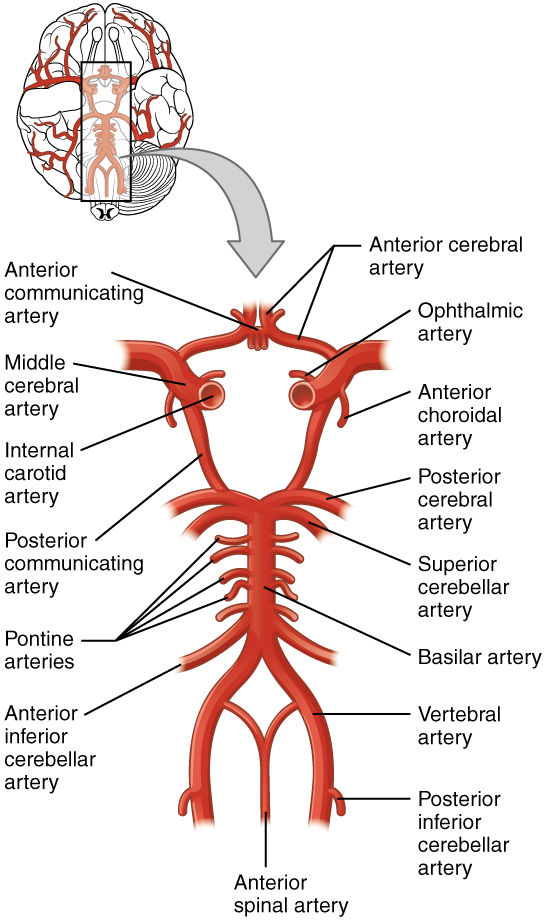
- Blood
supply
- Complications
- Brain
edema
- Pneumonia
- UTI
- Seizures
- Deep Venus
thrombosis
- Deep Venus
thrombosis
- Seizures
- UTI
- Pneumonia
- Brain
edema
- Complications
- Physical
examination
- Cranial
examination
- Upper and lower
examination
- Upper and lower
examination
- Investigations
- CT
- MRI
- Blood tests
- Blood
pressure
- Blood
pressure
- Blood tests
- MRI
- Management
- reduce the ongoing
neurologic injury and
decrease mortality and
long-term disability
- prevent complications
secondary to
immobility and
neurologic
dysfunction
- Prevent stroke
recurrence
- Prevent stroke
recurrence
- prevent complications
secondary to
immobility and
neurologic
dysfunction
- Rehabilitations
- Physical
- Psychological
- Socioeconomic
- Socioeconomic
- Psychological
- Physical
- reduce the ongoing
neurologic injury and
decrease mortality and
long-term disability
- CT
- Cranial
examination
- Blood
supply
- 15 million people suffer stroke worldwide each year. Of
these, 5 million die and another 5 million are permanently
disabled
Media attachments
Want to create your own Mind Maps for free with GoConqr? Learn more.