
Mind map
Septic Shock

Map content
Septic Shock
Assessment
- Hemodynamic Assessments
- Decreased Systemic vascular resistance & Central venous pressure
- Tachycardia
- Decreased pulse pressure
- Hypotension
- Decreased pulse pressure
- Increased Pulmonary vascular resistance
- Unstable pulmonary artery pressure
- Unstable Cardiac Output
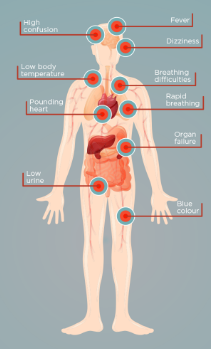
- Signs & Symptoms
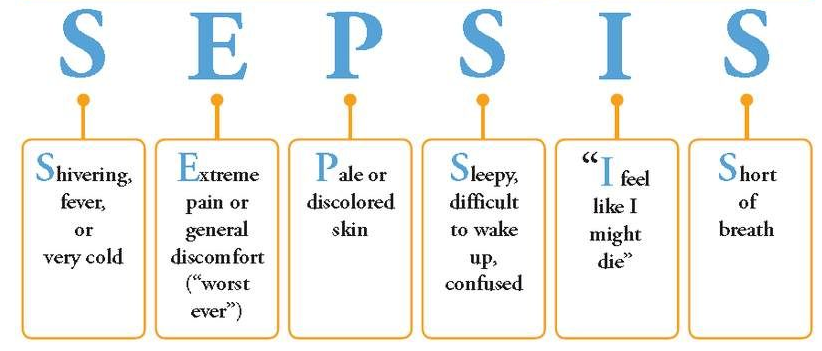
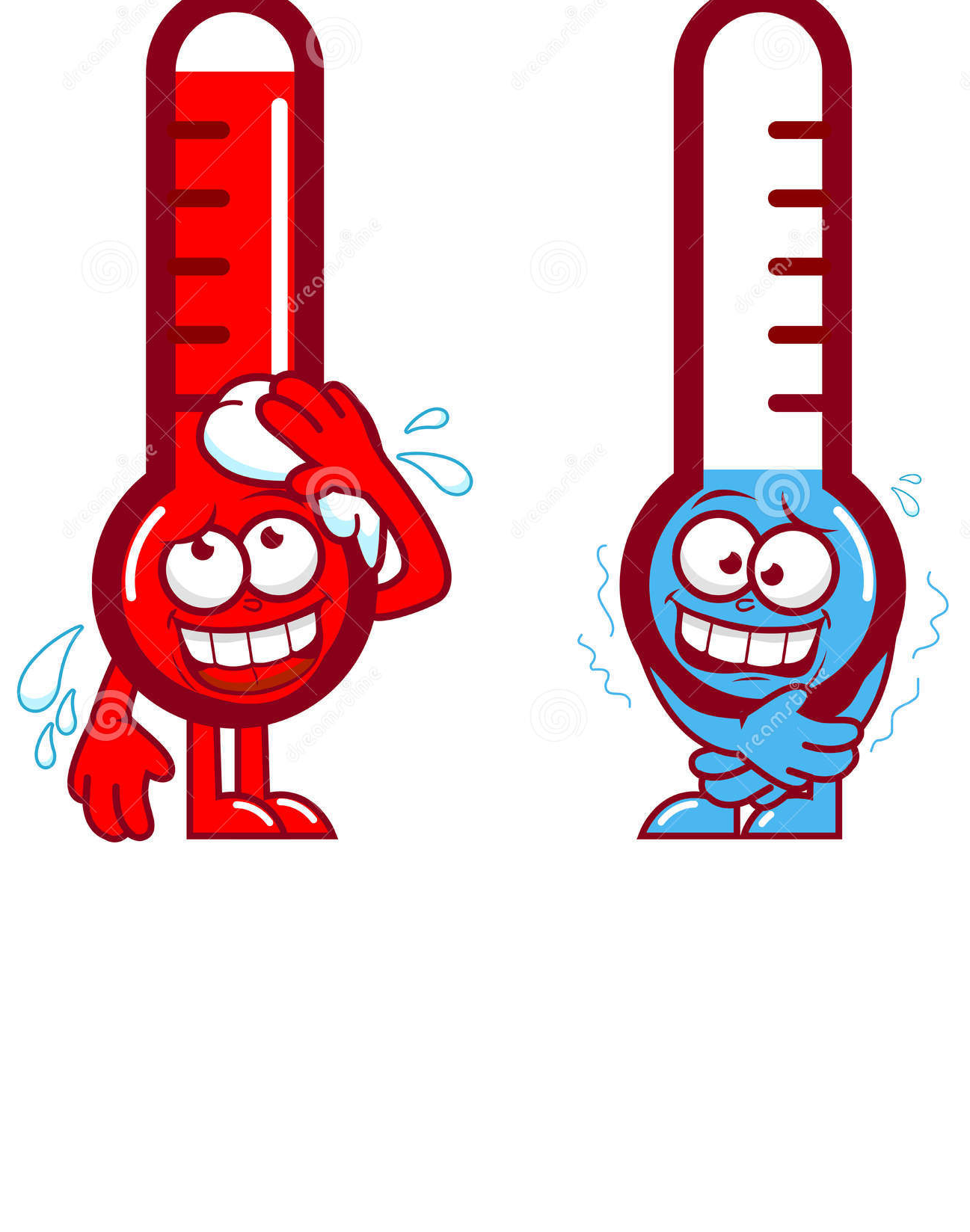
- Body temperature above 38.3 or below 36 degrees celsius
- Extreme temperature fluctuations (warm and flushed at early stages, cool at late stages)
- SOB, confusion, Light-headedness, lethargy
- Decreased Urine Ouput
- Respiratory rate >20 bpm, hyperventilation
- Low BP that does not respond to fluid replacement
- Heart rate > 90 bpm, palpitations
- Crackles, hypoxemia
- Agitation
- Body temperature above 38.3 or below 36 degrees celsius
- Risk Factors
- Age (newborns, older adult >65)
- Poor Nutrition
- Major Surgery
- Suppressed immune system (HIV, Chemotherapy)
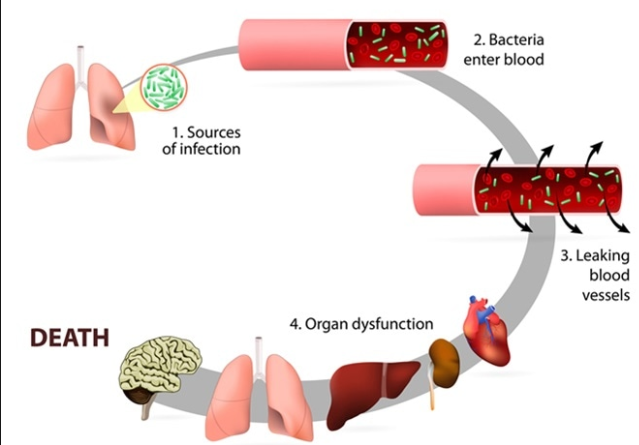
- Infection
- Exposure to catheters, breathing tubes, IV’s
- Viruses, Fungi, Parasites, Bacteria (gram negative - Escherichia coli and gram positive - Streptococcus pneumonia, Staphylococcus aureus)
- Extended Hospitalization
- Pneumonia
- Prior Comorbidities
- Diabetes
- Heart Failure
- Chronic Kidney Disease
- Cancer
- Hemodynamic Assessments
Diagnosis
- Septic Shock = the presence of sepsis with hypotension despite adequate fluid resuscitation, along with the presence of tissue perfusion abnormalities
- Sepsis is a systemic inflammatory response to infection.
- Diagnostic Tests & Assessments
- Patient History (i.e. infection, trauma, surgery)
- Hemodynamic Monitoring (i.e. arterial pressure, central venous pressure, pulmonary artery pressure)
- Systolic Arterial Pressure <90 mmHg
- Mean Arterial Blood Pressure <65 mmHg
- High Base Deficit
- Elevated lactate levels (>4mmol/L)
- 12-lead ECG & continuous cardiac monitoring
- Positive Blood Culture
- Blood, wound exudate, stool, urine, sputum, to determine microorganism causing infection.
- Decreased Platelet Levels
- Decreased Urine Sodium Levels
- Increased Glucose Levels
- Continuous Pulse Oximetry
- Septic Shock = the presence of sepsis with hypotension despite adequate fluid resuscitation, along with the presence of tissue perfusion abnormalities
Treatment
- Restore Tissue Perfusion
- Provide Fluid Ressucitation until the following labs are met: CVP = 15 mmHg, PAOP = 10-12mmHg
- 6-10 L of isotonic crystalloids & 2-4 L of colloids
- Supportive Therapy
- Obtain Blood Cultures
- Monitor Temperature
- Control Blood Glucose Levels (between 4.44-6.11 mmol/L)
- Prevent Stress Ulcers
- Oxygen Maintenance
- Secure a patent airway
- Provide Oxygen
- Initiate Mechanical Ventilation or intubation if needed
- Continuous Monitoring of oxygen saturation
- Drug Therapy
- Antibiotics
- Initially broad-spectrum antibiotics, then more specific antibiotics once microorganism has been identified
- Corticosteroids (i.e. Hydrocortisone)
- Increases heart rate, & Blood pressure
- Decreases capillary permeability
- Inotropes (i.e. Dobutamine)
- To offset decrease in stroke volume from vasopressor drugs
- Anticoagulants (i.e. low dose or low weight heparin, such as enoxzparin)
- Prophylaxis of deep vein thrombosis
- Histabine H2 Blockers (i.e. Pepcid)
- Stress ulcer prophylaxis
- Vasopressors (i.e. dopamine, norepinephrine, pressyn)
- Increases Systemic vascular resistance, central venous pressure, and pulmonary artery occlusive pressure
- increases blood pressure
- Stabilizes Cardiac Output
- Increases Vascular Tone
- increases Mean Arterial Pressure
- Increases Urine Output
- Antibiotics
- Restore Tissue Perfusion
Complications
- Risk of experiencing these complications depends on the following:
- Early Recognition
- Age (< one year or >65 years old)
- Prompt Treatment
- Pre-existing medical conditions
- Cause and Origin of Infection
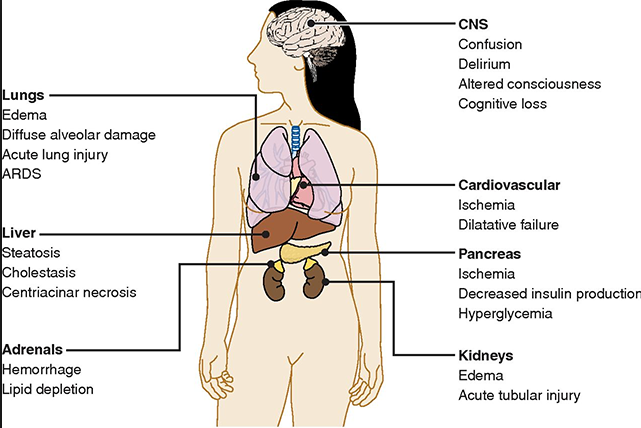
- Patients in Septic Shock at risk of experiencing:
- Abnormal blood clotting
- Heart Failure
- Respiratory Failure
- Loss of portion of extremities
- Stroke
- Liver Failure
- Loss of proportion of Bowel
- Kidney Failure
- Death
- Risk of experiencing these complications depends on the following:
By Devon Thompson & Deanna Armstrong
Images and files in the map




Information
- Description
- Mind Map on Septic Shock, created by Deanna Armstrong on 10/23/2018.
- Created by
- Deanna Armstrong
- Views
- 1
- Rating