
Mind map
A 36 year old woman with breast lump
Map content
A 36 year old woman with breast lump
Physiology of breast
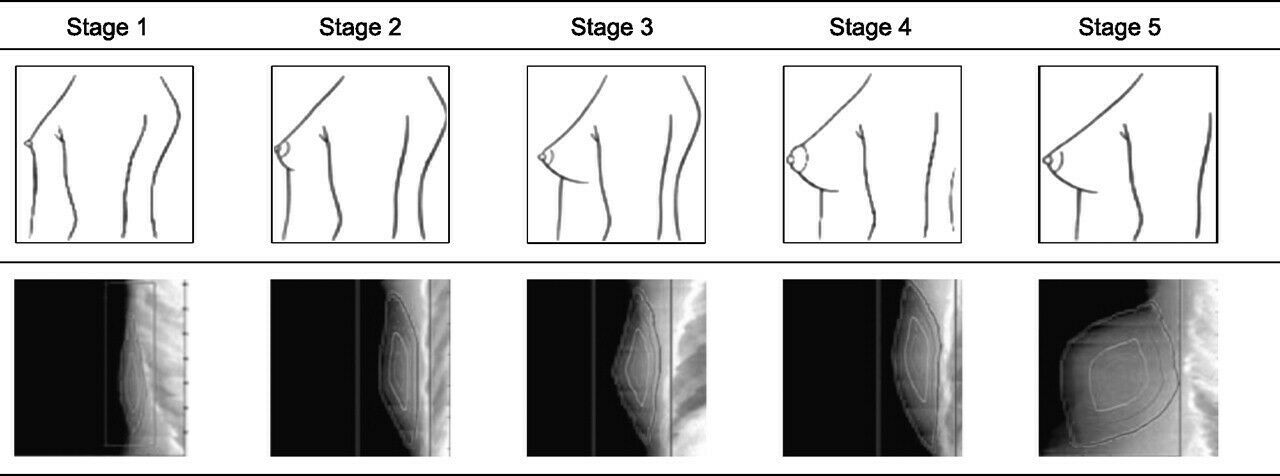
- Tanner Stages
- Estrogen
- involves in ductal development.
- Development of the stromal tissues of the breast.
- Deposition of fat in the breast.
- Progesterone
- Responsible for lobular development and differentiation of epithelium
- enlargement of alveolar cells which become secretory in nature
- Responsible for lobular development and differentiation of epithelium
- Prolactin
- is the most important hormone for lactogenesis in late pregnancy and postpartum period
- Lactation
- Mammogenesis
- Process of growth and development of mammary gland
- lactogenesis
- Initiation of milk secretion
- galactopoiesis
- Maintenance of milk secretion.
- Milk let-down reflex
- oxytocin
- contraction of myoepithelial cells
- oxytocin
- Mammogenesis
- Lactation
- is the most important hormone for lactogenesis in late pregnancy and postpartum period
- Tanner Stages
Went for routine health check
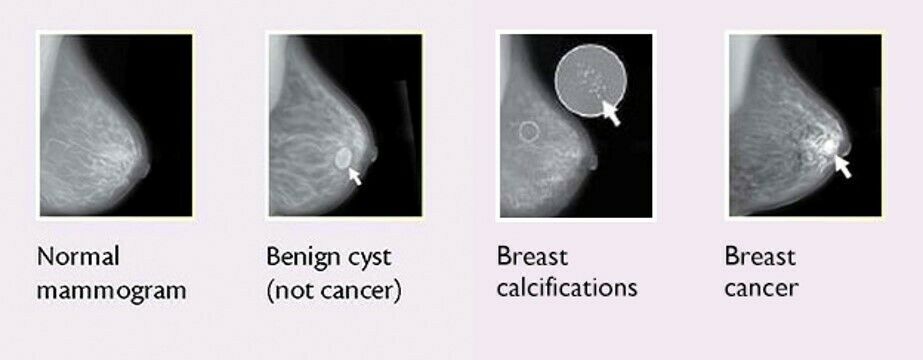
- mammogram performed
- lesions identified
- History was taken
- Family history of breast cancer
- Risk factor of breast cancer
- Female gender
- Advancing Age
- Ethnicity
- White women
- Radiation to Chest or Face Before Age 30
- Overweight and obese women
- first child after age 30
- Hormone Replacement Therapy)
- Alcohol \ smoking
- Early period and late menopause
- Risk factor of breast cancer
- Family history of breast cancer
- Physcial examination was performed
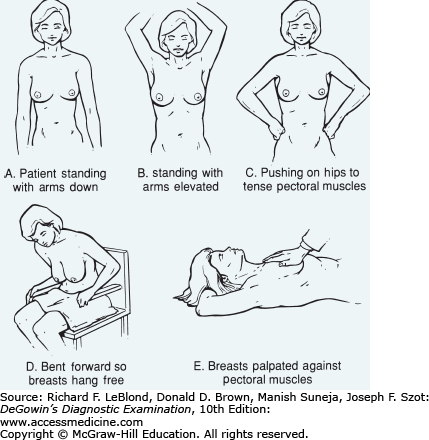
- Breast examination
- No palpable breast mass
- Wide local excision of breast lump performed
- Releaved infiltrating ductal breast carcinoma
- Breast carcinoma
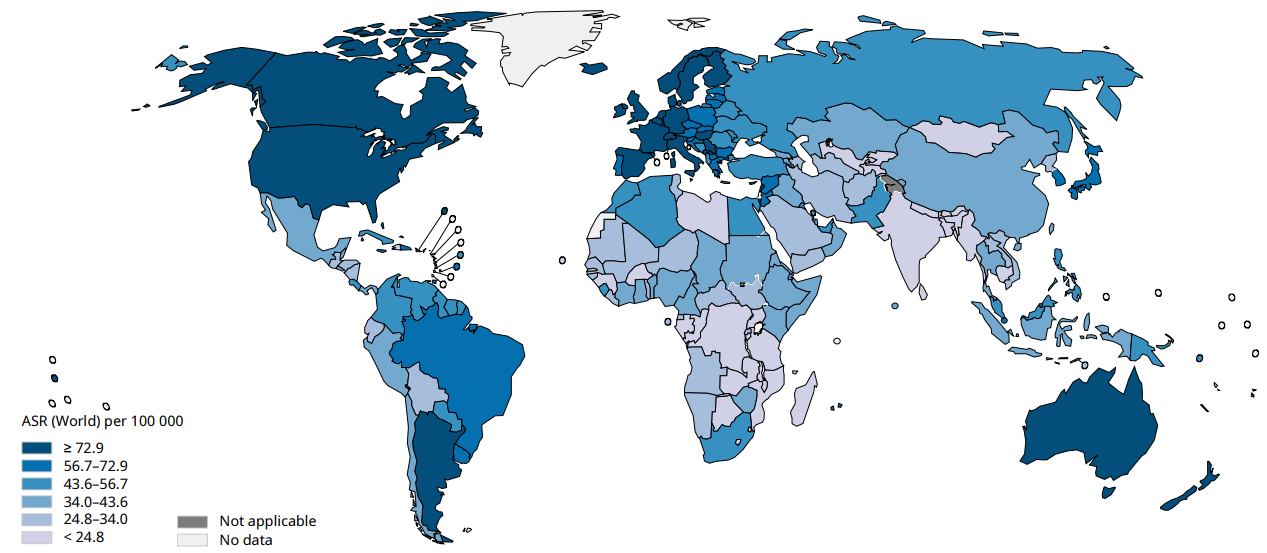
- Epidemiology
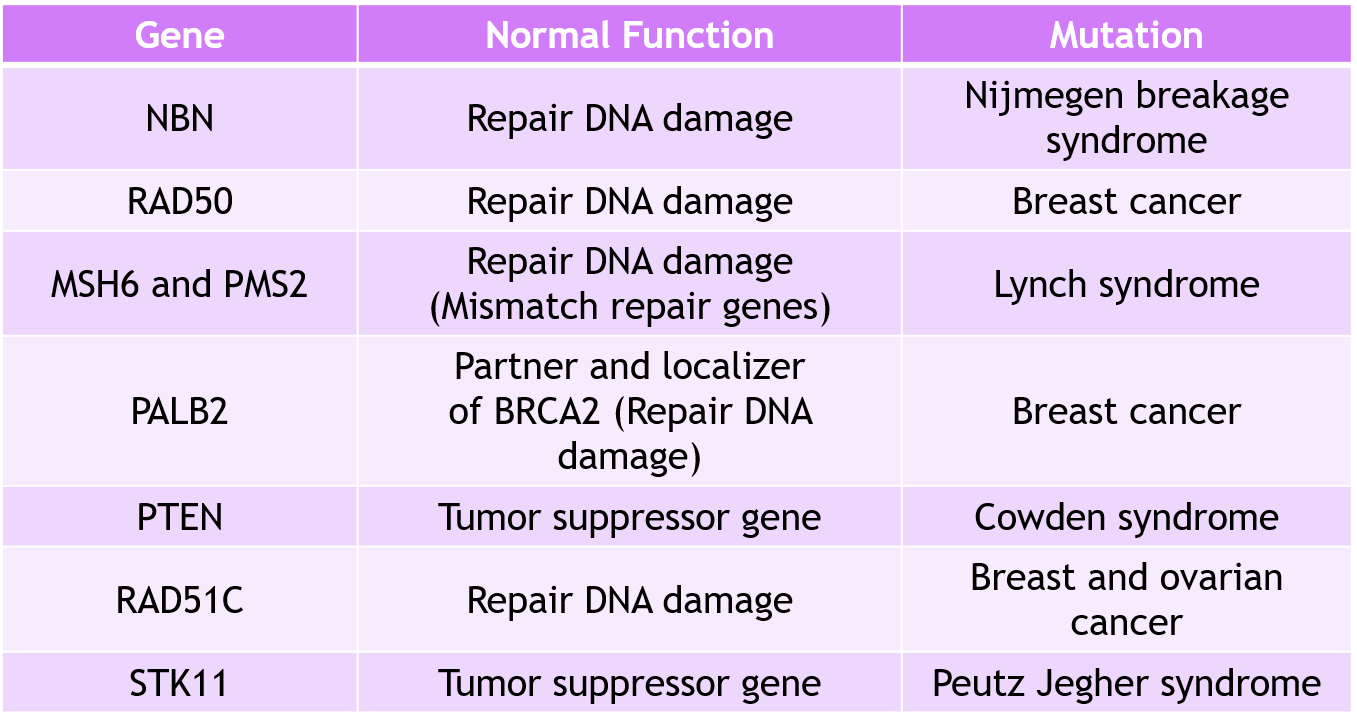
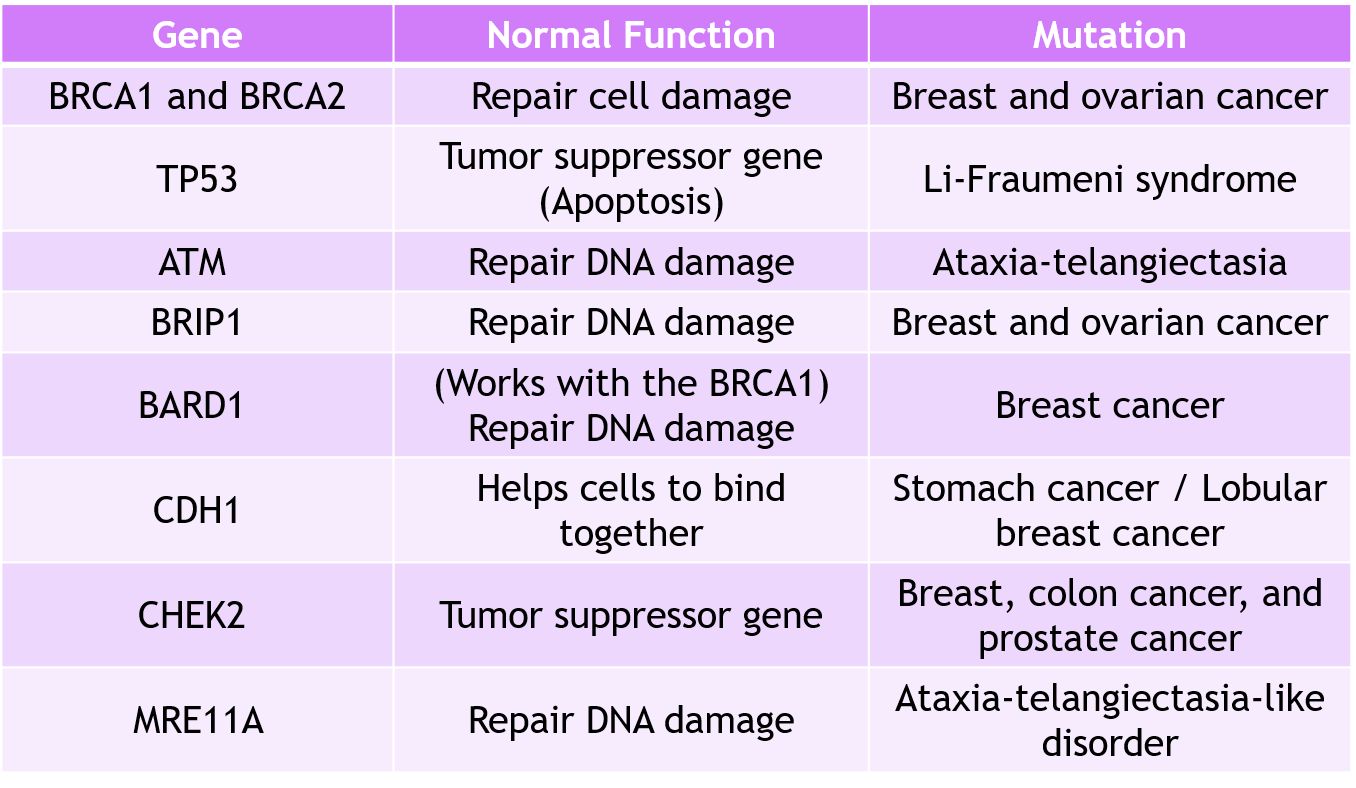
- Genetic Mutations
- Screening ?
- DNA Microarrays Technology
- hybridization between two DNA strands, the property of complementary nucleic acid sequences to specifically pair with each other by forming hydrogen bonds between complementary nucleotide base pairs.
- DNA Microarrays Technology
- Screening ?
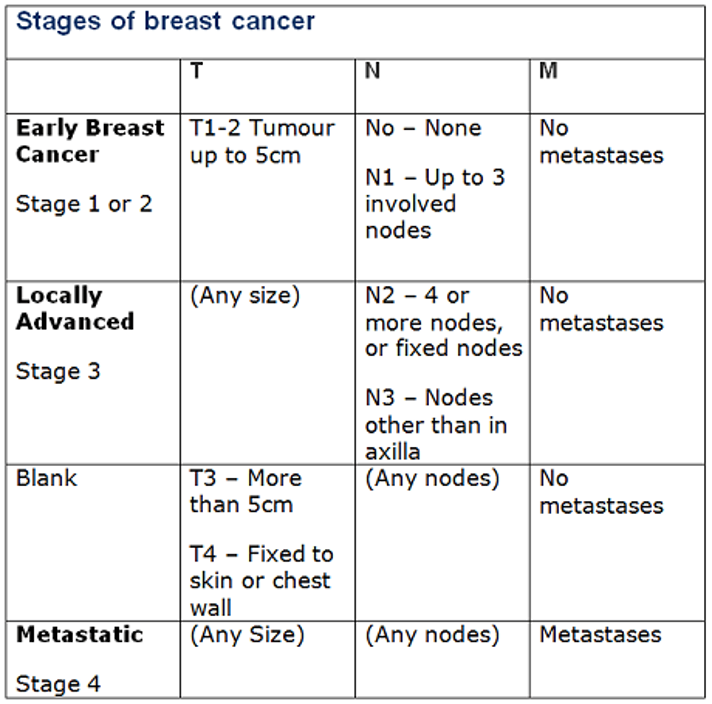
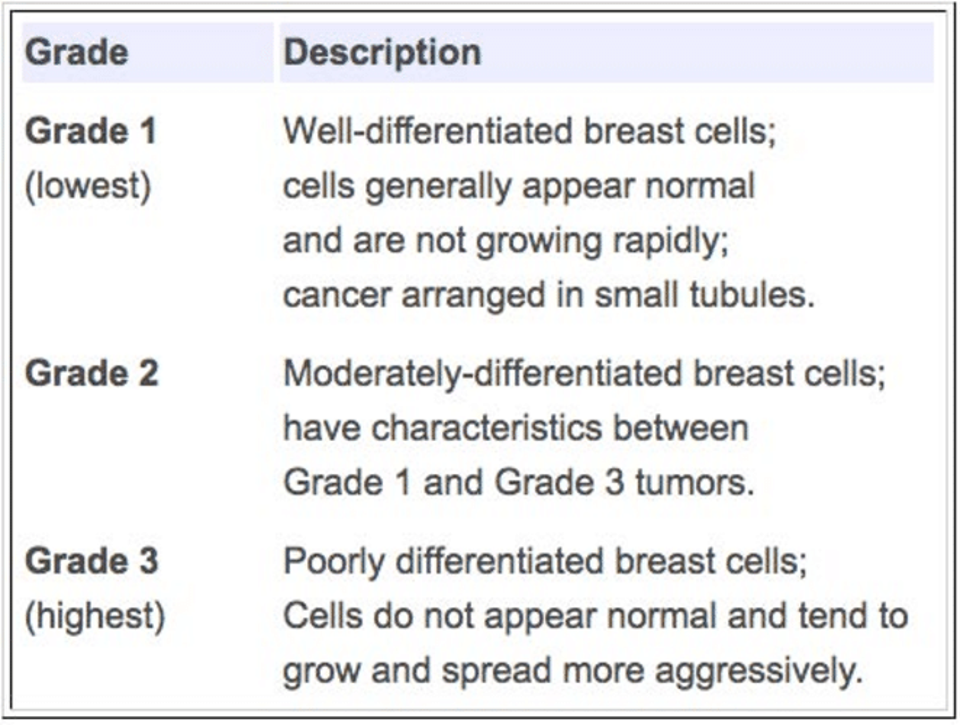
- Staging and grading
- Investigations
- Mammogram
- MRI
- Screening high-risk women
- Gathering more information about an area of suspicion
- Monitoring treatment
- Ultrasound
- Usually after mammogram
- Detect abnormality type
- Before mammogram to evaluate lump
- Biopsy
- Fine needle aspiration biopsy
- Core needle biopsy
- Vacuum-assisted breast biopsy (guided)
- Surgical Biopsy
- Blood tests
- Tumor markers
- Useful in
- Detecting the recurrence
- Monitoring the response to the treatment
- Serum Tumor Markers
- Cancer antigen 15-3 (CA 15-3)
- Cancer antigen 27.29 (CA 27.29)
- Carcinoembryonic antigen (CEA)
- Tissue Tumor Markers
- Estrogen and Progesterone Receptors
- Human Epidermal Growth Factor Receptor 2 (HER2)
- Useful in
- Tumor markers
- Management
- Local
- Surgery
- Pre-op preparation
- Discontinuation of Aspirin.
- CXR
- Echocardiogram
- Management of post-op pain
- Short-acting anesthetic bupivacaine.
- Psychoeducation
- Breast Reconstruction
- Implant reconstruction
- Associated with Anaplastic Large Cell Lymphom
- Autologous or "flap" reconstruction
- Indications
- previous radiotherapy, radical mastectomy with removal of the chest muscle and having a tight mastectomy scar
- Indications
- Tissue expansion
- Implant reconstruction
- Lumpectomy
- Indications
- small, early stage breast cancers.
- Contraindications
- Previous radiation\ Multiple masses\ Large tumor\ Diffuse malignant microcalcifications
- Advantages
- preserve the appearance\ less invasive surgery\ short recovery time
- Disadvantages
- Radiotherapy is needed after the surgery\ local recurrence\ additional surgeries may be needed
- Indications
- Mastectomy
- subtypes
- Radical mastectomy\ Modified radical mastectomy\ Simple mastectomy\ Skin-sparing mastectomy
- extensive, long recovery time and additional surgeries to reconstruct the breast are needed.
- less likely to need radiation
- Indications
- Previous radiation\ Multiple masses\ Large tumor\ Diffuse malignant microcalcifications
- subtypes
- Surgery to remove lymph nodes
- Sentinel lymph node biopsy
- Axillary lymph node dissection
- Pre-op preparation
- Radiation Therapy
- Surgery
- Systemic
- Chemotherapy
- Cyclophosphamide\ Doxorubicin\ Epirubicin\ Methotrexate\ Fluorouracil\ Paclitaxel\ Docetaxel
- Hormonal therapy
- ER (estrogen)-positive or PR (progesterone)-positive breast cancer.
- Targeted therapy
- HER2-targeted therapies
- Chemotherapy
- Local
- Follow up
- Doctor visits
- Mammograms
- Pelvic exams
- imaging tests
- x-ray, CT scan, PET scan, MRI scan, bone scan
- measure levels of blood tumor markers
- Prognosis
- The average 5-year survival rate for people with breast cancer is 90%. The average 10-year survival rate is 83%.
- spread to the regional lymph nodes, the 5-year survival rate is 85%
- spread to a distant part of the body, the 5-year survival rate is 27%
- spread to the regional lymph nodes, the 5-year survival rate is 85%
- The average 5-year survival rate for people with breast cancer is 90%. The average 10-year survival rate is 83%.
- Classification
- Ductal
- Ductal carcinoma in situ
- Releaved infiltrating ductal breast carcinoma
- Malignant proliferation of the cell in ducts.
- No invasion to the basement membrane
- It doesn’t produce a mass
- Detected as calcification
- Paget disease
- DCIS that extends up the ducts to involve the skin of the nipple
- Nipple ulceration and erythema
- DCIS that extends up the ducts to involve the skin of the nipple
- Invasive Ductal carcinoma
- Duct-like structure + desmoplastic stroma
- Present as a mass
- has four subtypes
- Tubular
- Tubule lacks myoepithelial cells
- Good prognosis
- Medullary
- High-grade cells + lymphocytes and plasma cells
- Good prognosis
- increase with BRCA 1
- Mucinous
- Tubule in mucus pools
- Good prognosis
- older women
- Inflammatory
- In dermal lymphatics
- Inflamed swollen breast
- Poor prognosis
- Tubular
- Ductal carcinoma in situ
- Tubular
- Lobular carcinoma in situ
- Malignant proliferation of the cell in lobule.
- No invasion
- No mass or calcification
- incidentally discovered
- Dyscohesive cells
- Multifocal and bilateral
- Invasive Lobular carcinoma
- Single file pattern
- Signet cell morphology.
- No duct formation
- lacks E-cadherin
- Lobular carcinoma in situ
- Ductal
- Molecular classification
- Luminal A
- ER+
- Luminal B
- ER+ , HER2+
- Her2 +ve
- ER-
- Basal like
- ER-,PR-,HER2-
- Luminal A
- Epidemiology
- Breast carcinoma
- Releaved infiltrating ductal breast carcinoma
- Wide local excision of breast lump performed
- No nipple changes
- No axillary lymphadenoapthy
- No palpable breast mass
- Breast examination
- History was taken
- Types of mammogram
- Screening mammography
- Diagnostic mammography
- Disadvantages
- False-positive results
- False-negative results
- Overdiagnosis and overtreatment
- screening guidelines
- lesions identified
- mammogram performed
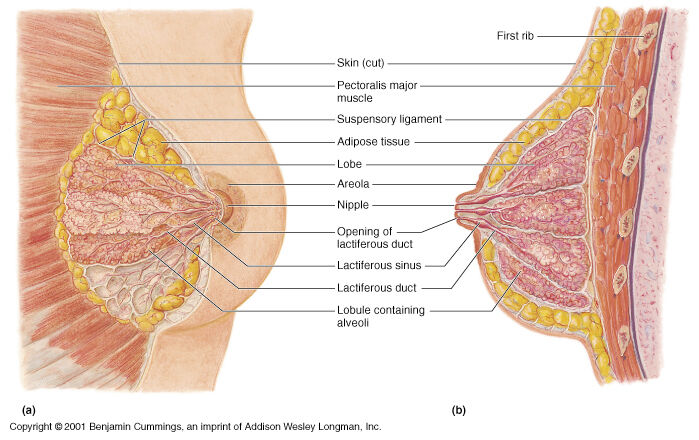
Anatomy of breast
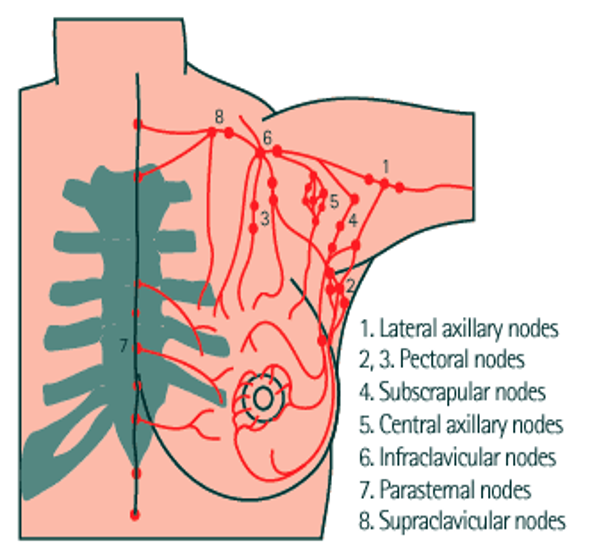
- Lymphnodes
- Lymphnodes
Images and files in the map

Information
- Description
- Mind Map on A 36 year old woman with breast lump, created by hamda ali on 02/24/2019.
- Created by
- hamda ali
- Views
- 236
- Rating