
Mind map
Air pollution
Map content
Air pollution
ways to keep air clean
- • avoid tobacco, encourage people to not smoke tobacco products.
- • Limit use of motor vehicles or keep them well maintained.
- • buy energy-efficient appliances and vehicles.
- • Avoid/limit usage of products that release pollutants in the air.
sources
- -Air pollution can be caused by several factors such as when particulates are released into the air. sources for air pollution are motor vehicles, factories, power plants, cigarette smoke, and wildfires.
- • The combustion of motor vehicles fuel and material in factories release chemicals into the air that are called Motor vehicle emissions. These emissions pollute air with CO, hydrocarbons, nitrogen oxides and particulates.
- • Mining also releases dust and chemicals in the air causing it to be polluted.
- • Indoor activities and supplies such as household cleaning products and painting supplies release chemicals into the air.
Effects of global warming
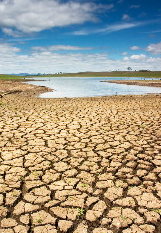
- -Global warming is an ongoing increasing of earths temperature.
- * In some ecosystems the temperature becomes warmer and other climate changes,(plants and animals may not be able to adapt to rapid changes).
- *In many areas of the world the temperature may be uncomfortably warm and humid at the same time.
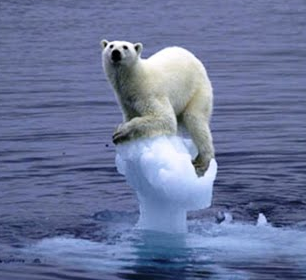
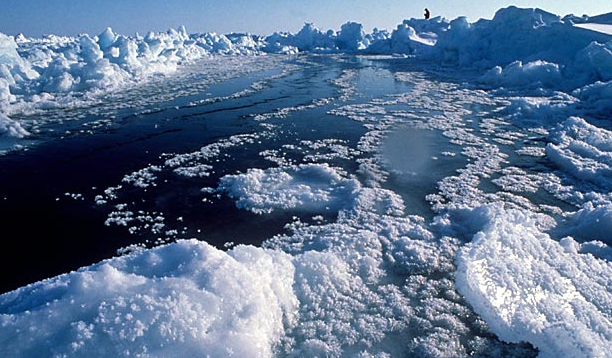
- *when the temperature increase the polar ice caps melt , which increase the amount of water in oceans.
Forms,(smog, ozone acid rain, indoor air pollution)
- is a type of air pollution caused by the interaction of sunlight with pollutants produced by fossil fuel emissions.
- Components of smog:
- 1. particulates:
- Definition: are microscopic bits of dust, metal, and unburned fuel, 1–10 microns in size, that are produced by many different industrial processes.
- What happens to them when in air? They can be inhaled >> causes many health problems. Stay in the atmosphere for weeks before settling on ground.
- 2.Ground-level ozone:
- formed in the presence of sunlight by the reaction of two chemicals(Nitrogen oxide+oxygen) Has it’s ups and downs
- Advantages: act as a shield protecting Earth’s biosphere against harmful UV rays. Disadvantages: stays close to the ground>> harmful to humans and affects ecosystem’s function •Acid rain:
- Definition:is a type of precipitation produced when pollutants in the water cycle cause rain pH to drop below normal levels. It’s normal for the rain that falls to be slightly acidic. However, when it’s mixed with pollutants (nitrogen oxides and sulfur oxides) acid rain would be the result.
- What happens to the acidity? pH levels will fall below 5.6
- How can the dropping down of pH affect the ecosystem? 1.By decreasing pH levels in lakes and streams acid rain threatens water supplies and species habitat. 2.Acid rain can cause a decline in growth rates . 3.cause leaves and bark to break down more quickly and make trees more vulnerable to disease and weather.
- 1. particulates:
- Definition:is when pollutants from things such as gases and particles contaminate the air indoors.
- Factors that can contribute to sick building illness (indoor air pollution):
- 1.Not enough ventilation: Which means that there is little air circulation>> because homes nowadays are tightly sealed for energy conservation.
- 2.Indoor chemicals: Examples: Paints, glues, cleaning fluids, pesticides, and other chemicals can contaminate the air. fireplaces and stoves can release carbon monoxide and other pollutants.
- 3.Asbestos:(Banned nowadays) Definition:is a heat-resistant mineral that was used in the past in building materials. Risk: Lung cancer
- 4.Formaldehyde:(Main contributor to illness) Definition: colorless gas with a strong odor. Risks if found in high levels:
- Causes nausea, and coughing.
- Skin rashes
- irritate eyes, nose, and throat.
- Carbon monoxide: Definition: is an odorless and colorless poisonous gas that is produced when fuel is burned.
- Sources: 1.Leaking chimneys and furnaces 2.Blocked flues 3.Poorly maintained space heaters and stoves
- Risks: Low levels: headache fatigue dizziness sleepiness nausea. High levels: lead to unconsciousness and death
- Radon: Definition: is a colorless, odorless, tasteless radioactive gas formed by the decay of uranium in rock and soil.
How does the levels rise in a particular area? By entering building through cracks and openings in concrete floors in the basement and walls
- Risks: Lung cancer
- 7.Lead: Definition:is a toxic metal that was used in the past to make paint and other home-related products.
- Risks: Most commonly in young children. Can harm: • brain, kidneys, and central nervous system. • Can cause: • behavioral and learning problems, seizures, and even death.
- 8. Secondhand smoke: AKA(environmental tobacco smoke) • Includes smoke from: • cigarettes,pipes, cigars , plus smoke that smokers exhale • Risks: irritates the eyes, nose, and throat; causes respiratory infections, especially in infants and young children; and may lead to asthma.
- Lead: Definition:is a toxic metal that was used in the past to make paint and other home-related products. Risks: Most commonly in young children. Can harm: • brain, kidneys, and central nervous system. • Can cause: • behavioral and learning problems, seizures, and even death.
- Secondhand smoke: AKA(environmental tobacco smoke) • Includes smoke from: • Behavioral and learning problems, seizures, and even death. • Risks: irritates the eyes, nose, and throat; causes respiratory infections, especially in infants and young children; and may lead to asthma.
Images and files in the map
Information
- Description
- Mind Map on Air pollution, created by z.einab_98 on 02/03/2015.
- Created by
- z.einab_98
- Views
- 0
- Rating