
Mind map
fracture in the arm
Map content
fracture in the arm
first aid of fractures
- 1. Stop bleeding 2. Avoid moving the affected area 3. Cool the affected area 4. Treat the patient's shock 5. Call the ambulance
A fracture is a break in the continuity of a bone or cartilage.
- common causes: falls, car accidents, direct blow, pathological
- pathological causes: osteoporosis, low BMD
- signs and symptoms: pain, bleeding, numbness, swelling and tenderness, limitation of movement
- common causes: falls, car accidents, direct blow, pathological
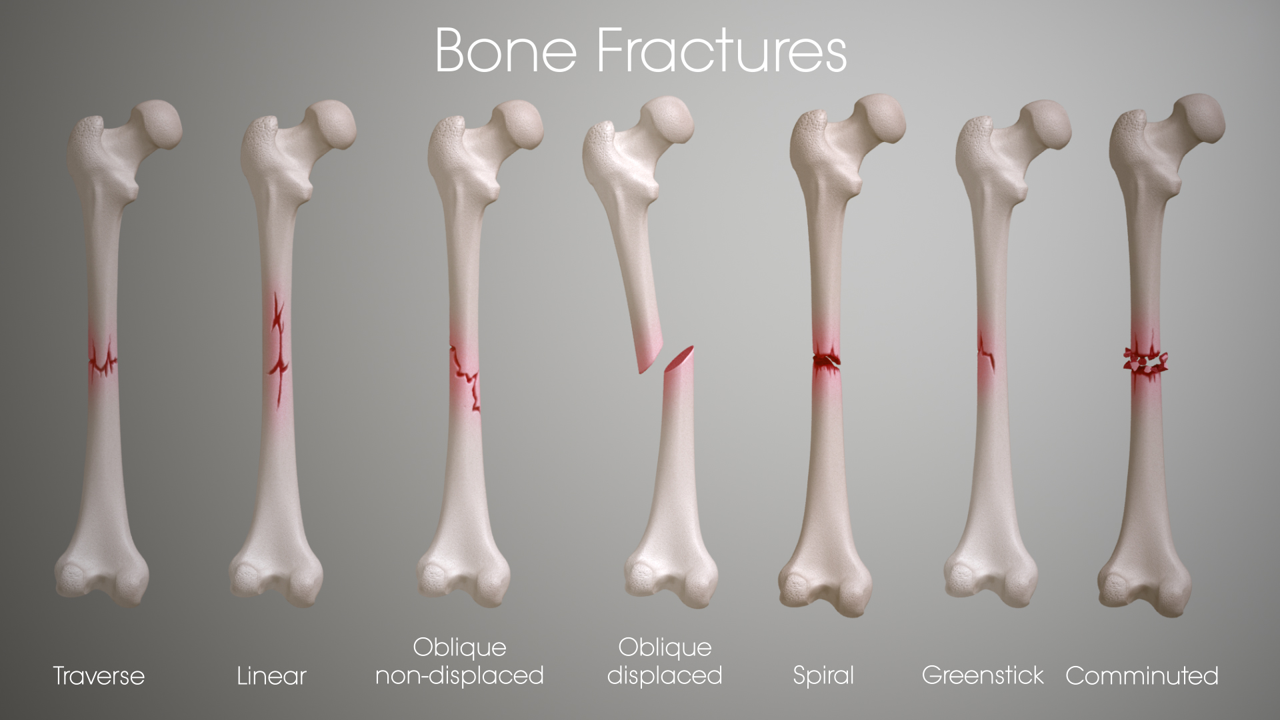
types of bone fractures
- Salter-Harris Fractures
- Fractures that involve the epiphyseal plate alone or in combination with a part of the bone.
- Salter-Harris Fractures
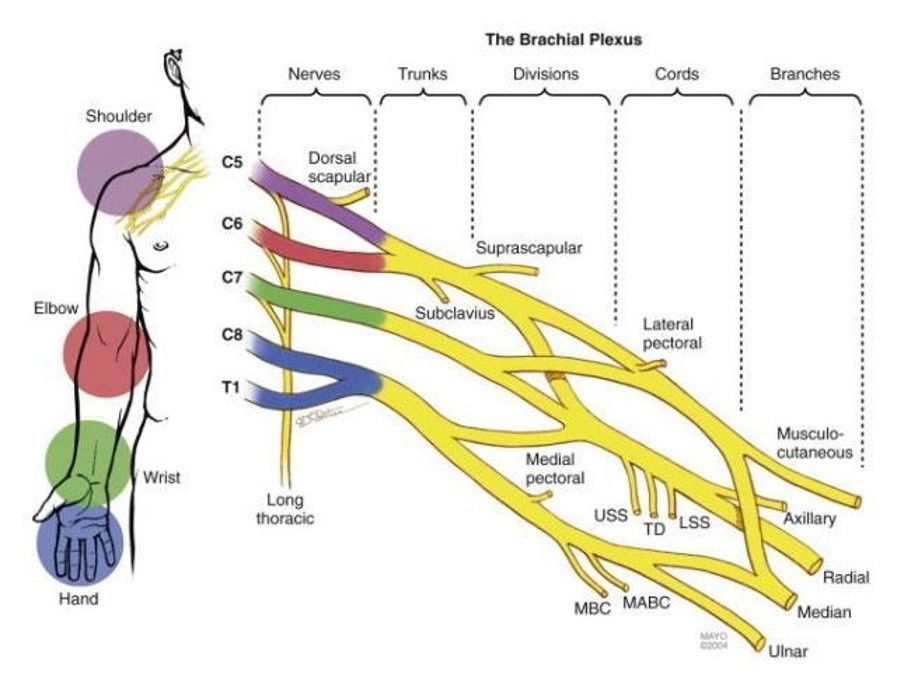
brachial plexus
- the sets of nerves supplying the shoulder, upper and lower hand
- bone fractures can affect the nerves near the fracture
- eg: wrist drop, the radial nerve is affected
- physiotherapy for wrist drop
- wrist flexion and extension stretch, supination, grip strengthening
- physiotherapy for wrist drop
- eg: surgical neck fractures can cause damage to the axillary nerve
- eg: wrist drop, the radial nerve is affected
- the sets of nerves supplying the shoulder, upper and lower hand
Management of Bone Fracture
- Stop any bleeding immobilization
- put a Plaster casts or plastic functional braces
- cast types :
- plastic, synthetic, splint (half cast), cast brace
- Cast complications
- Compartment syndrome
- pressure sores
- Thermal Injuries
- Dermatitis
- Joint stiffness
- cast types :
- fracture may require surgery, metal plates inserted and physiotherapy
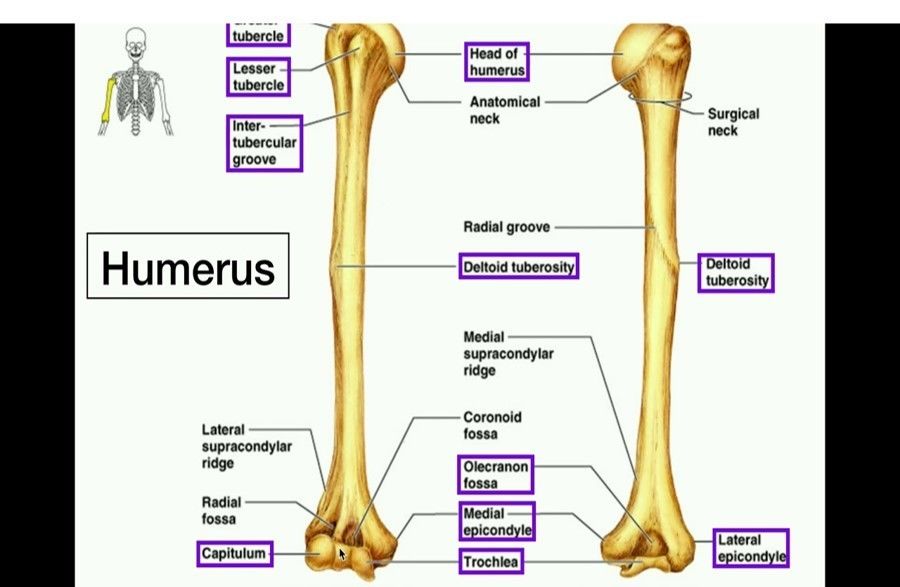
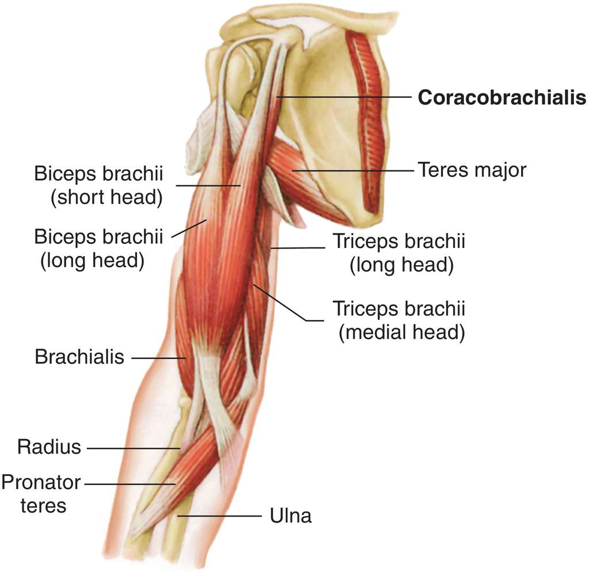
anatomy of the arm
- + the radius and ulna
Fracture healing
- direct (primary) healing
- Indirect (secondary) healing
- steps :
- acute inflammation
- Mesenchymal stem cell (MSc) recruitment
- Callus formation
- Neo-angiogenesis
- Resorption and replacement of soft cartilaginous callus by hard callus
- Remodeling of bone
Sensory Neurons
- 5 main types
- photoreceptors
- chemoreceptors
- mechanoreceptros
- thermoreceptors
- nociceptors (pain)
- 5 main types
Neurological examination of the upper limbs
- used to assess
- Tone, Reflexes, Power and Sensory function
- examines the shoulder, elbow and wrists
- used to assess
radiography and x-rays
- types : X-rays and fluoroscopy
- it detects :
- fractures. dislocation, subluxation
Psychological Complications after a bone fracture
- Adjustment Disorder (Situational Depression)
- Acute stress disorder/ Post-traumatic stress disorder
- Depression and anxiety
- limiting participation in physical activities
- Ways to Cope
- an exercise that does not put undue stress on your healing limb
- seek support from family member/care giver
- online support groups
Bone Tissue
- specialized hard type of C.T., with calcified extra-cellular matrix
- rich blood supply
- Dynamic( constantly changes shape
- covered all around my the bone membrane called the periosteum
- periosteum has a v.rich blood supply + provides stem cells for bone repair and growth
- endosteum: lines the bone marrow
- Bone Cells
- Osteoprogenitor cells
- Undifferentiated mesenchymal cells
- Osteoblasts
- The stem cells of the bones
- Osteocytes
- mature bone cells
- Osteoclasts
- bone destroying cells
- Osteoprogenitor cells
Images and files in the map
Information
- Description
- Mind Map on fracture in the arm, created by Batoul jahed on 08/02/2021.
- Created by
- Batoul jahed
- Views
- 26
- Rating