
Mind map
Multimedia Instructional Design
Map content
Multimedia Instructional Design
Ch1. Intro to Multimedia Needs Assessment and Front-End Analysis
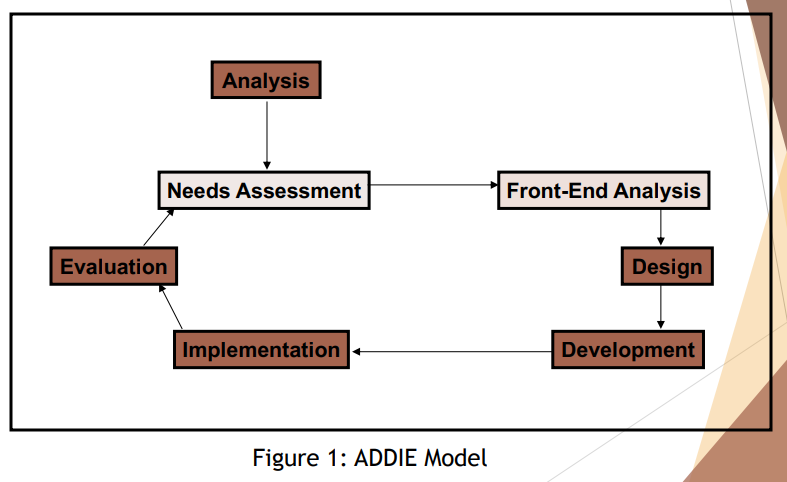
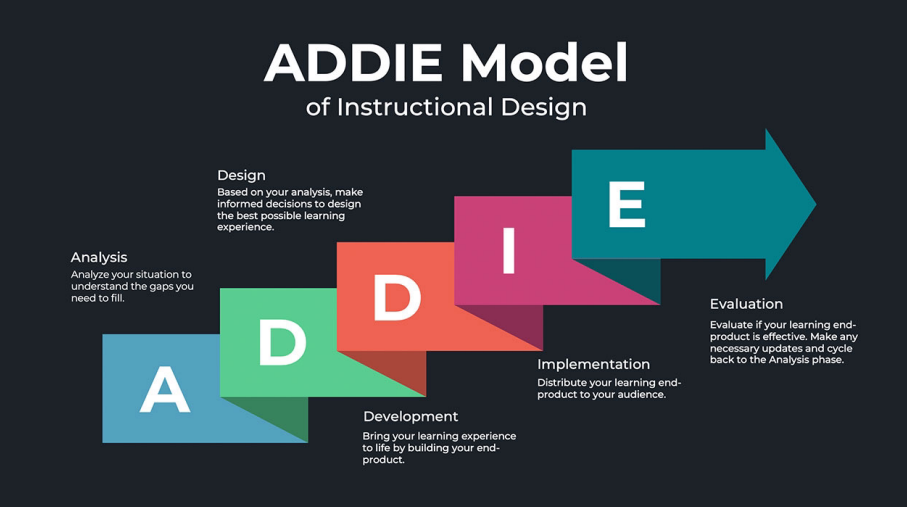
- Breaks analysis into two parts
- Needs Assessment
- Process determining goals
- What is the goal of the ......
- Provides input into front-end analysis
- all data gathered will be inserted into front-end analysis
- Process determining goals
- Front-End Analysis
- Collection of technique
- Help developer narrow the type and level of solution
- Needs Assessment
- Breaks analysis into two parts
Ch2. Needs Assessment
- 5 types of needs
- 1. Normative Need
- Need that is compared to a standard
- same level of standard
- Need that is compared to a standard
- 2.Felt Need
- What people think they need
- What we think we want, that is what we need
- What people think they need
- 3.Expressed or Demanded Need
- Supply and Demand
- Economic relationship between the sellers and the buyers
- Supply and Demand
- 4.Comparative Need
- Some people have a particular attribute; others don’t.
- When two group with similar characteristic do not receive a similar services or product
- Some people have a particular attribute; others don’t.
- 5.Anticipated or Future Need
- "What will be" rather than "what is"
- State goal for future
- "What will be" rather than "what is"
- 1. Normative Need
- Process
- Determine the present condition
- Identify root causes
- Define the job
- What knowledge and skill required
- Rank the goals
- Show how goals are related/connected
- Identify discrepencies
- Which part does not communicate well
- Determine positive areas
- Identify which part of the copany is doing well
- Set priorities for action
- What is the level of impact of the company
- Determine the present condition
- Data collection techniques
- Interview
- Questionaire
- Observation
- SImulation
- 5 types of needs
Ch3. Front-End Analysis
- 1.Audience Analysis
- Identify the understanding, attitudes, and beliefs from audience
- survey from people about the problem
- Identify the understanding, attitudes, and beliefs from audience
- 2.Technology Analysis
- Identify existing technology capabilities
- exp: available communication technology, referrence or performance support, testing and assessment
- Identify existing technology capabilities
- 3.Task Analysis
- Identify the detail how they perform their tasks and achieve their intended goals.
- break down job duties and task
- Identify the detail how they perform their tasks and achieve their intended goals.
- 4.Critical-incident Analysis
- Determine the skill or knowledge should be targeted
- focus on task that improve performance
- Determine the skill or knowledge should be targeted
- 5.Situational Analysis
- Identify enviromental or organizational constraint which may impact goals
- examine the work enviroment -job enviroment exp: work enviroment/process -delivery enviroment exp: training facilities
- Identify enviromental or organizational constraint which may impact goals
- 6.Objective Analysis
- Determine the job task to be addressed
- write down the objective that are meaningful
- Determine the job task to be addressed
- 7.Media Analysis
- Select appropriate media delivery strategy
- instructor-led (presented face to face), computer-based (delivery involving a computer) distance broadcast (television, telephone, radio)web-based (internet), mobile application (mobile ads)
- Select appropriate media delivery strategy
- 8.Extant-data Analysis
- Identify existing training materials
- Determine whether if the solution or part of solution is already exist
- Identify existing training materials
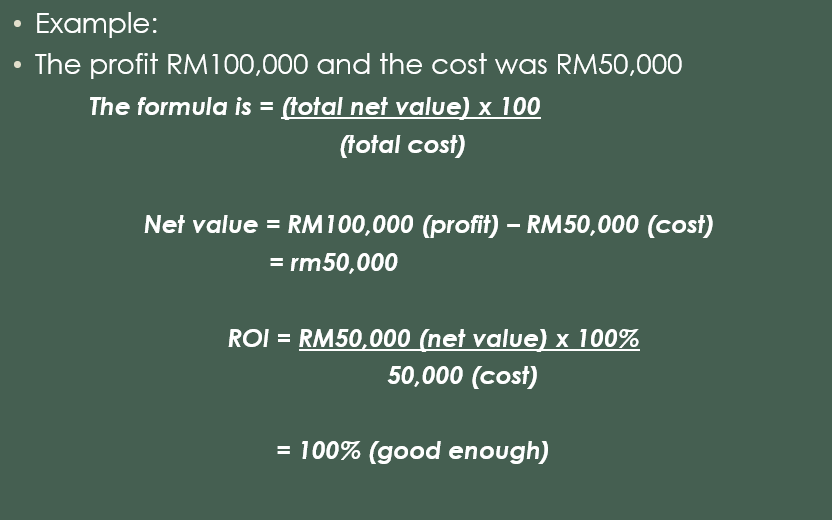
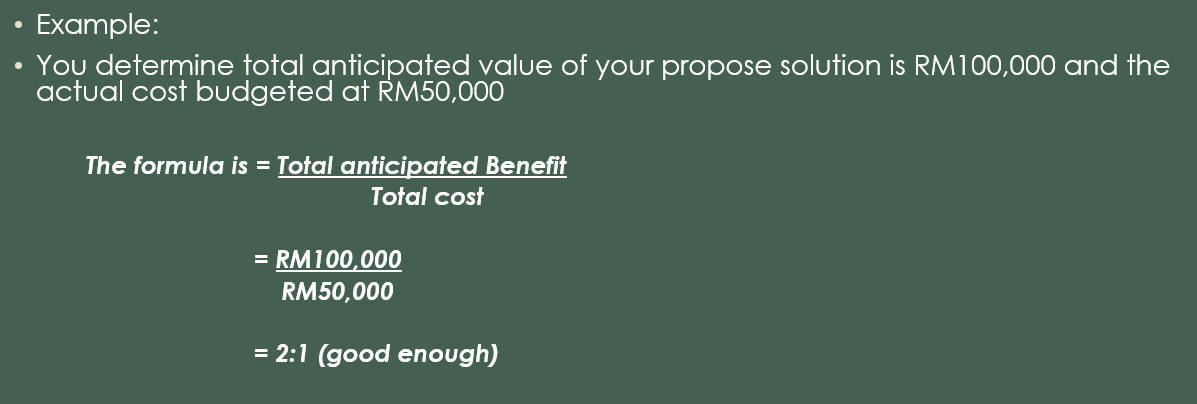
- 9.Cost-benefit Analysis
- Identify cost and benefit and return of invesment
- Cost-benefit analysis (CBA)
- Determine whether you will undertake a project
- Return on invenstment (ROI)
- Determine actual benefit
- Cost-benefit analysis (CBA)
- Identify cost and benefit and return of invesment
- 10.Rapid Analysis Method (RAM)
- Significantly reduce the amount of time to conduct analysis while still obtain valuable information
- Activities during RAM
- 1. Prepare for analysis
- 2. Ask primary questions
- 3. Listen and record responses
- 4. Observe actual performance
- 5, Report results
- Activities during RAM
- Significantly reduce the amount of time to conduct analysis while still obtain valuable information
- 1.Audience Analysis
Images and files in the map
Information
- Description
- Mind Map on Multimedia Instructional Design, created by Eddiey y on 11/04/2022.
- Created by
- Eddiey y
- Views
- 21
- Rating