
38150080
Description

Mind Map by Michelle mejia, updated more than 1 year ago

|
Created by Michelle mejia
about 3 years ago
|
|
Observations
- Planning
- Before embarking on the planning stages of your observation you
will find it helpful to be reasonably confident of two things: the
focus of your study. the topic of your research, what it is you wish
to explore and learn more about; and the research questions you
intend to address
- 1st choosing what to observe
- 1st choosing what to observe
- Before embarking on the planning stages of your observation you
will find it helpful to be reasonably confident of two things: the
focus of your study. the topic of your research, what it is you wish
to explore and learn more about; and the research questions you
intend to address
- Definition
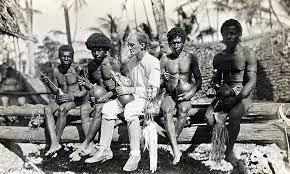
- 'research characterised by a prolonged period of intense social interaction
between the researcher and the subjects, in the milieu of the latter, during
which time data, in the form of field notes, are unobtrusively and
systematically collected’ (Bogdan 1972: 3)
- Merely asking about or reporting the activities people carry out in different
social settings and situations will no doubt give you a flavour of what is
involved, but in order to understand fully what these activities mean to
people, how they themselves perceive them and what their perspective is
on them, it is necessary to see those people in action, to experience what it
is they do, even to wade in and have a go yourself
- Merely asking about or reporting the activities people carry out in different
social settings and situations will no doubt give you a flavour of what is
involved, but in order to understand fully what these activities mean to
people, how they themselves perceive them and what their perspective is
on them, it is necessary to see those people in action, to experience what it
is they do, even to wade in and have a go yourself
- 'research characterised by a prolonged period of intense social interaction
between the researcher and the subjects, in the milieu of the latter, during
which time data, in the form of field notes, are unobtrusively and
systematically collected’ (Bogdan 1972: 3)
- Conducting an observation
- 1. Choosing what to observe: the social situation
- All social situations possess three components: a
location; the people (sometimes called actors);
and the activity or activities taking place.
- All social situations possess three components: a
location; the people (sometimes called actors);
and the activity or activities taking place.
- 2. Gaining access and establishing yourself
- Your first task is to gain permission to conduct your
study in your preferred setting.
- be unobtrusive, be honest, be
unassuming, be a good listener
- be unobtrusive, be honest, be
unassuming, be a good listener
- Your first task is to gain permission to conduct your
study in your preferred setting.
- 3. How to observe: telling the
story
- Set ourselves 6 questions: who, what, when, where, why
and how
- Set ourselves 6 questions: who, what, when, where, why
and how
- Capturing what you see
- 1. Choosing what to observe: the social situation
- Issues
- Observation is not a research method which suits
everyone. It can consume a great deal of a researcher’s
time and energy, and the reward for investing all that
effort can be a long time coming. Yet observation can be
one of the most professionally gratifying experiences a
researcher can have.
- Observation is not a research method which suits
everyone. It can consume a great deal of a researcher’s
time and energy, and the reward for investing all that
effort can be a long time coming. Yet observation can be
one of the most professionally gratifying experiences a
researcher can have.
- Data analysis
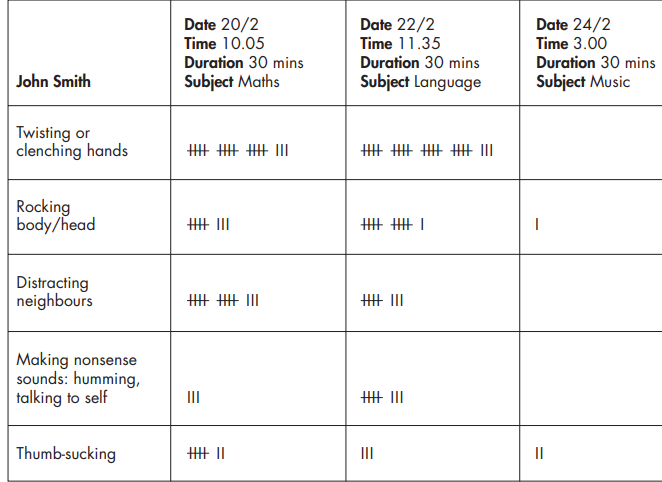
- Once you have decided which feature(s) of your
chosen social setting you will observe, you
should then devise a list of categories of
behaviour (in the case of people) or activities
(in the case of locations) which are of particular
interest to you and your research project and
that you intend to quantify
- Once you have decided which feature(s) of your
chosen social setting you will observe, you
should then devise a list of categories of
behaviour (in the case of people) or activities
(in the case of locations) which are of particular
interest to you and your research project and
that you intend to quantify
- Uses
- When the ways in which people behave and
interact with one another in a social setting are
important to your research.
- When you are interested in researching social settings and what
happens in them.
- When the best way to research what you want to know is to
experience it for yourself.
- When the context of the events you are researching is important
- THE DOCTOR–PATIENT CONSULTATION
- how consultations are done or what happens during them; what kinds of
notes the doctor takes; how the doctor uses the specialised medical
equipment at his or her disposal; how long consultations take and what
kinds of outcomes they have; how consultations at one surgery compare
with those at another, and so on.
- how consultations are done or what happens during them; what kinds of
notes the doctor takes; how the doctor uses the specialised medical
equipment at his or her disposal; how long consultations take and what
kinds of outcomes they have; how consultations at one surgery compare
with those at another, and so on.
- THE DOCTOR–PATIENT CONSULTATION
- When the ways in which people behave and
interact with one another in a social setting are
important to your research.
Media attachments



Want to create your own Mind Maps for free with GoConqr? Learn more.