
Notes
Atoms and Periodic Table Notes
Content of the notes (5)
Page 1
Atoms
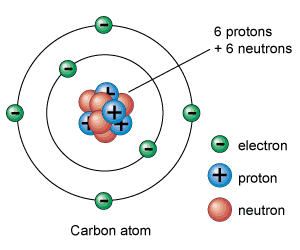
Everything around us is matter made up of atoms.
Atoms have 3 main parts, the nucleus, the electron shells, and the electrons.
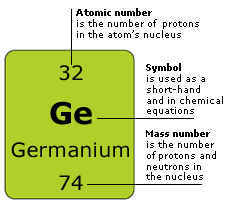
Every atom is listed on the periodic table and has an atomic number and an atomic weight.
An atomic number is the number of protons in the nucleus of the atom.
The atomic weight is the combined number of protons and neutrons in the atom.
The number of electrons is equal to the number of protons.
2 electrons are allowed on the 1st electron shell and 8 on every electron shell following.
Page 2
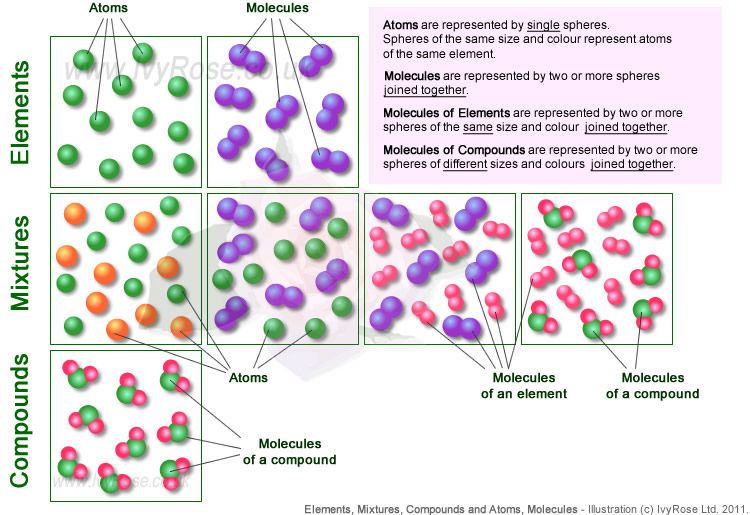
ELements, Mixtures, Compounds.
Below is a diagram which specifies what elements compounds and mixtures are and shows what those atoms would/could look like.
Page 3
Periodic Table
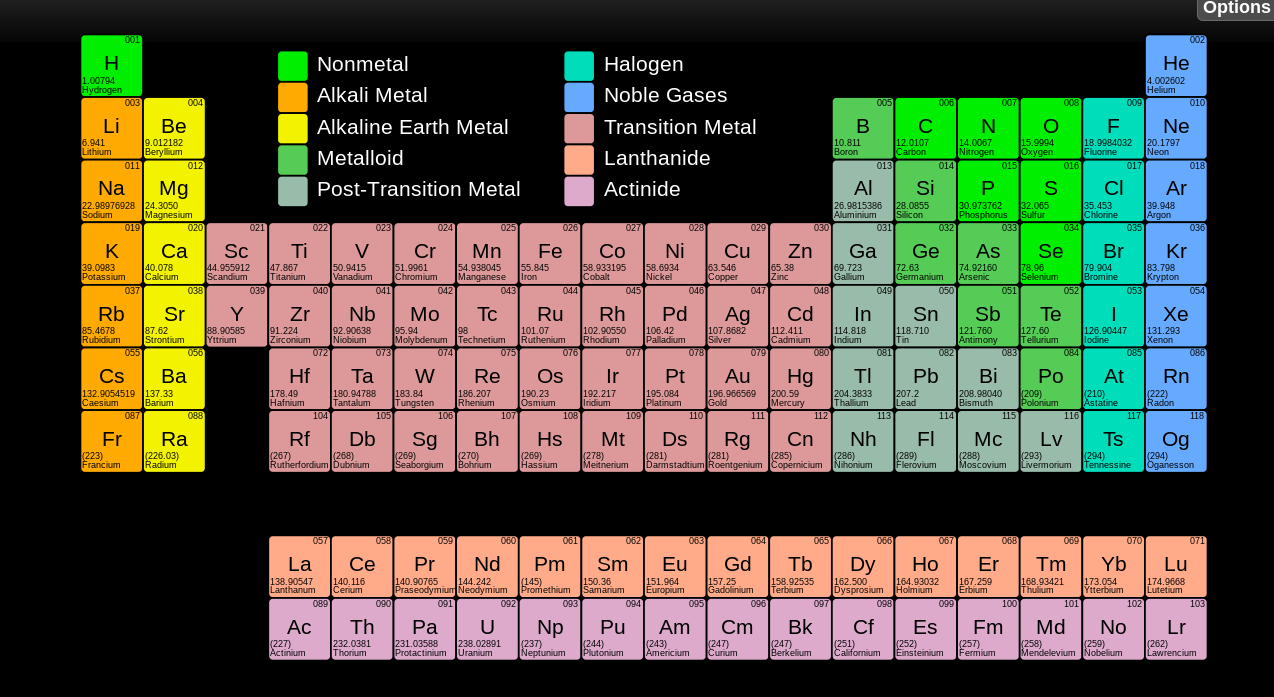
First 20 elements of the Periodic Table:
Hydrogen, H
Helium, He
Lithium, Li
Beryllium, Be
Boron, Bo
Carbon, C
Nitrogen, N
Oxygen, O
Fluorine, F
Neon, Ne
Sodium, Na
Magnesium, Mg
Aluminium, Al
Silicone, Si
Phosphorus, P
Sulfur, S
Chlorine, Cl
Argon, Ar
Potassium, K
Calcium, Ca
Notes:
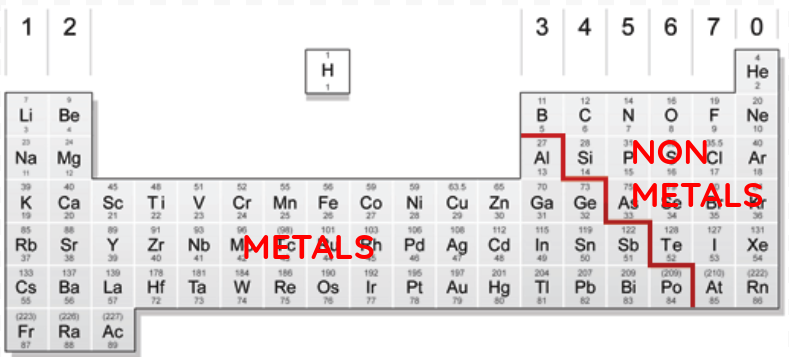
The Periodic Table is divided into periods ( >) which go across and groups which go down.
Page 4
Metal and Non - Metal Properties
METAL - Physical Properties
Conduct Energy
Conduct Heat
Sonorous sound
Reflective surface
Higher Density
Some are Magnetic, Iron, Nickel, Cobalt.
Opaque
High Melting Point
Malleable
Page 5
Other Common Elements
S = Sulfur
N = Nitrogen
O = Oxygen
Co = Cobalt
Cu = Copper
Fe = Iron
Na = Sodium
Zn = Zinc
Pb = Lead
Au = Gold
Ag = SIlver
Ni = Nickel
Common Compounds
Sulphur dioxide - SO2
Copper oxide - CuO
Magnesium oxide - MgO
Salt - NaCl
Copper Sulphate - CuSO4
Calcium Carbonate - CaCO3
Ammonia - NH3
Methane - CH4
Chlorine - Cl2
Information
- Description
- Year 8 2017 Science Note on Atoms and Periodic Table Notes, created by Alice Ankersmit on 16/10/2017.
- Created by
- Alice Ankersmit
- Views
- 139
- Tags
- Rating