
Notes
Lucy In The Sky With Diamonds
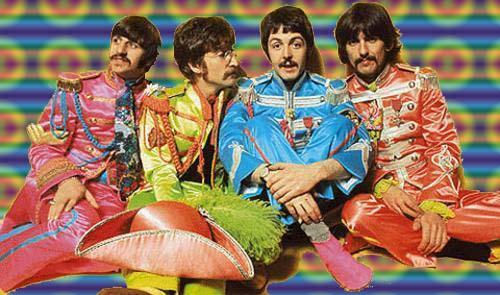
Content of the notes (6)
Page 1
About the Piece:
Key: Alternating between A major, B♭ major, and G major
Tempo: Moderate
Style: Psychedelic
Structure: Verse | Bridge | Refrain | Verse | Bridge | Refrain | Verse | Refrain | Outro/Fade-out
Lucy In The Sky With Diamonds is the third song on the album.
There have been claims that this song is related to LSD, a popular and illegal hallucinogenic drug in the 1960's and 1970's due to its psychedelic vibe and lyrics. The Beatles always denied that the song was influenced by the drug, claiming instead that it was influenced by Lewis Carroll’s Alice in Wonderland books.
This song experimented with a lot of new recording technology, this gave it a very unique sound for its time. One of these techniques is Automatic Double Tracking (ADT), a technique in which tape delay is used to layer vocal tracks to create a fuller sound.
This song is often compared to "Tomorrow Never Knows" and "Strawberry Fields Forever" from other albums.
The use of drone-like harmony in the verse and rote repetition of a single phrase in the refrain gives a hypnotic feeling to the piece.
This song features George Harrison playing guitar into a Leslie Rotating speaker to create a unique celeste-like sound.
Varispeeding is used in Lucy in the Sky to achieve a ‘light-headed’ effect, this is when the music is recorded with the tape machine slowed down or sped up to alter the tone of the vocals or instruments.
Page 2
Introduction:
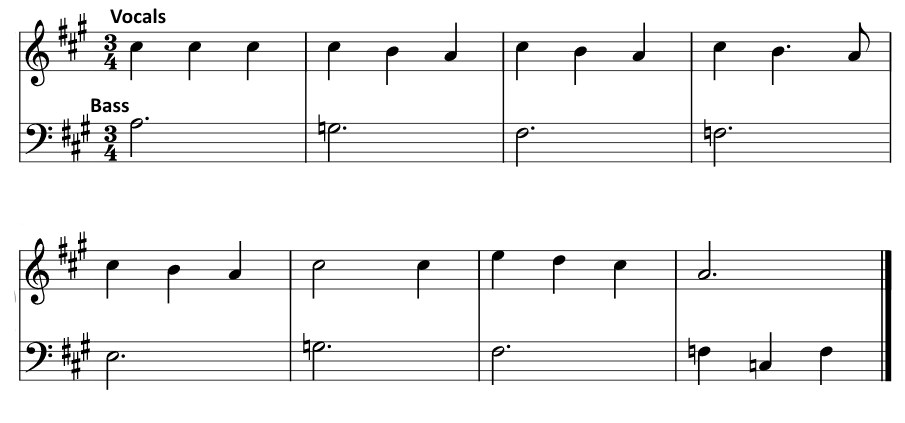
The introduction and verses of Lucy In The Sky With Diamonds are in a 3/4 time signature and in A major.
The song opens with an ostinato played on an electronic organ. The organ, played by McCartney is set up to sound a little like a celeste through a combination harpsichord, vibraharp, guitar and music box stops on the instrument.
The first note of each bar in the 4 bar introduction descends chromatically (see the sheet music below).
The hypnotic sound created by the instrumentation and chromatic melody accurately sets the tone for the piece.

Page 3
Verses:
The melody of the verses is very simple. The melody is mostly centered around the first three notes of the A major scale (A, B, and C#). The repeated notes give the melody a drone-like quality and add to the hypnotic mood.
At the beginning of the verse, Lennon's voice is quite clear and exposed. However, during the next eight bars from bar 14, the ADT and echo on Lennon’s voice is applied with increasing intensity, so that by the time we reach the lyrics "The Girl with Kaleidoscope Eyes", we have the full psychedelic effect, with effective word painting.
The ostinato from the introduction continues into the verse, clashing with some of the chords being used. In the first phrase (bars 5-8) and the third phrase (14-17), the ostinato plays around the A major chord, but in the second phrase (bars 9-14), the ostinato ends on a flattened 6th chord (F major). This hints at the change to Bb major for the bridge.
For the first two verses, the bass plays on the downbeat to create a swaying feeling. In the third verse the bass line becomes more active, leading up to a chorus instead of the usual bridge. The chromatic movement of the bass line also adds to the hypnotic tone of the song.
Page 4
Bridge:
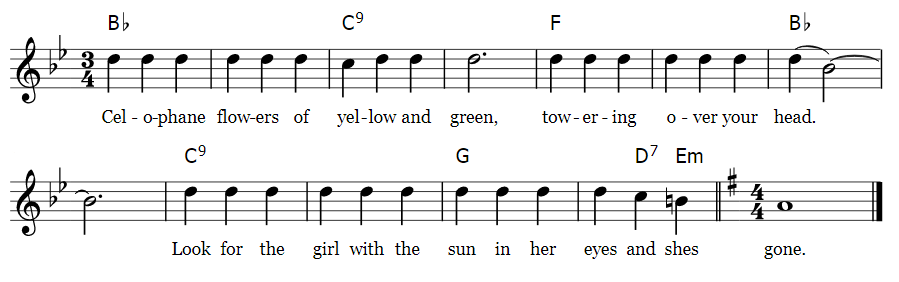
Despite being in a different key, the bridge is remarkably similar to the verse. There is still a small range of notes being used; most notes are within a third of the tonic (Bb).
The repeated notes, despite their simplicity, add to the harmonies that are being created. For example, a C9 chord is created by adding the 9th note (D) to the chord of C.
The phrasing of this section is made up of an eight bar phrase, followed by a five bar phrase, continuing the uneven phrases seen in the verse.
In the final three bars (shown below) the chords being used are G, D7 and Em; this prepares for the modulation into G major in the chorus. In the final bar there are four distinct crotchet beats given on the drums to mark the new tempo for the chorus.
In the first bridge, the bass line plays on every beat with repeated notes. This is developed in the second bridge where the bass plays on every beat with arpeggio outlines. The arpeggios in the second bridge develop the waltz feel that matches the time signature.
The amount of ADT being used in the bridge is much higher than in the verses. This creates more echo and adds to the tone of the piece.
Page 5
Chorus:
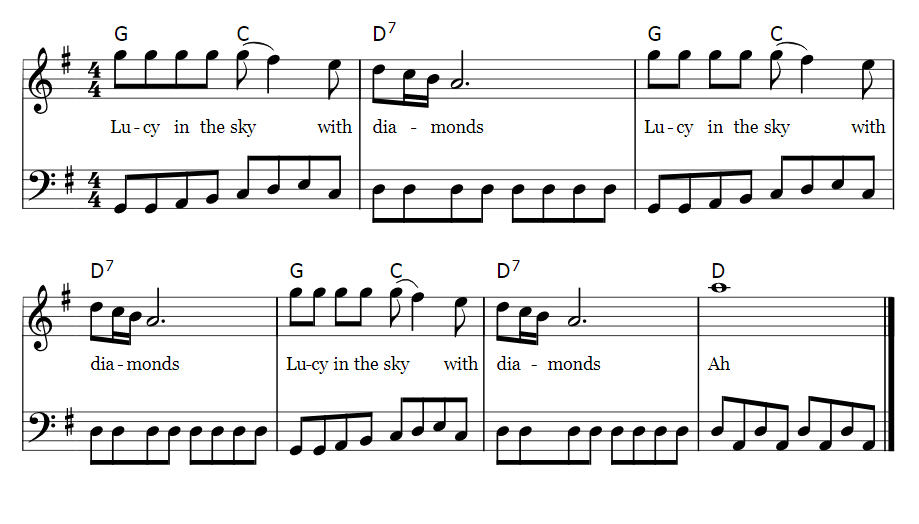
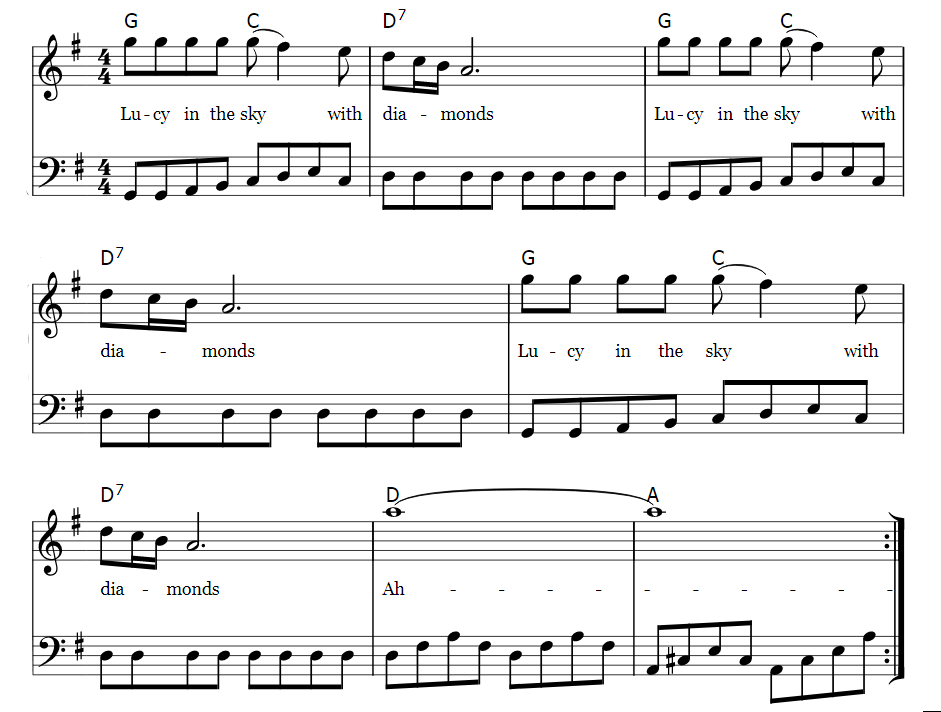
The choruses in Lucy In The Sky With Diamonds are notably different to the rest of the song. The key modulates to G major and the time signature changes to 4/4, a time signature that is much more common in pop songs.
The construction of the chorus is irregular, featuring a two bar phrase played three times followed by an additional seventh bar before returning to the ¾ metre in readiness for the next verse.
Although it sounds as if the tempo increases in the chorus, the tempo of the chorus is only 98BPM (the tempo of the verse and bridge is 125BPM). This effect is created by the change in time signature to 4/4 and the introduction of a moving bass line; the bass plays quavers in a baroque fashion, becoming more active in each return to the chorus.
The chord pattern being used (I IV V) is extremely common in popular music, especially in the 60's and 70's.
The melody is sung solo during the first and second phrases. During the third phrase, a harmony is added a third above the main melody. This harmony is constant during the second and third chorus.
The lead guitar part is played into a Leslie Rotating speaker to create a unique celeste-like sound. Leslie Rotating speakers are more commonly used with Hammond organs but Harrison uses it to his advantage in this song.
The Lowrey Organ is played on the 2nd and 4th beats, adding to the syncopation that the drums provide.
At the end of the chorus, Harrison plays a tambura. This is a string instrument with a long neck; rather than playing melodic lines, it produces a drone as an accompaniment to melody, helping to lead back into the verse.
Page 6
Outro:
The outro is a direct repeat of the chorus with an added bar of A major at the end so that it loops back. This bar of A major would have signaled a return to the verse in earlier iterations of the chorus, but is left unresolved here.
The aforementioned harmony on the melody line comes back in during the second phrase.
The fade-out starts relatively early and is done gradually, becoming complete about half way through the third iteration of the outro.
Information
- Description
- User has deleted their subject information Note on Lucy In The Sky With Diamonds, created by Deleted user on 17/07/2017.
- Created by
- Deleted user
- Views
- 24
- History
-
- Created by Antonia Blankenberg · Jul 12, 2017
- Copied by Antonia Blankenberg · Jul 17, 2017
- Rating