
Quiz
Unit 9 Architecture, patterns and reuse (Part 1)
Este quiz tem tipos de pergunta que abrem no player de sempre.
Perguntas do quiz (31)
1What keywords describe the Skype architecture in this figure?
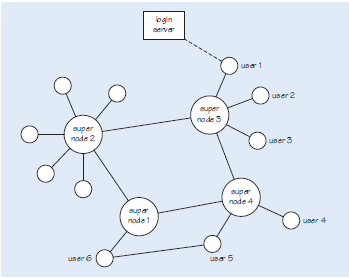
- Apeer-to-peer
- BModel-view-controller
- Cclient-server
2The above is an example of what type of architecture?
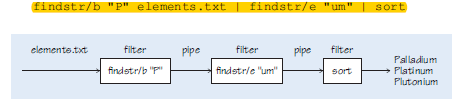
- Apipe-and-filter
- Bpeer-to-peer
- Cclient-server
3Choosing the architecture of a software late on might be a good idea.
- AVerdadeiro
- BFalso
4The twin-peaks model develops [blank_start]requirements[blank_end] and [blank_start]architecture[blank_end] concurrently.
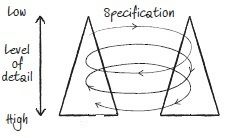
- Arequirements
- Barchitecture
5Can architecture and agile live together? Some agile practitioners fear that architecture is associated with ‘big design up front’ (BDUF), which limits flexibility and runs against the lightweight development ethos of agile.
- Ayes
- Bno
6In what ways can architecture contribute to Agile? Select 3.
- Aaiding communication
- Bdocumenting assumptions about the system
- Cfeeding into subsequent development cycles
- Dsplitting staff in smaller teams
7Architecturally significant Requirements do no influence a system's architecture.
- AVerdadeiro
- BFalso
8Architecturally significant requirements can be split into the following 4 characteristics:
- [blank_start]Quality[blank_end] attributes: non-functional requirements such as security,
reliability, availability, usability, maintainability, portability
- [blank_start]Core features[blank_end]: ‘the problem the software is trying to solve’
- [blank_start]Constraints[blank_end]: Technical, budget, time...
- [blank_start]Application[blank_end] environment: the environment in which the system will run.- AQuality
- BCore features
- CConstraints
- DApplication
9Select the 4 architectural views introduced in Kruchten's model:
- Alogical
- Bprocess
- Cdeployment
- Ddevelopment
- Erequirement
- Fanalysis
10- The [blank_start]logical[blank_end] (or functional): the system’s main functional elements and their interactions
- The [blank_start]process[blank_end] view: the set of independently executing processes
that will exist at run-time and the communication between them.
- The [blank_start]deployment[blank_end] view describes how the system will be deployed to an operating environment in terms of the physical computers.
- The [blank_start]development[blank_end] view describes how the software will be split into
[blank_start]subsystems[blank_end] that can be allocated to teams of developers.- Alogical
- Bprocess
- Cdeployment
- Ddevelopment
- Esubsystems
11Example stakeholder groups. Fill in the ASR categories they fall into.
- Students and teaching staff will be concerned with core functionality,
usability, availability and performance – [blank_start]core features[blank_end] and [blank_start]qualityattributes[blank_end].
- The examinations section will be particularly concerned with [blank_start]security –quality attributes[blank_end].
- The finance department will be concerned with the cost – [blank_start]constraints[blank_end].
- Management will be concerned with the cost, when the system will be
delivered and its effectiveness – [blank_start]constraints[blank_end], [blank_start]core features[blank_end].
- Designers will be concerned with how the system can be partitioned, what
the run-time elements will be and where they will be deployed – the
[blank_start]application environment[blank_end].
- Programmers will be concerned with the core functionality represented in
the design, how easily the design can be implemented in code and what
language(s) will be used – [blank_start]core features[blank_end], [blank_start]quality attributes[blank_end], [blank_start]constraints[blank_end].
- Testers will be concerned with whether the system is easy to test – [blank_start]qualityattributes[blank_end].
. The IT department will be concerned with the operating environment and
how easy the system is to run – [blank_start]application environment[blank_end].
- Developers responsible for maintaining the system will be concerned with
how easy the system is to modify – [blank_start]quality attributes[blank_end].- Acore features
- Bsecurity - quality attribute
- Cconstraints
- Dapplication environment
- Equality attributes
- Fquality attributes
- Gcore features
- Hconstraints
- Isecurity – quality attributes
- Jconstraints
- Kapplication environment
- Lconstraints
- Mapplication environment
- Nsecurity - quality attributes
- Oconstraints
- Pquality attributes
- Qapplication environment
- Rcore features
- Squality attributes
- Tsecurity - quality attributes
- Uapplication environment
- Vconstraints
- Wcore features
- Xquality attributes
- Ycore features
- Zapplication environment
- AAquality attributes
- ABapplication environment
- ACsecurity - quality attributes
- ADconstraints
- AEquality attributes
- AFcore features
- AGapplication environment
- AHquality attributes
- AIcore features
- AJapplication environment
- AKapplication environment
- ALsecurity - quality attributes
- AMquality attributes
- ANcore features
- AOquality attributes
- APcore features
- AQapplication environment
12In software architecture the set of conventions and models appropriate to a
particular view is often referred to as a [blank_start]viewpoint[blank_end].- Aviewpoint
13Select 9 common architectural styles.
- AClient-server
- BCall-return
- CLayered
- DPeer-to-peer
- EData flow
- FData-centred
- GData-oriented
- HIndependent components
- IService-oriented
- JNotification
14What type of architecture does the figure describe?
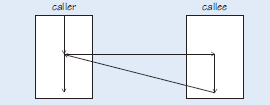
- Acall-return
- Bpeer-to-peer
- Cclient-server
15What type of architecture do the figures describe?
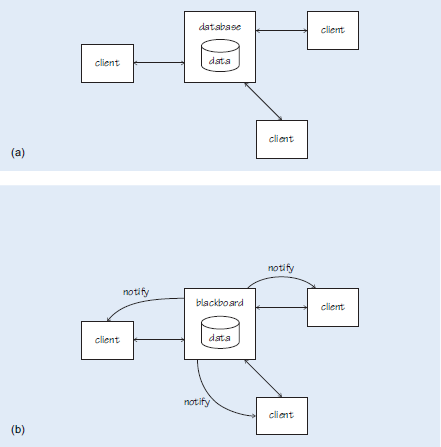
- AData-centred
- Blayered
- Ccall-return
16What type of architecture is this?
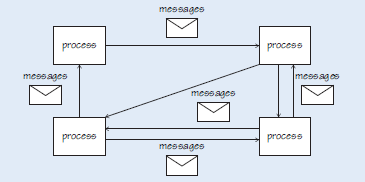
- Aindependent components
- Bservice-oriented
- Cmicroservices
17What architecture style is this?
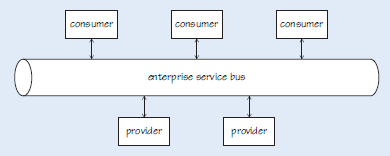
- Aservice-oriented
- Btrunk-based
- Cdata flow (pipe and filter)
- Dindependent component
18What architecture style is this? Select 3 names for it.
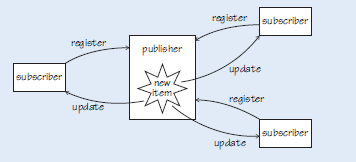
- Apublish-subscribe
- Bnotification
- Cimplicit invocation
- Dcall-return
- Eregister
19A [blank_start]framework[blank_end] is a segment of [blank_start]architecture[blank_end] and [blank_start]code[blank_end] that can be reused.
- Aframework
- Barchitecture
- Ccode
20A [blank_start]product line[blank_end] is a line of similar products that differ only in [blank_start]detail[blank_end].
- Aproduct line
- Bdetail
21A software product line is essentially a [blank_start]domain[blank_end]-specific framework.
- Adomain
22What are the various ingredients that make up a framework? Select 4.
- Aarchitecture
- Bsmall amount of software for the framework
- Cset of components suitable to use within the framework
- Ddocumentation to make use of the framework
- Eprovided interface
- Frequired interface
23- [blank_start]Architectural styles[blank_end] reuse expertise in large-scale architectural design – the types of component used and the patterns of interaction between them.
- [blank_start]Frameworks[blank_end] reuse a particular architecture and a set of software
components suitable for use within it.
- [blank_start]Product lines[blank_end] reuse reference architectures, software components and
expertise about the variations needed to fulfil customer requirements.- AArchitectural styles
- BFrameworks
- CProduct lines
24What is the name of this design pattern? (Enter the class name in figure)
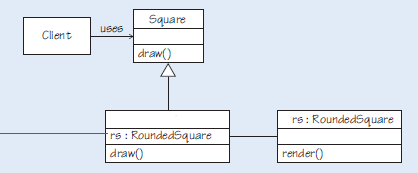
- AAdapter
25When the Adapter receives a draw() message it simply [blank_start]forwards[blank_end] a render() message to the RoundedSquare and the latter produces the required shape.
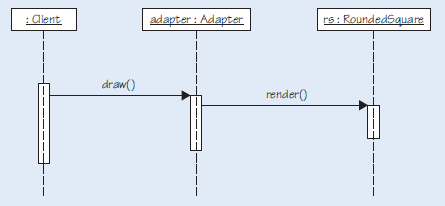
- Aforwards
- Bsends
- Cgenerates
26Which of the below statement are true about adapters? Select 3
- Athe adapter pattern uses inheritance
- Bthe adapter pattern uses composition
- Cthe adapter pattern uses a call-return architecture
- Dthe adapter pattern uses the render() function
- Ethe adapter pattern is transparent to other classes; neither the Client nor
RoundedSquare is aware of its existence
27Select all answers that apply to Generalisation relationships. Select 3.
- AGeneralisation expresses a subtyping relationship between classes
- BGeneralisation expresses the fact that a class provides an implementation for all operations specified in interface.
- CIn Generalisation, the subclass is a specialised subtype of its superclass
- DIn Generalisation, the subclass inherits the attributes and operations defined by the superclass
- EIn Generalisation, the child class is not a subtype of the interface
- Fin Generalisation, boobies.
28Select all answers that apply to Realisation relationships.
- ARealisation expresses the fact that a class provides an implementation for all operations specified in interface
- BRealisation is not a subtyping relationship
- CIn Realisation, the subclass is a specialised subtype of its superclass
- DRealisation expresses a subtyping relationship between classes
29[blank_start]Idioms[blank_end] are patterns that apply to a specific programming language – Java has one set of them, Python a different set and so on.
- AIdioms
30- [blank_start]creational[blank_end] patterns deal with ways of creating objects independently of the clients that will use them
- [blank_start]structural[blank_end] patterns deal with relationships among classes and objects
- [blank_start]behavioural[blank_end] patterns deal with how objects communicate and interact.- Acreational
- Bstructural
- Cbehavioural
- Didiom
- Estructural
- Fbehavioural
- Gcreational
- Hidiom
- Ibehavioural
- Jstructural
- Kcreational
- Lidiom
31The adapter pattern is an example of a [blank_start]structural[blank_end] pattern.
- Astructural
Informações
- Descrição
- Unit 9, up to Section 5.3
- Autor
- Frans k
- Idioma
- English
- Visualizações
- 46
- Etiquetas
- Avaliação
- Ainda sem avaliações Avalie este quiz