
Quiz
Pediatrics Final: Chapters 10-20
Perguntas do quiz (51)
1A 5-year-old boy visits the physician's office with an upper respiratory infection. Which approach would give nurse Kyle the most information about the child's developmental level?
- APlaying a game with the child
- BTalking with the child about the teddy bear next to him
- CUsing a screening tool during a follow-up office visit
- DAskin the 10-year-old sibling about the child
2Which statement indicates the best sequence for nurse Carrie to conduct an assessment in a nonemergency situation?
- AIntroduce yourself, ask about any problems, take a history, and do the physical examination
- BPerform the physical examination and then ask the family if there are any problems in the child's life
- CDo the physical examination while at the same time asking about the child's previous illnesses; then talk about the family's concerns
- DGet a complete history of the family's health beliefs and practice, and then asses the child
3What approach by nurse Carina would most likely encourage a child to cooperate with an assessment of physical and developmental health?
- AExplain to the child what's going to happen when the child asks questions
- BForce the child to cooperate by having a parent hold him or her down
- CExplain what is going to happen in words the child can understand
- DGive the child a sticker before beginning the examination
4A sleeping 5-month-old girl is being held by the mother when the nurse comes in to do a physical examination. What assessment should be done initially?

- AListening to the bowel sounds
- BCounting the heart rate
- CChecking the temperature
- DLooking in the ears
5Which assessment finding is considered normal in children?
- AIrregular respiratory rate and rhythm
- BSplit S2 and sinus arrhythmia
- CDecreased heart rate with crying
- DGenu varum past the age of 5 years
6Nurse Shelly is preparing a 5-year-old boy for surgery on his lower leg. His mother is helping him into the hospital gown and the boy fights removal of his underwear. What is the most appropriate nursing action?
- AAllow the mother to remove the underwear
- BTell the boy he is acting childishly
- CNotify the OR that the underwear is on
- DAllow the boy to keep his underwear on
7A 6-month-old infant requires restraint to prevent removal of his nasogastric tube. What is the priority nursing intervention?
- ATie the restraint loosely to prevent skin breakdown
- BLeave the baby unrestrained when directly observed
- CPosition the restrained infant prone to prevent aspiration
- DPlace the infant in a room near the nurses' station
8Nurse Kevin provides home care to a 2-year-old and listens to the child's parents talk about how the child and family are adjusting to the child's current illness. Which of the following roles is Kevin participating in?
- ACase management
- BChild and family advocacy
- CDirect nursing care
- DChild and family education
9A 10-year-old child on a regular diet refuses to eat the food on her meal tray. She requests chicken nuggets, French fries, and ice cream. What is the best nursing action?

- AAsk that the child's desired foods be sent up from the kitchen
- BNegotiate with the child to eat at least part of the food on the tray
- CRemove a privilege
- DOffer the child cereal and milk from stock on the nursing unit
10A child is to undergo a tympanostomy tube placement in a freestanding outpatient surgery center. What is the major disadvantage associated with this location?
- AIncreased risk for infection
- BIncreased health care costs
- CNeed to be transferred if overnight stay is required
- DIncreased disruption of family functioning
11The parents of a 5-year-old with special health care needs talk to parents of a 10-year-old with a similar condition for quite a while each day. What is the nurse's interpretation of this behavior?
- AThe nurse has not provided enough emotional support for the parents
- BThis relationship between the children's parents is potentially unhealthy
- CSupport between parents of special children is extremely valuable
- DConfidentiality is a pressing issue in this particular situation
12Nurse Crissy is caring for a child who has received all possible medical care for cancer, yet continues to experience relapse and metastasis. It is time to make the transition from curative care attempts to palliative care. What is the most important nursing consideration at this time?
- AThe health care professionals should make the decision about the child's care
- BThe family may lose a sense of hope, so cancer treatments should continue
- CInvolve the family in the decision-making process about the shift to palliative care
- DPalliative care can take place only at home, so the child should be discharged
13Nurse Shelly is caring for a 3-year-old with a gastrostomy tube and tracheostomy who is on supplemental oxygen and multiple medications. The mother is rooming in during this hospitalization. What is the priority nursing action?
- AIncorporate the mother's assistance in care when convenient
- BRecognize the mother as the expert on her child's needs and care
- CRecommend that the mother go home to get some rest
- DProvide family-centered care since the mother is there
14Nurse DeAnna is caring for a child with a developmental disability who is starting kindergarten this year. The mother is tearful and doesn't want the child to go to school. What is the best response by DeAnna?
- A"Do you need some time alone to collect yourself?"
- B"You've known for a while this time would come."
- C"Can I call your husband or a friend for you?"
- D"It is normal to feel stressed or sad at this time."
15The parents of a child with a developmental disability ask the nurse for advice about disciplining their child. What is the best response by nurse Michelle?
- A"You should choose methods that are most congruent with your values about discipline."
- B"Children like this really can't follow directions, so they may be very hard to discipline."
- C"Punish your child only for socially unacceptable or offending behaviors."
- D"Spanking works well for this type of child, as they really don't like pain."
16Nurse Kim is preparing to administer an intramuscular injection to an infant. What is the most appropriate site for this injection?

- ADeltoid muscle
- BVastus lateralis
- CDorsogluteal
- DRectus femoris
17A 3-year-old child is to receive a medication that is supplied as an enteric-coated tablet. What is the best nursing action?
- ACrush the tablet and mix it with applesauce
- BDissolve the medication in the child's milk
- CPlace a pill in the posterior part of the pharynx and tell the child to swallow
- DCheck with the prescriber to see if an alternative form can be used
18Nurse Katrina is caring for an infant who weighs 8.2 kg and is NPO and receiving IV fluid therapy. What rate does nurse Katrina calculate as meeting the child's daily fluid requirements?
- A82 mL per hour
- B41 mL per hour
- C34 mL per hour
- D22 mL per hour
19When administering ear drops to a 2-year-old, which action would be most appropriate?
- ATell the child that the drops are to treat his infection
- BPull the pinna of the child's ear down and back
- CHave the child turn his head to the opposite side after giving the drops
- DMassage the child's forehead to facilitate absorption of the medication
20Nurse Hannah is preparing to asses the pain of a 3-year-old child who had surgery the day before. Which pain assessment method would be most appropriate for the nurse to use?
- AFACES pain rating scale and poker chip tool
- BFACES pain rating scale, observation of the child, and parent report
- CAsking the parents to rate their child's pain using the word-graphic rating scale
- DVisual analog scale
21When developing the plan of care for a child in pain, nurse Tanya identifies appropriate strategies aimed at modifying which factors influencing pain?
- AGender
- BCognitive level
- CPrevious pain experiences
- DAnticipatory anxiety
22An adolescent who is a competitive swimmer comes to the emergency department complaining of localized aching pain in his shoulder. He states, "I've been practicing really hard and long to get myself ready for my meet this weekend." The area is tender to the touch. Nurse Oziel determines that the adolescent is most likely experiencing which type of pain?
- ACutaneous pain
- BDeep somatic pain
- CVisceral pain
- DNeuropathic pain
23After teaching a child's parents about the different methods of distraction that can be used for pain management, which statement by the parents indicates a need for additional teaching?
- A"We'll have her focus on her hand and count each finger slowly."
- B"We'll read some of her favorite stories to her."
- C"We'll have her imagine that she's at the beach this summer."
- D"She likes to play video games, so we'll bring in some from home."
24A child is scheduled for a bone marrow aspiration at 4 p.m. Nurse Ashley would plan to apply EMLA cream to the intended site at which time?
- A1:30 p.m.
- B3:00 p.m.
- C3:30 p.m.
- D4:00 p.m.
25Compared with adults, why are infants and children at an increased risk for infection and communicable diseases?
- AThe infant has had limited exposure to disease and is losing the passive immunity acquired from maternal antibodies
- BThe infant demonstrates an increased inflammatory response
- CCellular immunity is not functional at birth
- DInfants have an increased risk for infection until they receive their first set of immunizations
26A mother calls the clinic because her 2-year-old daughter has a rectal temperature of 37.8 degrees Celsius (100 degrees Fahrenheit). She wonders how high a fever should be before she should give medications to reduce it. What is the best response by nurse Zaviera?
- A"All fevers should be treated to prevent seizures."
- B"Antipyretics should be used with any rise in temperature. They can help change the course of the infection."
- C"Give your child aspirin when her fever is above 38 degrees Celsius (100.4 degrees Fahrenheit)."
- DIn a normal healthy child, if your child is not uncomfortable, fevers less than 39 degrees Celsius (102.2 degrees Fahrenheit) do not require medication."
27A neonate should be evaluated by a physician if which signs and symptoms are present?
- AActing fussier than normal
- BRefusing the pacifier
- CRectal temperature above 38 degrees Celsius
- DMottling that is present during bathing
28Public Health Nurse Mo has been asked to provide information to local child care centers on controlling the spread of infectious diseases. What is the best information that Mo can provide?
- AThe etiology of common infectious diseases
- BProper hand washing techniques
- CThe physiology of the immune system
- DWhy children are at higher risk of infection than adults
29When compared with adults, why are infants and children at an increased risk of head trauma?
- AThe head of the infant and young child is large in proportion to the body and the neck muscles are not well developed
- BThe development of the nervous system is complete at birth but remains immature
- CThe spine is very immobile in infants and young children
- DThe skull is more flexible due to the presence of sutures and fontanels
30At a well-child visit, hydrocephalus may be suspected in an infant if upon assessment nurse Bryn finds:
- ANarrow sutures
- BSunken fontanels
- CA rapid increase in head circumference
- DIncrease in weight since last visit
31A 10-year-old child is admitted to the hospital due to history of seizure activity. As his nurse, Hillary is called into the room by his mother, who states he is having a seizure. What would be the priority nursing intervention?
- APrevention of injury by removing the child from his bed
- BPrevention of injury by placing a tongue blade in the child's mouth
- CPrevention of injury by restraining the child
- DPrevention of injury by placing the child on his side and opening his airway
32A 6-month-old infant is admitted to the hospital with suspected bacterial meningitis. She is crying, irritable, and lying in the opisthotonic position. The priority nursing intervention would be:
- AEducate the family on ways to prevent meningitis
- BInitiate appropriate isolation precautions and begin intravenous antibiotics
- CAssess the infant's fontanels
- DEncourage the mother to hold the infant and feed her
33Which situation would cause nurse Susan to become concerned about possible hearing loss?
- AA 12-month-old who babbles incessantly, making no sense
- BAn 8-month-old who says only "da"
- CA 3-month-old who startles easily to sound
- DA 3-year-old who drops the letter "s"
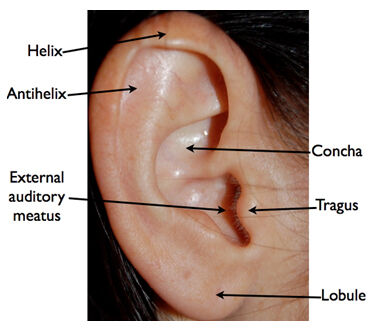
34A r-year-old complains of extreme pain when the tragus is touched. Though not diagnostic, this sign is most indicative of which disorder?
- AAcute otitis media
- BAcute tympanic effusion
- COtitis interna
- DOtitis externa
35Nurse Ashley is caring for an infant who has undergone surgery for infantile glaucoma. What is the priority nursing intervention?
- APlace the child prone postoperatively for comfort
- BTeach the family use of the contact lens
- CPlace elbow restraints on the infant
- DProvide mobile for optical stimulation
36A 2-year-old had been prescribed eye patching for strabismus 6 hours per day. What teaching does nurse Trish provide for the mother?
- ATry to patch 6 hours per day, but if you miss some it is OK
- BPatching is necessary to strengthen vision in the weaker eye
- CPatching will keep the eye from turning in
- DSince the child is so young, patching can be delayed until school age
37A 5-month-old infant with RSV bronchiolitis is in respiratory distress. The baby has copious secretions, increased work of breathing, cyanosis, and a respiratory rate of 78. What is the most appropriate initial nursing intervention?
- AAttempt to calm the infant by placing him in his mother's lap and offering him a bottle
- BAlert the physician to the situation and ask for an order for a state chest radiograph
- CSuction secretions, provide 100% oxygen via mask, and anticipate respiratory failure
- DBring the emergency equipment to the room and begin bag-valve-mask ventilation
38A toddler has moderate respiratory distress, is mildly cyanotic, and has increased work of breathing, with a respiratory rate of 40. What is the priority nursing intervention?
- AAirway maintenance and 100% oxygen by mask
- B100% oxygen and pulse oximetry monitoring
- CAirway maintenance and continued reassessment
- D100% oxygen and provision of comfort
39Nurse Laura is caring for a child with cystic fibrosis who receives pancreatic enzymes. Which statement by the child's mother indicates an understanding of how to administer the supplemental enzymes?
- A"I will stop the enzymes if my child is receiving antibiotics."
- B"I will decrease the dose by half if my child is having frequent, bulky stools."
- C"Between meals is the best time for me to give the enzymes."
- D"The enzymes should be given at the beginning of each meal and snack."
40Which of these factors contributes to infants' and children's increased risk for upper airway obstruction as compared with adults?
- AUnderdeveloped cricoid cartilage and narrow nasal passages
- BSmall tonsils and narrow nasal passages
- CCylinder-shaped larynx and underdeveloped sinuses
- DUnderdeveloped cricoid cartilage and smaller tongue
41Which is the most appropriate treatment for epistaxis?
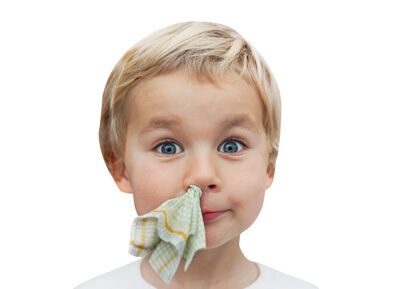
- AWith the child lying down and breathing through the mouth, apply pressure to the bridge of the nose
- BWith the child lying down and breathing through the mouth, pinch the lower third of the nose closed
- CWith the child sitting up and leaning forward, apply pressure to the bridge of the nose
- DWith the child sitting up and leaning forward, pinch the lower third of the nose closed
42Nurse Amarvir is caring for a 5-year-old child with a congenital heart anomaly causing chronic cyanosis. When performing the history and physical examination, what is nurse Amarvir least likely to assess?
- AObesity from overeating
- BClubbing of the nail beds
- CSquatting during play activities
- DExercise intolerance
43A 2-day-old infant was just diagnosed with aortic stenosis. What is the most likely nursing assessment finding?
- AGallop and rales
- BBlood pressure discrepancies in the extremities
- CRight ventricular hypertrophy on ECG
- DHeart murmur
44Sam, age 11, has a diagnosis of rheumatic fever and has missed school for a week. What is the most likely cause of this problem?
- APrevious streptococcal throat infection
- BHistory of open heart surgery at 5 years of age
- CPlaying too much soccer and not getting enough rest
- DExposure to a sibling with pneumonia
45Nurse Jessica is caring for a child after a cardiac catheterization. What is the nursing priority?
- AAllow early ambulation to encourage activity participation
- BCheck pulses above the catheter insertion site for strength and quality
- CAssess extremity distal to the insertion site for temperature and color
- DChange the dressing to evaluate the site for infection
46While assessing a 4-month-old infant, nurse Bao notes that the baby experiences a hypercyanotic spell. What is the priority nursing action?
- AProvide supplemental oxygen by face mask
- BAdminister a dose of IV morphine sulfate
- CBegin cardiopulmonary resuscitation
- DPlace the infant in a knee-to-chest position
47A mother brings her 6-month-old infant to the clinic. The child has been vomiting since early morning and has had diarrhea since the day before. His temperature is 38 degrees Celsius, pulse 140, and respiratory rate 38. He has lost 6 ounces since his well-child visit 4 days ago. He cries before passing a bowel movement. He will not breastfeed today. What is the priority nursing diagnosis?
- AThermoregulation alteration
- BPain (abdominal) related to diarrhea
- CFluid volume deficit related to excessive losses and inadequate intake
- DAlteration in nutrition, less than body requirements, related to decreased oral intake
48A child presents with a 2-day history of fever, abdominal pain, occasional vomiting, and decreased oral intake. Which finding would nurse Laura prioritize for immediate reporting to the physician?
- ATemperature 101.9 degrees Fahrenheit
- BRebound tenderness and abdominal guarding
- CParents will be leaving the child alone in the hospital
- DChild can tolerate only sips of fluid without nausea
49A 3-year-old infant presenting with physiologic jaundice is hospitalized and placed under phototherapy. Which response indicates to nurse Harmeet that the parent needs more teaching?
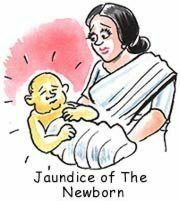
- A"My infant is at risk for dehydration."
- B"My infant needs to stay under the lights, except during feeding time."
- C"My infant can continue to breastfeed during this time."
- D"My infant has a serious liver disease."
50A 3-month-old infant presents with a history of vomiting after feeding. The plan for the infant is to rule out GER. What information from the history would lead nurse Emily to believe that this infant may need further intervention?
- APoor weight gain
- BHas small "spits" after feeding
- CSleeps through the night
- DIs difficult to burp
51Nurse Shannon is caring for a child who has had diarrhea and vomiting for the past several days. What is the priority nursing assessment?
- ADetermine the chid's weight
- BAsk if the family has traveled outside of the country
- CAssess circulation and perfusion
- DSend a stool specimen to the lab
Informações
- Descrição
- Pediatrics
- Autor
- mminter002
- Idioma
- English
- Visualizações
- 900
- Histórico
- Criado em 11 mai 2015 · atualizado em 13 dez 2017
- Etiquetas
- Avaliação
- Ainda sem avaliações Avalie este quiz