Flashcards
100 BUILDINGS
Flashcards do conjunto (92)
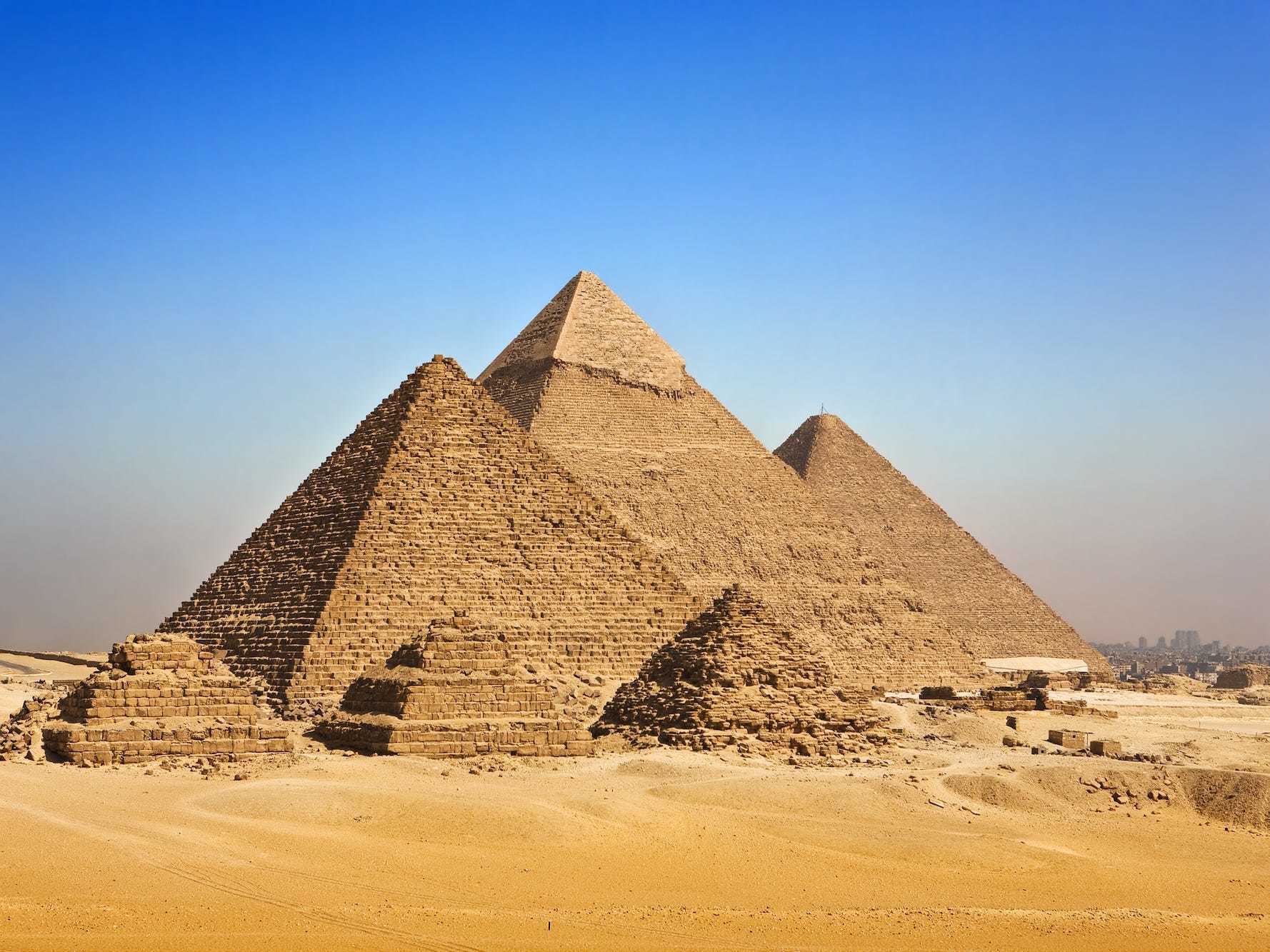
- 1—Great Pyramids at Giza, Egypt, 2550-2460BCE
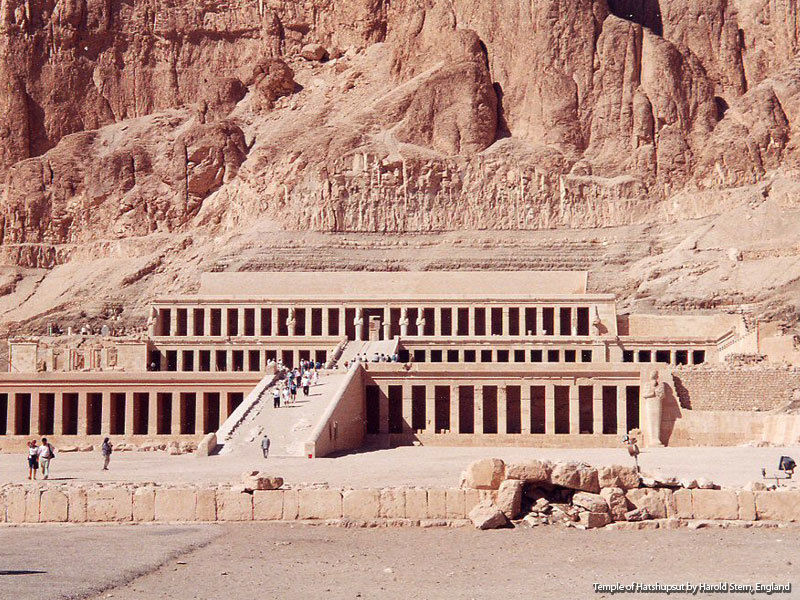
- 2—Mortuary Temple of Queen Hatshepsut, Deir el-Bahari, Egypt, 1473-1458BCE
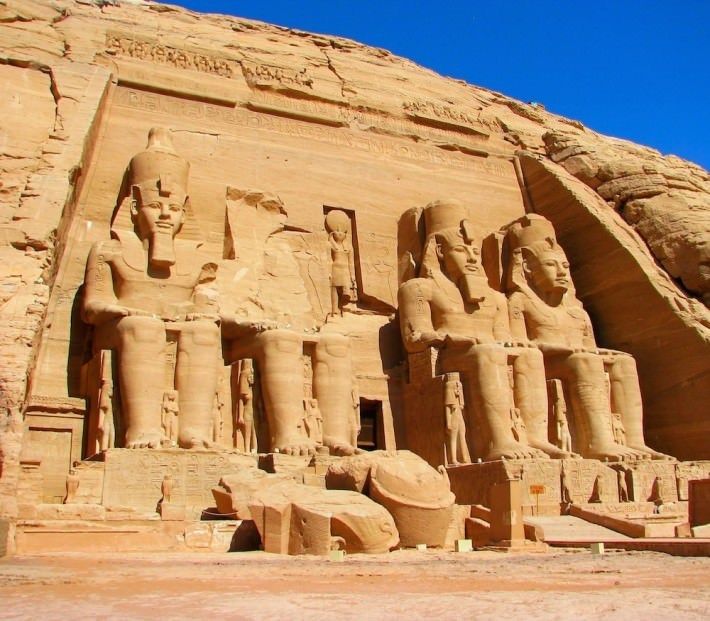
- 3—Great Temple of Ramesses II, Abu Simbel, Egypt, 1285-1255BCE
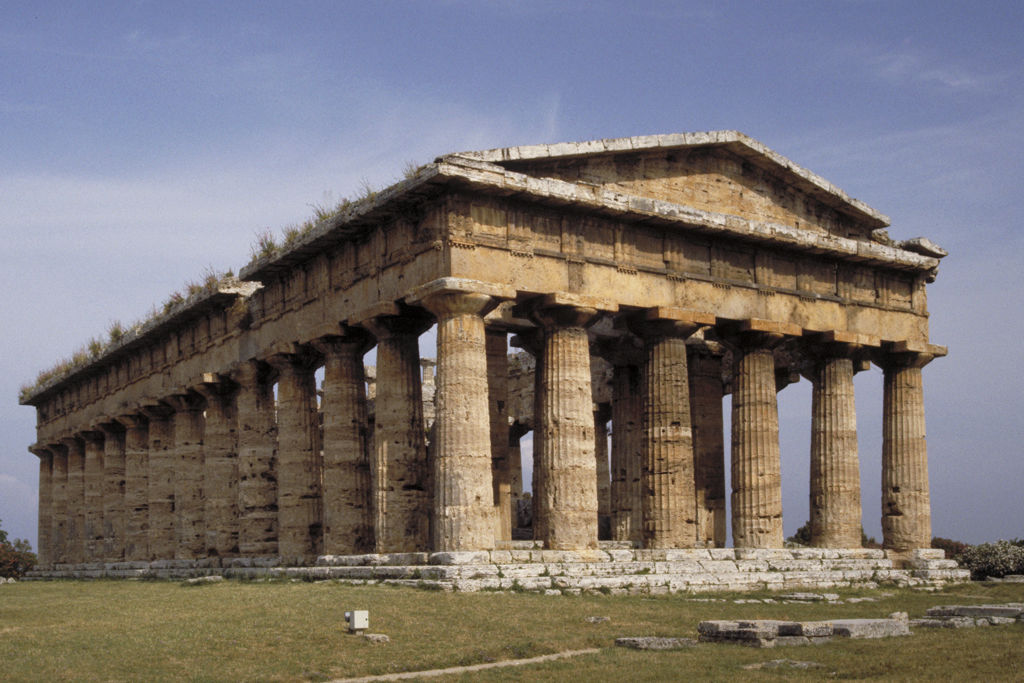
- 4—Temple of Hera ii, Paestum, 500BCE
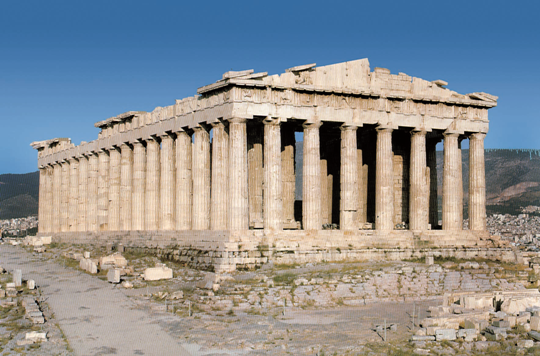
- 5—Parthenon Athens, Iktinos and Kallikrates, (447-432BCE), Athens.
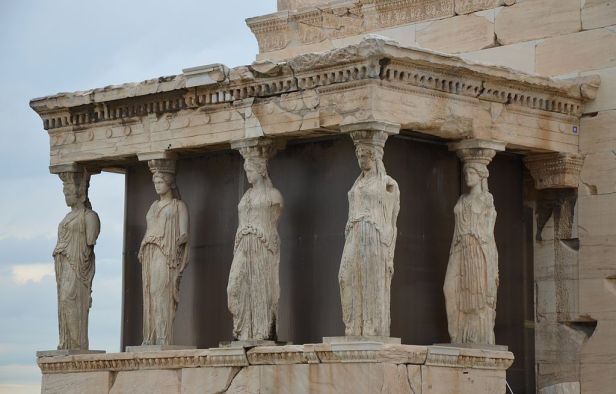
- 6—Caryatid Porch, The Erechtheon, Athens (421-405BCE)
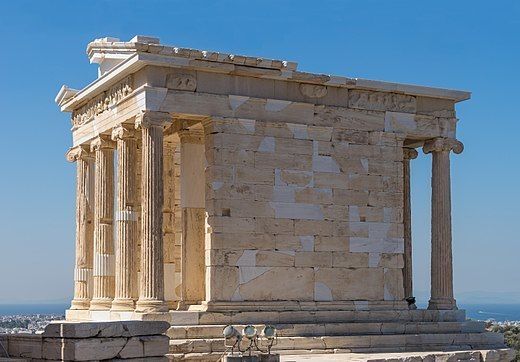
- 7—Temple of Athena Nike, Athens, 425BCE
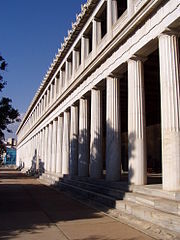
- 8—Stoa of Attalos II, Athens, (159-138BCE)
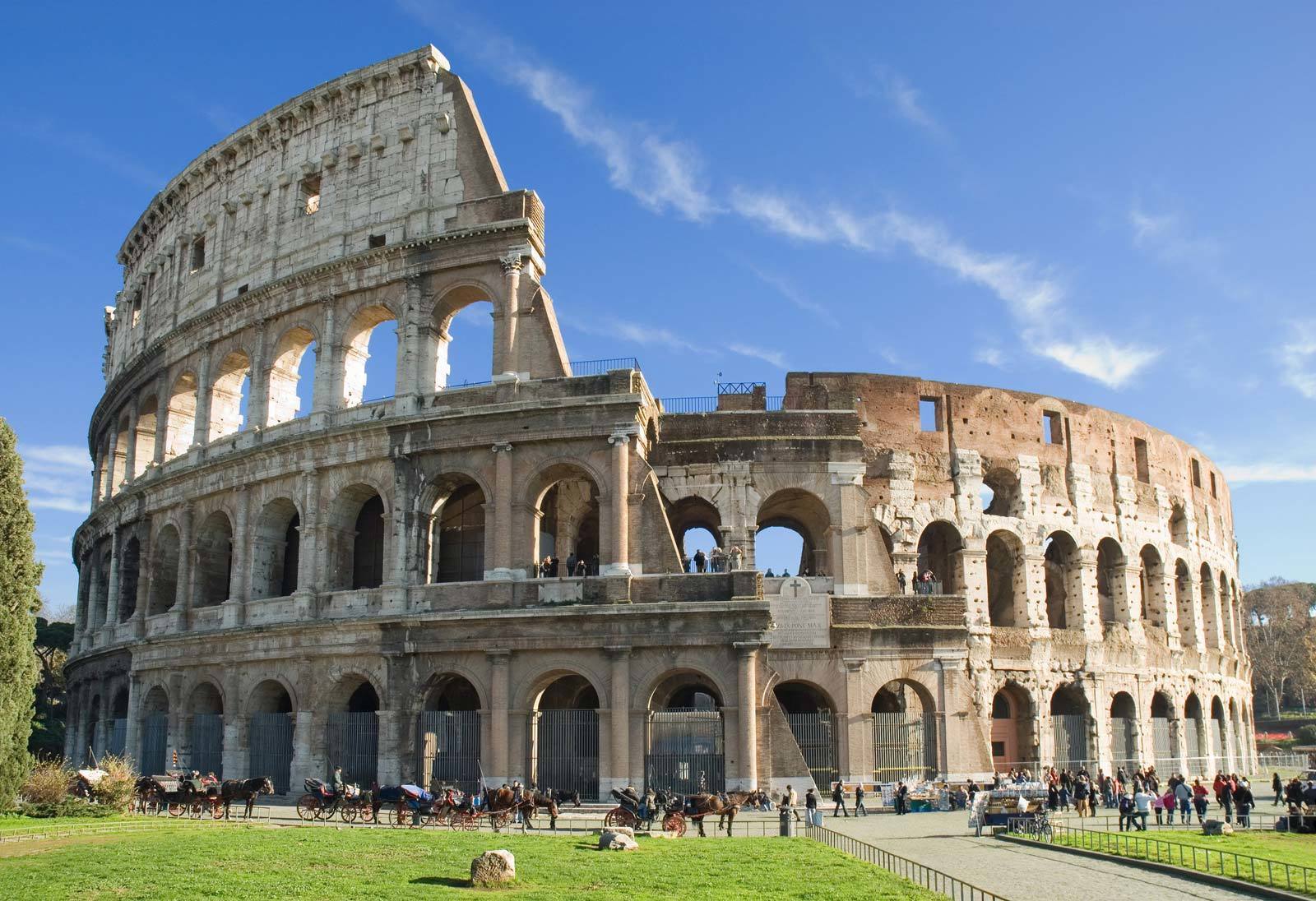
- 9—The Colosseum, Rome, (1st Century CE)
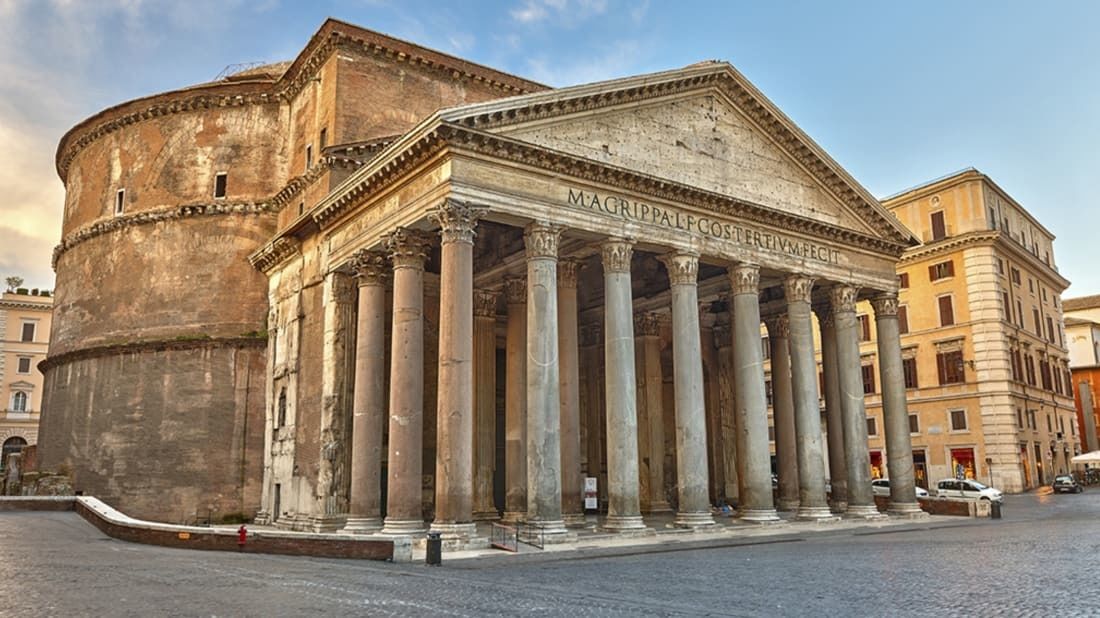
- 10—Pantheon, Rome, (118-125 CE)
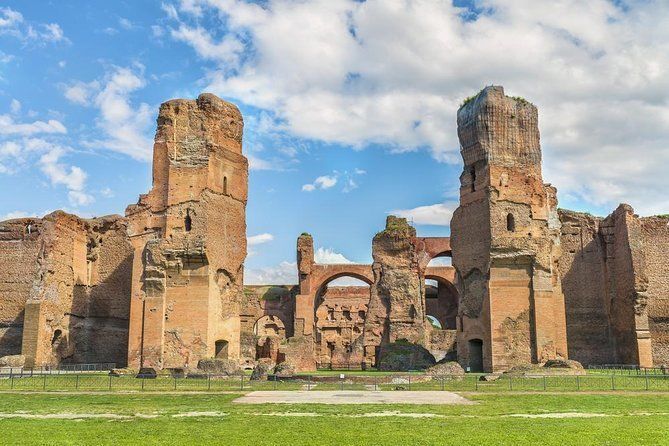
- 11—Baths of Caracalla, Rome, early 3rd century CE
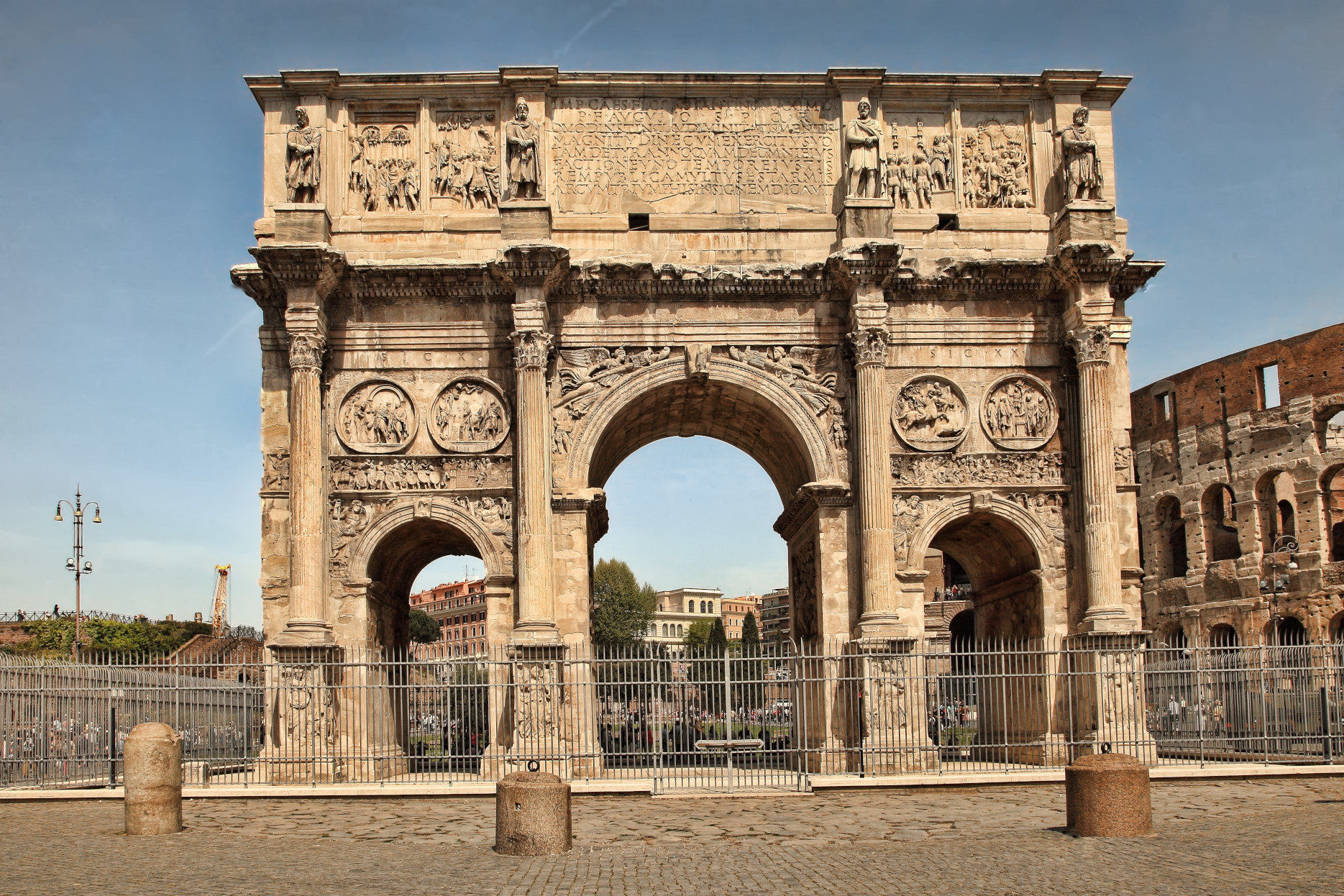
- 12—Arch of Constantine, Rome, 285-337CE
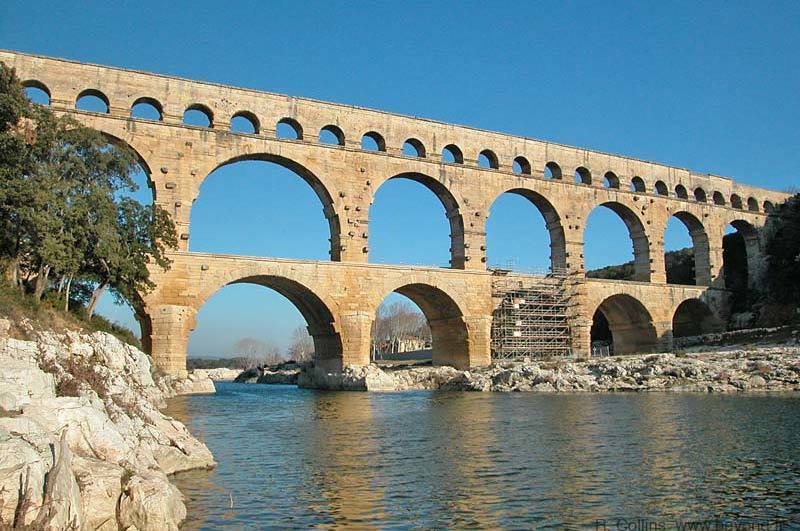
- 13—Pont du Gard, Remoulins, France, 20-16BCE
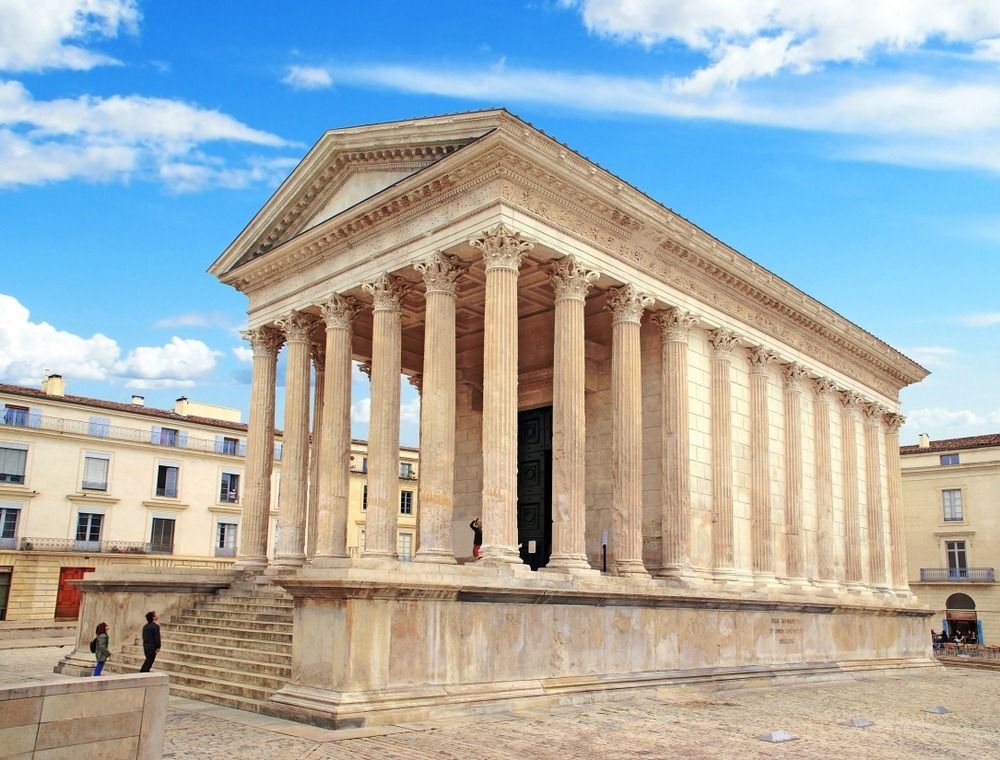
- 14—Maison Caree, Nimes, France, 4CE
- 15—S. Apollinare Nuovo, Ravenna, Italy, 493-525CE
- mosaics on both sides of wall dictating stories from the bible
-shows Jesus aging as one side he is seen as aged with a beard
- mosaics executed by two artists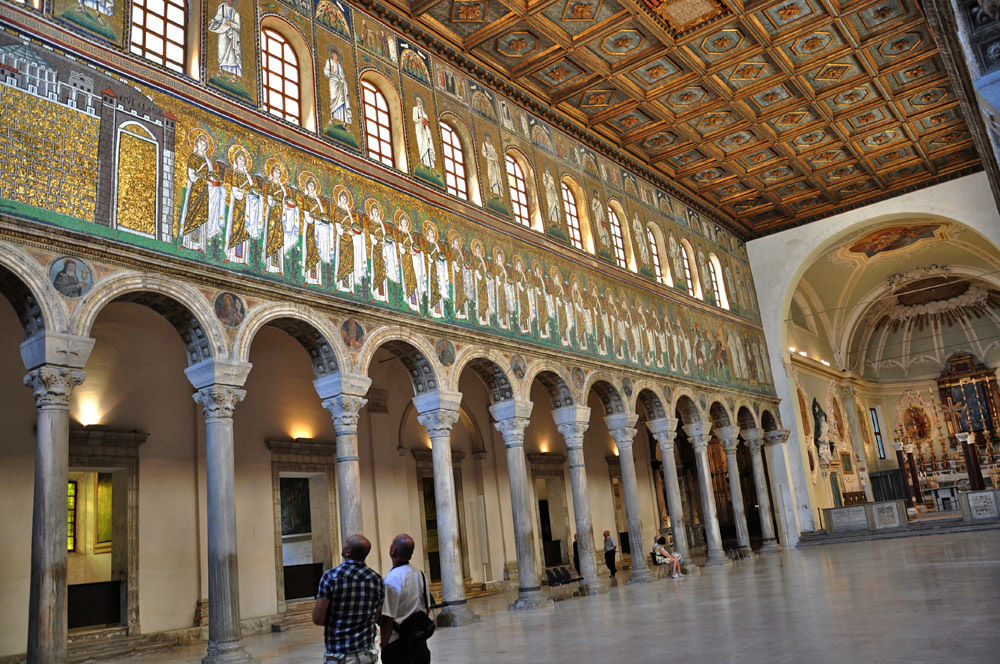
- 16—Hagia Sophia, Istanbul, 532-537CE
-originally constructed as a church
-sand and the ceramic equivalent of modern concrete
- the structure consists of brick and mortar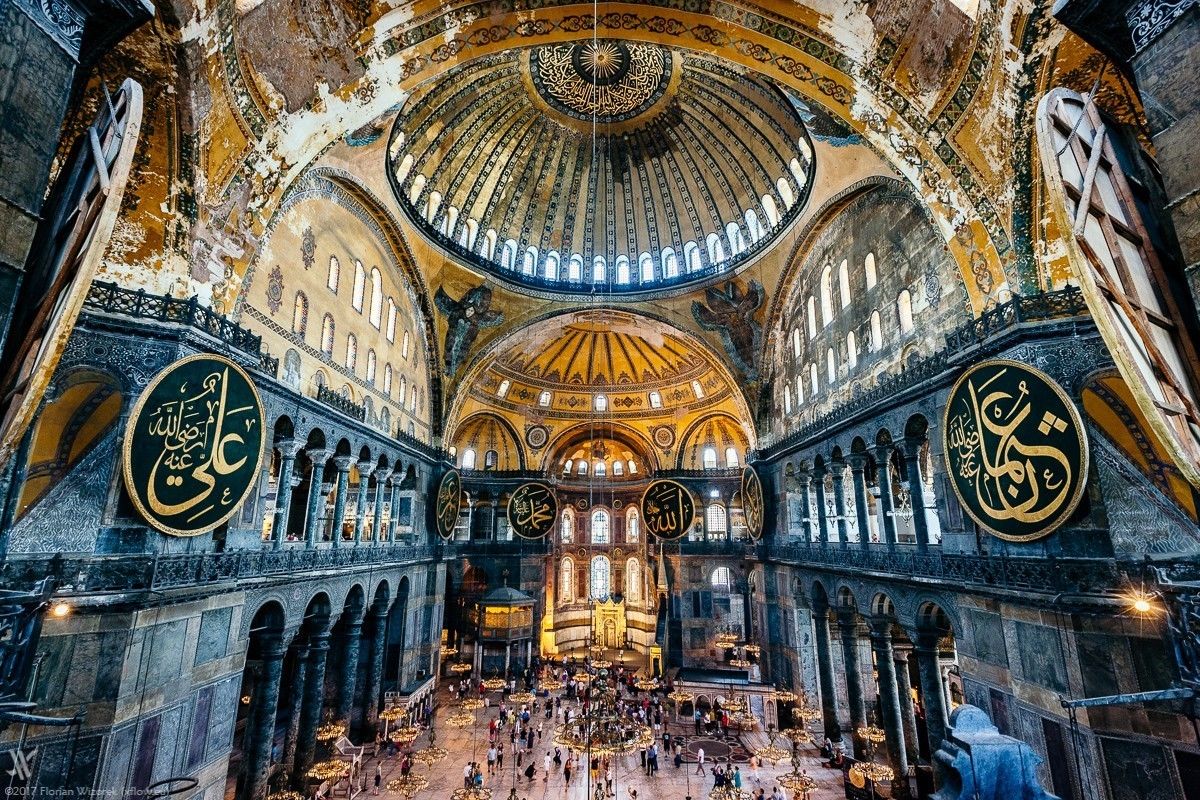
- 17—Speyer Cathedral (nave) begun 1030CE, rebuilt 1082CE
-the cathedral was a burial place for german emperors
- biggest romanesque church in the world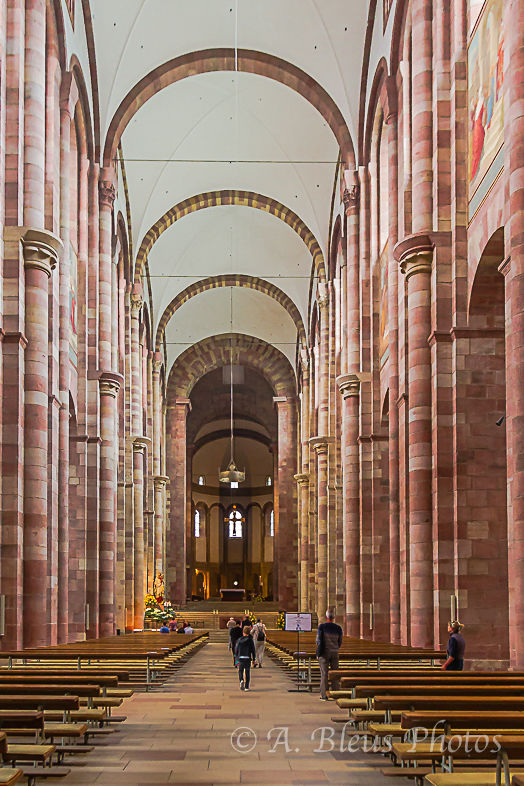
- 18—S. Miniato al Monte, Florence, begun 1013CE
-front facade is made from marble
- high elevation gives scenic view of Florence when facing away from the facade
- orignally shrine to Armenian prince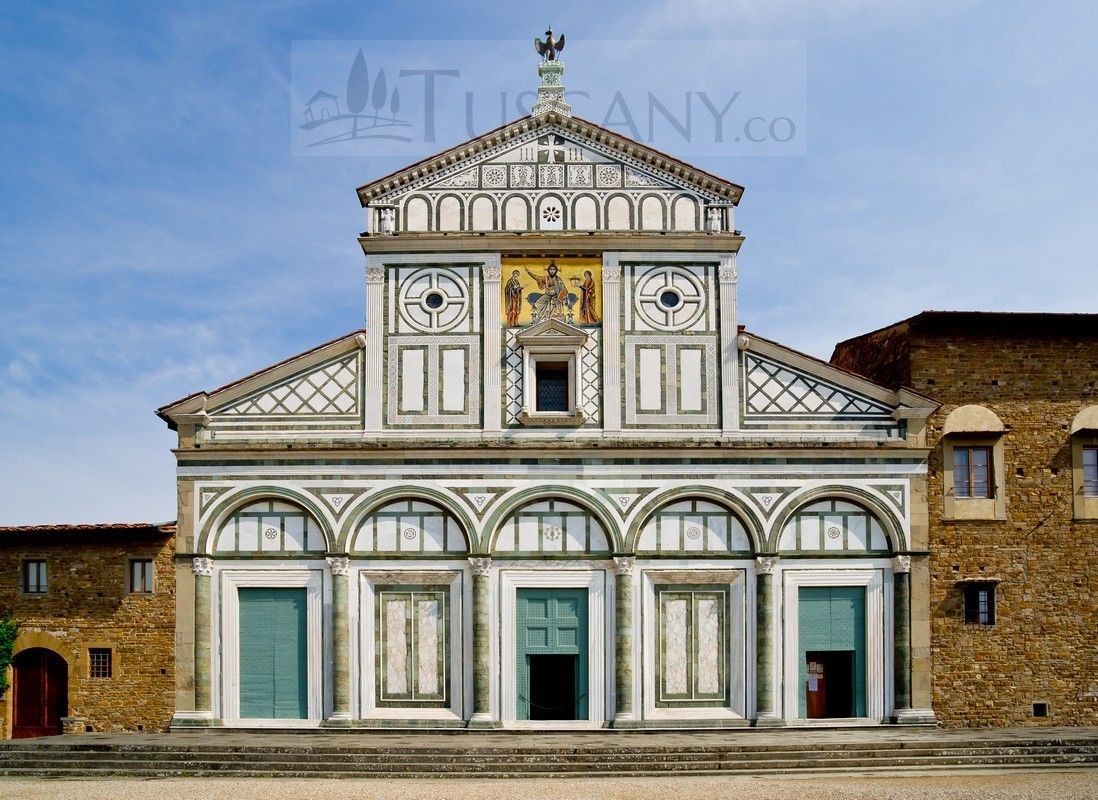
- 19—Dome of the Rock, Jerusalem, 690CE
-the interior contains Qur'anic inscriptions
-heart of Quran inscribed on tile-work
-built on site of great religious significance- abraham attempted to sacrafice his son here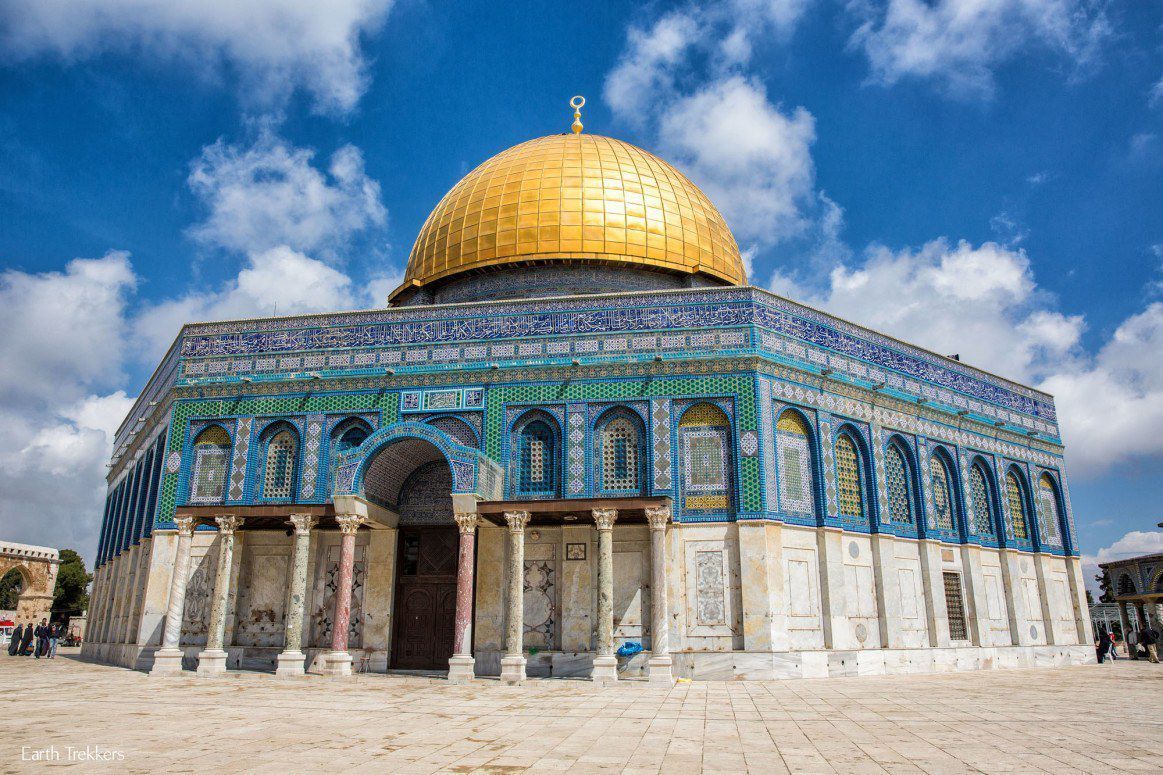
- 20—Great Mosque of Damascus, Syria, 715CE
-Muslims believe Jesus will return here at the end of days
-dedicated to john the baptist
-place of worship since iron age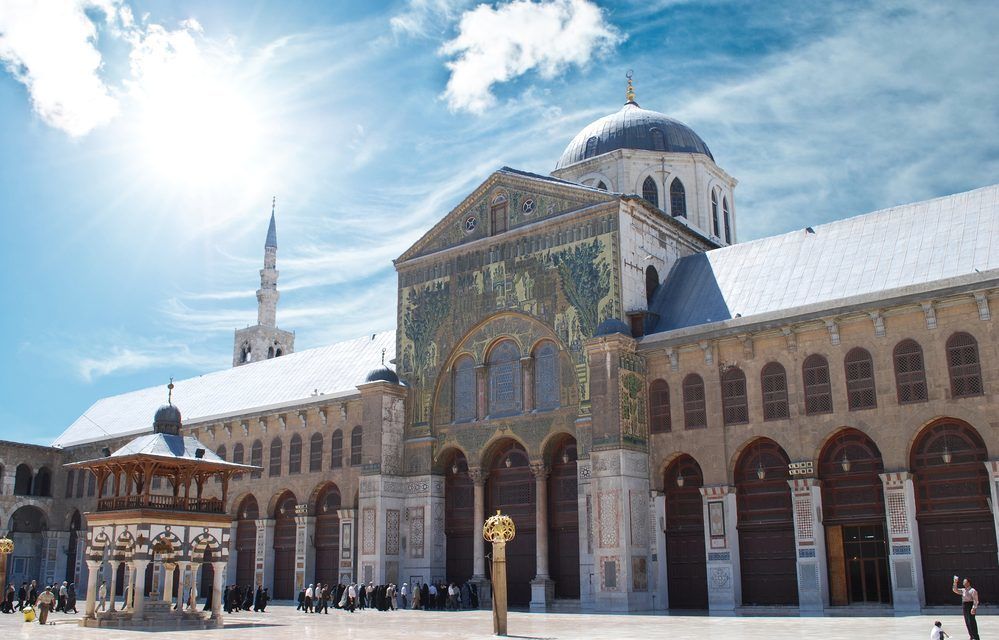
- 21—Great Mosque of Cordoba, Spain, Abd Al-Rahman I, 784CE
-believed site originally housed Christian church
-856 columns in hypostyle hall
- double arches innovation that allowed higher ceiling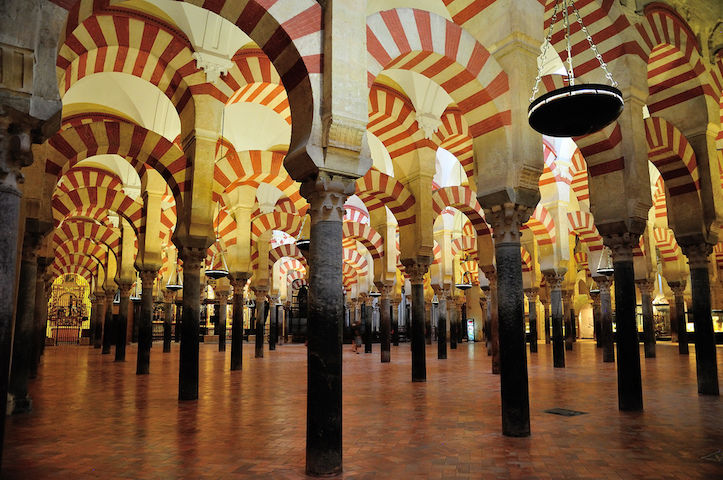
- 22—Minaret, Great mosque of Samarra, Iraq, Abbasid caliph al-Mutawakkil 848-852 CE
-originally connected to mosque by bridge
-constructed from sandstone
-top used as place of prayer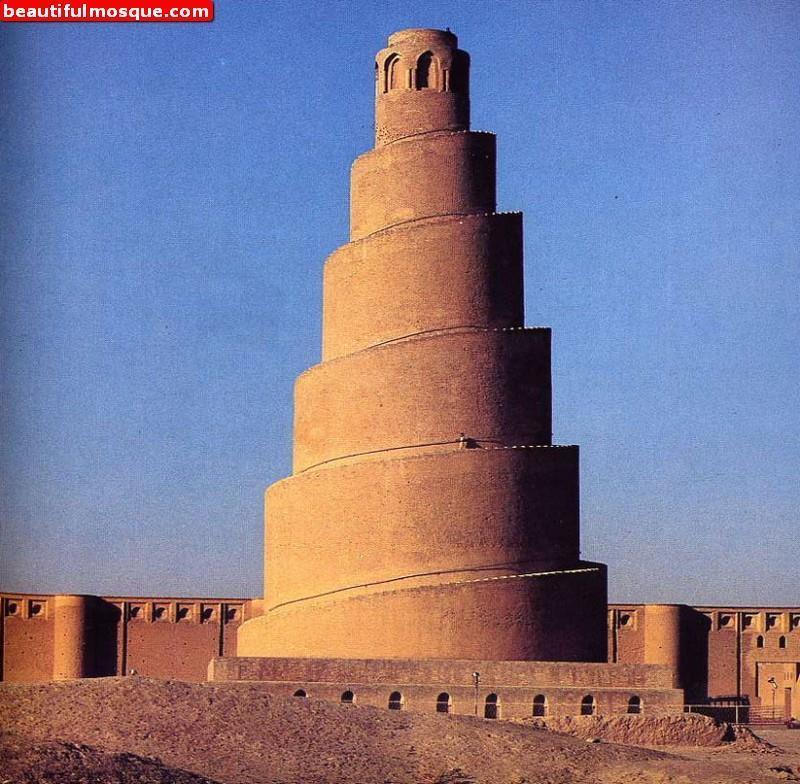
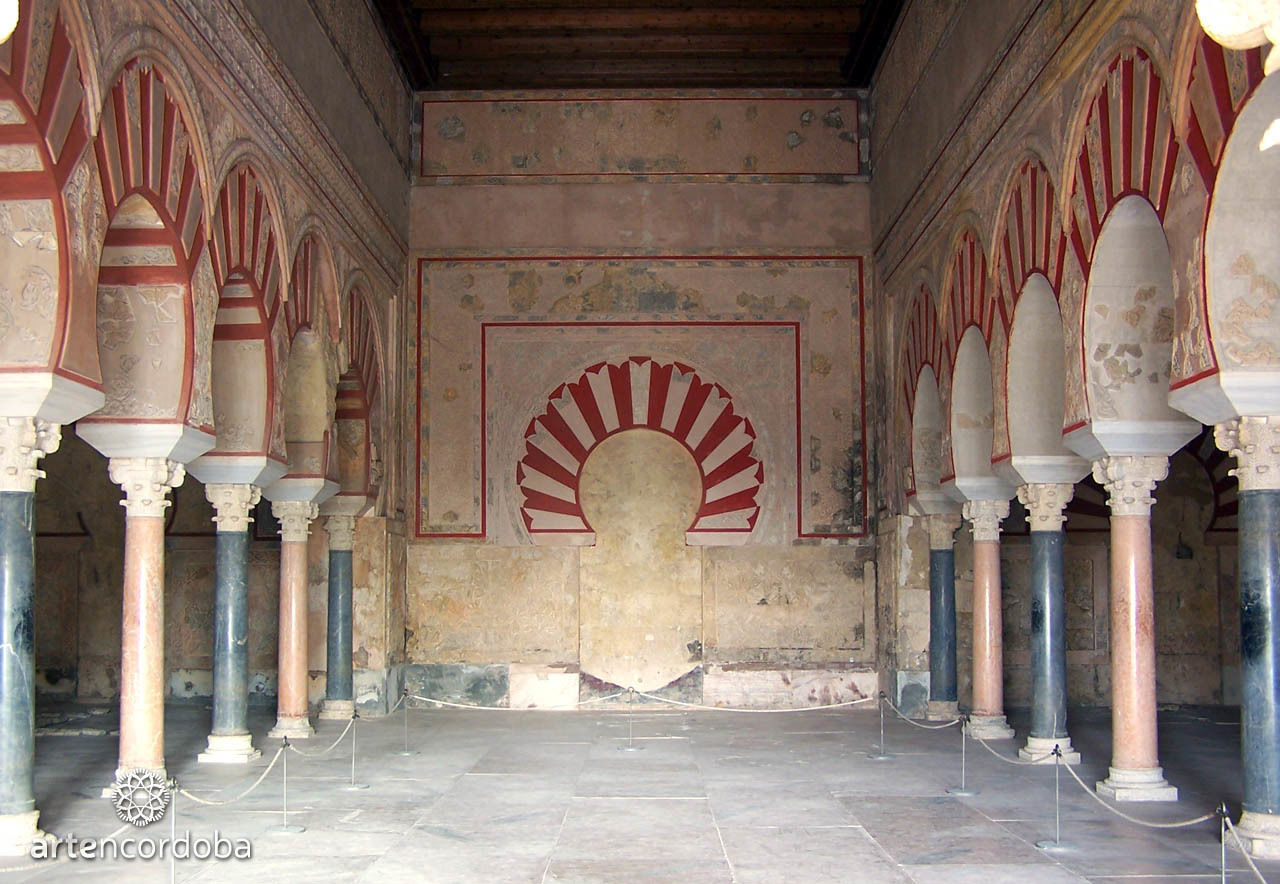
- 23—reception Hall (Salon Rico), Madinat al-Zahra’, Córdoba First Cordoban caliph, ‘Abd al-Rahman III, c. 936 CE
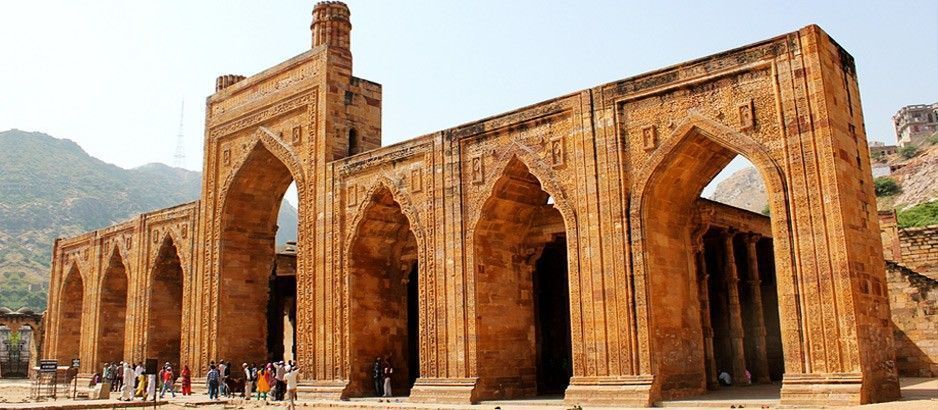
- 24—Adhair Din Ka Jhonpra, Mosque, Ajmir, India. 1192-1213CE
- 25—Humayun's Tomb, Delhi, India, 1565-1572CE
-ordered to be built by humayuns wife which she paid for entirely
-inspired by persian architecture, first to use double dome in india
-made from red sandstone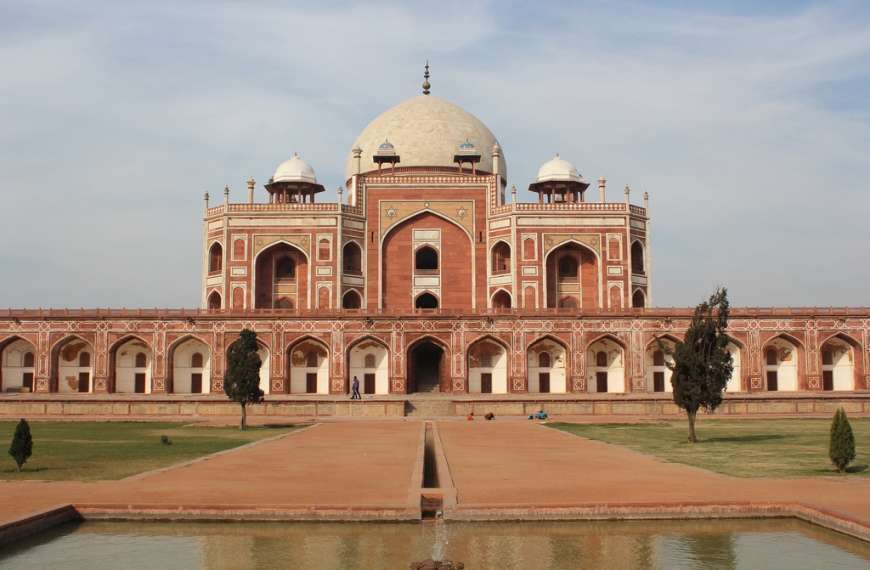
- 26—Yahya ibn al-Qasim Tomb, Mosul, Iraq, 1239CE
-walls previously engraved with decorations
-mosque and shrine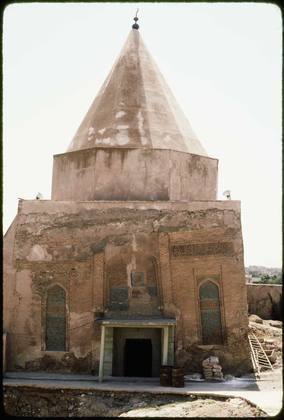
- 27—Sheikh Lotfollah Mosque, isfahan, Iran, 1603-1619
-calligraphy and decoration in tiles exceeded anything done before
- gateway constructed of marble
-simiple plan contrasts with high level of decoration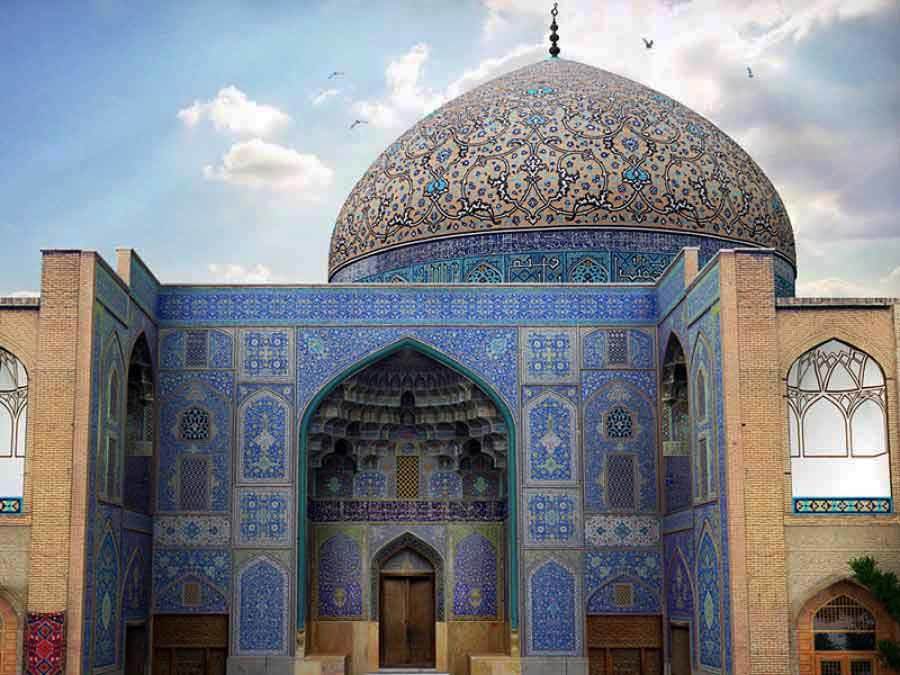
- 28—The Taj Mahal, Agra, 1632-39CE
-constructed from ivory-white marble
- construction employed 20000 artisans overseen by board of architects
- built in memory of shan jahans wife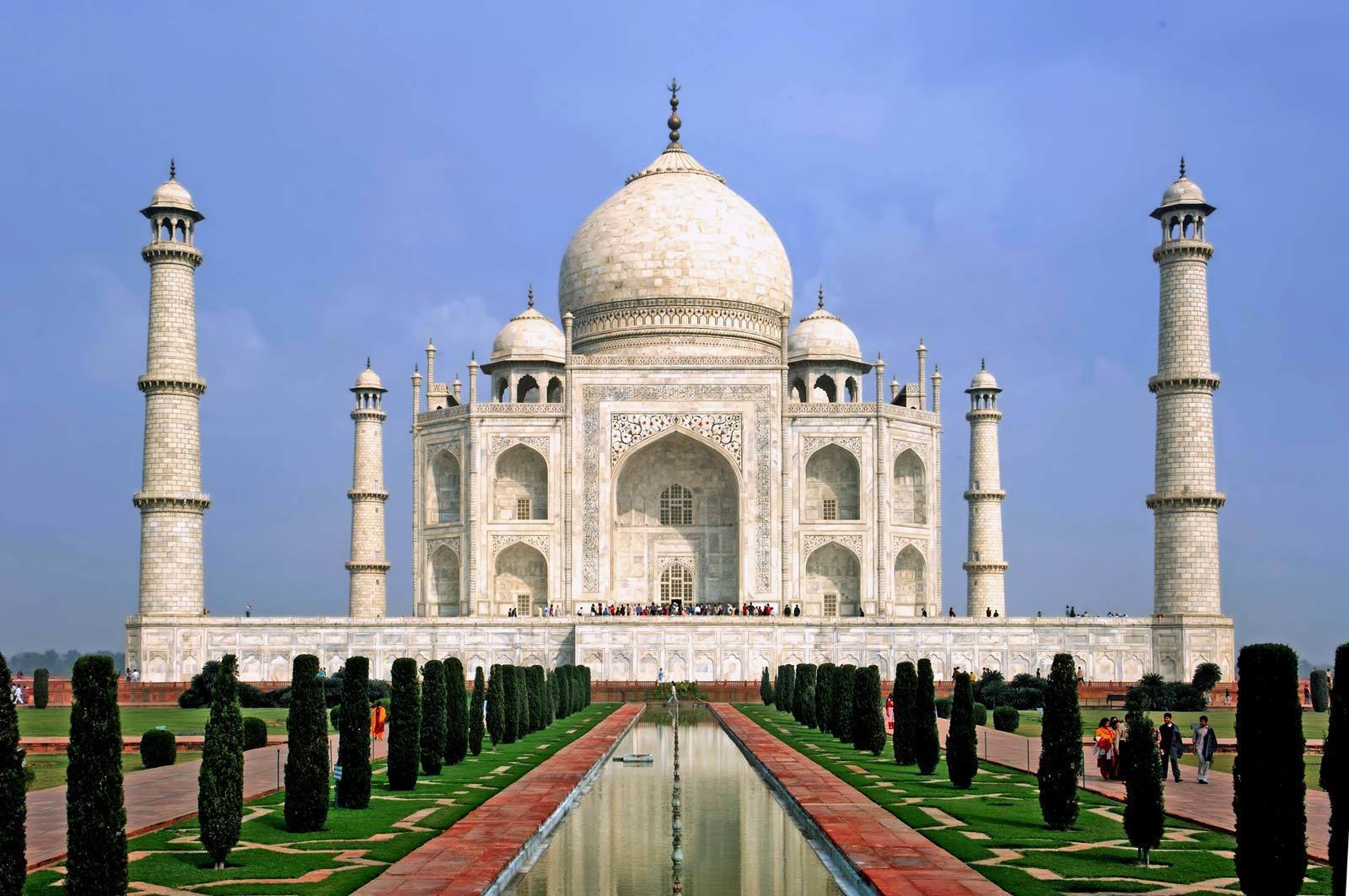
- 29—Abbey Church of St. Denis, Abbot Suger, near Paris, France, 1140CE
-burial place of French kings from 10th to 18th century
- features all elements of gothic architecture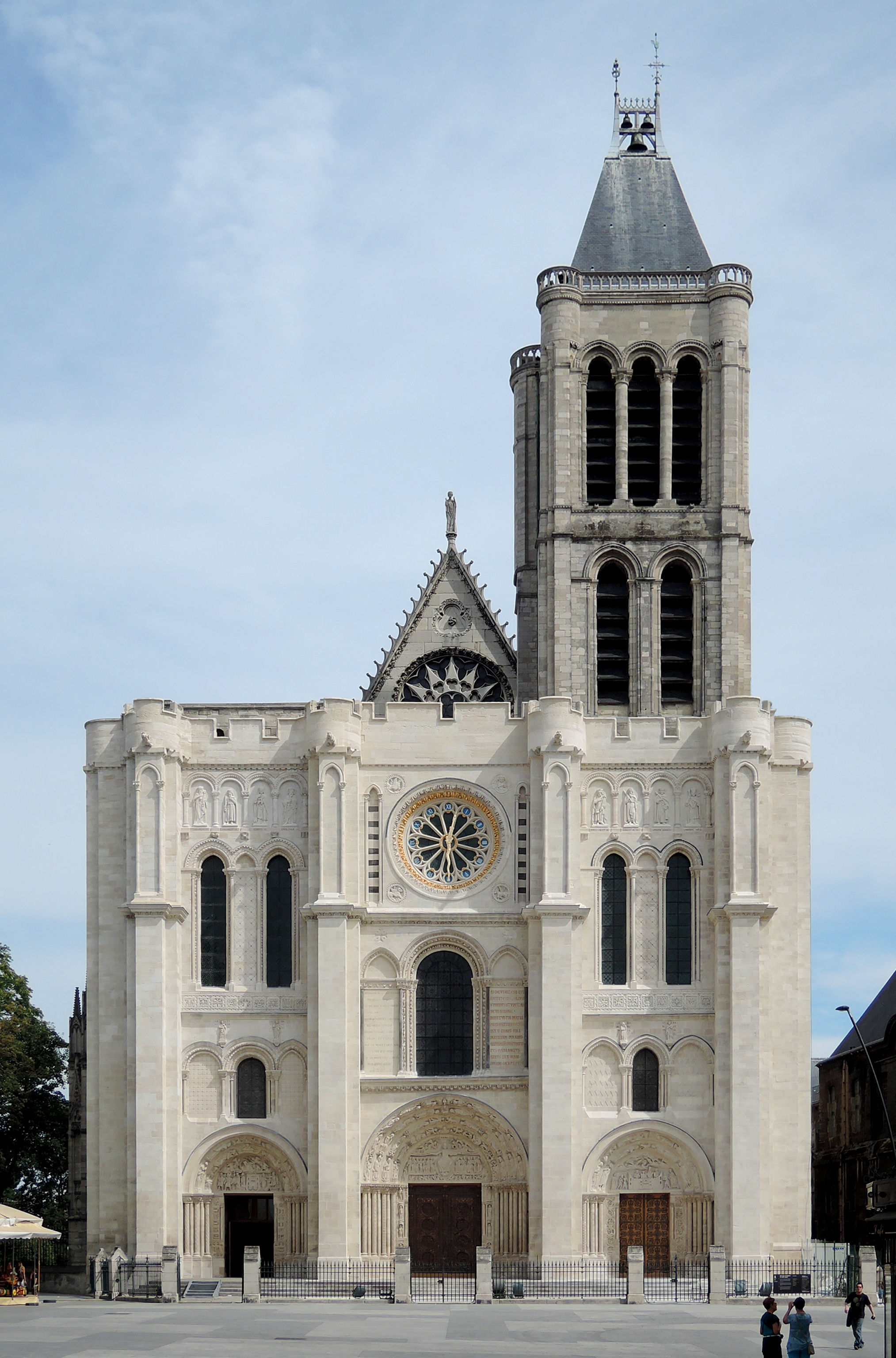
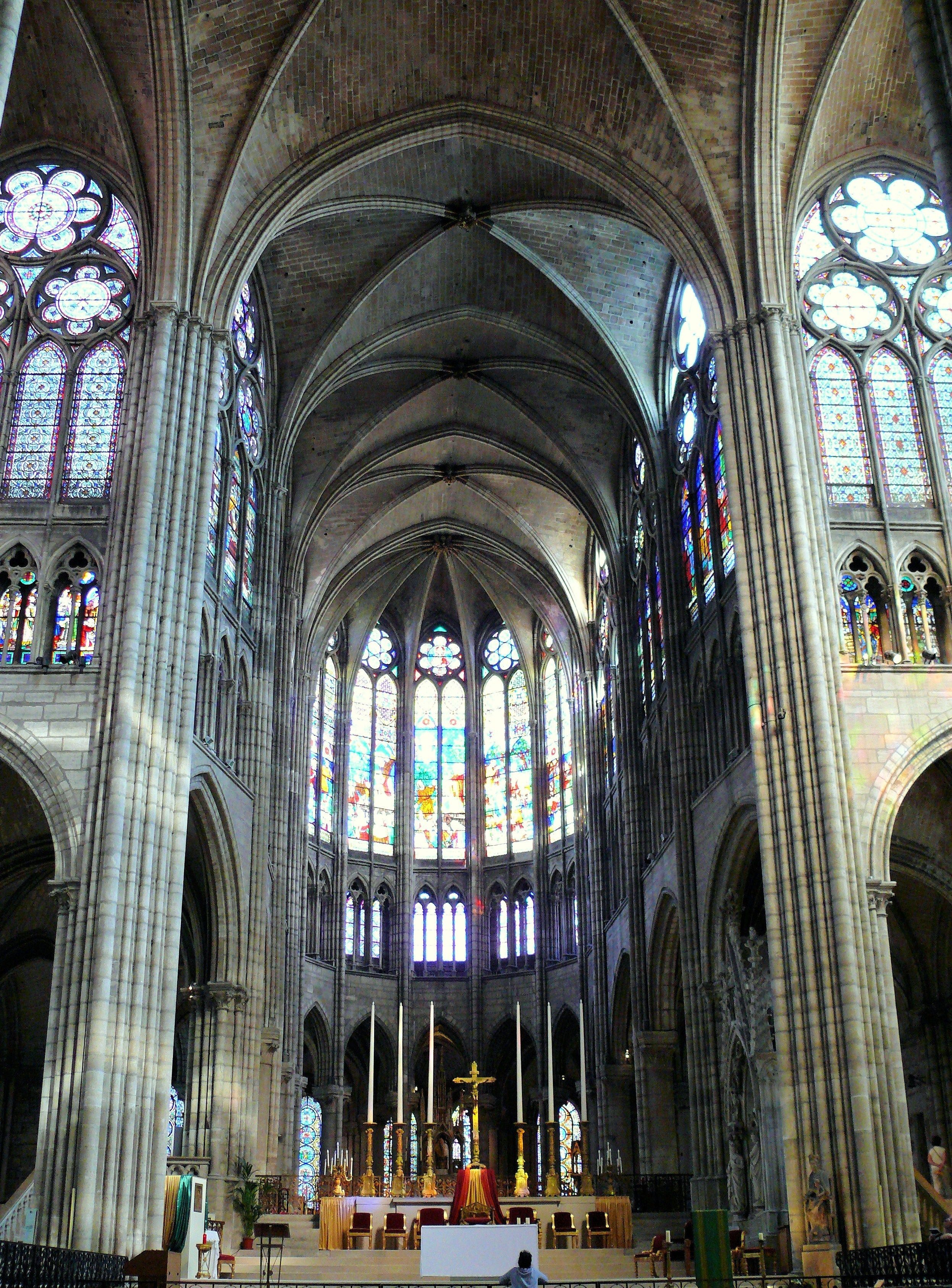
- 30—Abbey Church of St Denis, Abbot Suger
- 31—Chartres: Cathedral West façade, Chartres (France)
rebuilt 1194-1260 CE,
- two towers built at different times as north tower replaces older one destroyed in a fire
- south tower more romanesque
- five earlier cathedrals stood on this site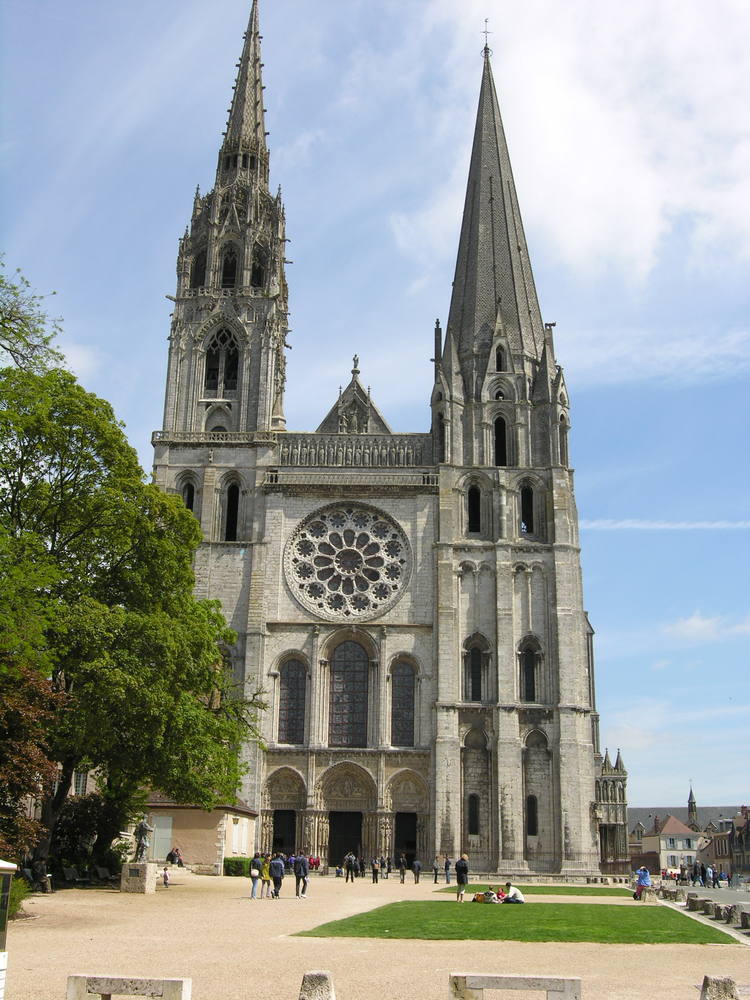
- 32—Strasbourg Cathedral, Facade attributed to Erwin von Steinbach, begun c. 1277 CE
- contains elements of romanesque and gothic architecture
- took entire 13th century to build nave
- original cathedral burned to ground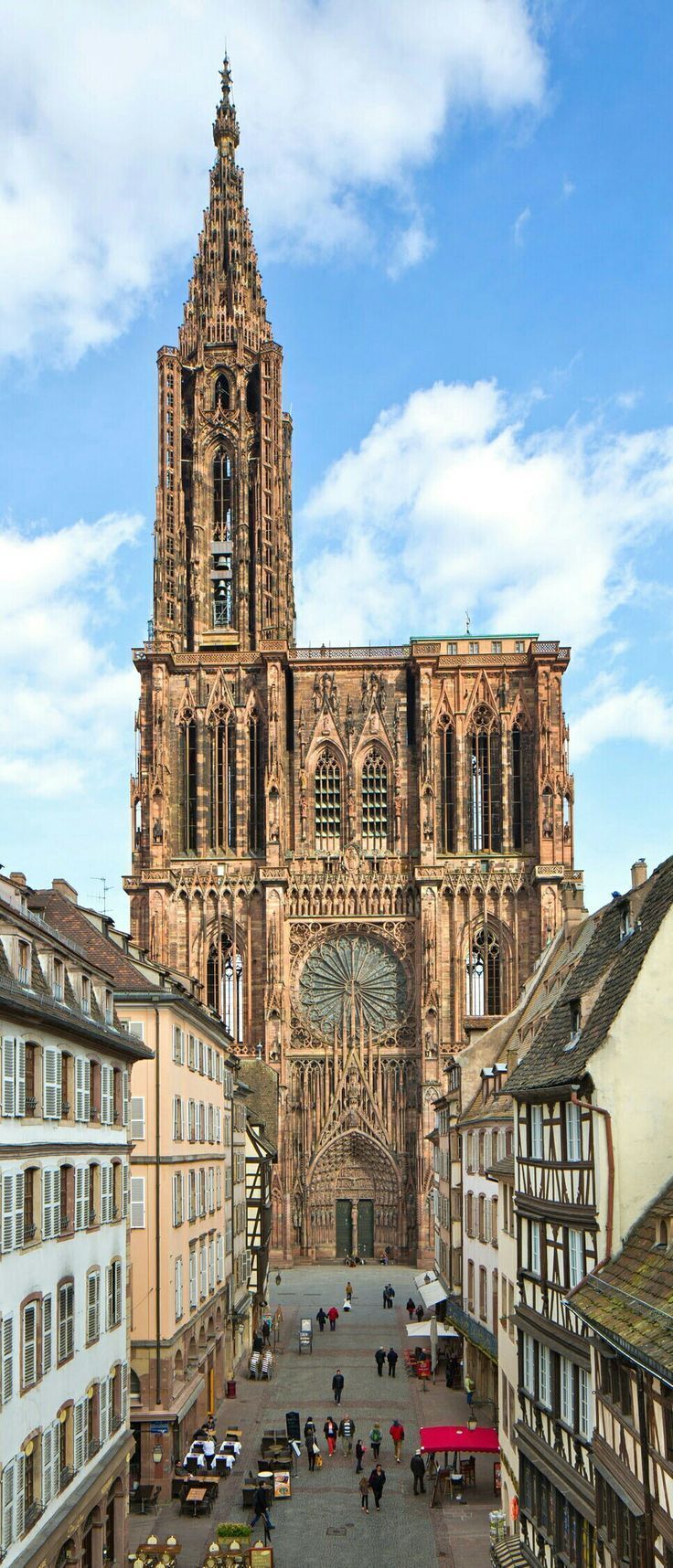
- 33—Filippo Brunelleschi, Dome of Florence Cathedral, completed 1436CE
- when it was designed it was the biggest dome in the world
- built without scaffolding so it supported itself through construction
- Brunelleschi oversaw the project himself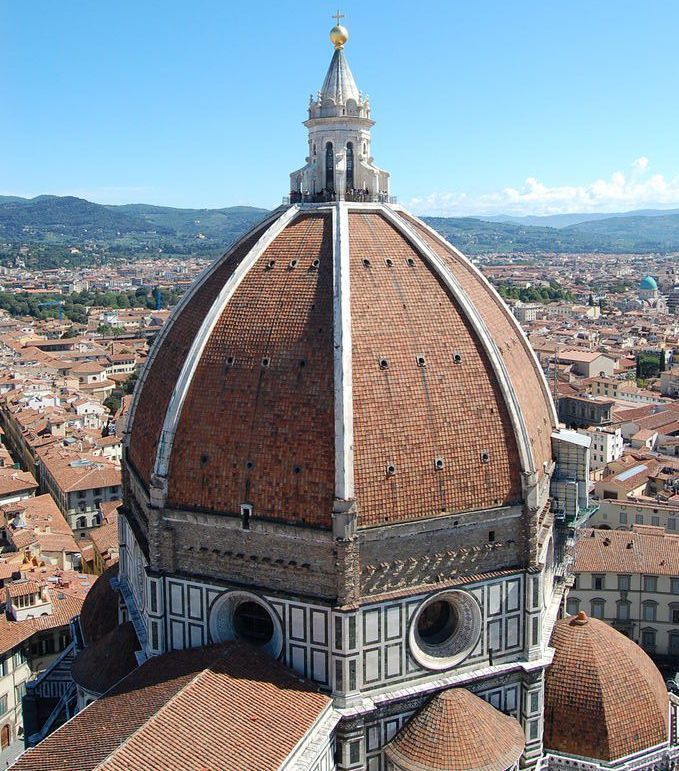
- 34—Goodrich Castle, Herefordshire, William and Joan De Valence, c.1250
-constructed from light grey sandstone
- spurs on towers prevent undermining of towers by attackers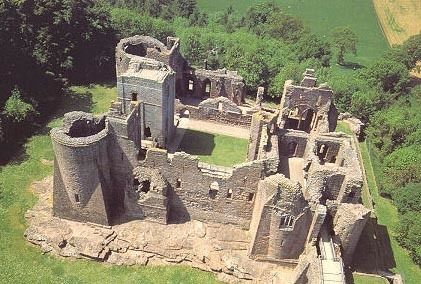
- 35—Merchant Adventurers Hall, York, 1357-61
-built as a religious fraternity
-the largest timber-framed building standing in the UK
- still used for worship to this day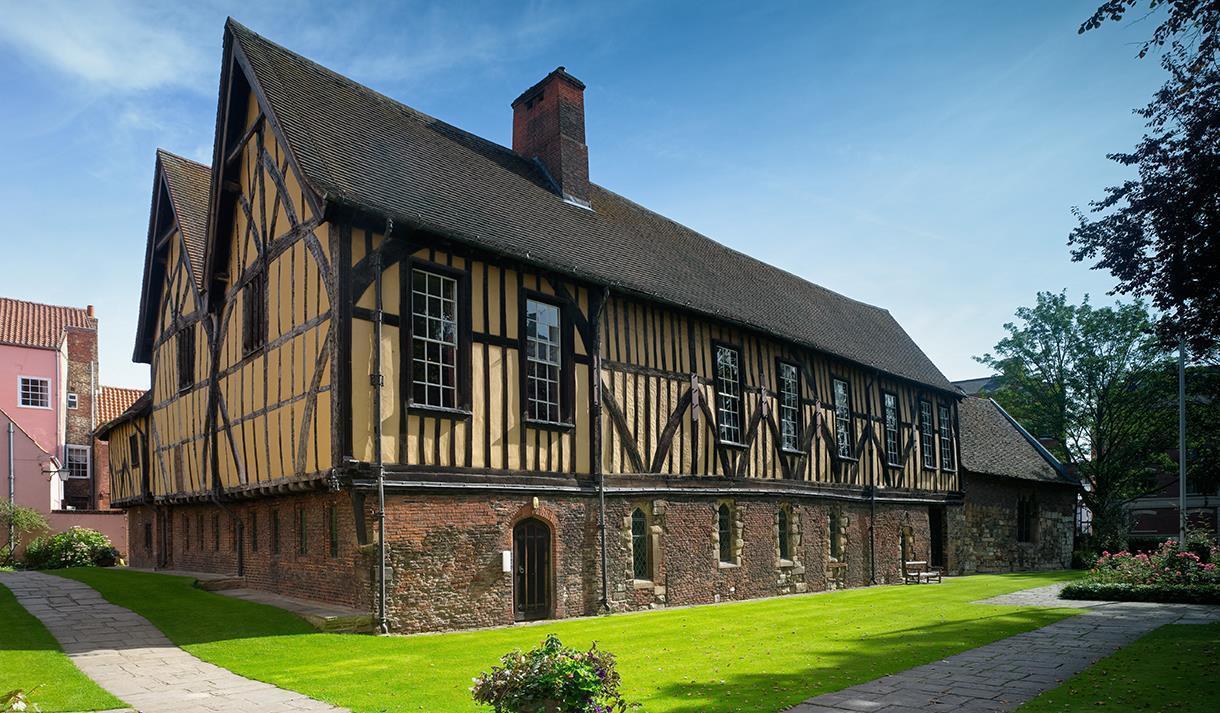
- 36—Crichton Castle, Midlothian, John Crichton,1390-1406
- four buildings arranged around an inner courtyard
- courtyard facade Italian inspired diamond rustication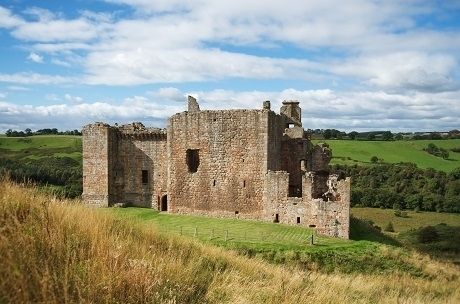
- 37—Canongate Tolbooth, Sir Lewis Bellenden,1591
- was built as the center of administration and injustice
- part of edinburghs old town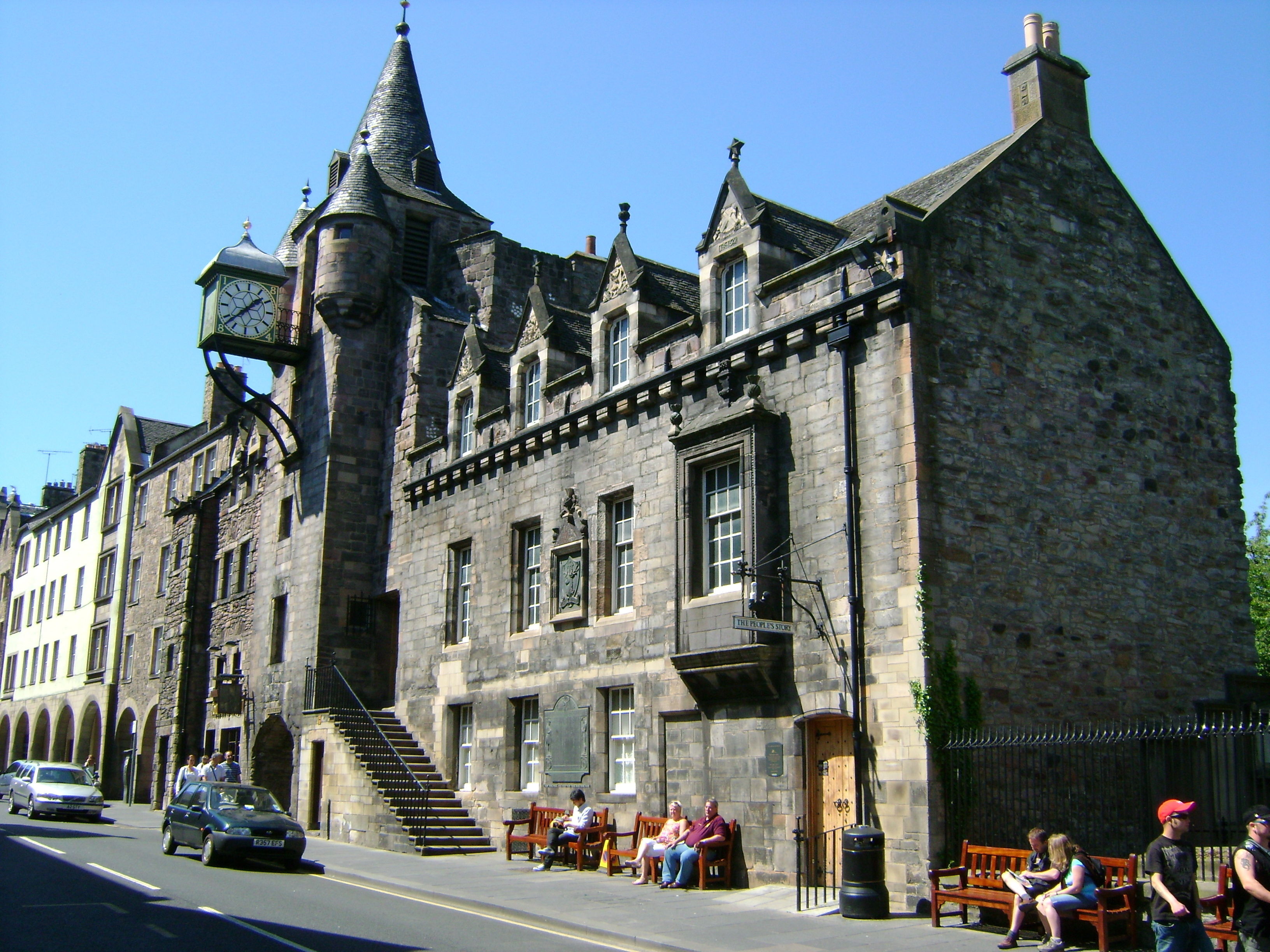
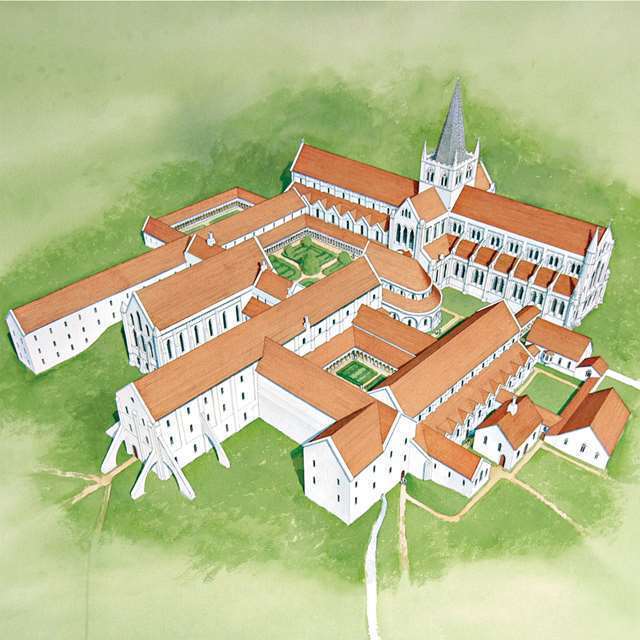
- 38—Rievaulx Abbey, Yorkshire, Abbot Aelred, begun 1130s
-remote location ideal for strict life of prayer and self-sufficiency
-
- 39—Palazzo Medici Riccardi,Michelozzo di Bartolomeo, Florence 1444-1460 CE
- famous for stone masonry which includes rustication
-purposefully plain facades to communicate the wealth of family through its slickness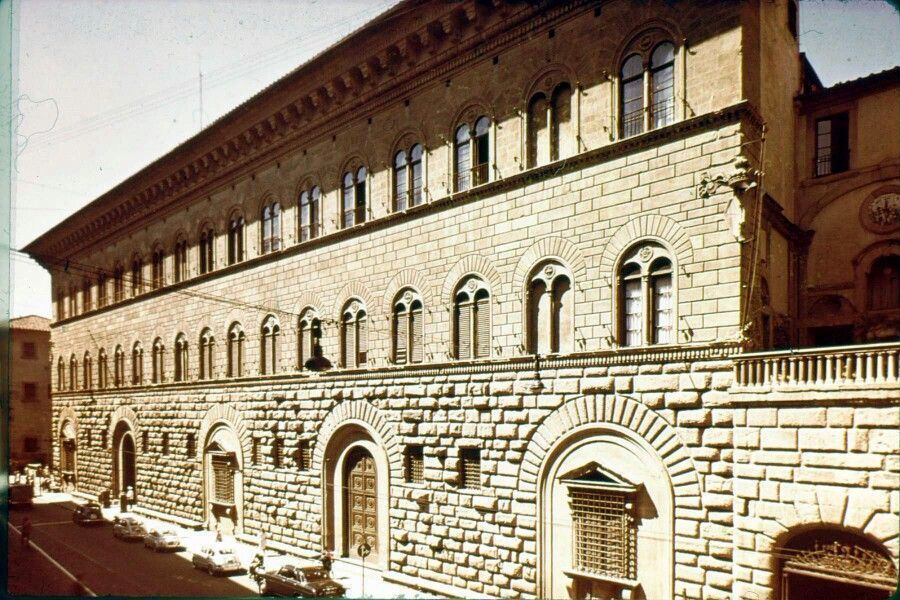
- 40—Filippo Brunelleschi, Ospedale degli Innocenti, Florence, Italy begun 1419 CE
-originally a childrens orphanage
- arches made in composite order, most highly decorative
-semicircular arches bring back classical style, no longer pointed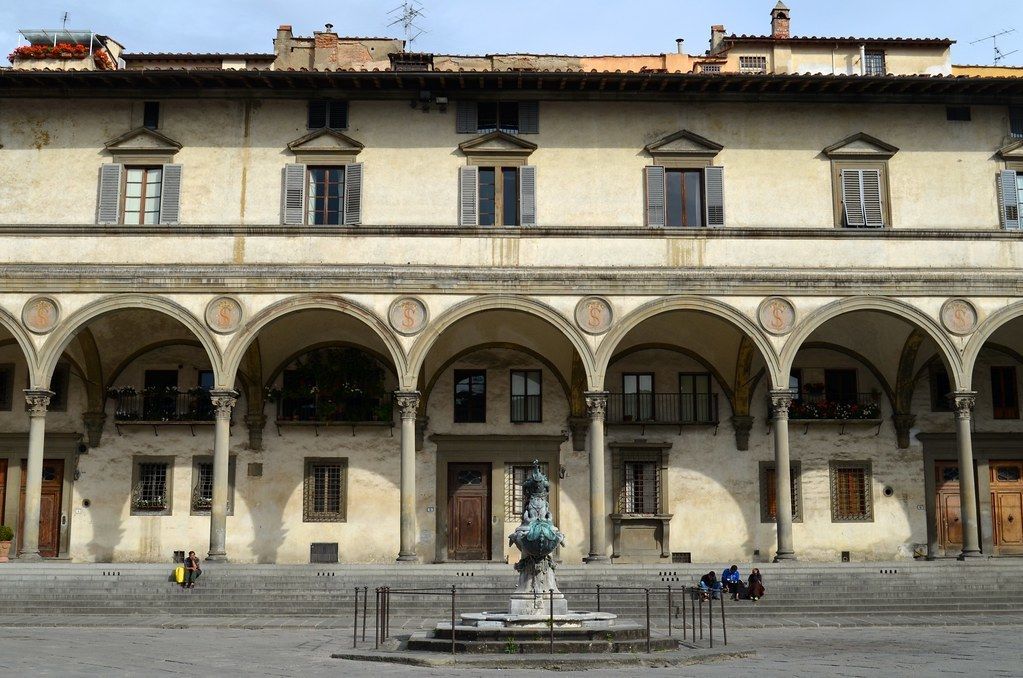
- 41—Donato Bramante, Tempietto, Rome, 1502 CE
-shrine to st peters cruxifiction
-frescoes in interior completed by 16th and 17th century masters
- takes inspiration from roman pantheon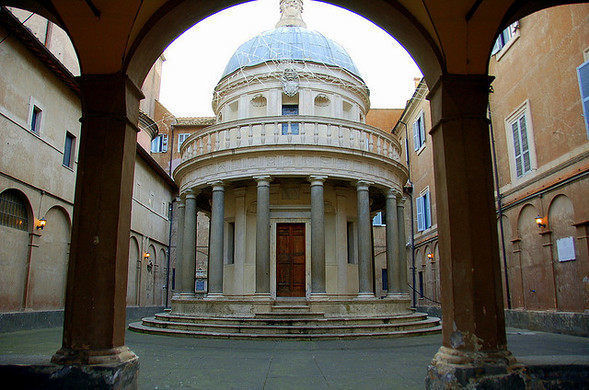
- 42—Palazzo Farnese, Antonio da Sangallo the Younger & Michelangelo Buonarroti, Rome
begun 1517
- now serves as french embassy
- example of high renaissance
- basins from baths at caracalla used as fountains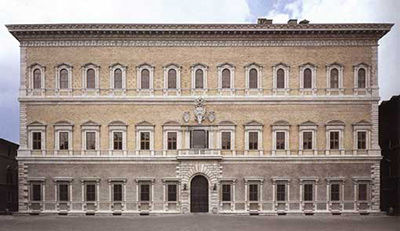
- 43—Michelangelo, Vestibule to the Laurentian Library, Basilica di San Lorenzo, 1559
-design if stairs said t have altered overall design
-treads vary in width
- lit by windows in bays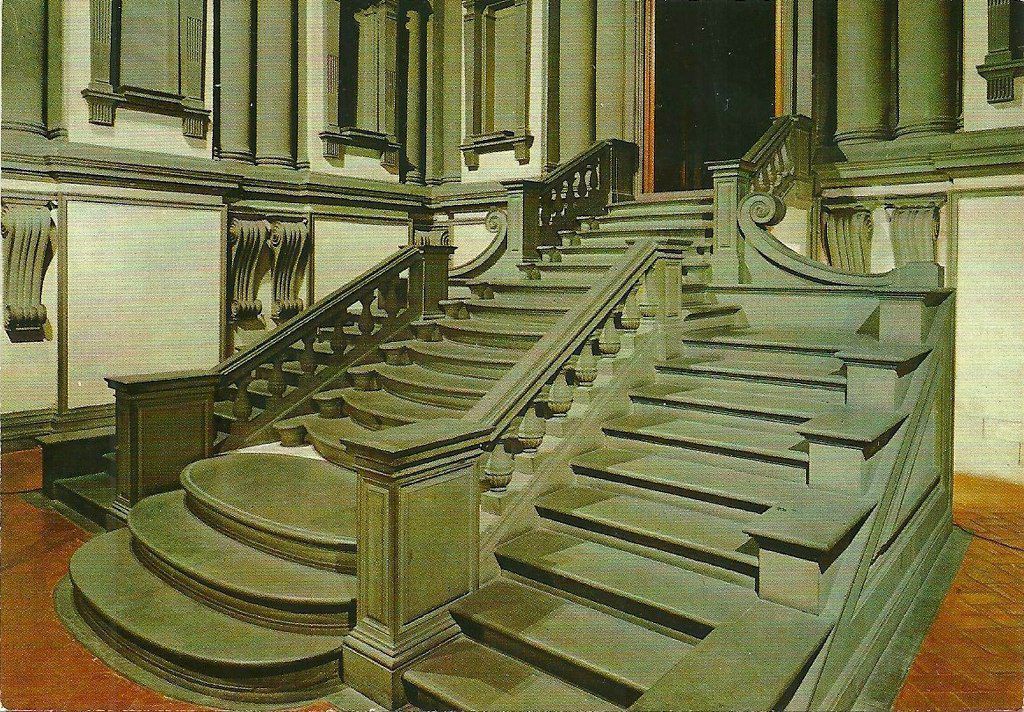
- 44—Fugger Chapel, c. 1506-1512, St. Anna, Augsburg, Germany
- most well known for decorative interior
-interior of baroque style
- earliest example of renaissance architecture in Rome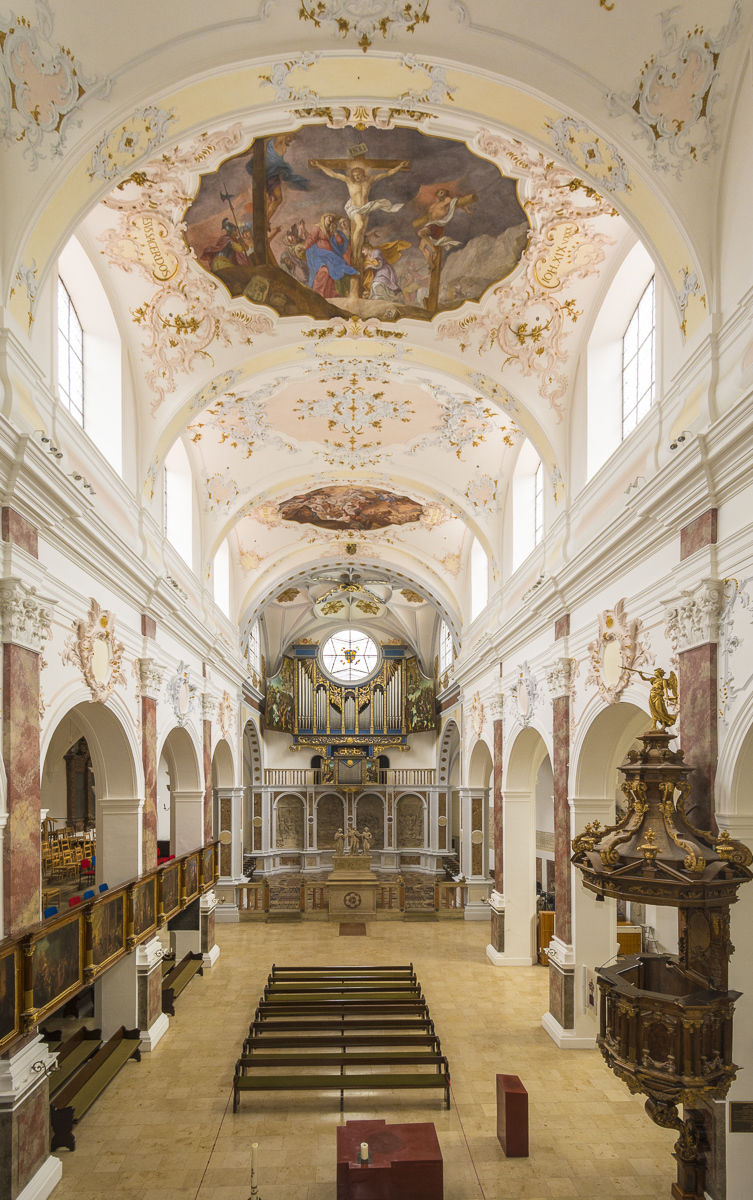
- 45—Heidelberg Castle: Heinrichsbau wing Heidelberg (Germany)
1556-63
- one of the most important renaissance buildings north of the Alps
- parts of building damaged by lightning bolts twice
- castle was thought to be orginally too small by king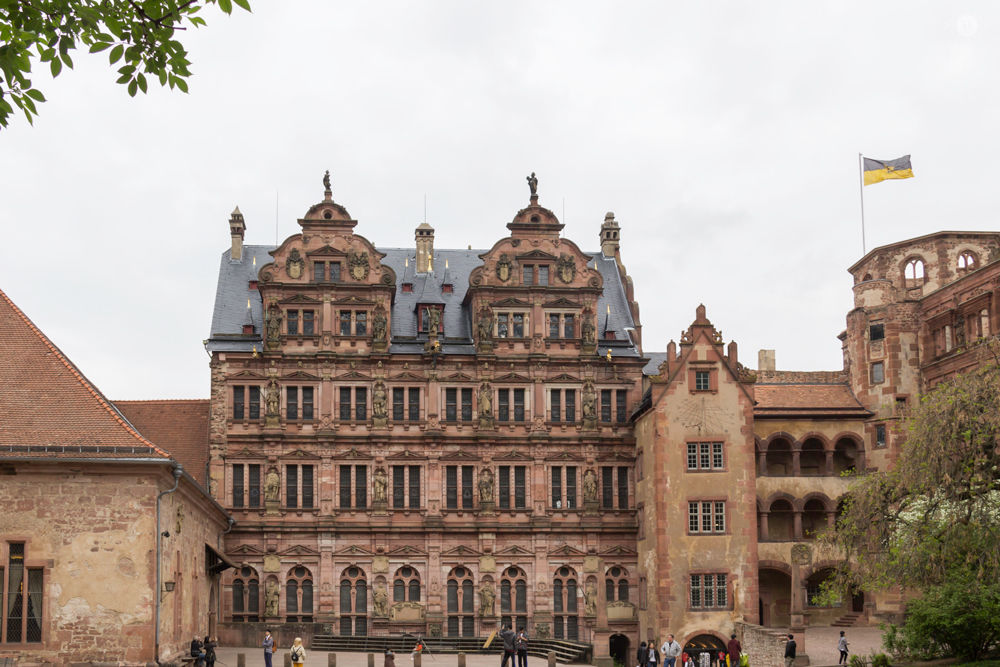
- 46—Juan Bautista de Toledo and Juan de Herrera, Escorial Palace
1563-84
-bearing masonry construction system
- complex contains 16 inner courtyards
- 47—Jacopo Sansovino,
Biblioteca nazionale marciana, Venice, Italy c. 1536-1554,
- holds greatest collection of classical texts in the world
- jacopo sansovinos masterpiece
-ionic columns featured on top row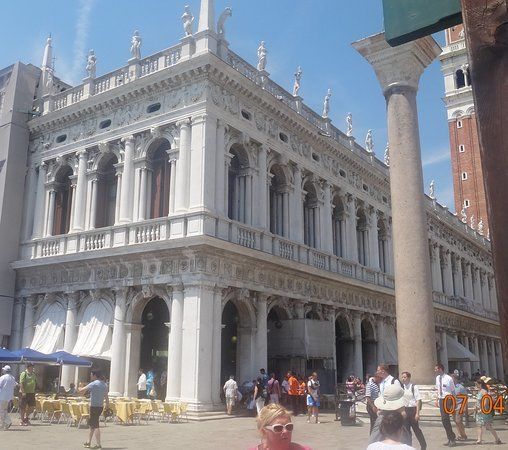
- 48—Andrea Palladio, Villa Rotonda, Vicenza 1565-1569
-deisgned to be completely symmetrical building
- building was positioned so each room could have more sunlight
- dome inspired by pantheon in rome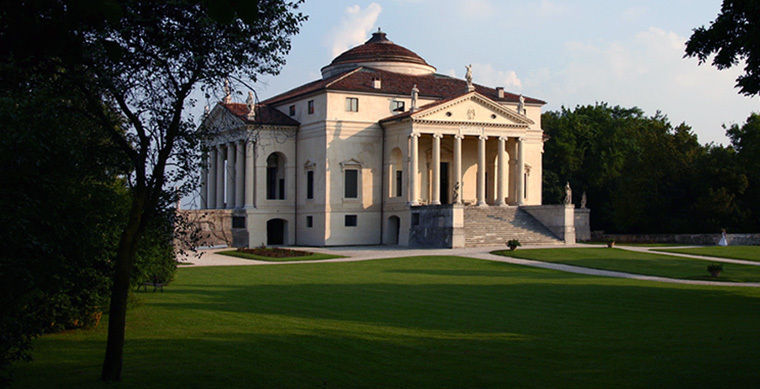
- 49—Giacomo Barozzi, da Vignola Il Gesu,
Rome
1568-76
- said to have first truly baroque face in architecture
-corinthian pilasters on lower level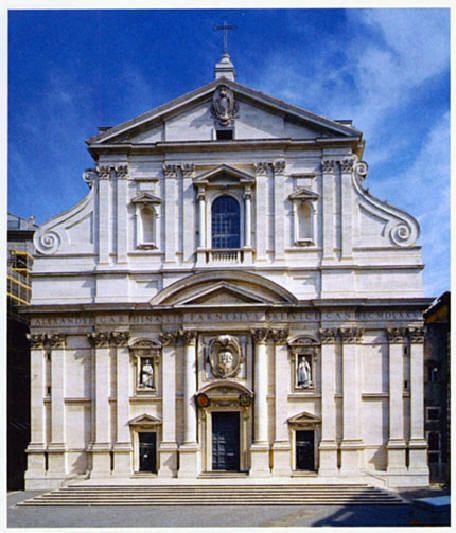
- 50—St Peters Basilica, Rome, plan 1505
-built in renaissance style
- largest church in the world
- row of columnade gives different views to facade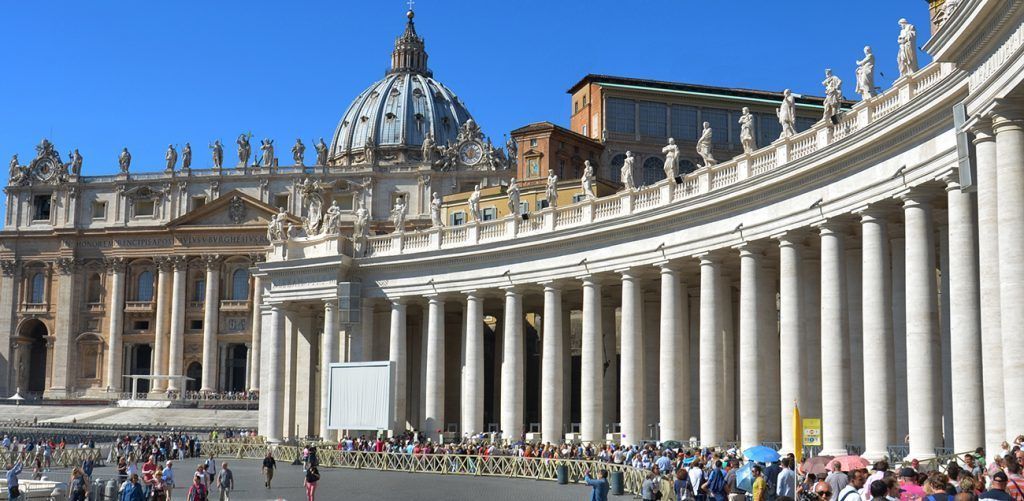
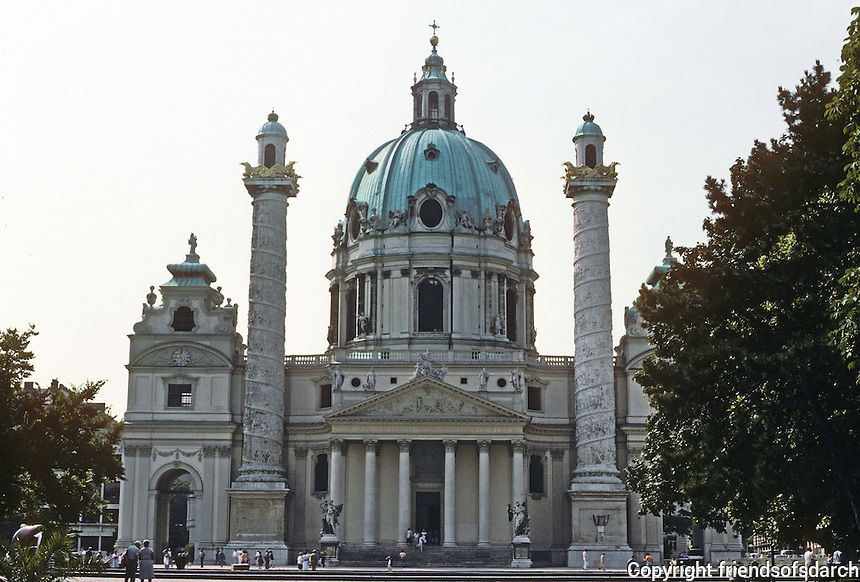
- 51—Johann Bernhard Fischer von Erlach, Karlskirche, Vienna 1723-1739
- 52—La Compañía, Cuzco, Peru
begun 1581,
Rebuilt by Fray Egidiano and Diego Martínez de Oviedo, 1651-68
- most well known for nave decorated with gold leaf
- baroque style most prominent
- near symmetrical facade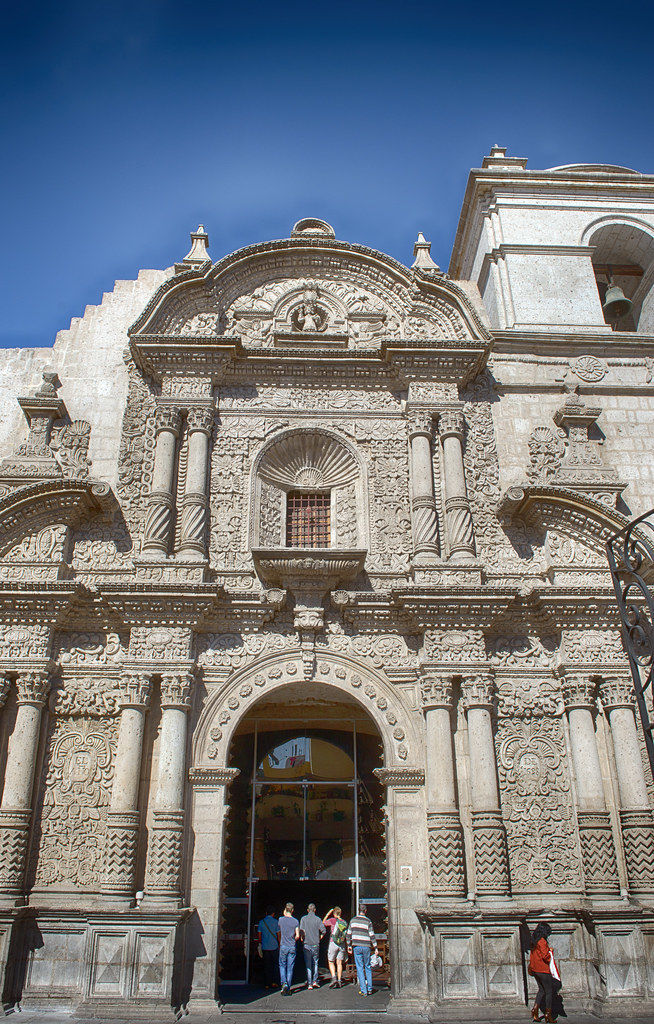
- 53—Ruins of Sao Paolo, Santo António, Macao, Chin 1640
- was one of the largest churches in asia during time of construction
-facade carved by japanese christians
- southern facade only thing that remians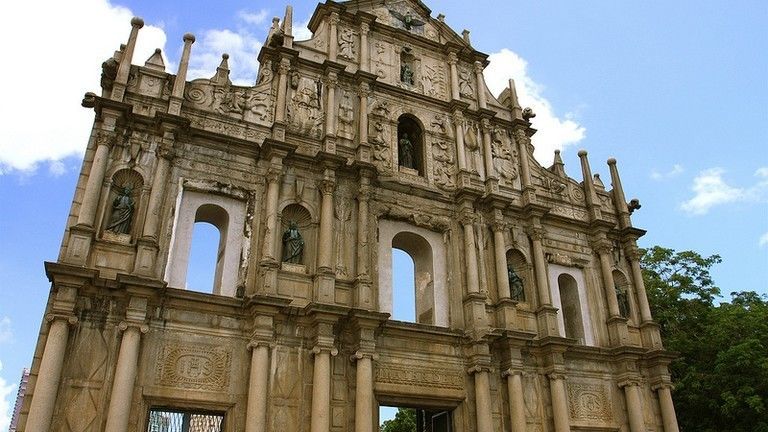
- 54—basilica of San Francisco, Lima
1657-74
- main porch in baroque style
-example of Spanish Baroque architecture
-large catacombs underneath building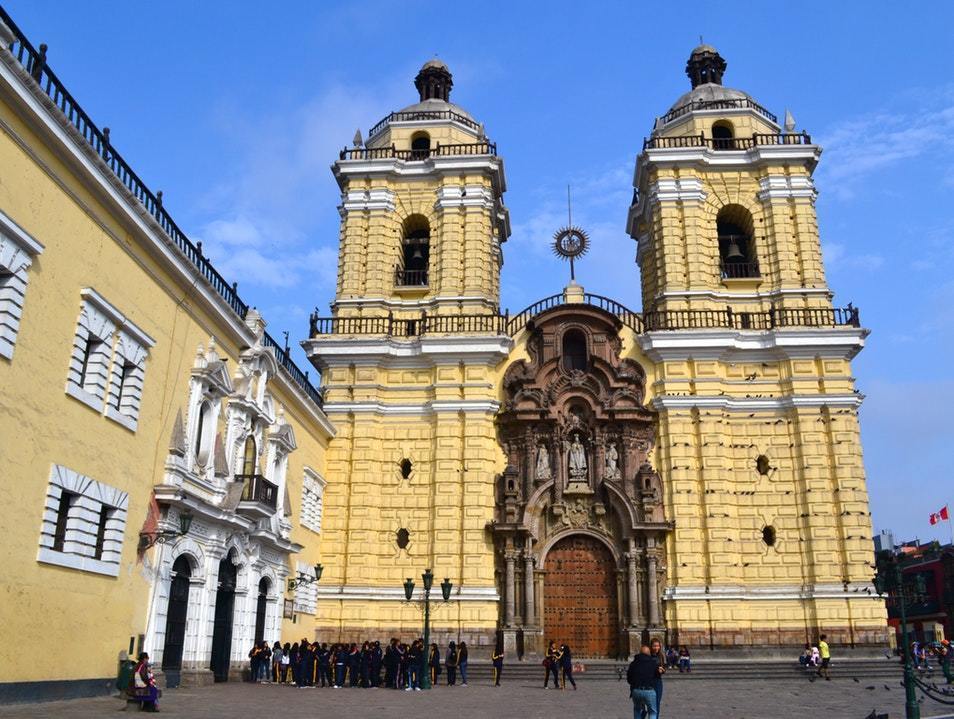
- 55—Lorenzo Rodriguez, Sagrario Metropolitano, Mexico City 1768
-situated on sacred aztec site
-originally built to house archives of bishop
- baroque style architecture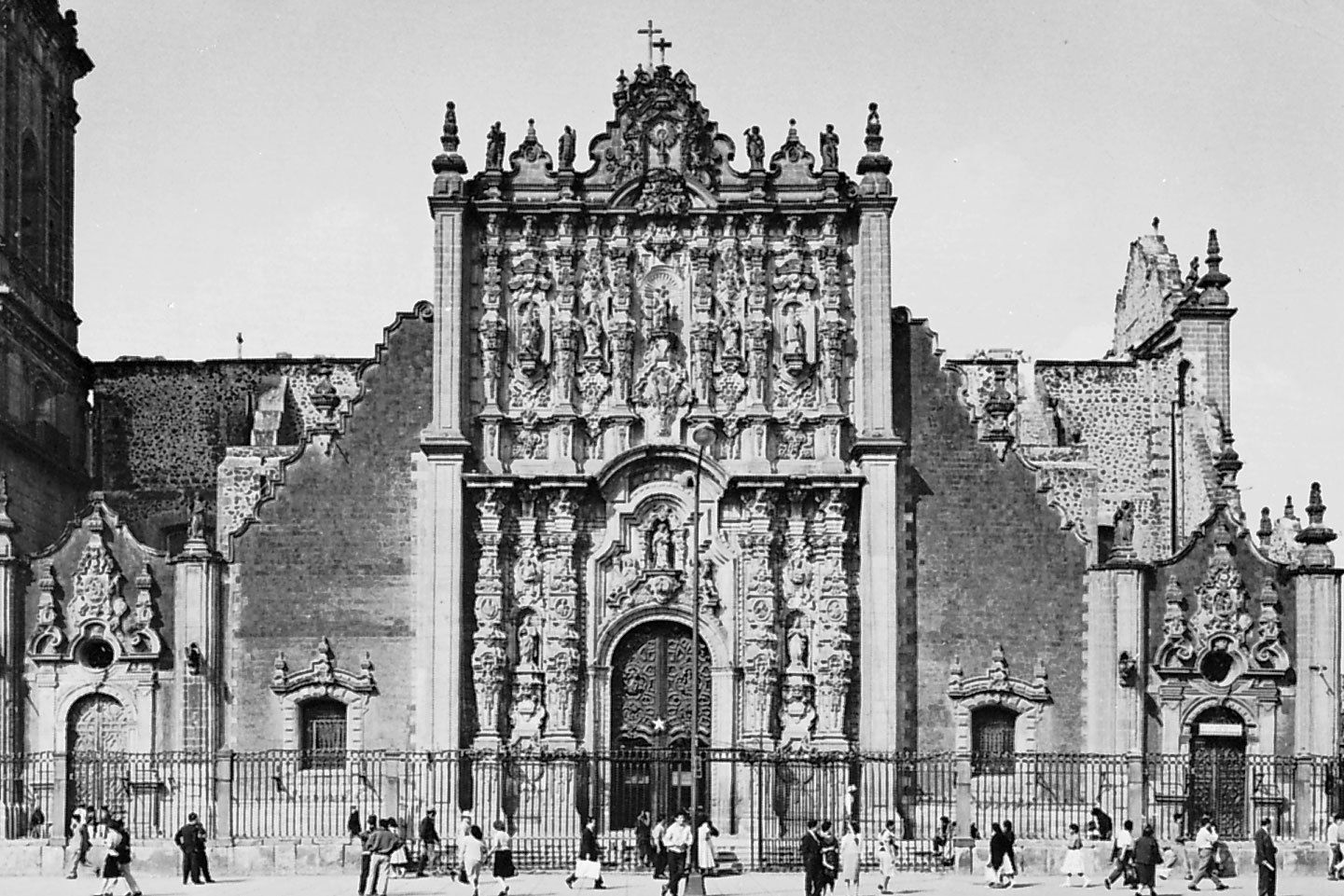
- 56—Robert Smythson, Wollaton Hall, Nottinghamshire (1580-88).
-floorplan said to have derived from serlios drawing
-building made from ancaster stone
- building said to be paid for in coal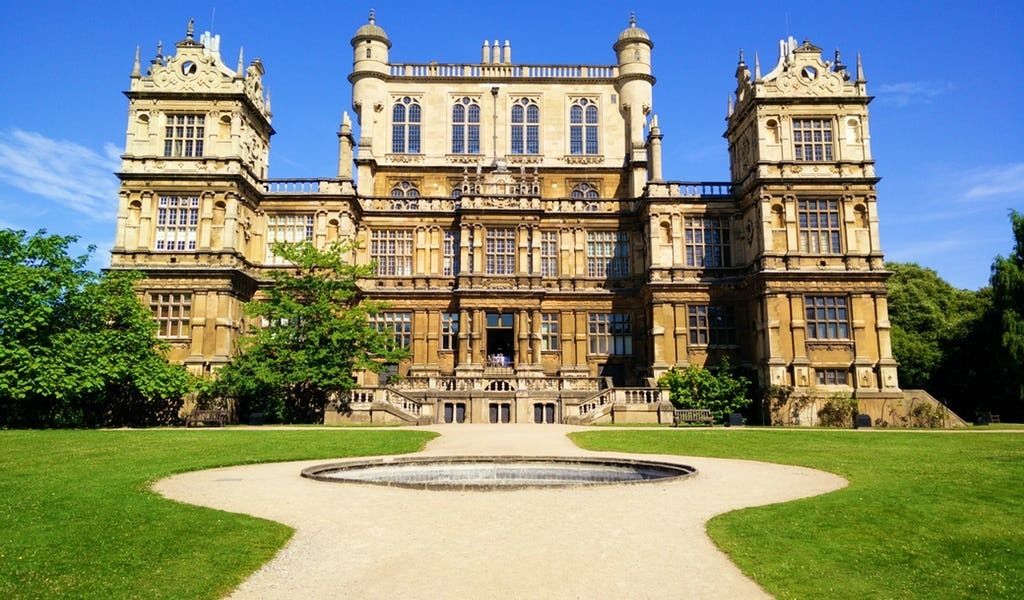
- 57—Inigo Jones, The Queen's House, Greenwich (1616-35)
-former royal residence
- first purposefully classical building in the country
- jones credited with introduction of palladianism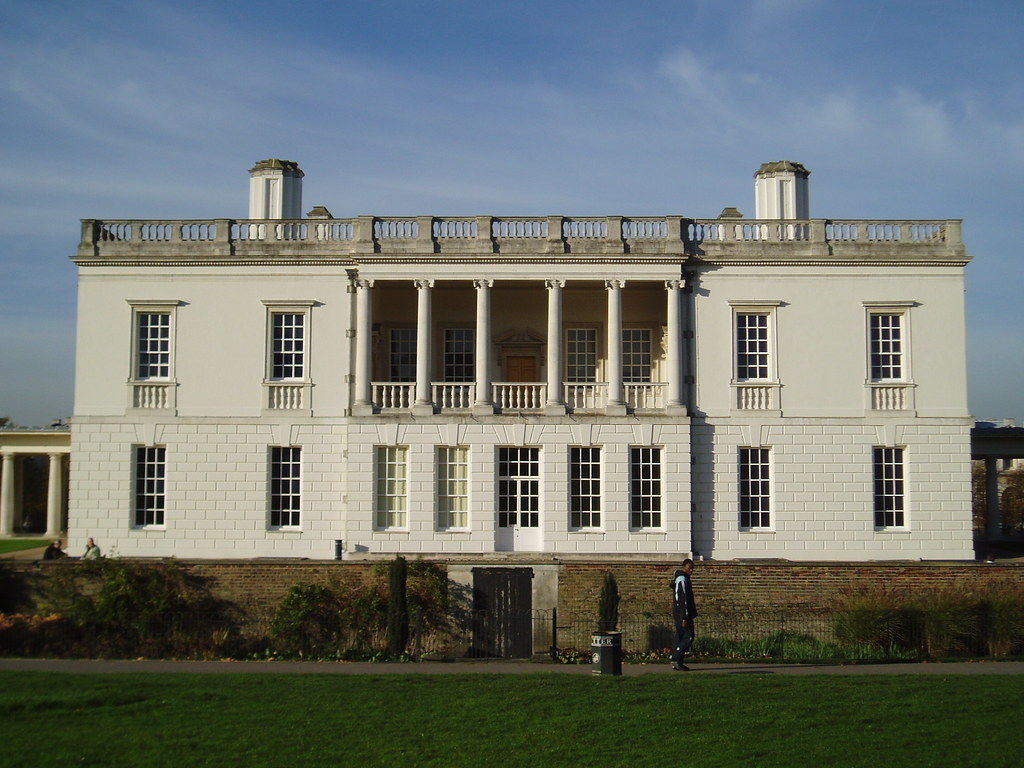
- 58—Inigo Jones, The Banqueting House, Whitehall, London (1619-1622)
-inspired by Andrea Palladio
- ionic and corinthian pilasters
- Italian renaissance style integrated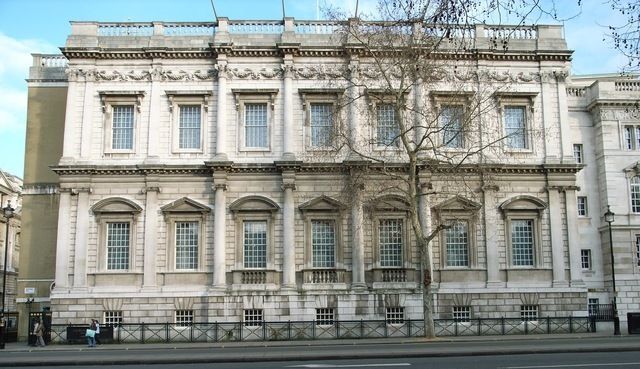
- 59—Inigo Jones, St Paul's Church, Covent Garden, London (1631
-exterior was rendered in stucco
- ionic columns
-large portico brings back classical style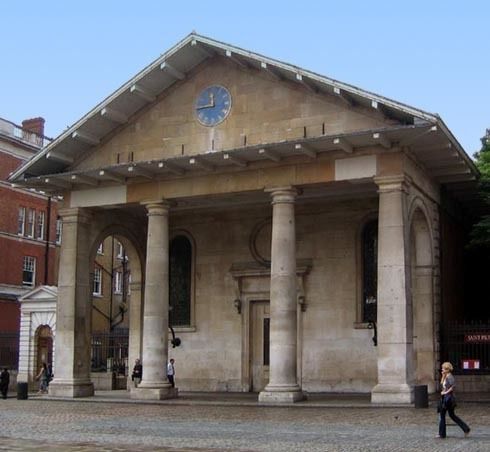
- 60—Sir Christopher Wren, Sheldonian Theatre, Oxford 1664-69
-wrens second work
- the acoustics were one of the main concerning factors
- based on drawings from Serlio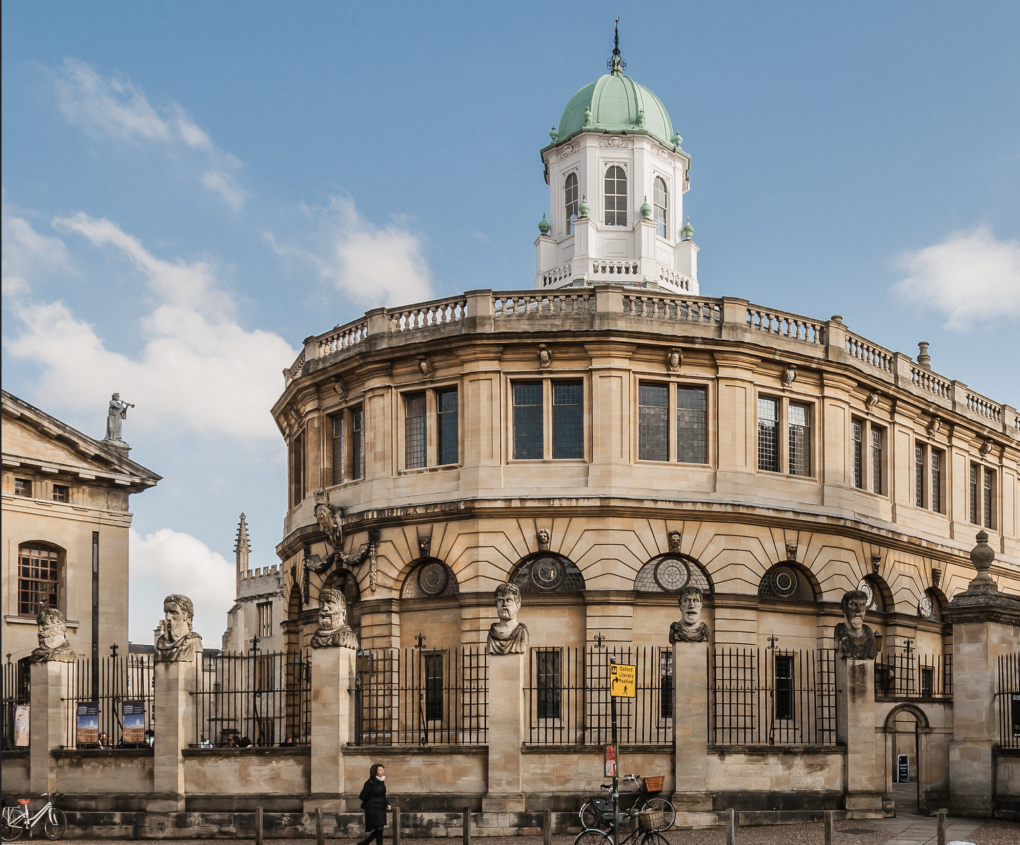
- 61—Sir Christopher Wren, St Paul’s Cathedral, London (1675-1711)
-english baroque style
- replacement as old st pauls burnt down
- designed to complement classical facade deisgned by inigo jones
- 62—Sir Christopher Wren, St Mary-Le-Bow, Cheapside, London (1670-73)
- said true cockney born in earshot of bells
- one of the first to be rebuilt by wren after great fire of london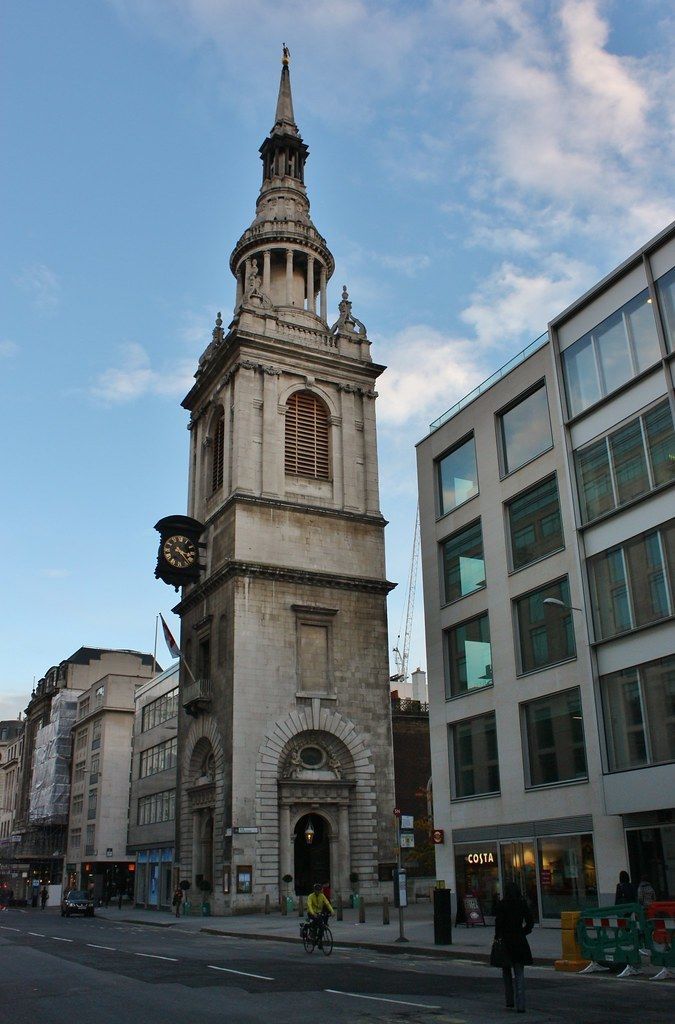
- 63—Sir Christopher Wren, St James, Piccadilly 1676-84
-built from red brick and portland stone
- corinthian columns
-classical deisgn brought back in arched windows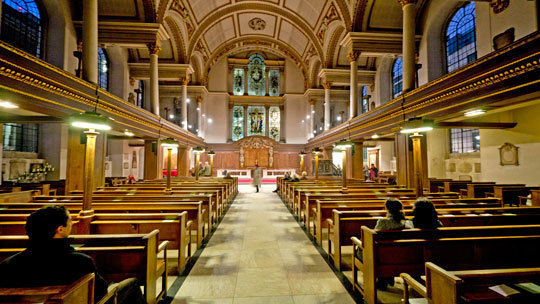
- 64—John Vanbrugh & Nicholas Hawksmoor, Blenheim Palace (1704-1720)
- birthplace of winston churchill
-flamboyant baroque style
- duchess had many disputes with the architect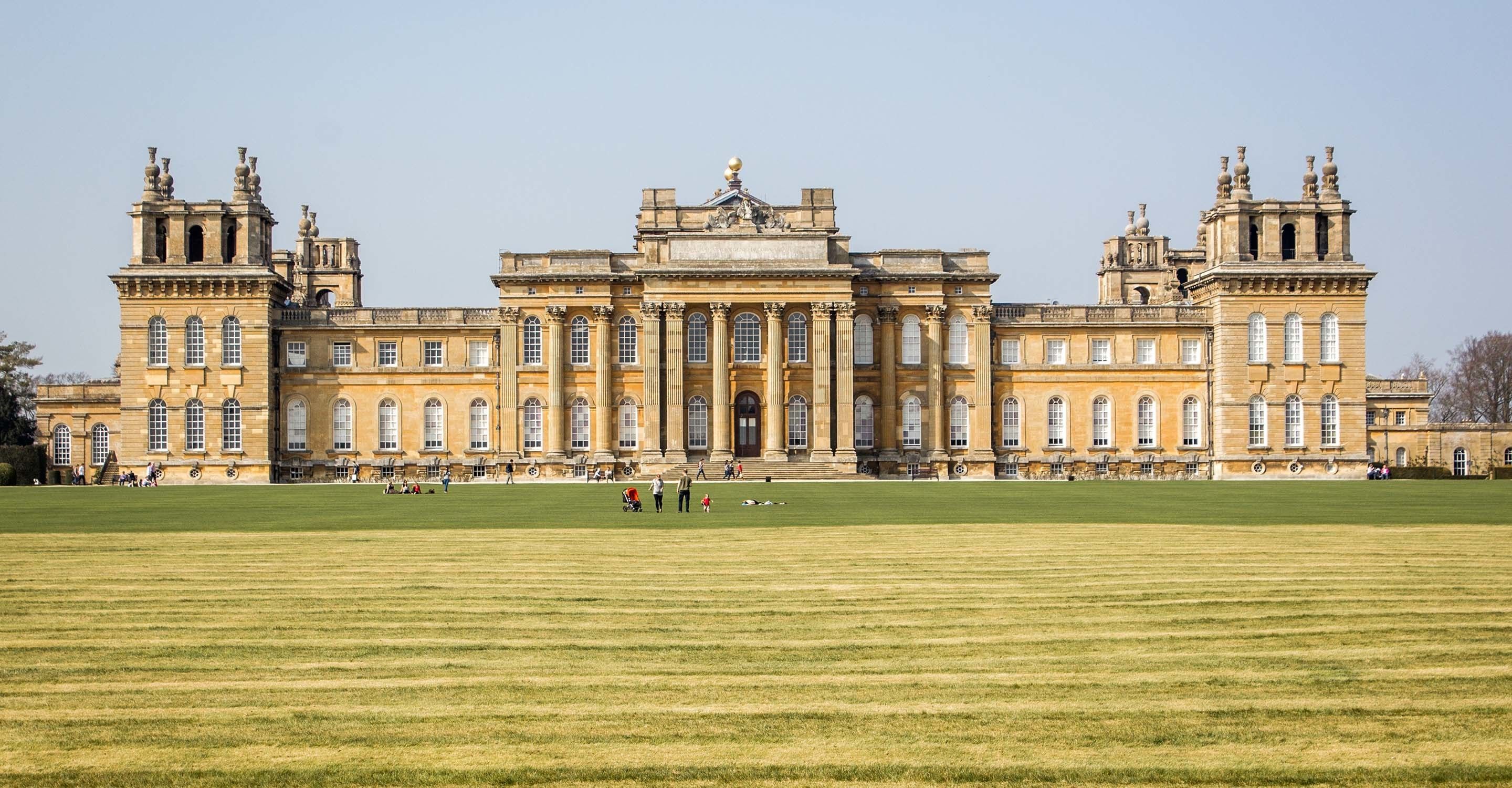
- 65—Nicholas Hawksmoor Christ Church, Spitalfields 1714-29
-steeple more gothic than classical
- victorian stained glass window
-flat ceiling contrasts with its high level of decoration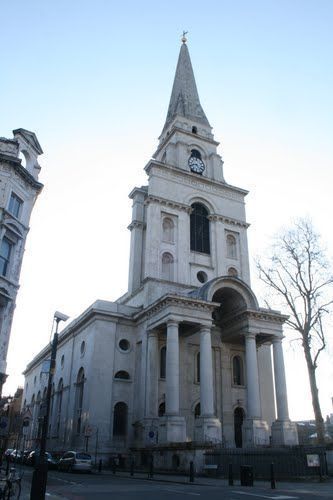
- 66—James Gibbs
St Mary le Strand, London 1714-17
- complaints of road noise
- baroque decoration on facade
- gibbs first public building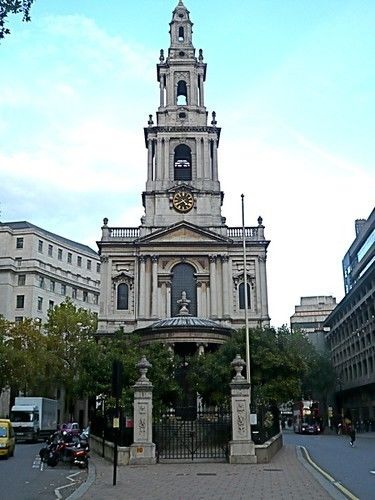
- 67—Chateau at Chenonceau (begun 1515)
- spans river cher
- one of the most famous chateaux in the louire valley
- one of the most visited chateaux in france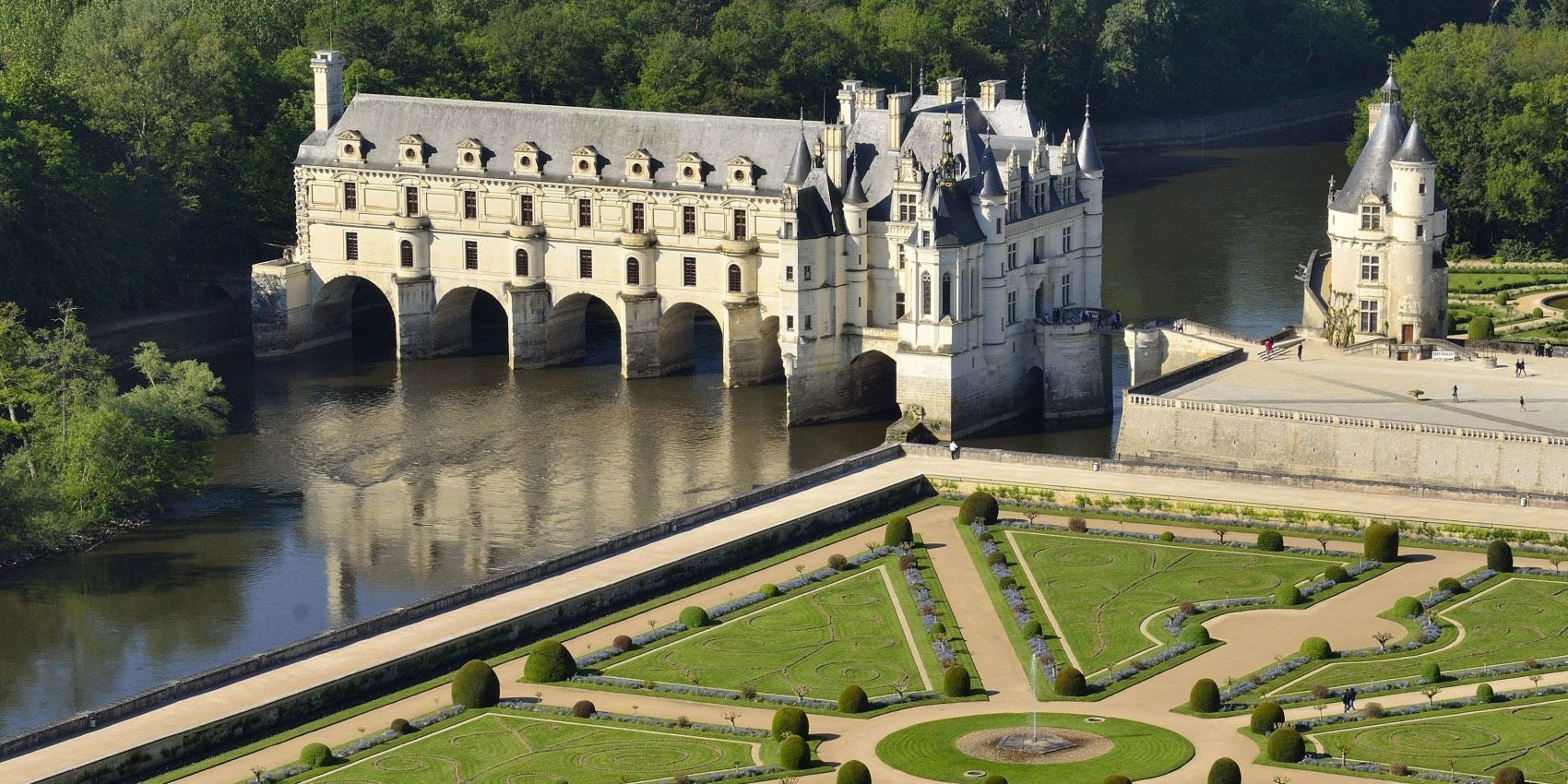
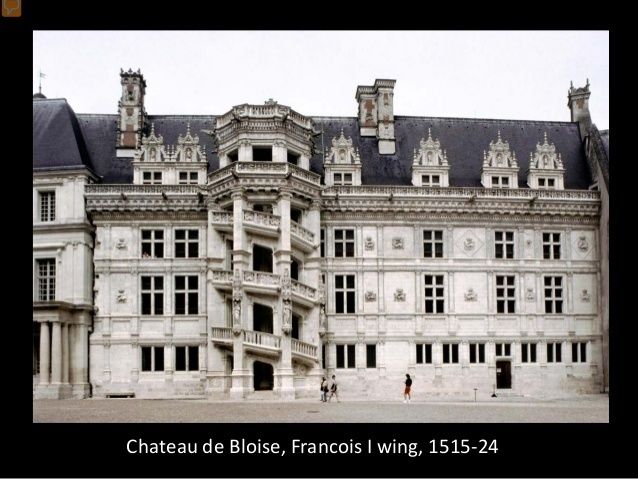
- 68—Chateau at Blois, courtyard staircase (1515-24)
- 69—Domenico da Cortona: Chateau at Chambord (1519-47)
-largest chateua in louire valley
- walls and moat only decorative
- roof compared to skyline of city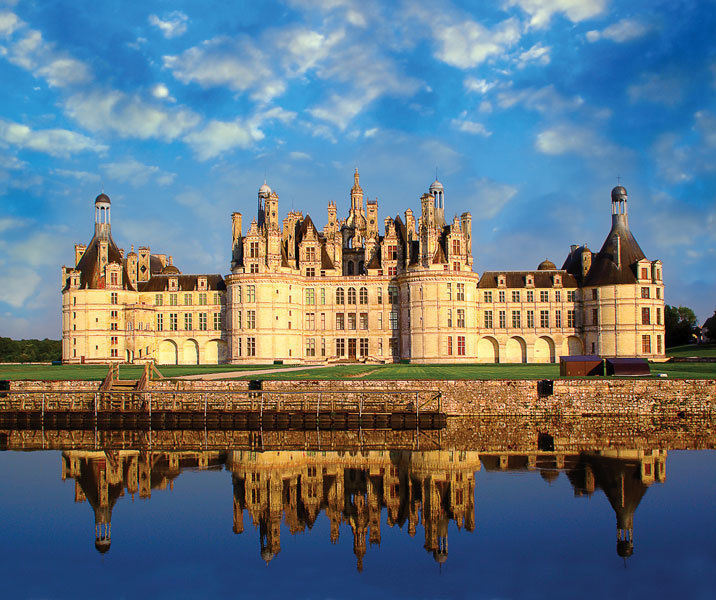
- 70—Villandry (Indre-et-Loire), chateau (1532)
- most well known for its gardens
- kings of france and england met to discuss peace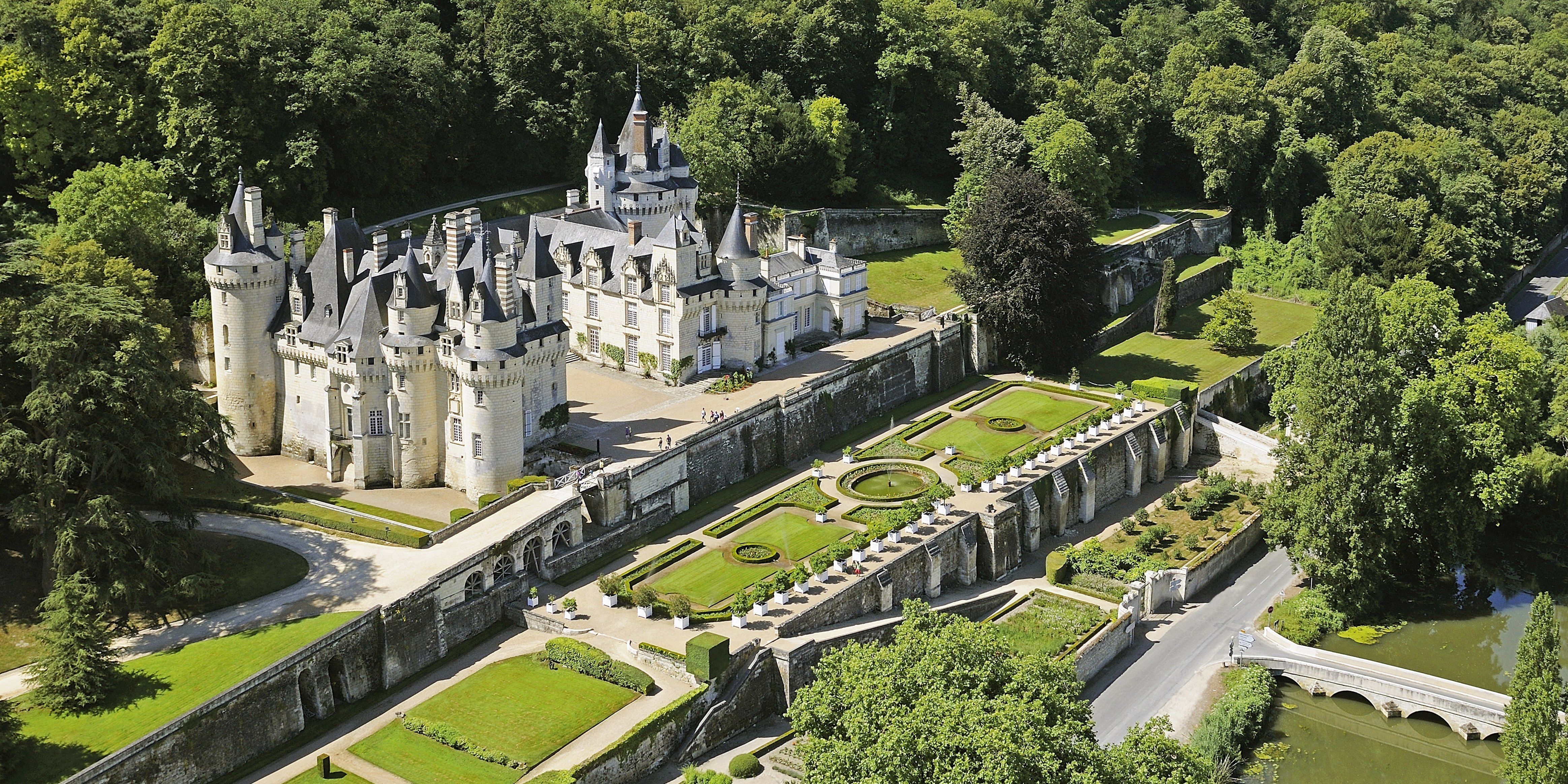
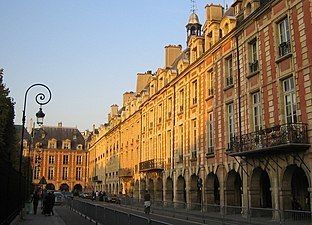
- 71—Louis Métezeau (attr.), Place Royale (Place des Vosges), Paris (1605-12)
- 72—Jean du Cerceau, Hôtel du Sully (1624-9)
- built with gardens and orangery included
- Louis XIII style
- baroque influences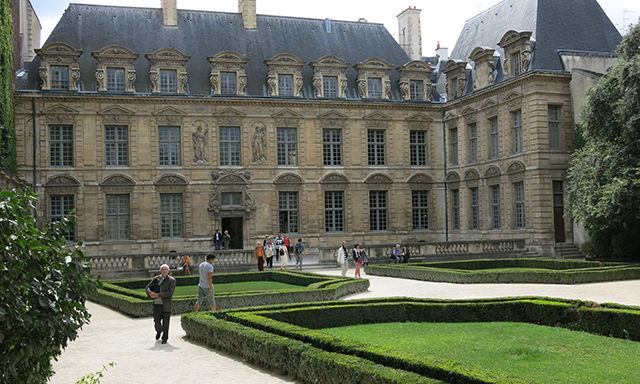
- 73—Louis le Vau & Claude Perrault, East quarter of Louvre (1667-70)
- said to be masterpiece of French classicism
- contains paired corinthian columns
- non-french flat roof departure in French architecture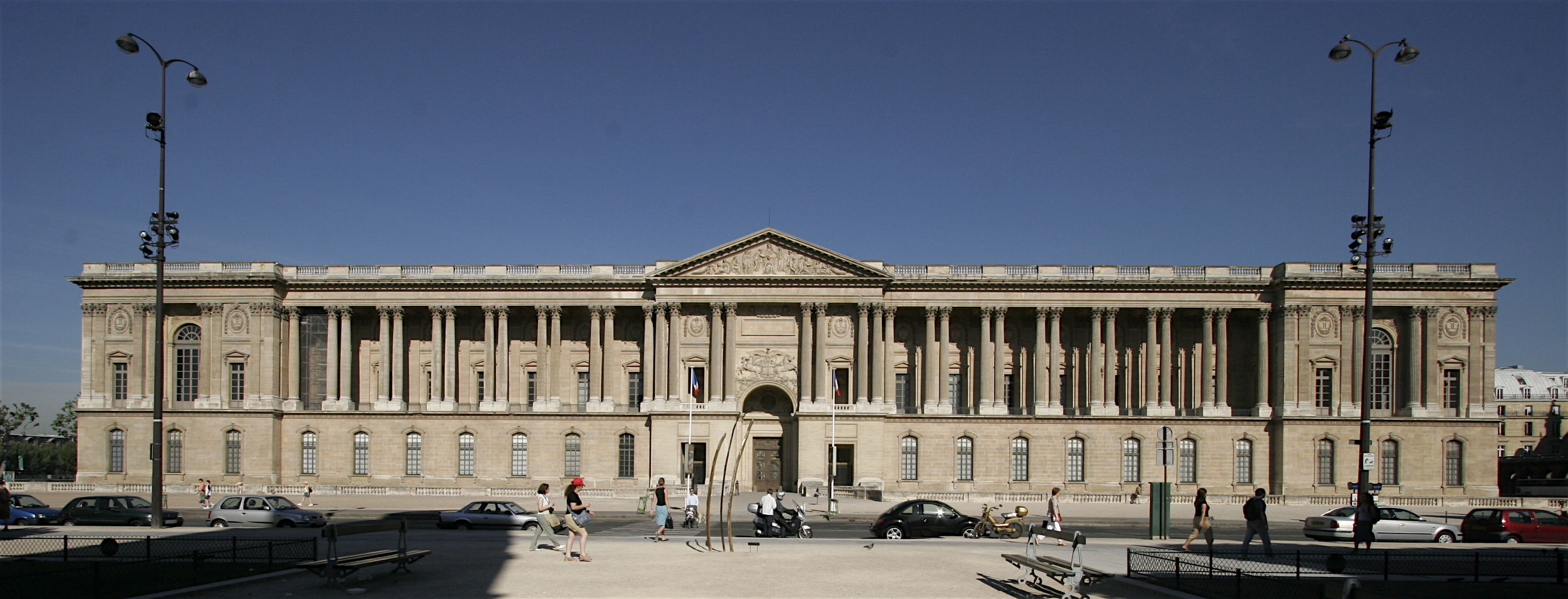
- 74—William Wallace, George Heriot’s Hospital, Edinburgh (begun 1628)
- school for disadvantaged children
- notable for renaissance architecture
- george heriot left 25000 pound to found this hospital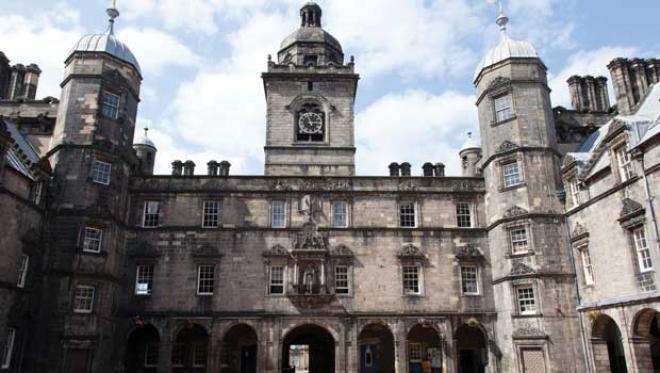
- 75—Sir William Bruce
Hopetoun House, West Lothian (west front) 1699
- the south wing now used as private family home
- incorporates English garden style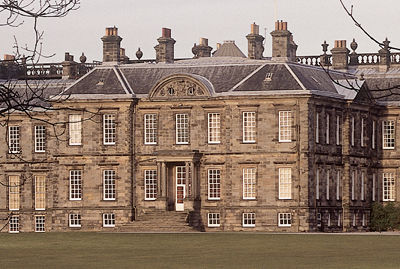
- 76—Henry Flitcroft, Wentworth Woodhouse, 1733
-largest private residence in the uk
- more than 300 rooms
- value appreciated when large amounts of coal found on estate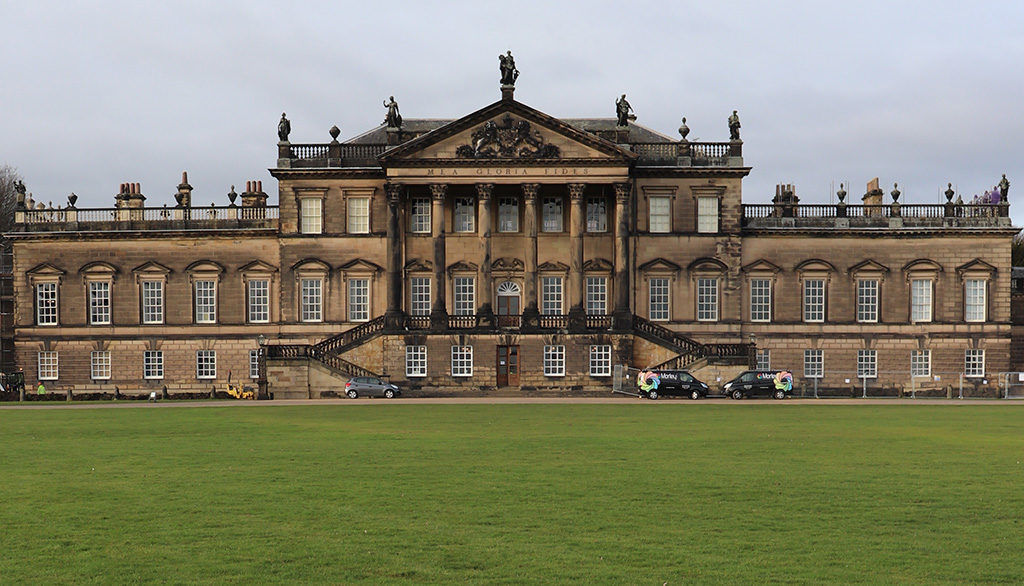
- 77—Lord Burlington, Chiswick House, 1726
-palladian style architecture
- attempt by burlington to create a roman villa
- sebastian serlios drawings may have inspired the dome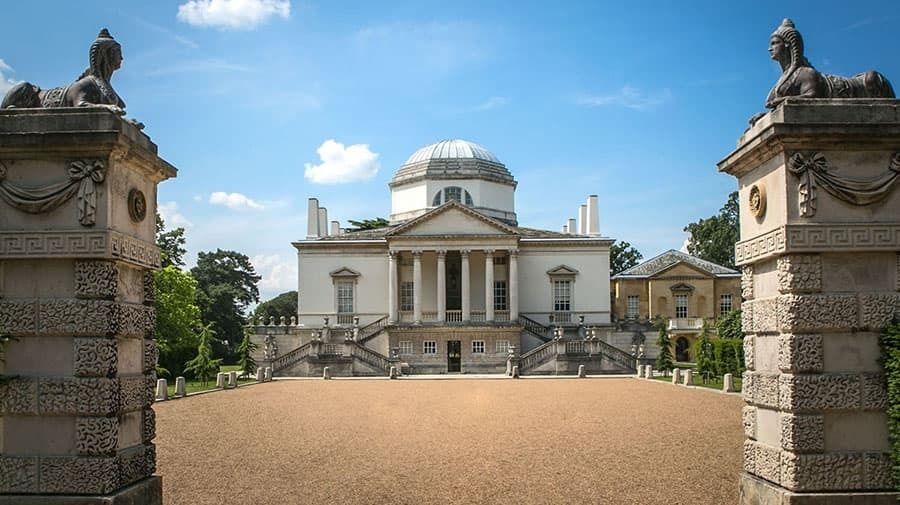
- 78—Colen Campbell, Mereworth Castle, Kent 1722-25
- built as copy of palladios villa Rotunda
-briefly used as prisoner of war camp
- interior contains frescoe paintings by italian artists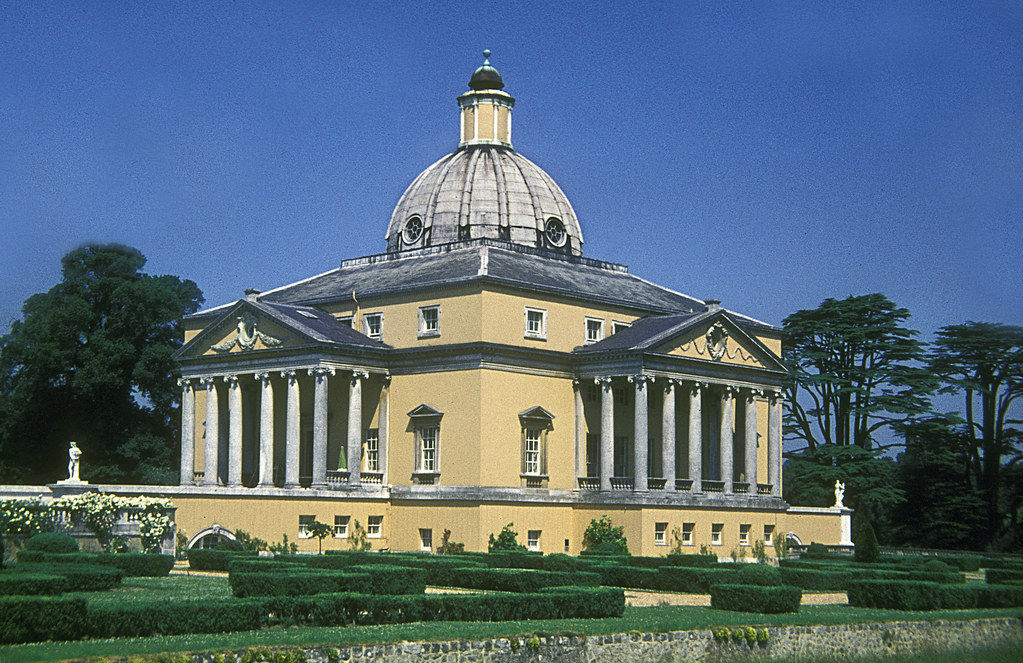
- 79—William Kent, Holkham Hall, Norfolk, 1734-65
-palladian style
- devioid of ornamentation
- private and public rooms decorated to same extent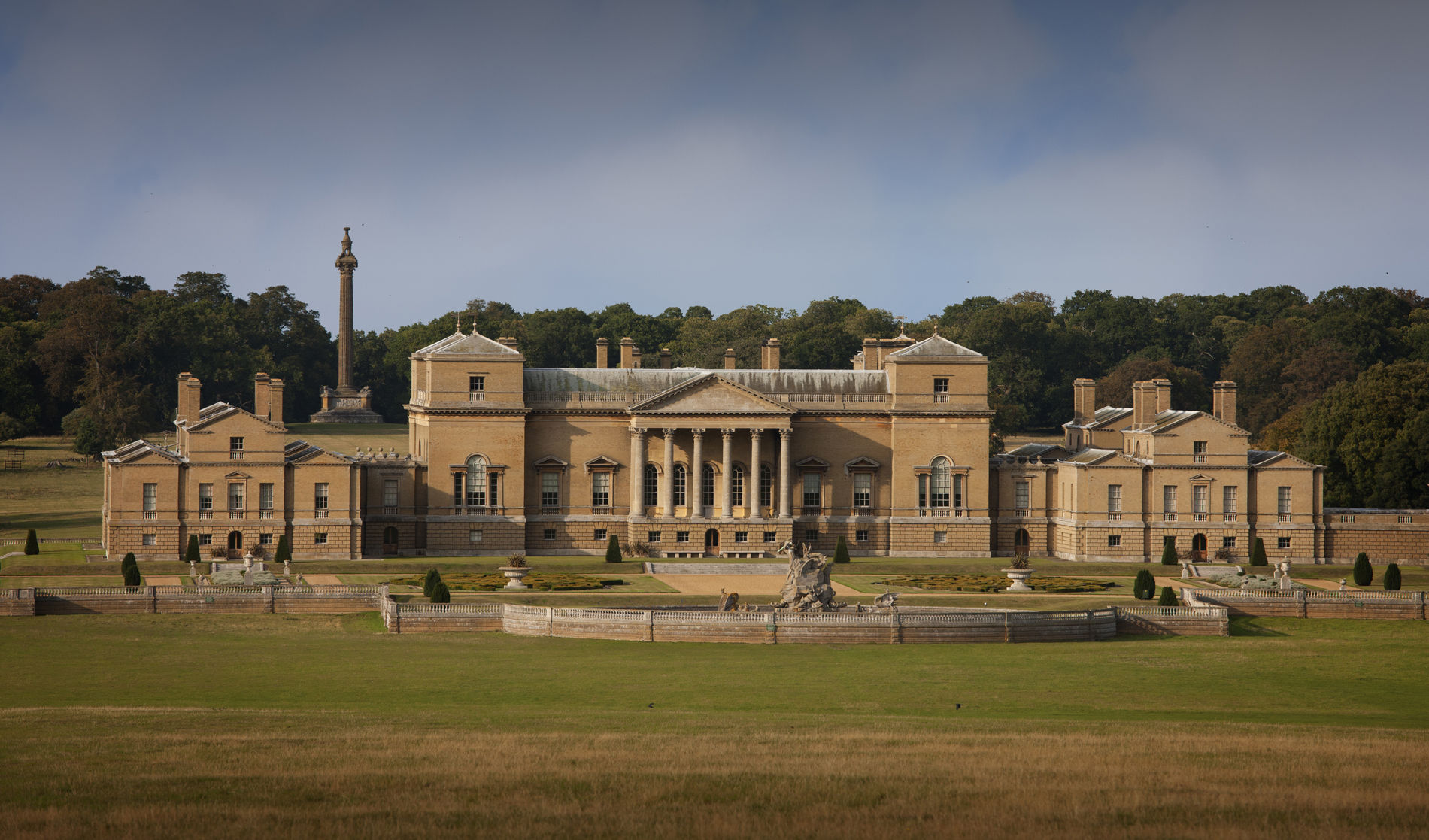
- 80—William Kent, Holkham Hall (interior) 1734-65
-elegant nature of plain surface
- inspired by the pantheon in rome
- statues in niches of classical deities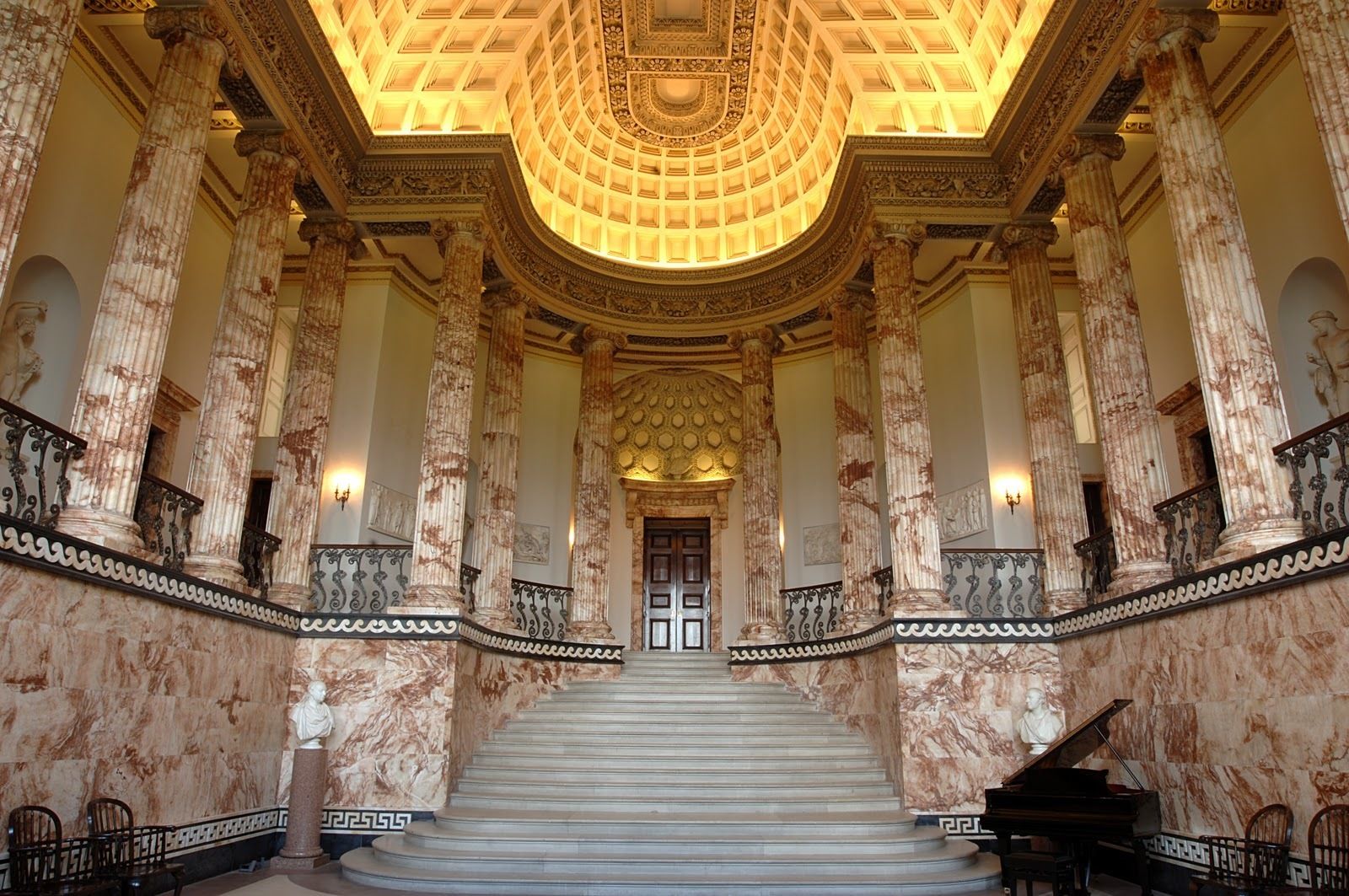
- 81—E L Boullée, Tomb of Newton (1784)
- higher than pyramids at giza
- sphere represented perfection
- designed in honour of newton 150 years after his death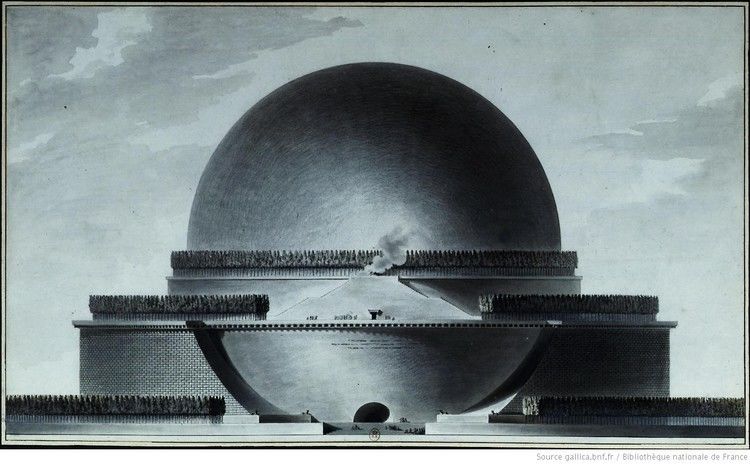
- 82—C N Ledoux, Barrière de la Villette, Paris (1784-88)
- designed to take tolls and inspect goods from traders
- most of these buildings destroyed during french revolution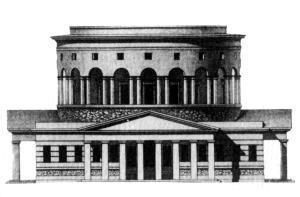
- 83—A J Gabriel, Place de la Concorde, Paris (1743-70)
- known as place de la revolution during the French revolution
- corinthian columns used
- site of many major public executions during the french revolution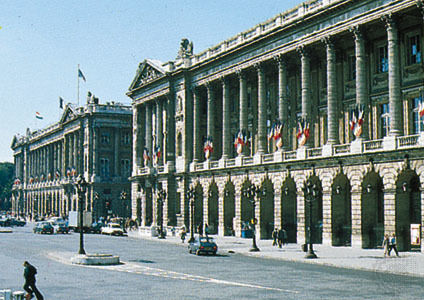
- 84—J G Soufflot, Ste Geneviève (Panthéon), Paris (1757-90)
- early example of neo-classicism
- dome inspired by bramantes tempietto
- was used as mausoleum for french citizen remains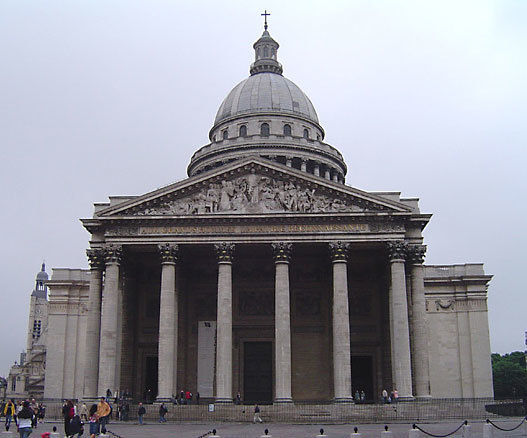
- 85—William Chambers, Dundas House, Edinburgh (1771-74)
-neoclassical style
- first designed as a private residence for sir dundas
- was first shown as proposed church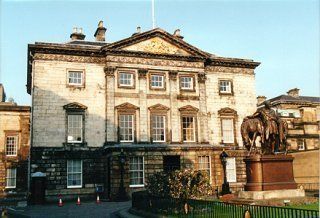
- 86—William Chambers, Somerset House, London (1776-96)
-neoclassical building
- palladian inspiration
- chambers played with four different layout ideas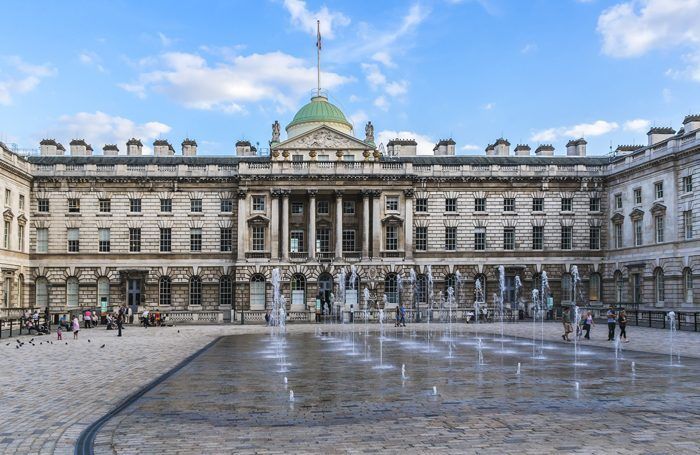
- 87—Robert Adam, Kedleston Hall, Derbyshire, South front (1760-70)
-palladian style architecture
- ground floor is rusticated
- stairs give a grand sense of movement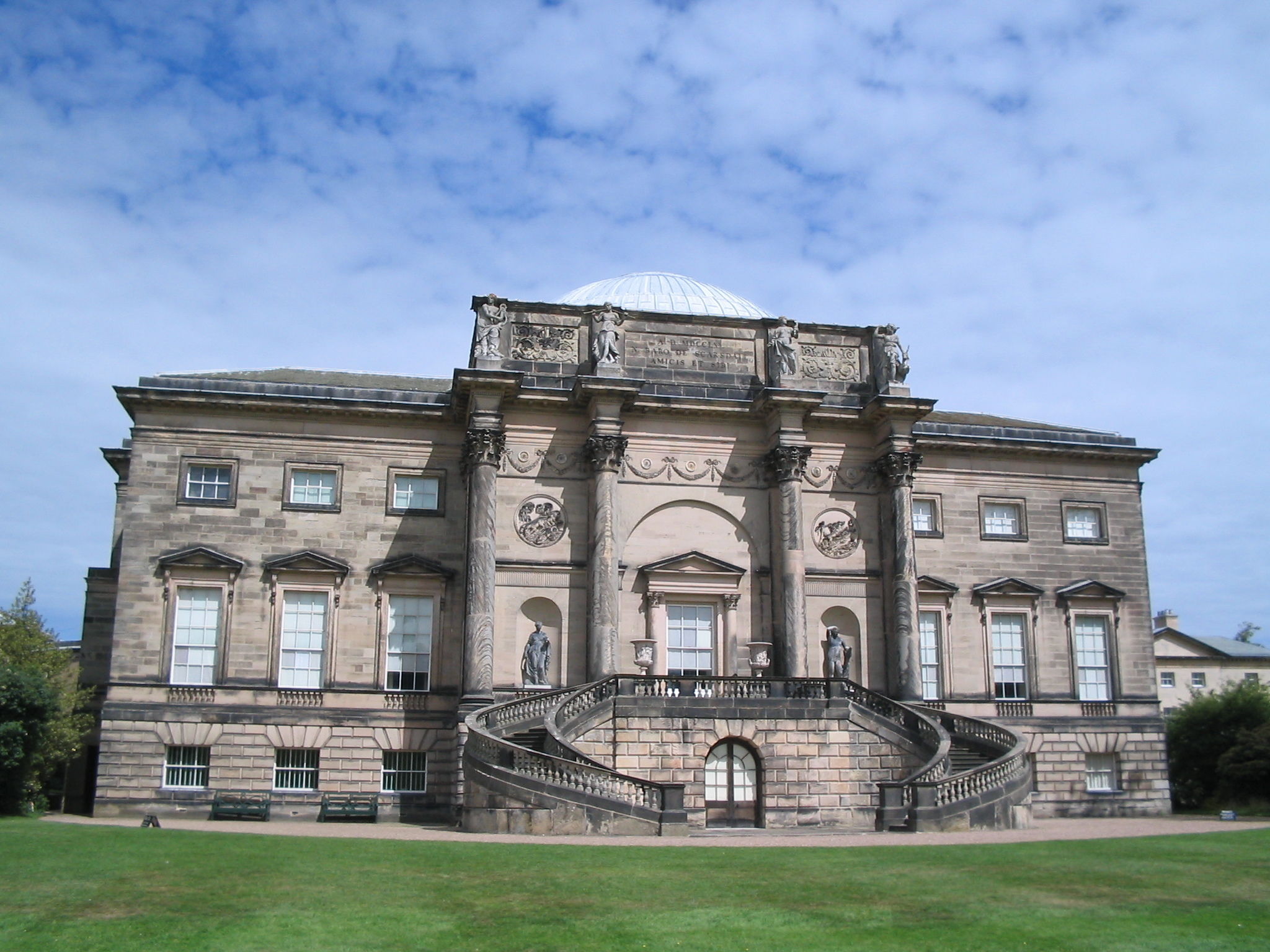
- 88—Robert Adam
Syon House Middlesex (hall) 1762-69 (and 1773)
- adam style said to have begun here
- doric columns likened to use in roman basilica
- decorative stucco work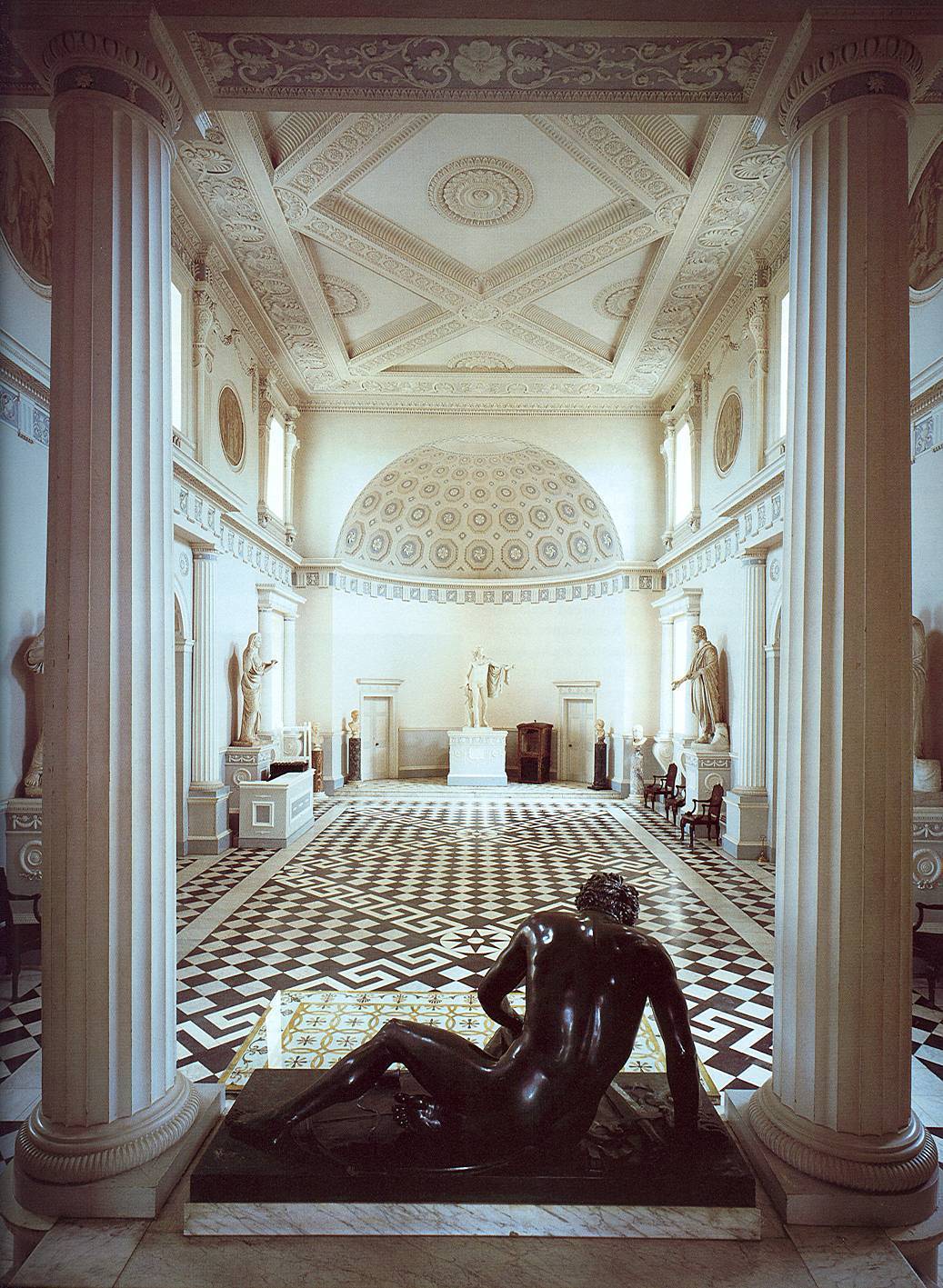
- 89—Robert Adam, Syon House Middlesex. 1762-69 (and 1773), Ante Room
-twelve ionic columns
- golden shadows cast give sense of grandeur
- featuers bronze statues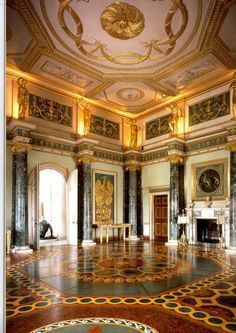
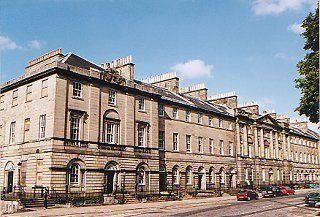
- 90—Robert Adam: Charlotte Square, Edinburgh, north side (1791)
- 91—Guildhall, London
Façade by George Dance 1785-88
- was site of ampitheatre
- was damaged in great fire of london
- uses gothic pointed arch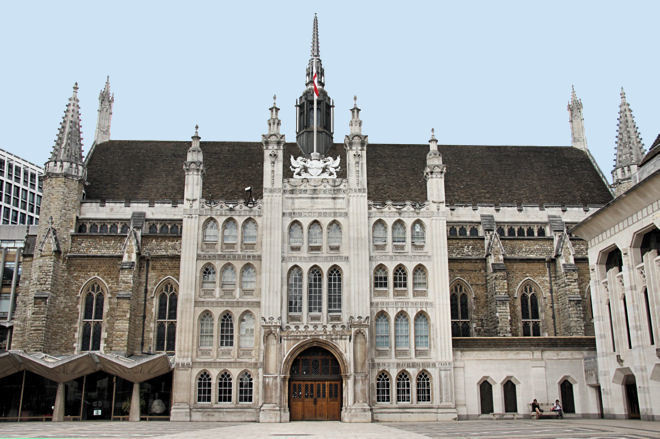
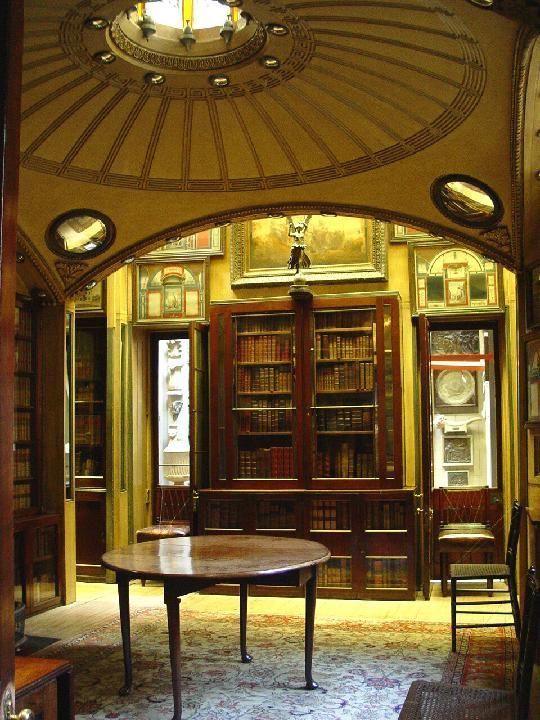
- 92—John Soane, 13 Lincoln’s Inn Fields, Breakfast Room (from 1793)
- neo-classical facade
- the building is now used as a museum