Flashcards
Lecture 2: The Beginnings of Urbanism
Flashcards do conjunto (9)
- 1What are the characteristics of Early Urban Centers?- Surplus food production allowed for different classes and professions
- Complex economies
- Tight knit houses
- City planning - 2What was the political, religious, and urban organization of the early Sumerian city-states, such as Ur?Political:
- rulers descended from God; intermediaries between heaven and Earth, God was the ultimate authority
- centralized government with law codes
Religious:
- central religious practices led by someone with knowledge
Urban:
- planning codes
- class distinction - 3Compare the urban development in Mesopotamia and the Indus CivilizationSimilarities:
- Complex societies
- Political control over the city
Differences:
- Mesopotamia: sacred places were temples & palaces; irregular street patterns
- Indus: sacred places were Great Baths; orthogonal street patterns - 4—Jericho (West Bank, Israel)
- Established at a freshwater spring
- Class distinctions
- Early houses were round, eventually developed rectangular houses
- Mainly mud brick construction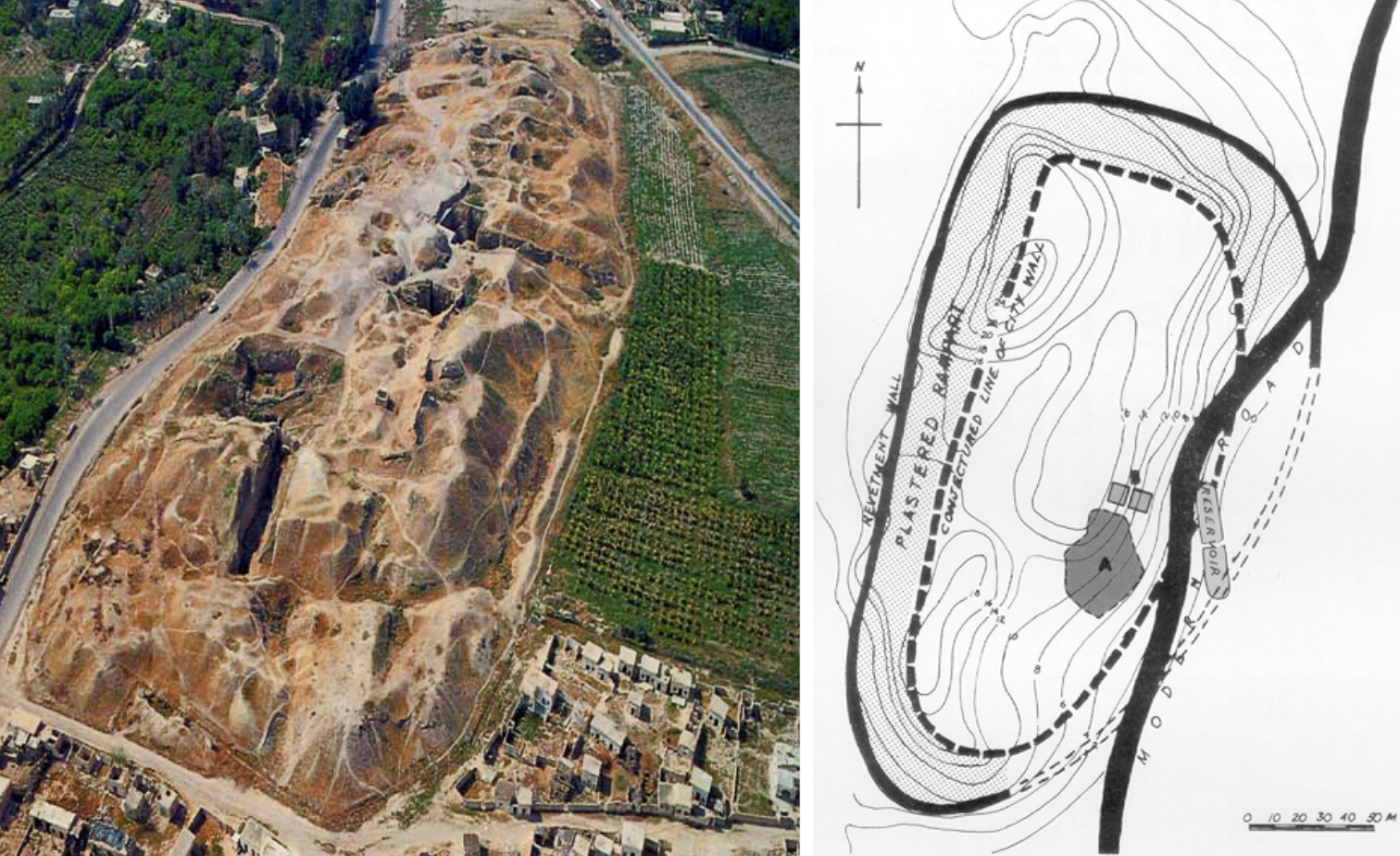
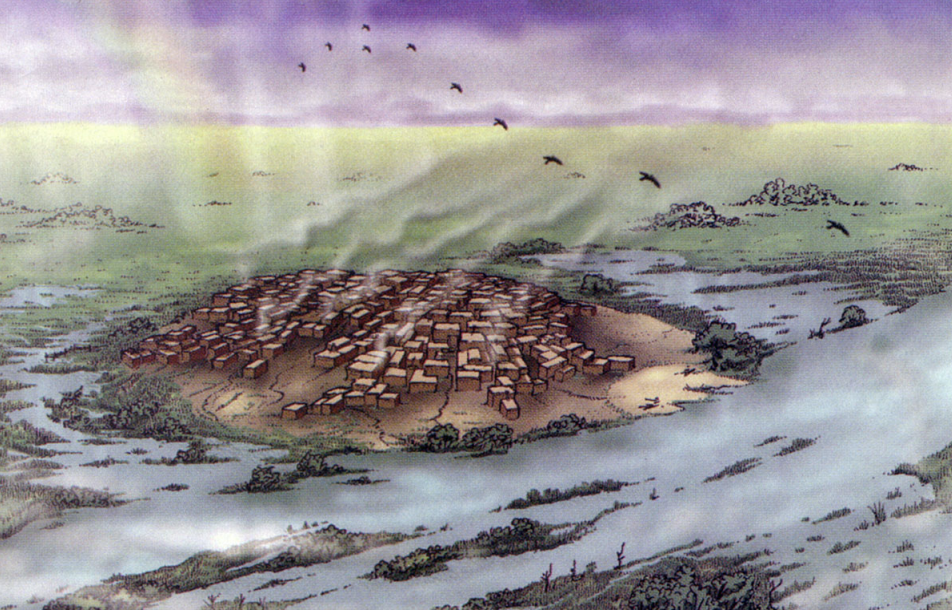
- 5—Çatal Hüyük (Turkey)
- Large neolithic city
- Complex economy (trade, crafts, animal husbandry, agriculture)
- External house walls created a barrier of the town for protection
- No streets, walked along rooftops
- Houses had shrines and ancestors were buried under the houses
- Bulls head decorations & images (male) and mother goddess cult figurines (female) - 6—Main Temple (Eridu, Iraq)
- As “axis mundi” = the center of the world at which everything revolved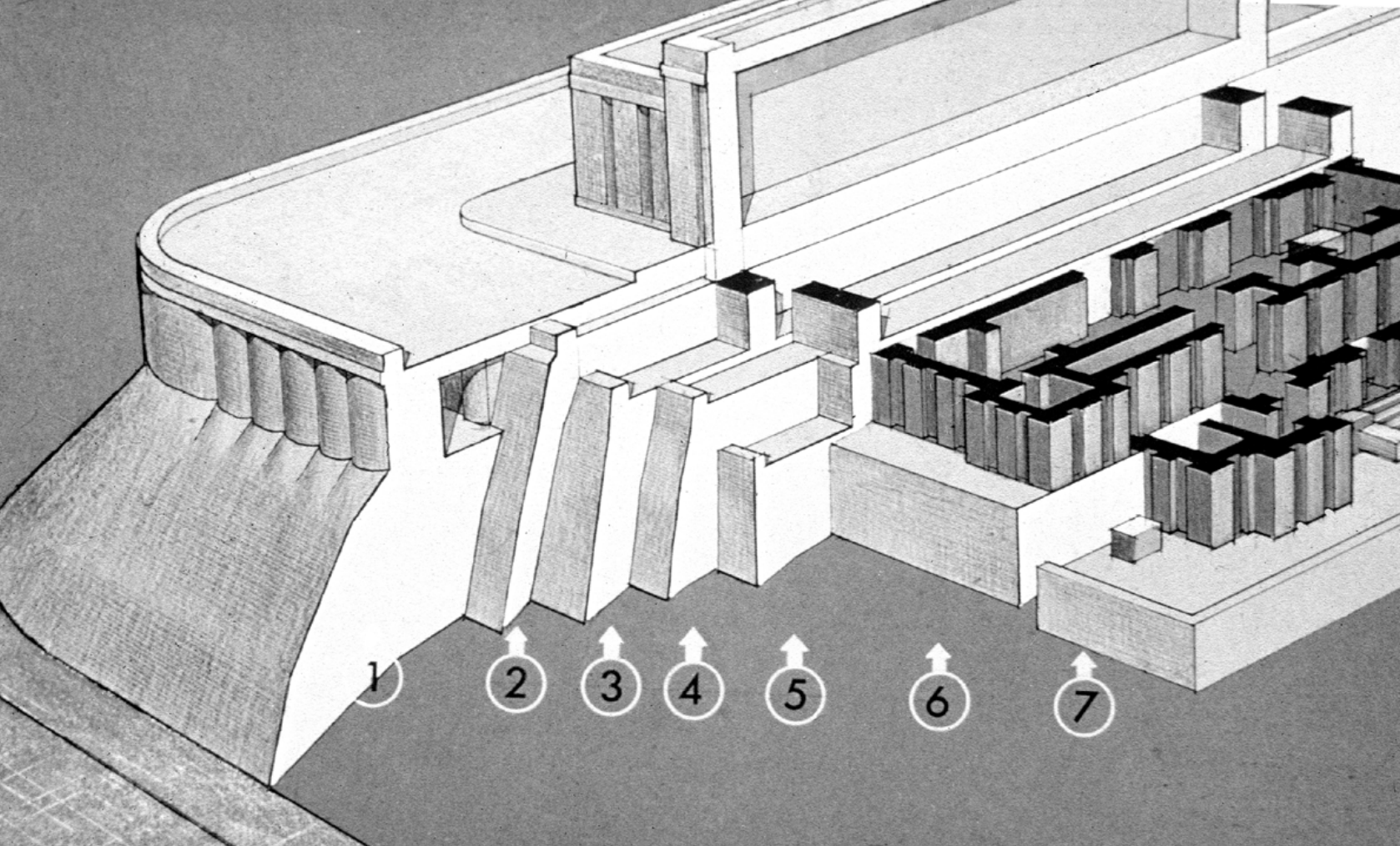
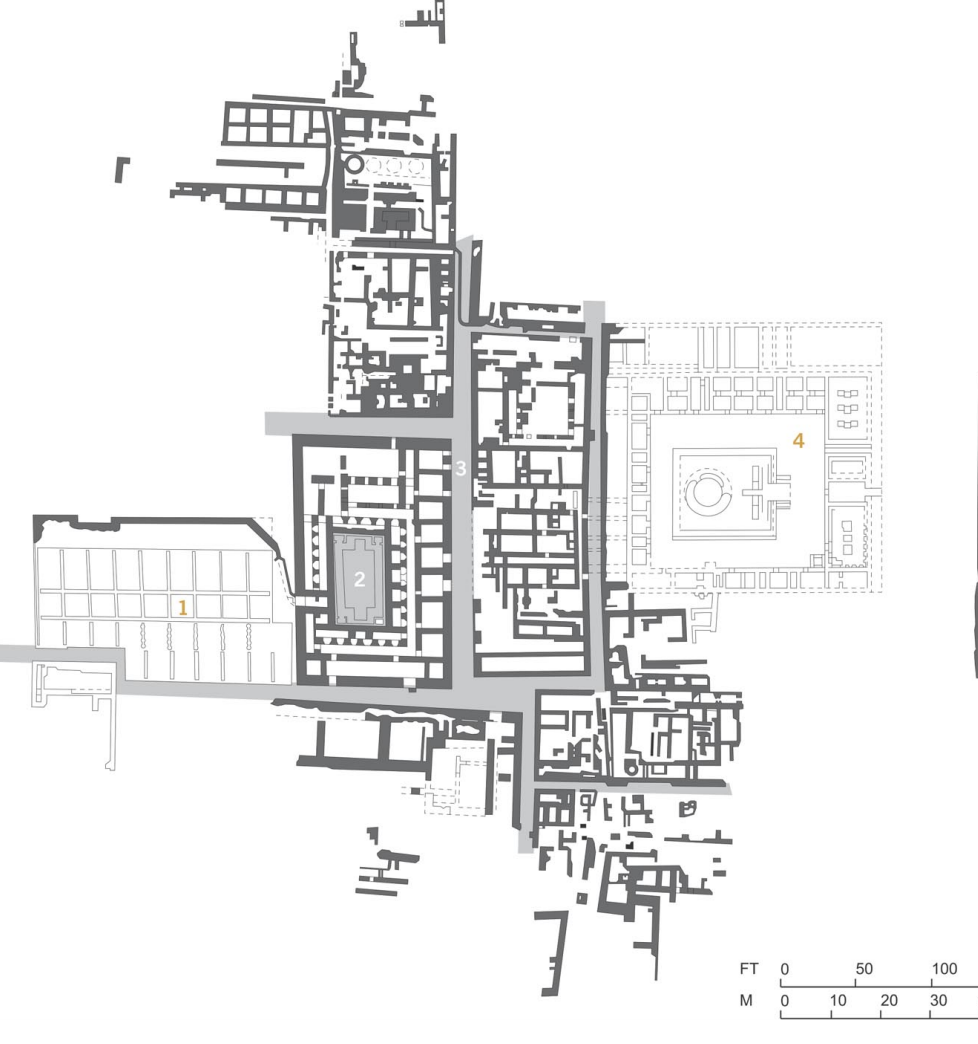
- 7—Ur (Iraq)
- city with the first know law code
- primacy to the temple
- Huge walled sacred
precinct and walled courtyard houses
- irregular street pattern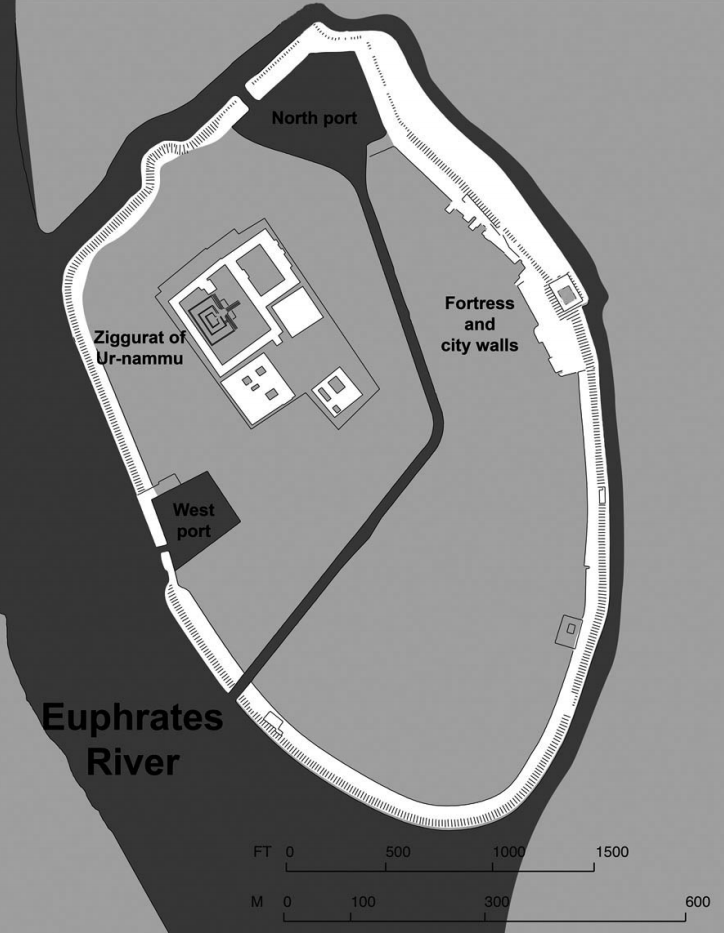
- 8—Ziggurat of Ur-Nammu (Ur, Iraq)
- as a mountain upon which the house of the god sat, connecting heaven and earth
- Mud-brick structure faced with fired brick originally covered with plaster and paint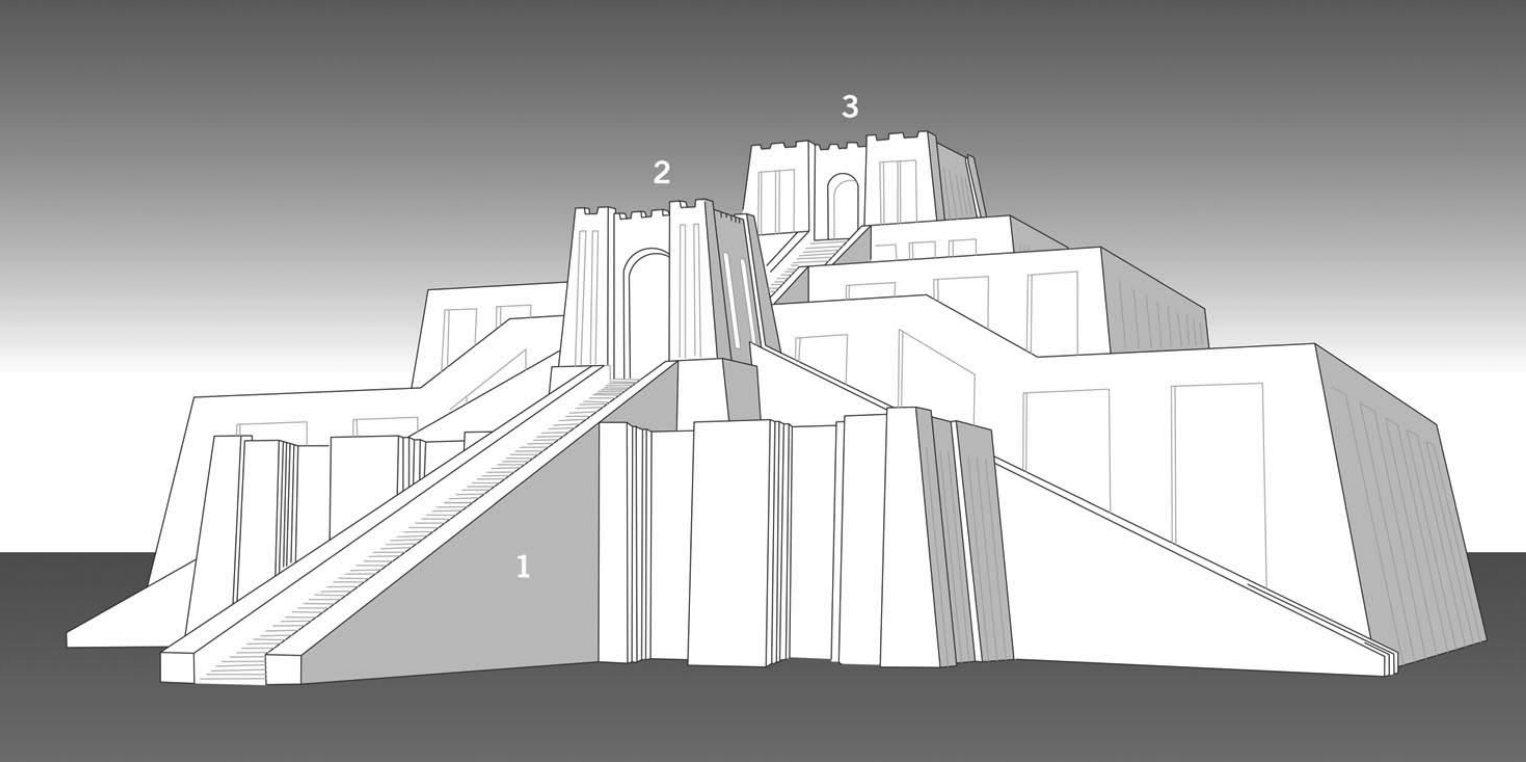
- 9—Mohenjo-daro (Pakistan)
- Orthogonal planning
- No temple mountain or palace; their spiritual place was the Great Bath, for ritual purification
- Rectangular houses with courtyards
- Had brick toilets and first sewage system
- Relatively straight and wide streets
- Political control of urban development