
Flashcards
OCB02-1008-TMJ Development
Flashcards do conjunto (18)
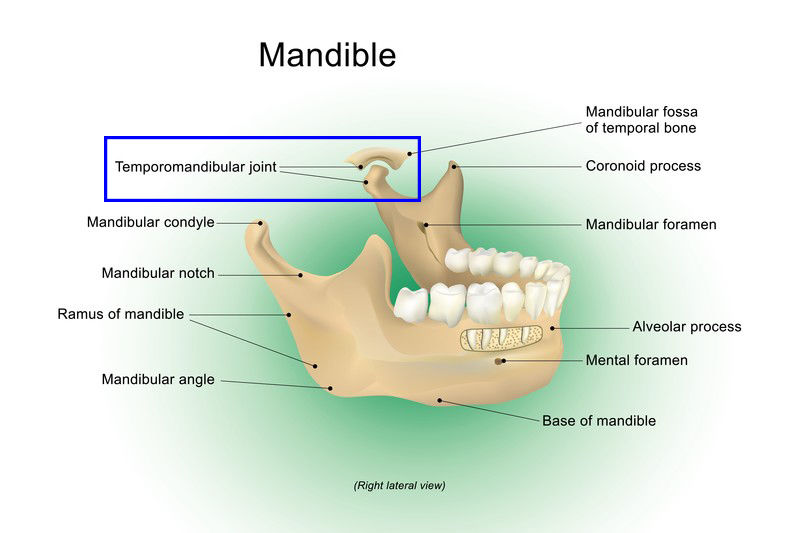
- 1What type of joint is the TMJ?A synovial hinge/glidng joint
- 2What is the TMJ located between?The glenoid/mandibular fossa and the condylar process of mandible
- 3What does the temporal bone consist of?Composite bone made of Petromastoid, Squamosal, Tympanic and Styloid bone
- 4What are the three processes of the mandible?1. Condylar Process
2. Coronoid Process (closing muscles)
3. Angle (opening muscles) - 5What are the muscle attachments of the three processes and ramus?Condylar: External Pterygoid
Coronoid: Temporalis
Angle: Internal Pterygoid
Ramus: Masseter - 6What are three ligaments of the TMJ?1. Temporomandibular (outside)
2. Stylomandibular (stabilises joint)
3. Sphenomandibular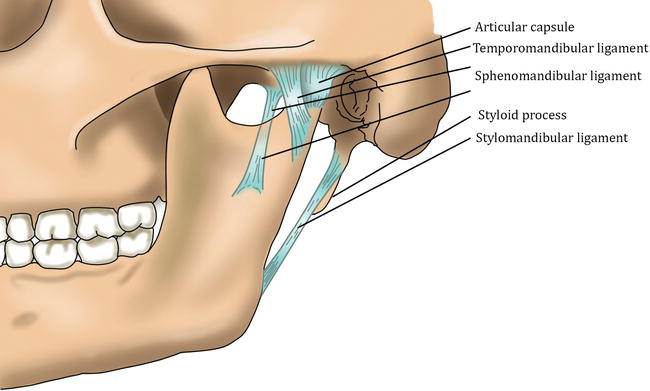
- 7What is ankylosis? What mutation is it caused by?Fusion of the disc with the condylar process or glenoid fossa
Mutation of Shox2 - 8Auriculo-condylar syndromeTMJ/condylar defects, malformed ears
- 9Mutation in TGFB2?Loss of angular attachment-->loss of angular because no mechanical stimulation
- 10Pax9 mutation?Loss of teeth (hyperdontia)
Loss of coronoid process - 11How does the TMJ develop (3 steps)1. Patterning of the dentary via intramembranous ossification
- requires right mechanical stimulation+genes
2. Capping bone w/ secondary cartilage
3. Development of disc on top of condylar cartilage
4. Disc lifts up to space in between condylar/glenoid fossa
5. Upper synovial cavity forms, then lower
6. Endochondral ossification - 12What does lubricin do?Separates disc from condylar process so it can lift
- 13Lack of mechanical stimulation leads to what in condylar/disc formation?No function disc or disc doesn't life off condylar
- 14Loss of Indian Hedgehog leads to...Reduced condylar cartilage
No disc formation
Ankylosis
Glenoid fossa development issues - 15Mutation in RunXFailure of cartilage to turn into bone
- 16Mutation in Alk2Failure of secondary cartilage to form
- 17Achondroplasia (shortened jaw) caused byToo much differentiation, not enough proliferation
- 18Lack of mechanical stimulation in ossification leads toReduced/failure of endochondral ossification (eg. mash diet)
Informações
- Descrição
- Describe how the TMJ forms during normal development. Review of developmental defects associated with the TMJ Review of genes thought to play a role in TMJ formation
- Criado por
- Evian Chai · abr 2020
- Atualizado
- 6 abr 2020
- Visualizações
- 67
- Tags
- Avaliação