
36432256
Descrição

FlashCards por Greg MacPherson, atualizado more than 1 year ago

|
Criado por Greg MacPherson
mais de 4 anos atrás
|
|
| Questão | Responda |
| Unit Four - Module 31 Assessing Intelligence | Assessing Intelligence |
| intelligence test | A method for assessing an individual's mental aptitudes and comparing them with those of others, using numerical scores. |
| achievement test | A test designed to assess what a person has learned. |
| aptitude test | A test designed to predict a person's future performance; aptitude is the capacity to learn. |
| eugenics | A social and political philosophy, based loosely on Charles Darwin’s evolutionary theory and Francis Galton’s research on hereditary genius, that seeks to eradicate genetic defects and improve the genetic makeup of populations through selective human breeding. |
| mental age | A measure of intelligence test performance devised by Alfred Binet; the level of performance typically associated with children of a specific chronological age. Thus, a child who does as well as an average 8-year-old is said to have a mental age of 8. |
| Stanford-Binet | The widely used American revision (by Lewis Terman at Stanford University) of Binet's original intelligence test. |
| intelligence quotient (IQ) | Defined originally as the ratio of mental age (ma) to chronological age (ca) multiplied by 100. (Thus IQ=ma/ca x 100) On contemporary intelligence tests, the average performance for a given age is assigned an score of 100. |
| Wechsler Adult Intelligence Scale (WAIS) | The WAIS and its companion versions for children are the most widely used intelligence tests; they contain verbal and performance (non-verbal) subtests. |
| psychometrics | The scientific study of the measurement of human abilities, attitudes, and traits. |
| standardization | Defining uniform testing procedures and meaningful scores by comparison with the performance of a pretested group. |
| Flynn Effect | The Flynn Effect is the tendency of IQ scores to change over time, and specifically, the apparent increase in intelligence in the general population evidenced by a steady increase in IQ scores. |
| normal curve | The bell-shaped curve that describes the distribution of many physical and psychological attributes. Most scores fall near the average, and fewer and fewer scores lie near the extremes. |
| reliability | The extent to which a test yields consistent results, as assessed by the consistency of scores on two halves of the test, on alternative forms of the test, or on retesting. |
| validity | The extent to which a test measures or predicts what it is supposed to. |
| content validity | The extent to which a test samples the behaviour that is of interest. Content validity is concerned with the breadth and comprehensiveness of the test content, ensuring it covers all aspects of the subject. |
| construct validity | The extent to which a test measures a concept or trait. Construct Validity is concerned with the accuracy of the test in measuring the intended psychological concept. |
| predictive validity | The success with which a test predicts the behaviour it is designed to predict; it is assessed by computing the correlation between test scores and the criterion behaviour. |
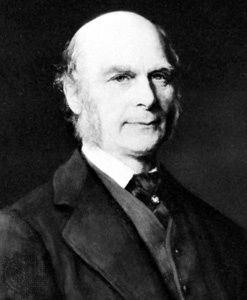
| Francis Galton | 19th century English scientist who believed it might be possible to measure “natural ability” and to encourage those of high ability to mate with one another. His attempts failed; however, he gave us some statistical techniques that we still use (as well as the phrase “nature and nurture”) |
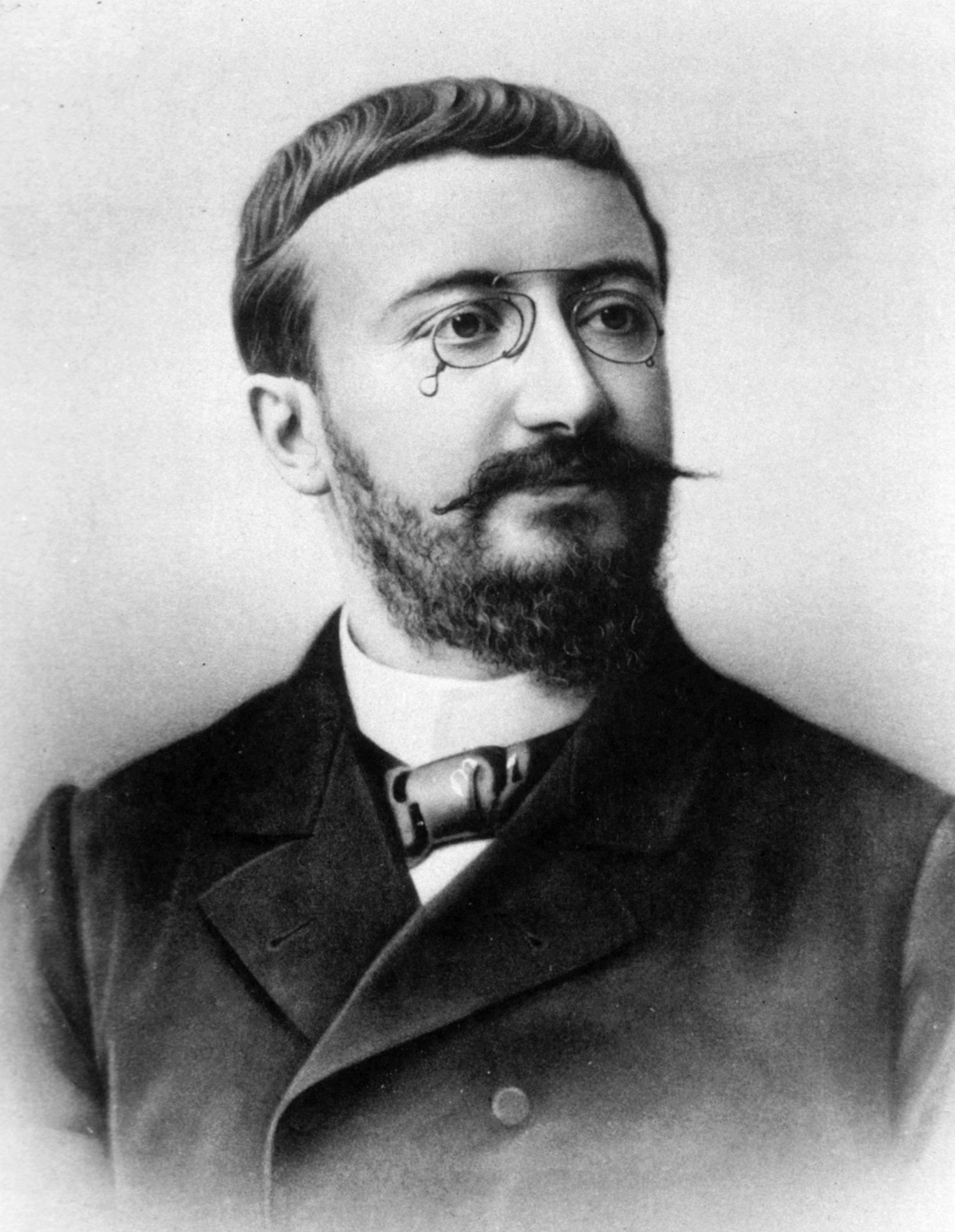
| Alfred Binet | Alfred Binet was a French psychologist best-remembered for developing the first widely used intelligence test. The test originated after the French government commissioned Binet to develop an instrument that could identify school kids that needed remedial studies. |
| Lewis Terman | Lewis Terman revised Binet's scale and standardized the test with subjects drawn from an American sample and the test became known as the Stanford-Binet Intelligence Scale. The test is still in use today and remains one of the most widely used intelligence tests. |
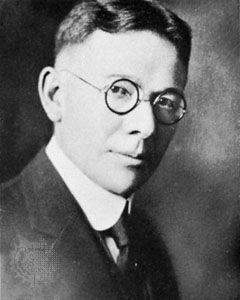
| David Wechsler | David was an American psychologist who developed well-known intelligence scales, such as the Wechsler Adult Intelligence Scale (WAIS) and the Wechsler Intelligence Scale for Children (WISC). |
Quer criar seus próprios Flashcards gratuitos com GoConqr? Saiba mais.