Mapa mental
ESL Methods & Approaches
Conteúdo do mapa
ESL Methods & Approaches
Approaches
- Grammatical Approach
- Knowing about a language rather than how to use language for communication
- Does not provide comprehensible input
- CLD learners who receive grammar-based instruction do worse on standardized tests than students who receive other methods of instruction
- Does not provide comprehensible input
- Knowing about a language rather than how to use language for communication
- Communicative Approach
- Methods
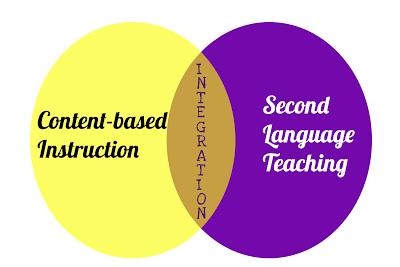
- ICB (Intergrated Content-Based)
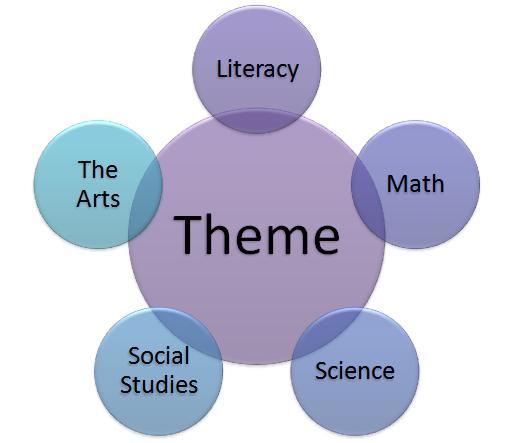
- Content-based second language instruction using academic thematic units
- Theme
- Relevant Topics
- Language and Content Objectives
- Appropriate Instructional Materials
- Classroom Environment
- Preteaching key content vocabulary
- Building Background
- Collaborative Learning
- Authentic Activities
- Cognitive Engagement
- Visual Support and Graphic Organizers
- Learning Centers
- Formative and Summative assessment
- Learning Centers
- Visual Support and Graphic Organizers
- Cognitive Engagement
- Authentic Activities
- Collaborative Learning
- Building Background
- Preteaching key content vocabulary
- Classroom Environment
- Appropriate Instructional Materials
- Language and Content Objectives
- Relevant Topics
- ICB strategies and techniques are crucial to the academic success of CLD learners
- Theme
- Content-based second language instruction using academic thematic units
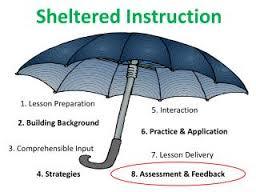
- Sheltered Instruction
- Combines philosophies, strategies, and techniques that appropriately recognize the many challenges CLD students face
- Provides instruction that is comprehensible, relevant, and motivating
- Emphasizes language and content objectives
- SI methods, strategies, and techniques are essential to the academic success of CLD learners
- Emphasizes language and content objectives
- Provides instruction that is comprehensible, relevant, and motivating
- Hands-on Activities
- Cooperative Learning
- Guarded Vocabulary
- Visuals
- Scaffolding
- Visuals
- Guarded Vocabulary
- Cooperative Learning
- Combines philosophies, strategies, and techniques that appropriately recognize the many challenges CLD students face
- ICB (Intergrated Content-Based)
- Based on constructivist theories: meaning is drawn from experience and social interaction
- Providing a language-rich environment for language acquisition
- CLD learners need meaningful social and communicative interaction in the target language
- Providing a language-rich environment for language acquisition
- Methods
- Cognitive Approach
- Methods
- CALLA
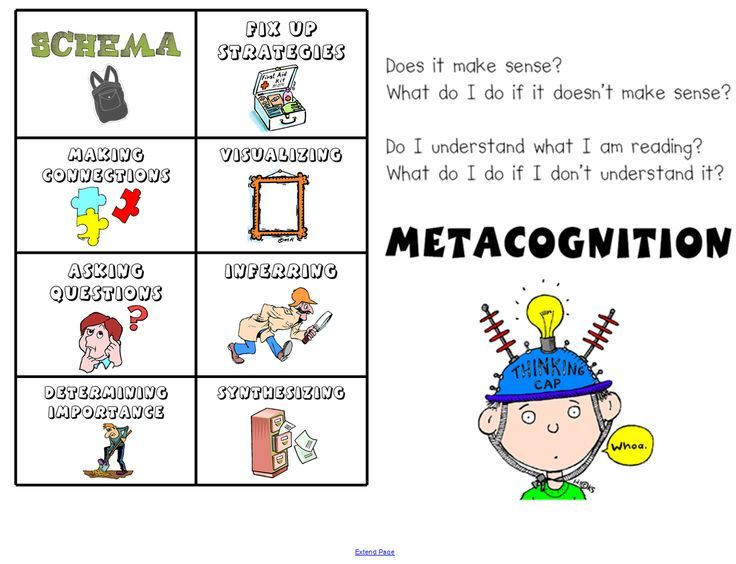
- Focuses on explicitly teaching CLD students to understand and tactifully apply metacognitive, cognitive, and social/affective strategies.
- Academic Content
- Academic Language
- Learning Strategies
- Academic Language
- Academic Content
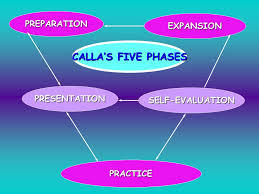
- Five phases: preparation, presentation, practice, evaluation, and expansion
- THe most successful CLD learners use multiple strategies flexibly and complex strategies appropriately
- See attached resource: The CALLA Method Mind Map
- THe most successful CLD learners use multiple strategies flexibly and complex strategies appropriately
- Focuses on explicitly teaching CLD students to understand and tactifully apply metacognitive, cognitive, and social/affective strategies.
- CALLA
- Focuses on the learners' background knowledge and socialization experiences to facilitate connections
- Utilizes cognitive, metacognitive, and social/affective learning strategies
- Emphasizes a variety of educational interests relevant to the CLD learner
- Utilizes cognitive, metacognitive, and social/affective learning strategies
- Methods
- Grammatical Approach