
Mapa mental
5.2 Ionic Bonding and Structure
Conteúdo do mapa
5.2 Ionic Bonding and Structure
Ionic Bonding
- Ionic Bonding is the electrostatic attraction between oppositely charged ions
- You NEED to know this definition for the OCR chemistry exam - it is on the specification!
- Cations (positive ions)
- Metal Ions
- Na +
- Ca 2+
- Al 3+
- Ammonium Ions
- NH4 +
- This is just a +1 charge
- NH4 +
- Metal Ions
- Anions (negative ions)
- non-metal ions
- Cl -
- O 2-
- Polyatomic Ions
- NO3 -
- SO4 2-
- non-metal ions
- Occurs between a metal and a non-metal
- Ionic Bonding is the electrostatic attraction between oppositely charged ions
Ionic Compounds
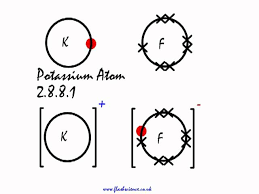
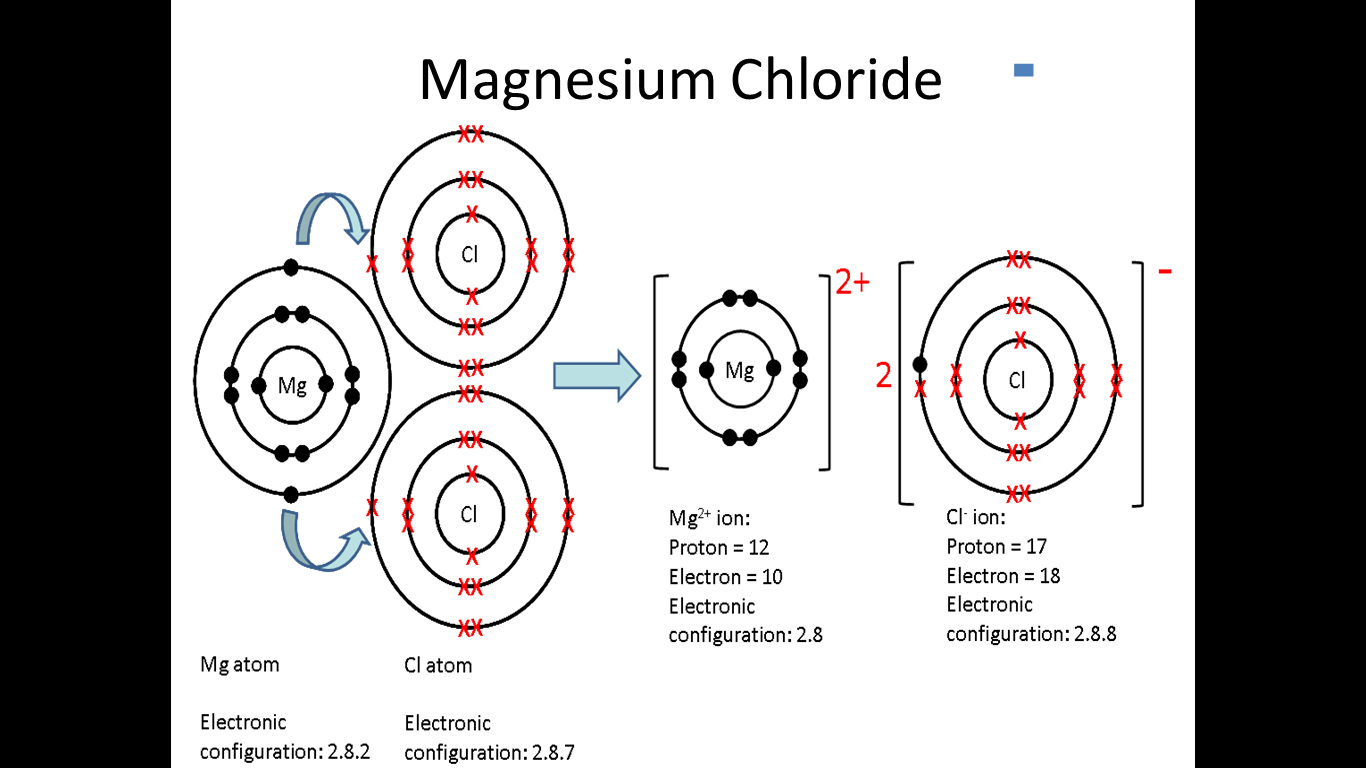
- Dot and Cross diagrams
- Outer-shell electrons from a metal atom are transferred to the outer shell of a non-metal ion
- Positive and negative ions are formed
- E.g/ Potassium Flouride, KF
- E.g Magnesium Chloride, MgCl2
- Dot and Cross diagrams
Structure of Ionic Compounds
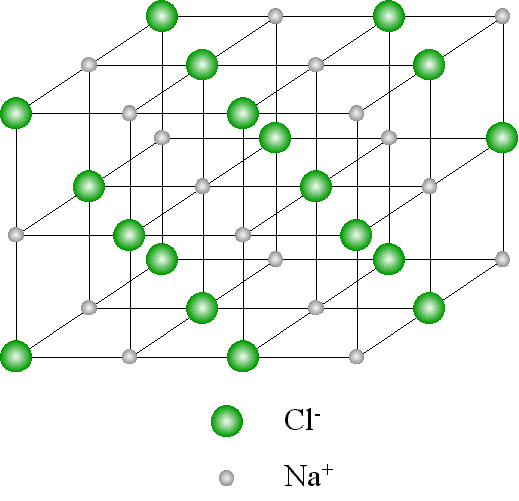
- Each ion attracts oppositely charged ions in ALL directions
- Giant Ionic Lattice formed containing billions of ions.
- E.g/ Sodium Chloride
- Each Na+ ions is surrounded by 6 Cl- ions
- Each Cl- ion is surrounded by 6 Na+ Ions
- Each ion is surrounded by opposite charged ions, forming a giant ionic lattice
- Each ion attracts oppositely charged ions in ALL directions
Melting and Boiling Points
- Almost all ionic compounds are solids at room temperature. This is because there isn't enough energy to break the strong electrostatic forces of attraction between the oppositely charged ions in the giant ionic alttice
- High temperatures are needed to break the strong electrostatic forces = most ionic compounds have HIGH boiling points and melting points
- Almost all ionic compounds are solids at room temperature. This is because there isn't enough energy to break the strong electrostatic forces of attraction between the oppositely charged ions in the giant ionic alttice
Solubility
- Most ionic compounds dissolve in polar solvents, such as water. This is due to the polar water molecules, which break down the lattice and surround each ion in solution
- In a compound made of ions with large charges, the ionic attraction may be too strong for water to be able to break down the lattice structure = the compound isn't very soluble.
- Solubility requires two main processes: 1) The ionic lattice must be broken down 2) Water molecules must attract and surround the ions
- Be careful when predicting the solubility of a substance, as the solubility of a compound in water depends on the relative strengths of the attractions within the giant ionic lattice and the attractions between ions and water molecules
- Most ionic compounds dissolve in polar solvents, such as water. This is due to the polar water molecules, which break down the lattice and surround each ion in solution
Electrical Conductivity
- In a solid state, an ionic compound doesn't conduct electricity. However, once melted or dissolved in water, the ionic compound does conduct electricity.
- In the solid state ...
- ... the ions are in a fixed position in the giant ionic lattice
- ... there are no mobile charge carriers
- When liquid or dissolved in water...
- ... the solid ionic lattice breaks down
- ... the ions are now free to move as mobile charge carriers
- In the solid state ...
- In a solid state, an ionic compound doesn't conduct electricity. However, once melted or dissolved in water, the ionic compound does conduct electricity.
Summary
- Ionic compound have high melting and boiling points
- Ionic compounds tend to dissolve in polar solvents such as water
- Ionic compounds conduct electricity when in liquid state or when in aqueous state
Imagens e arquivos do mapa
Informações
- Descrição
- AS - Level Chemistry (5 - Electrons and Bonding) Mapa Mental sobre 5.2 Ionic Bonding and Structure, criado por Bee Brittain em 15-04-2016.
- Criado por
- Bee Brittain
- Visualizações
- 68
- Tags
- Avaliação