
Mapa mental
System Threats
Conteúdo do mapa
System Threats
Malware
- Computer software written to infect computers and commit crimes (short for malicious software)
- Crashing, slow internet speed (usually if its a worm), loss of files / flies corrupted / files encrypted, stolen passwords (key logging)
- How to protect against: Strong security software (firewall, spam filter, anti-virus, anti-spyware, anti-spam), Enable OS updates, Staff training: caution opening attachments , Back up files regularly
- Crashing, slow internet speed (usually if its a worm), loss of files / flies corrupted / files encrypted, stolen passwords (key logging)
- Computer software written to infect computers and commit crimes (short for malicious software)
SQL injection
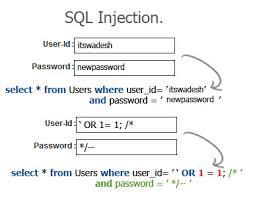
- SQL injection is a code injection technique, used to attack data-driven applications. If a database application has not been coded in a secure way, code can be entered into text boxes, and will be executed by the server.
- Effects of SQL injection: Contents of the database can be output, revealing data that otherwise would be hidden. Data in the database can be amended and deleted, New rogue records can be added.
- Preventing SQL injection: Validation of input fields, Using parameterised queries, Using database permissions. - Penetration testing.
- Effects of SQL injection: Contents of the database can be output, revealing data that otherwise would be hidden. Data in the database can be amended and deleted, New rogue records can be added.
- SQL injection is a code injection technique, used to attack data-driven applications. If a database application has not been coded in a secure way, code can be entered into text boxes, and will be executed by the server.
Denial of service attack
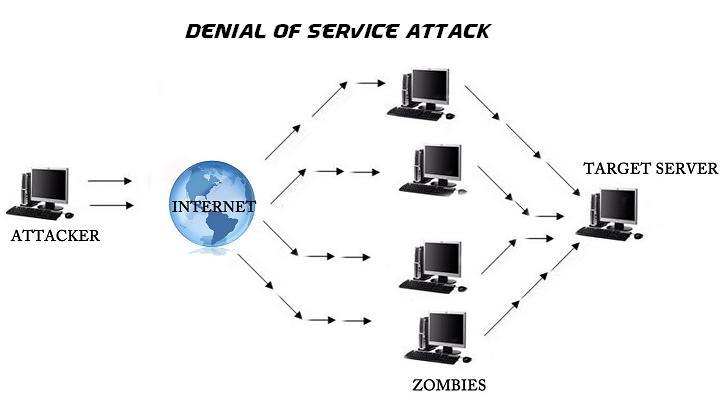
- Where a server is flooded with useless info/traffic, overloading them and therefore preventing them from answering legitimate client-server requests from users
- Many DoS attacks, such as the Ping of Death and Teardrop attacks, exploit limitations in the TCP/IP protocols. DDoS is a type of attack where multiple compromised systems, which are often infected with a Trojan, are used to target a single system causing a Denial of Service attack.
- Effects:Revenue losses: downtime affects profits. Based on industry surveys, the average cost of downtime is over £4000/minute, Productivity Loss: when critical network systems are shut down, your workforce’s productivity comes to a halt., Reputation Damage: your brand suffers if customers can’t access your site or become casualties of a data breach.
- Prevention: Strong security software (firewall), Packet filters on routers, Configuration of the webserver, Good network policy: audits, logs, monitoring.
- Where a server is flooded with useless info/traffic, overloading them and therefore preventing them from answering legitimate client-server requests from users
Brute Force Attack
- It's a trial and error method used by criminals. They use a computer to continuously guess random combinations in the hopes of eventually getting the correct password.
- Preventing brute force attacks, Network lockout policy: locks out after a number of tries, Staff training: using effective passwords that contain symbols and numbers, Challenge response tests e.g. reCAPTCHA – user has to look at a picture and answer a question.
- It's a trial and error method used by criminals. They use a computer to continuously guess random combinations in the hopes of eventually getting the correct password.
Data interception and theft
- An attacker monitors data streams to or from a target, in order to gather sensitive information. This attack usually involves sniffing network traffic. Sniffing or eavesdropping is the act of monitoring traffic on the network for data such as plaintext passwords or configuration information. With a simple packet sniffer program, an attacker can easily read all plaintext traffic.
- Effects: Discovering username and password credentials, Gaining access to systems, Disclosure of corporate data, Theft of data.
- Prevention: Strong encryption, Using virtual networks, Staff training: use of passwords, locking and portable storage devices. Network forensics.
- Effects: Discovering username and password credentials, Gaining access to systems, Disclosure of corporate data, Theft of data.
- An attacker monitors data streams to or from a target, in order to gather sensitive information. This attack usually involves sniffing network traffic. Sniffing or eavesdropping is the act of monitoring traffic on the network for data such as plaintext passwords or configuration information. With a simple packet sniffer program, an attacker can easily read all plaintext traffic.
Phishing
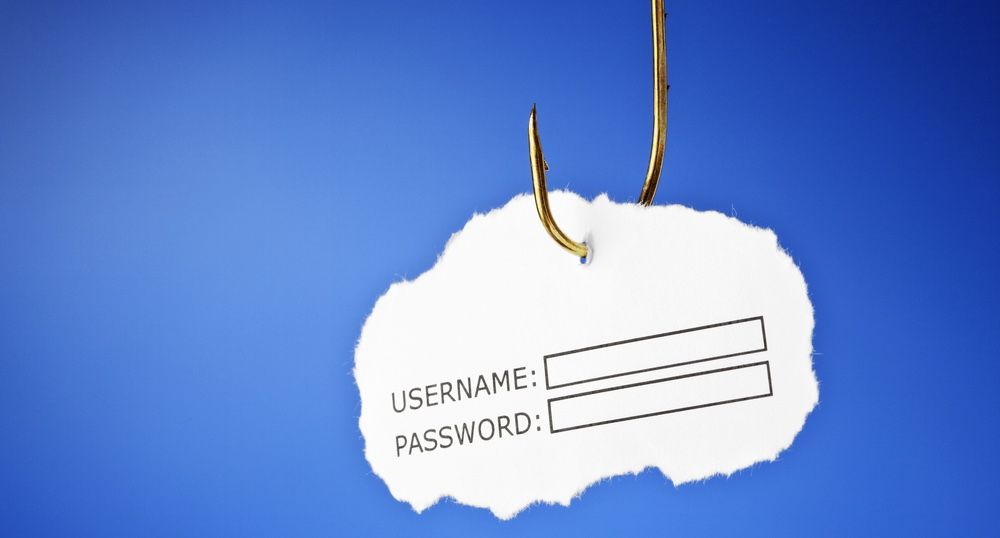
- A kind of online fraud technique used by criminals to try and get personal information and data such as passwords and bank details. Works by disguising as a trustworthy online website.
- Accessing victims accounts via their stolen passwords,identity fraud/ theft, gaining access to high value corporate data, Financial institutions can blacklist companies, resulting in reputation damage
- Preventing phishing - Strong security software (firewall, spam filter, anti-virus, anti-spam), Staff training: awareness of spotting fake websites & emails, Staff training: never disclose personal or financial information, Staff training: disable pop-ups.
- Accessing victims accounts via their stolen passwords,identity fraud/ theft, gaining access to high value corporate data, Financial institutions can blacklist companies, resulting in reputation damage
- A kind of online fraud technique used by criminals to try and get personal information and data such as passwords and bank details. Works by disguising as a trustworthy online website.
Imagens e arquivos do mapa



Informações
- Descrição
- Year 10 Computing Mapa Mental sobre System Threats, criado por Oliver Ewins em 05-05-2017.
- Criado por
- Oliver Ewins
- Visualizações
- 0
- Avaliação