
Mapa mental
Grammar
Conteúdo do mapa
Grammar
Grammar is a set of rules about words used in a language to form sentences
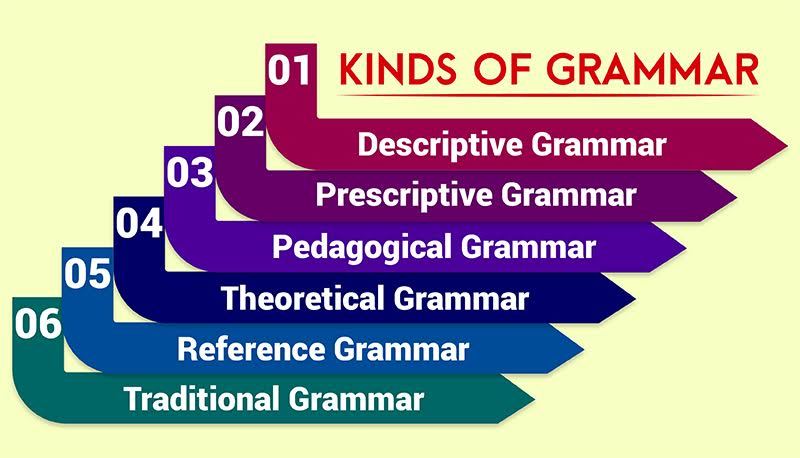
Types of grammar
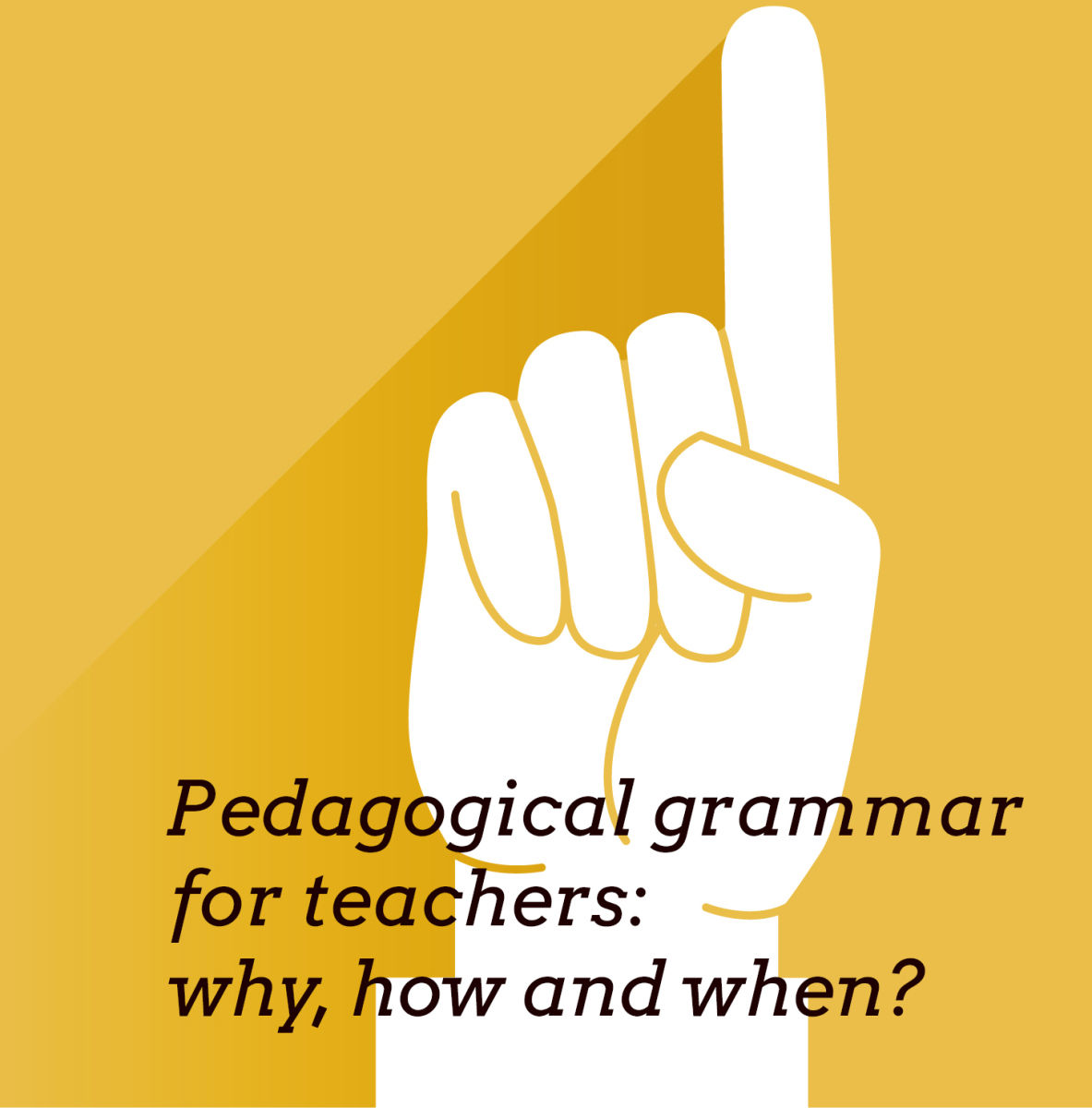
- Pedagogical Grammar: It teaches you how to use the grammar of a language to communicate, for people the target language.
- Comparative grammar: It is concerned with the analysis and comparison of grammatical structures of related languages. To compare the grammatical forms and usages of a group of tongues and reduce them to their earliest forms and senses.
- Mental grammar: This relates to the generative grammar that a native speaker possesses, and allows him to produce language in an understandable way. This kind of grammar is unconscious, that is, it is not taught; any adult speaker has mental grammar to recognize suitable structures for communicating, even if he does not know the reason of it.
- Generative Grammar: Any theory capable of producing well-formed sentences or rejecting bad forming.
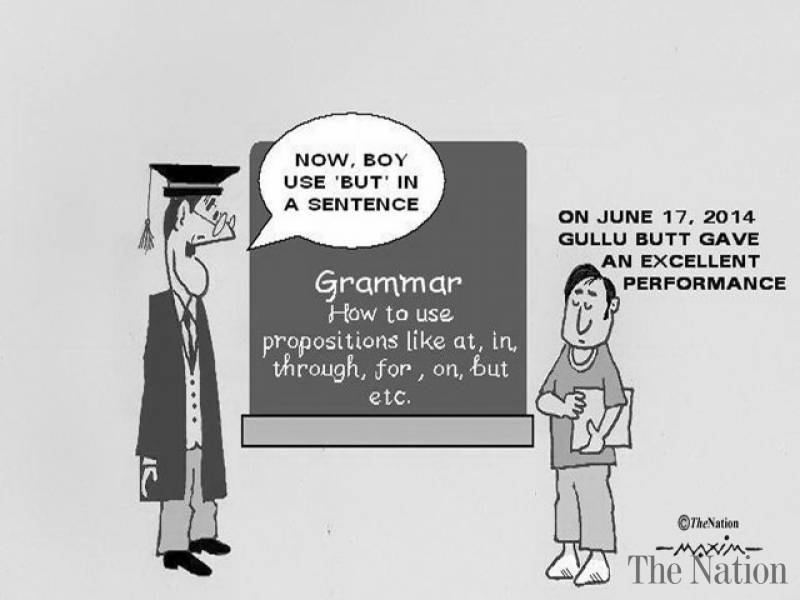
Prescriptive grammar Focused on what to do and not do in grammatical construction. Sets four rules about how language should be used correctly. This kind of grammar is taught in schools.
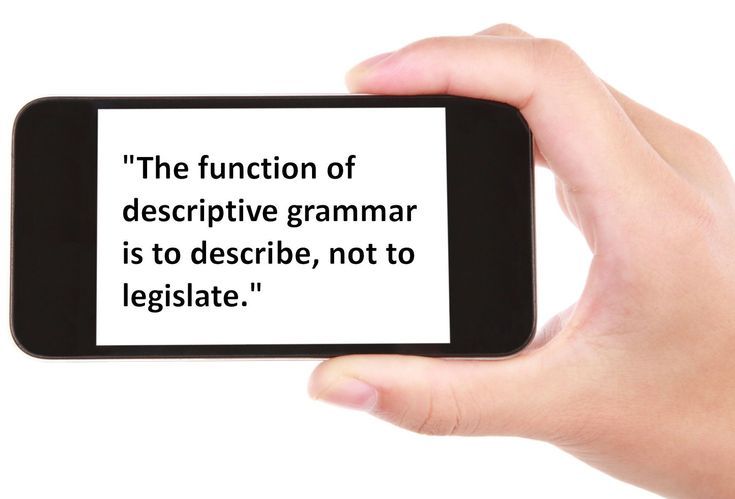
Descriptive Grammar It refers to an objective description of the grammatical constructions in a language. It is the basis for dictionaries, which records the changes in vocabulary and use. It details the way native speakers use the language, with the changes it goes through over the years. Its main goal is to explain how language works, with no assumption of ‘correctness’
Performance Grammar It is the language used in spontaneous conversations. It centers the attention on the production of language, containing different utterances produced by native speakers, even hesitations and unfinished structures.
Theorical Grammar It is concerned with the study of the essential components of any human language in general. This is a scientific theory that provides explanations about certain forms the language contains and not others. The purpose of this kind of grammar is the understanding of language.
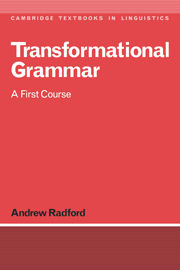
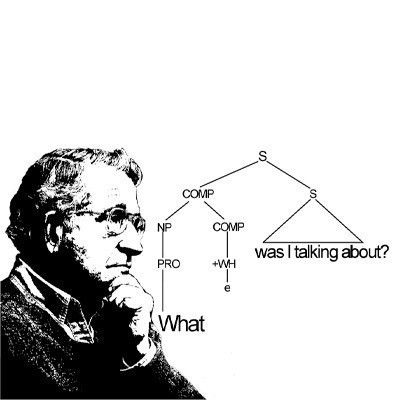
Transformational Grammar This theory of grammar should be with the constructions of a language by linguistic transformations and phrase structures. It focuses mainly on syntax rather than phonology or morphology. In transformational grammar, ‘rules’ are internalized by the speaker, unconsciously followed in the production and interpretation of sentences. Transformational grammar relates the active sentence “John read the book” with its corresponding passive “The book was read by John”.
Reference Grammar It describes the grammar, giving explanations of the rules and uses of words, phrases, clauses and sentences, as well as phonological features. It brings together a coherent treatment of a language as a system, within its cultural context, looking at the history of it too.
Traditional Grammar Also, known as ‘school grammar’ because it is the one that is taught in schools, that is the rules and concepts about the structure of language. It is based on the principles of Latin grammar. It is prescriptive since it relates to the distinction between what some people do with language and what they should do with it. It has the operational eight parts of speech: verbs, nouns, pronouns, adjectives, adverbs, prepositions, conjunctions and interjections. It is mainly based on function or meaning. (Notes Google)
Universal Grammar It is a theory of grammars; it is a system of categories, operations and principles shared by all human languages, which are innate. It is about the human faculty for language. All humans are born with an understanding of the rules of grammar; humans have a natural predilection to learn and use them.
Imagens e arquivos do mapa


Informações
- Descrição
- Mapa Mental sobre Grammar, criado por Leticia Soriano Cervantes em 21-05-2017.
- Criado por
- Leticia Soriano Cervantes
- Visualizações
- 0
- Avaliação