Mapa mental
Assertive communication
Conteúdo do mapa
Assertive communication
Ways of communication
- Voluntary act of a information between beings humans
- Not all forms of life communicate from the same way
- The human being learned to communicate through technology
- Not all forms of life communicate from the same way
- Characteristics of the communication
- Exchange process information
- Different are involved called instances
- Happens of cyclical way
- It is almost always about provoking an answer
- Voluntary act of a information between beings humans
Types of communication
- Verbal
- Non verbal
- Written
- Biochemistry
Comunication elements
- Transmitter
- Receiver
- Message
- Code
- Channel
Communication functions
- Informative
- Formative
- Persuasive
- Expressive
Way of communicating
- Verbal and preverbally
- Assertive behavior it implies
- Feelings
- Thoughts
- Actions
- Assertive behavior it implies
- Verbal and preverbally
Empathy
- A person's ability to put yourself in the place of the other
- Helps to accept different people
- Improves the social interactions
- Helps to accept different people
- A person's ability to put yourself in the place of the other
Communication styles
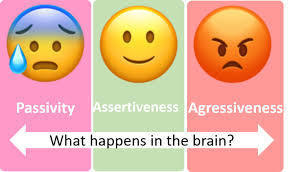
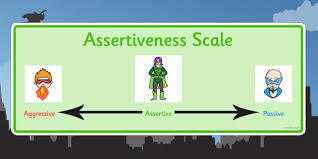
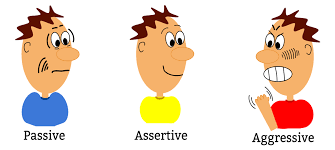
- Assertive
- passive
- Aggressive
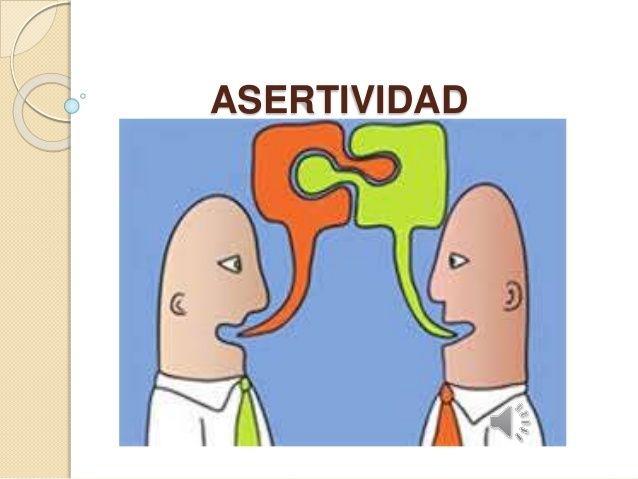
Social ability that allows expressing feelings and opinions respecting the other
Adolescents greater ability to socialize
- Ability to understand the other
- They adapt their own language
- Elkind (1967) proposes six characteristic forms of immaturity in adolescent thinking
- Idealism and critical attitude
- Controversial attitude
- Apparent hypocrisy
- Uniqueness and invulnerability
- Self-awareness
- Indecision
- Elkind (1967) proposes six characteristic forms of immaturity in adolescent thinking
- They adapt their own language
- Ability to understand the other