
Mapa mental
Food Waste
Conteúdo do mapa
Food Waste
Artificial Intelligence
- Issues with AI
- Make AI more Sustainable
- Make algorithms more efficient so that less resources are needed to complete tasks.
- Encourage companies to make their data centers more sustainable
- Power using renewable energy
- Offset Emissions
- Reuse resources like water when possible
- Knowledge Gaps: Lack of understanding about the environmental impacts of AI
- Need to establish standardized procedures for measuring the environmental impact of AI
- Are the resources needed to utilize AI more than the resources saved from avoiding food waste?
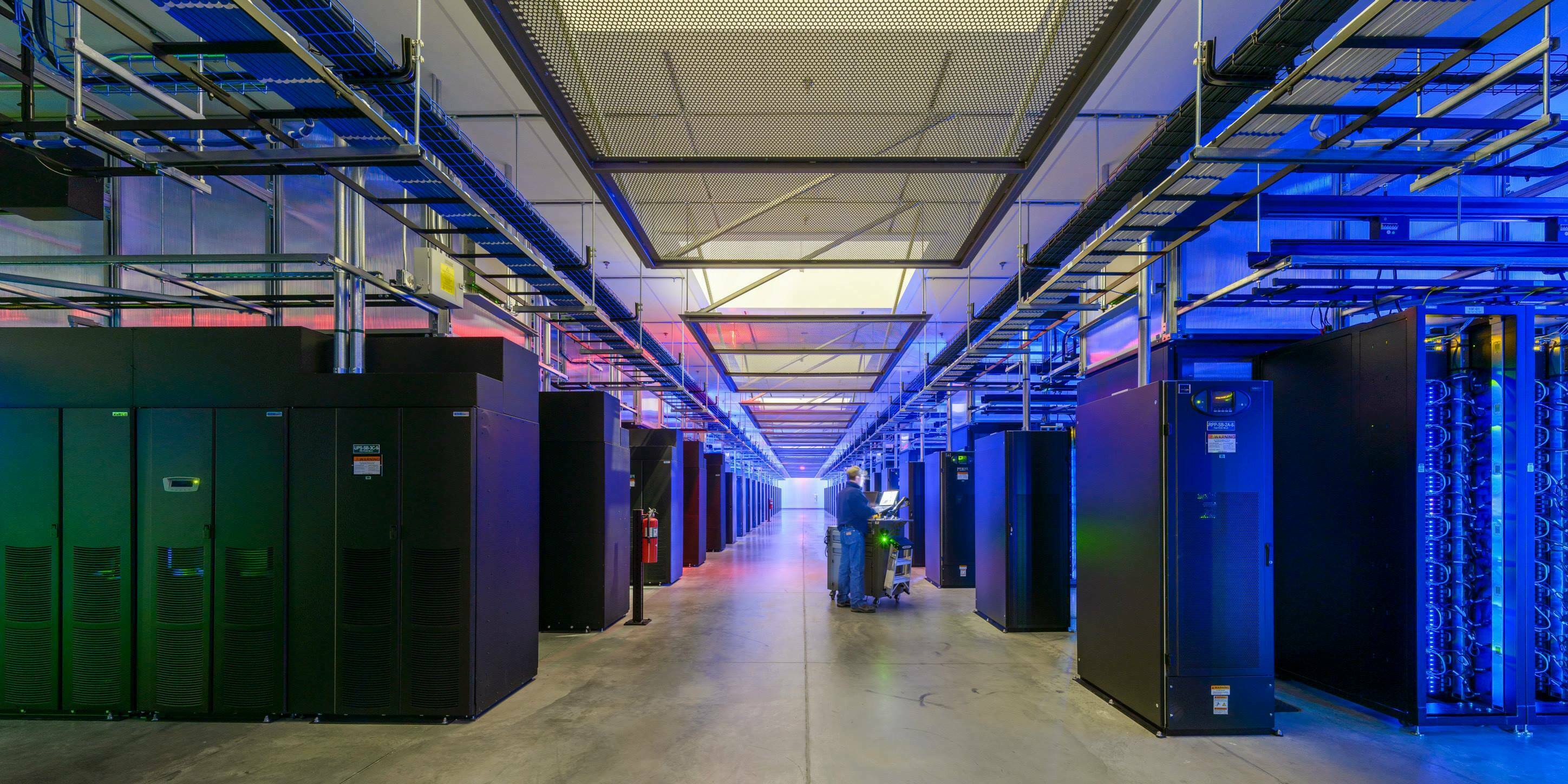
- Data Centers
- Produce electronic waste containing hazardous materials like mercury and lead
- Consume large volumes of water to cool electrical components
- Globally, AI infrastructure may soon consume six times more water than the country of Denmark (UN Environment Programme, 2024).
- Rely on critical minerals and rare elements that are mined unsustainably
- Use massive amounts of electricity, usually from burning fossil fuels
- Make AI more Sustainable
- Ways to Use AI to avoid food waste
- Automate waste tracking and get insight on waste patterns
- Identify substandard products before reaching consumers
- The company ImpactVision uses machine learning to analyze composition of food products and ensure quality standards are met, avoiding waste further down the supply chain. (Onyeaka et al., 2023)
- Interpret feedback from consumers to identify where demand is for food
- The company Brightloom uses AI to optimize menu options based on customer preferences, avoiding the overproduction of food items (Onyeaka et al., 2023).
- Optimize growing conditions to ensure quality products
- Analyze data about food storage conditions to prevent spoilage
- Optimize delivery routes and times to ensure fresh, quality produce
- Suggest recipes based on available ingredients
- Assess effectiveness of educational interventions
- AI-driven programs identify the most impactful strategies for increasing awareness of food waste (Ahmad Wafi & Tumiran, 2024).
- Future of AI for Food Waste
- 5 Years
- 10 Years
- Beyond
- Existing AI technologies will continue to be normalized and made more accessible to all with more user-friendly design and more affordable costs, largely reducing overall food waste.
- Computer scientists will continue developing new ways to use AI for sustainability.
- AI technology will be so accessible that smaller, less innovative food production companies will implement it as well, lowering food waste at the production level.
- Appliances with built in AI will be available to consumers, reducing food waste in homes.
- Using AI to track food waste will be standard practice for all eateries (and will be more affordable)
- Beyond
- Restaurants will start using AI-powered automatic waste tracking at a larger scale, which will cut down their food waste.
- Large, tech-savvy food companies will begin using AI to better predict consumer trends and optimize delivery routes and storage conditions.
- People interested in tech will start exploring uses of AI to avoid food waste at the consumer level.
- 10 Years
- 5 Years
- Issues with AI
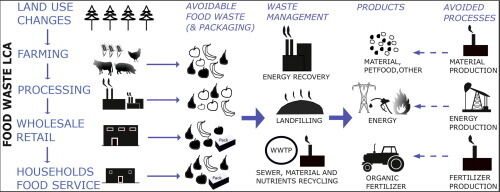
Food waste is a problem
- One third of food intended for human consumption in the United States goes to waste (Buzby, 2022).
- Producing food requires the use of resources at every stage: production, processing, transportation, etc. When food gets wasted, all of those resources go to waste as well.
- Food waste that is sent to landfills rots and releases methane into the atmosphere.
- Outside of the landfill emissions, food loss in the United states produces 170 million tons of carbon dioxide equivalent greenhouse gas emissions each year (Buzby, 2022).
- Food waste that is sent to landfills rots and releases methane into the atmosphere.
- Producing food requires the use of resources at every stage: production, processing, transportation, etc. When food gets wasted, all of those resources go to waste as well.
- One third of food intended for human consumption in the United States goes to waste (Buzby, 2022).
Imagens e arquivos do mapa


Informações
- Descrição
- Food Waste and Artificial Intelligence Mind Map - Individual Semester Project AGRONOMY 471
- Criado por
- MORGAN JAENKE
- Visualizações
- 17
- Avaliação