Mapa mental
Anatomy
Conteúdo do mapa
Anatomy
Skeletal system
- Which function include
- Structural support
- Protection
- Growth center for cells
- Reservoir of minerals
- Calcium
- Binds onto
- troponin
- which is on
- Actin
- stops the inhibition of
- Tropomyosin
- allowing
- allowing
- Tropomyosin
- which is on
- troponin
- Binds onto
- Calcium
- Movement
- is divided into
- different types
- such as
- Long bones
- Example
- Irregular
- flat bones
- Short bones
- Long bones
- such as
- Axial
- Appendicular
- different types
- points at which bones connect are
- Joints
- displacement of bone
- Dislocation
- Three types are
- Cartiligenous joints
- example
- Synovial joints
- Examples of types include
- Pivot joints
- For example, between
- Atlas
- Axis
- part of
- The vertebral column
- part of
- Atlas
- For example, between
- Hinge joints
- For example
- Elbow
- For example
- Gliding
- For example
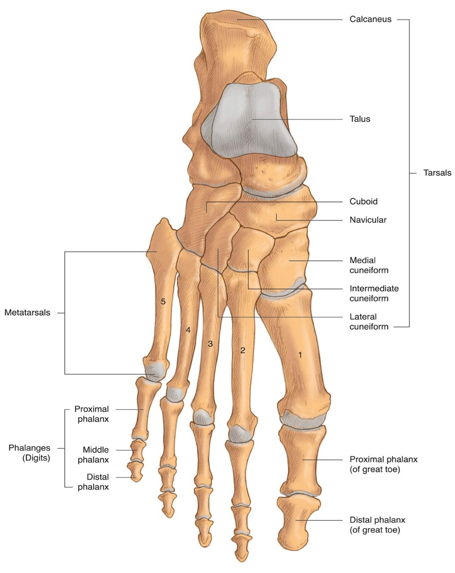
- Between tarpals and carpals
- Bone involved are examples of
- Short bones
- Bone involved are examples of
- Between tarpals and carpals
- For example
- Saddle
- For example
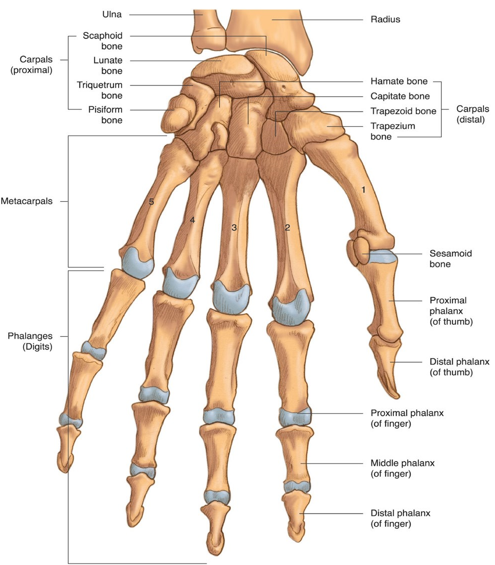
- Carpo-metacarpal articulation of the thumb
- For example
- Pivot joints
- Examples of types include
- Fibrous joints
- Cartiligenous joints
- displacement of bone
- Joints
- Has a total of
- 206 bones
- Formed through
- Ossification
- has two forms
- Compact bone
- Begins as
- Cartilage
- Begins as
- Cancellous bone
- Begins as
- Fibrous membranes
- Begins as
- Compact bone
- Part of the
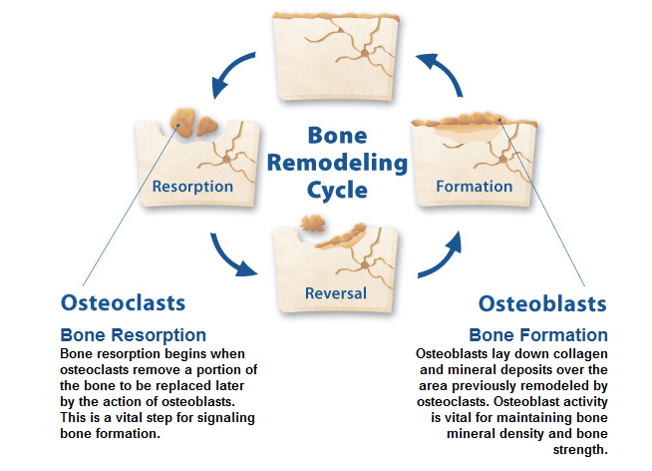
- Bone remodeling cycle
- Bone remodeling cycle
- has two forms
- Ossification
- Formed through
- 206 bones
- Which function include
Muscular system
- Works with
- The nervous system
- Consists of
- Central nervous system
- Comprises of the
- Brain
- Protected by the
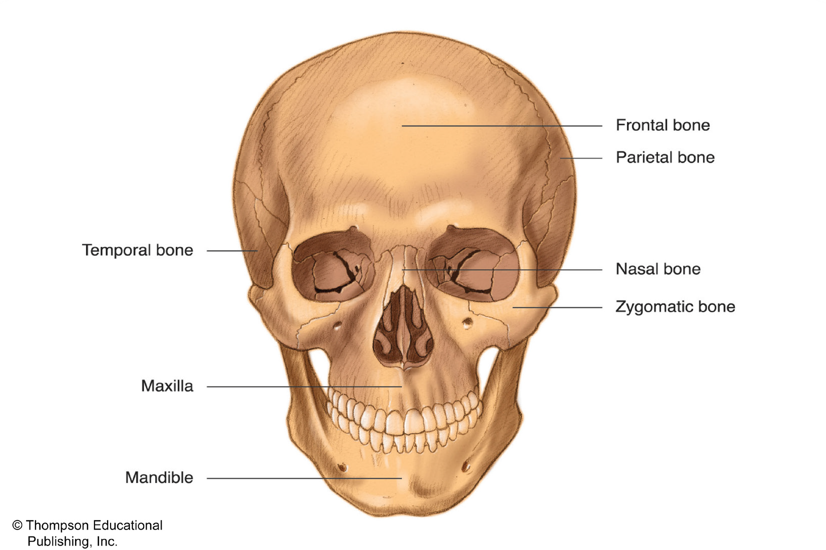
- Skull
- Made up of
- Zygomatic bone
- Maxilla
- Mandible
- Nasal bone
- Temporal bone
- Parietal bone
- Frontal bone
- Occipital bone
- Made up of
- Skull
- Protected by the
- Spinal cord
- Protected by the
- The vertebral column
- Made up of
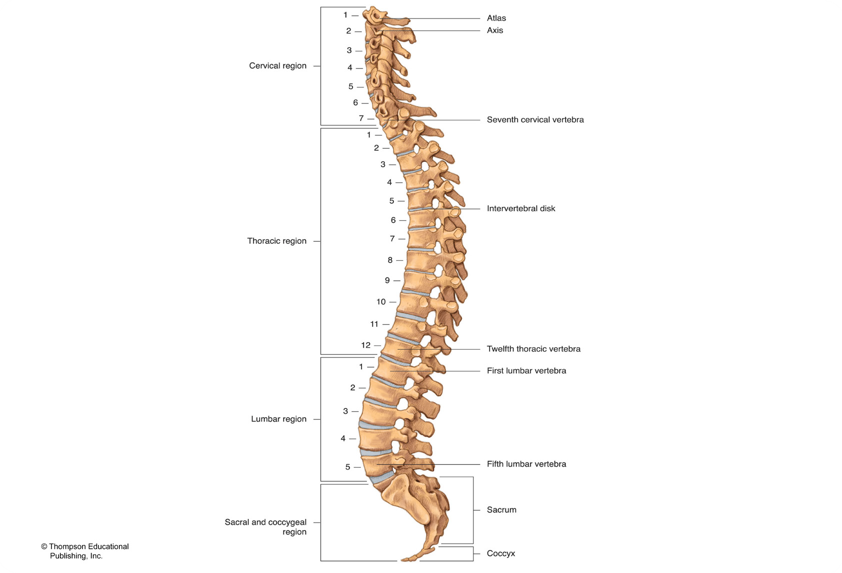
- Cervical vertebrae
- Lumbar vertebrae
- Thoracic vertebrae
- Sacrum
- Coccyx
- The vertebral column
- Protected by the
- Brain
- Comprises of the
- Peripheral nervous system
- Divided into
- Somatic nervous system
- Sends signals to the
- Skeletal muscles
- Referred to as
- Striated
- Referred to as
- Skeletal muscles
- Sends signals to the
- Autonomic nervous system
- Regulates the
- Smooth muscles
- Surrounds
- Organs
- Surrounds
- Cardiac muscles
- Found at the
- Heart
- Which is an
- Organ(s)
- Protected by
- Axial skeleton
- Protected by
- Organ(s)
- Which is an
- Heart
- Found at the
- Smooth muscles
- Regulates the
- Somatic nervous system
- Divided into
- Central nervous system
- Transmit signals through
- Neurons
- types
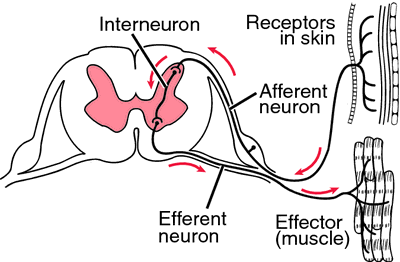
- Afferent neuron
- Efferent neuron
- Part of the
- Sends signals to the
- Interneuron
- Parts of the
- Reflex arc
- also includes
- Receptor
- Effector
- also includes
- Reflex arc
- Parts of the
- Afferent neuron
- responsible for stimulating
- muscle fibres
- along with
- motor neurons
- form
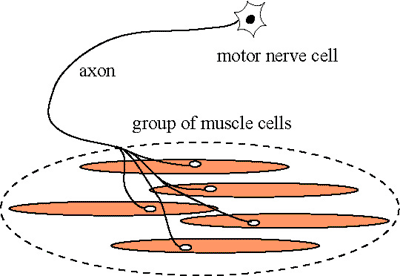
- A motor unit
- complies to
- All or none principle
- complies to
- A motor unit
- form
- Axon
- motor neurons
- Point where nerves transmit signal
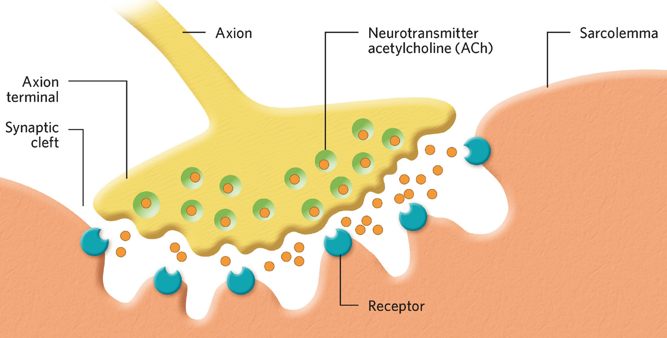
- Neuromuscular junction
- is where
- Acetylcholine is released
- signalling the muscle through
- Tubular membranes
- change takes place in
- Electrical properties
- causing rapid release of
- Calcium
- causing rapid release of
- Electrical properties
- change takes place in
- Tubular membranes
- signalling the muscle through
- Acetylcholine is released
- is where
- Neuromuscular junction
- along with
- muscle fibres
- types
- Neurons
- Consists of
- The nervous system
- Types of muscles include
- Smooth muscles
- Cardiac muscles
- Skeletal muscles
- Involves
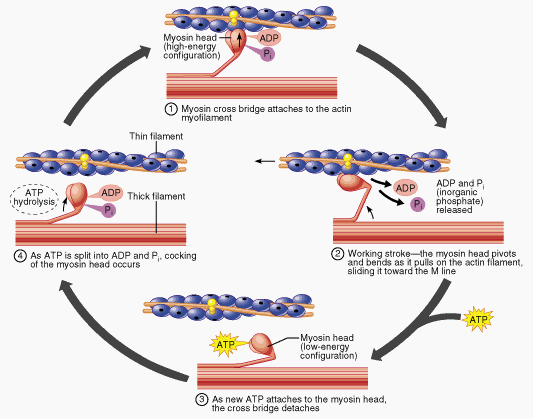
- Muscle contractions
- Achieved through the mechanism known as
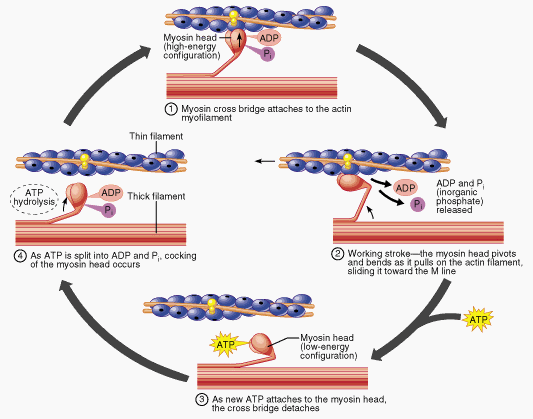
- Sliding fillament theory
- Responsible for
- Sarcomere to contract
- Requires
- ATP
- Calcium
- helps prevent
- Osteoporosis
- people who are likely to develop are
- Old
- also vulnerable to
- Osteoarthritis
- Caused by
- pain and stiffness
- develop
- Joints
- reinforced by
- Intrinsic ligaments
- Extrinsic ligaments
- are torn during
- Seperation
- caused by
- Seperation
- are torn during
- Intrinsic ligaments
- reinforced by
- Joints
- develop
- pain and stiffness
- Caused by
- Osteoarthritis
- also vulnerable to
- Women
- Old
- recommended measures
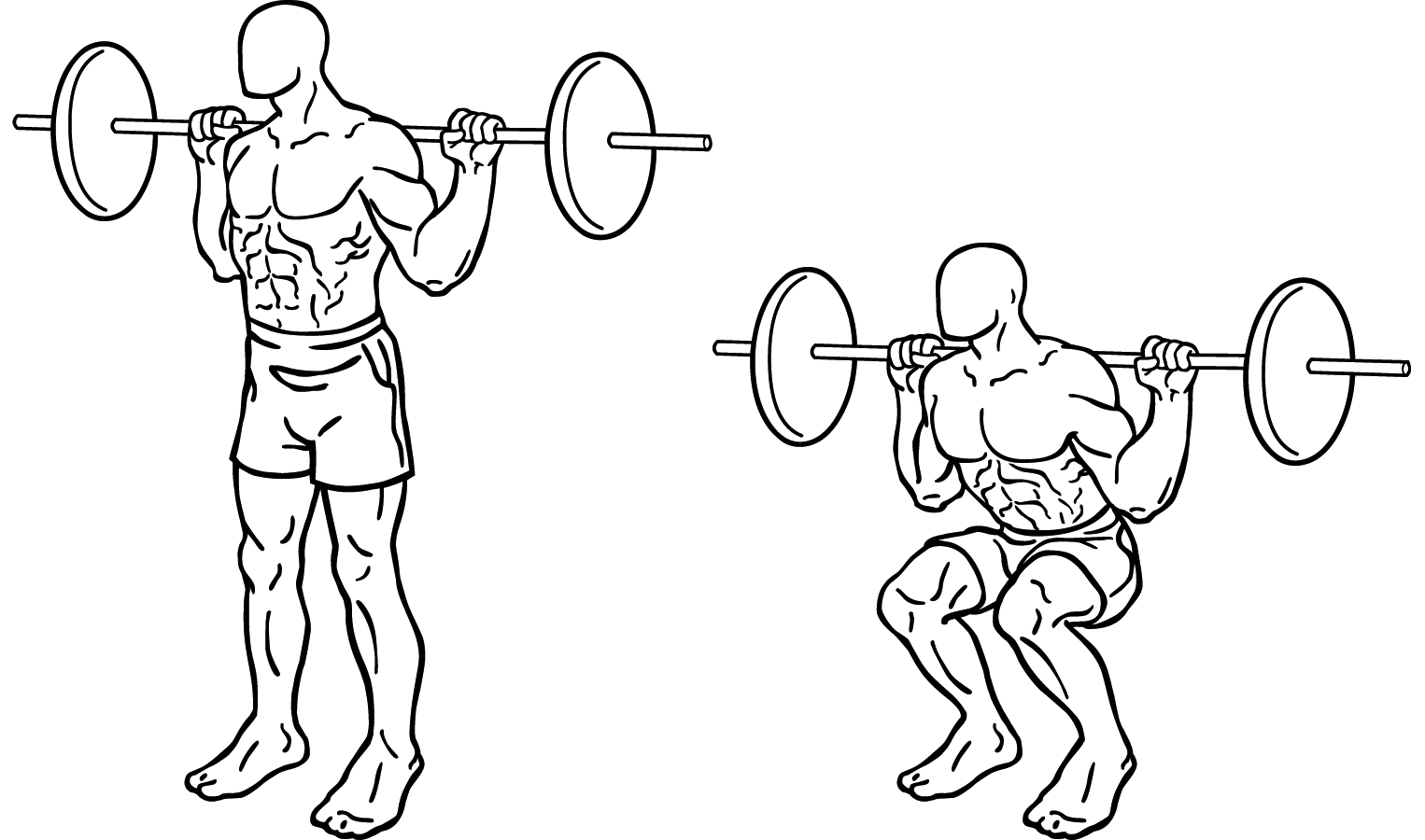
- Weightlifting
- happens during
- Causes
- Delayed onset muscle soreness
- Causes the most
- Delayed onset muscle soreness
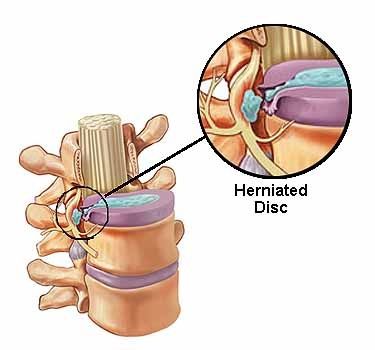
- Which can herniate
- Inter-vertebral disc
- lies between
- The vertebral column
- example
- lies between
- Inter-vertebral disc
- Weightlifting
- Increased susceptability to break
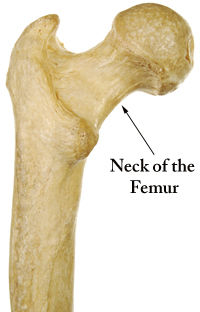
- Neck of femur
- example of an
- Injury
- caused by
- Dislocation
- example include
- Rotator cuff tears
- involving
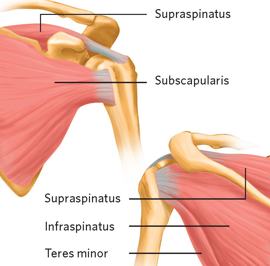
- Supraspinatus
- insert on
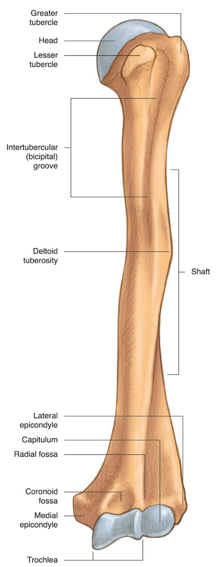
- Greater tubercle
- on the
- Humerus
- Example of
- Humerus
- on the
- Greater tubercle
- all originate on landmarks of the
- insert on
- Infraspinatus
- Teres minor
- Subscapularis
- insert on
- Lesser tubercle
- on the
- Lesser tubercle
- insert on
- Supraspinatus
- involving
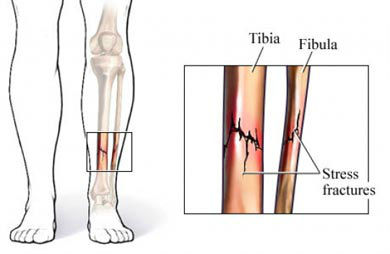
- Fractures
- Types are
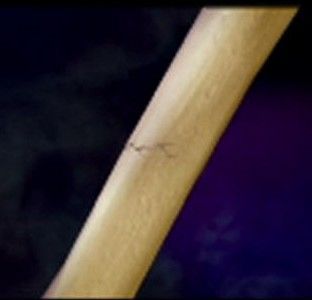
- Stress fractures
- simple fractures
- Compound fractures
- Stress fractures
- Types are
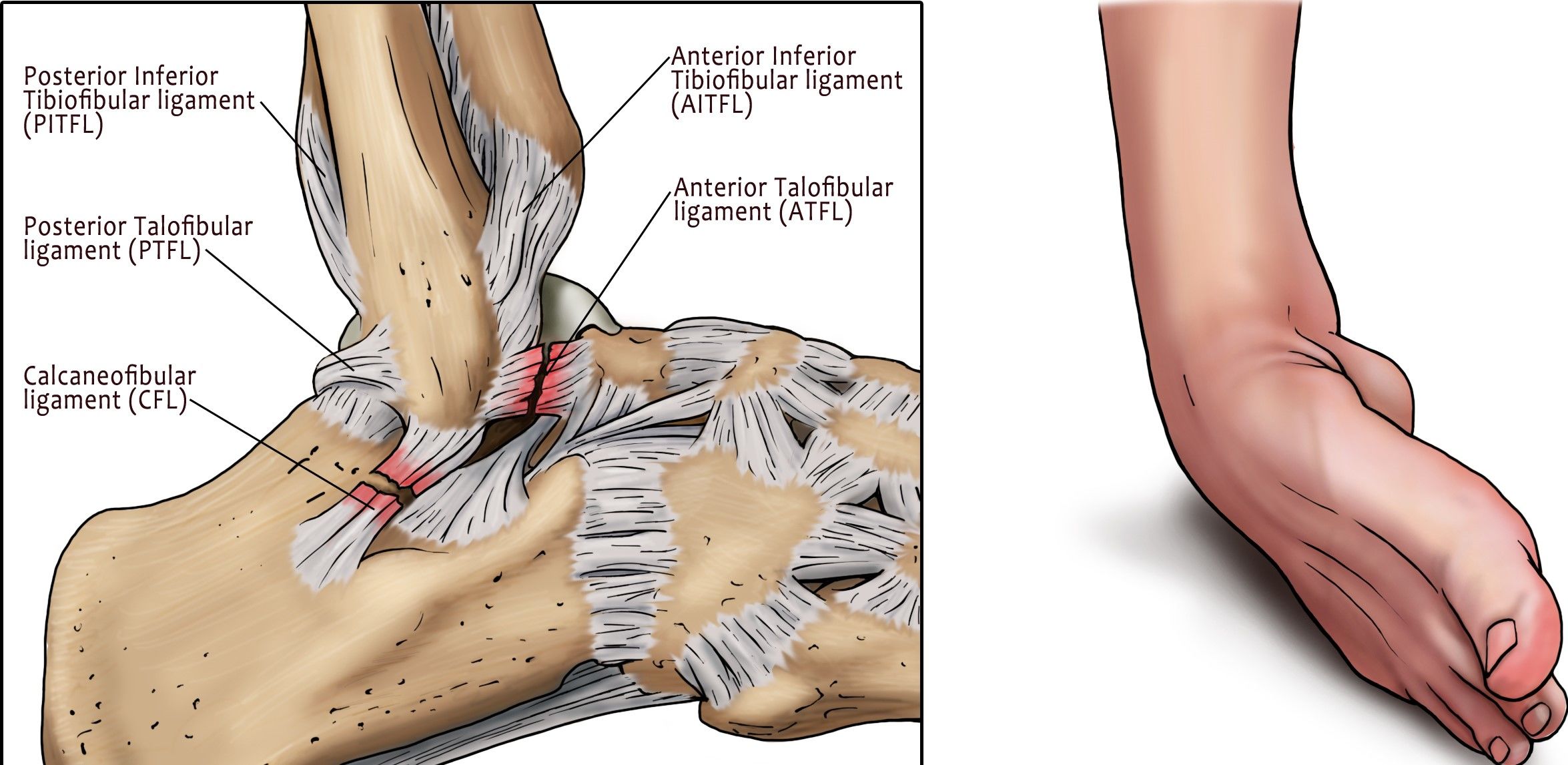
- Inversion sprains
- Damages
- Anterior talofibular ligament
- Calcaneofibular ligament
- Damages
- Rotator cuff tears
- Can be reduced by
- Proper warm up
- Proper form
- caused by
- Excessive use
- Examples
- Muscle strains
- Muscle tears
- Tendonitis
- Examples
- Excessive use
- Diagnosed by
- Swelling
- Heat
- Altered
- Redness
- Pain
- Treatment
- Rest
- Ice
- Compression
- Elevation
- caused by
- Injury
- example of an
- Neck of femur
- people who are likely to develop are
- Osteoporosis
- released by
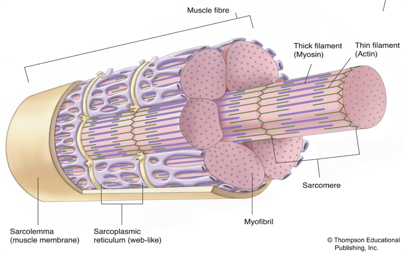
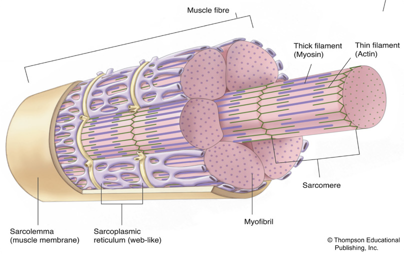
- Sarcoplasmic reticulum
- Sarcoplasmic reticulum
- helps prevent
- Example is
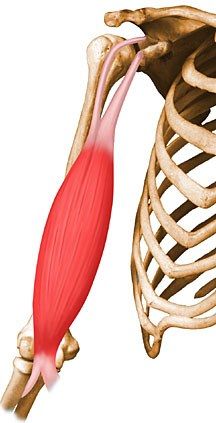
- Flexion of elbow
- Function of
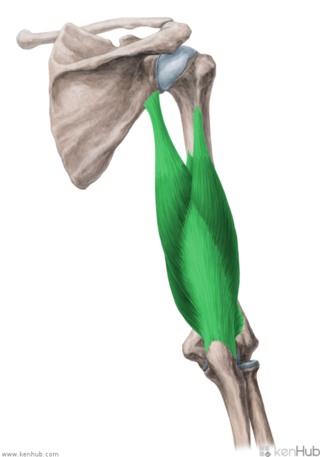
- Biceps brachii
- is the antagonist muscle of
- Triceps brachii
- extend the
- Elbow
- extend the
- Triceps brachii
- is the antagonist muscle of
- Biceps brachii
- Function of
- Extension of elbow
- Function of
- Triceps brachii
- Triceps brachii
- Function of
- Flexion of elbow
- happens during
- During muscle lengthening is known as
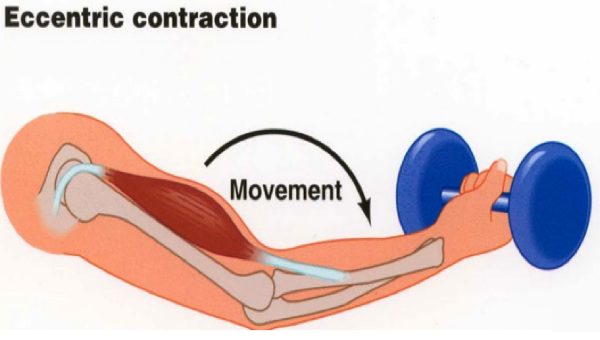
- Eccentric contraction
- causes the most
- Eccentric contraction
- Requires
- Sarcomere to contract
- Responsible for
- Involving
- Actin
- Sliding fillament theory
- Achieved through the mechanism known as
- Muscle contractions
- muscles are named by
- Action
- example
- flexion
- muscle
- flexor carpi ulnaris
- muscle
- extension
- muscle
- extensor carpi ulnaris
- muscle
- flexion
- example
- Direction of fibres
- example
- along the transverse plane
- muscle
- Transversus abdominus
- muscle
- along the transverse plane
- example
- Location of muscle
- example
- Anterior
- muscle
- Tibialis anterior
- muscle
- Posterior
- muscle
- Tibialis posterior
- muscle
- Anterior
- example
- Number of division/heads
- Example
- Two heads
- muscle
- Biceps femoris
- muscle
- Two heads
- Example
- Shape of muscle
- example
- Triangle
- muscle
- Deltoid
- muscle
- Rhombus
- muscle
- Rhomboid major
- Rhomboid minor
- muscle
- Triangle
- example
- muscles point of attachments
- example
- Sternum, clavicle, mastoid process
- muscle
- Sternocleidomastoid
- muscle
- Sternum, clavicle, mastoid process
- example
- Action
- Works with
Standard position is
- The anatomical position
- Is when
- Body is upright
- Also known as when
- Spine is extended
- Which is the function of
- The erector spinae group
- Which consists of
- Spinalis
- Longissimus
- also inserts on
- The mastoid process
- on the
- Skull
- all of which are part of the
- Consisting of
- flat bones
- fibrous joints
- Skull
- on the
- The mastoid process
- also inserts on
- Iliocostalis
- Which originate and insert on
- The vertebral column
- part of the
- Axial skeleton
- is an example of
- Irregular bones
- part of the
- The vertebral column
- also originates on
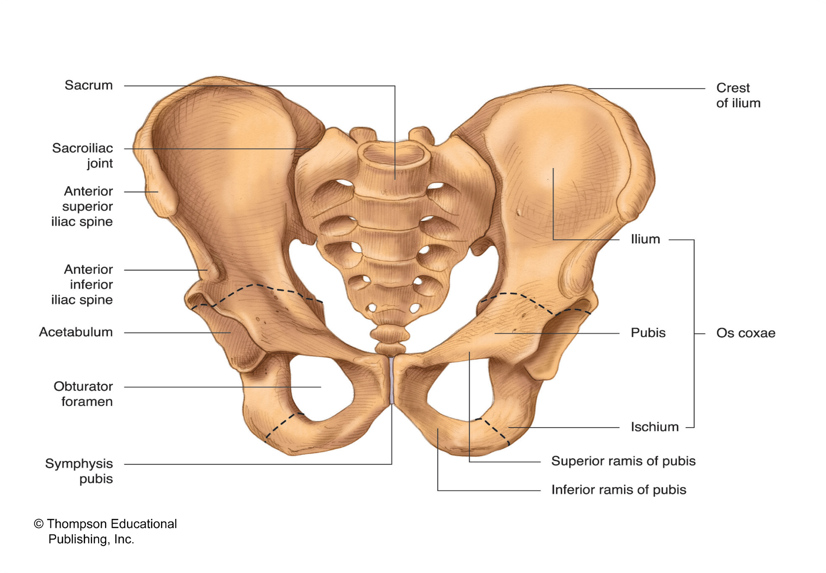
- Sacrum
- part of the
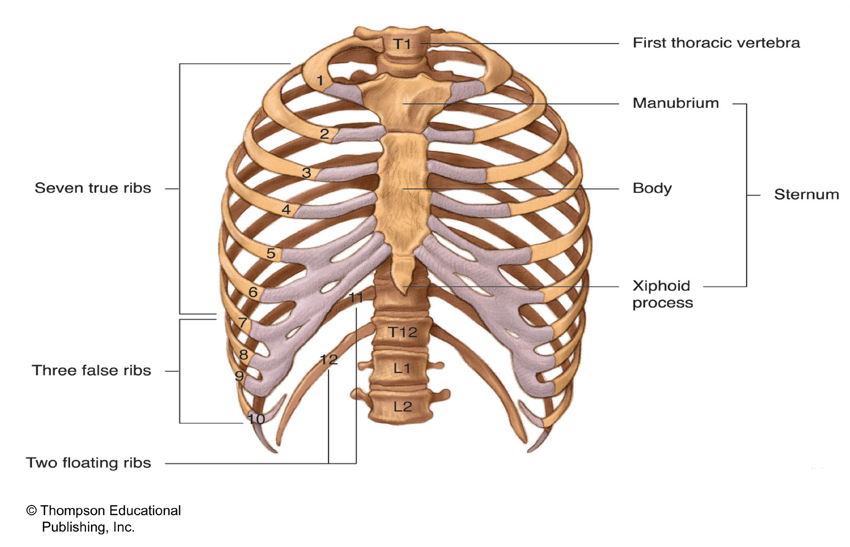
- Ribs
- part of the
- Sacrum
- Which originate and insert on
- Spinalis
- is the antagonist muscle of
- Rectus abdominis
- responsible for
- Trunk flexion
- Originates
- Pubic crest
- Symphasis pubis
- Pubic crest
- Inserts
- Xiphoid process
- Which is part of the
- Sternum
- Sternum
- Which is part of the
- Inferior ribs
- Xiphoid process
- responsible for
- Rectus abdominis
- Which consists of
- The erector spinae group
- Which is the function of
- Spine is extended
- Also known as when
- Arm is suppinated
- Which is the function of
- Which originates on
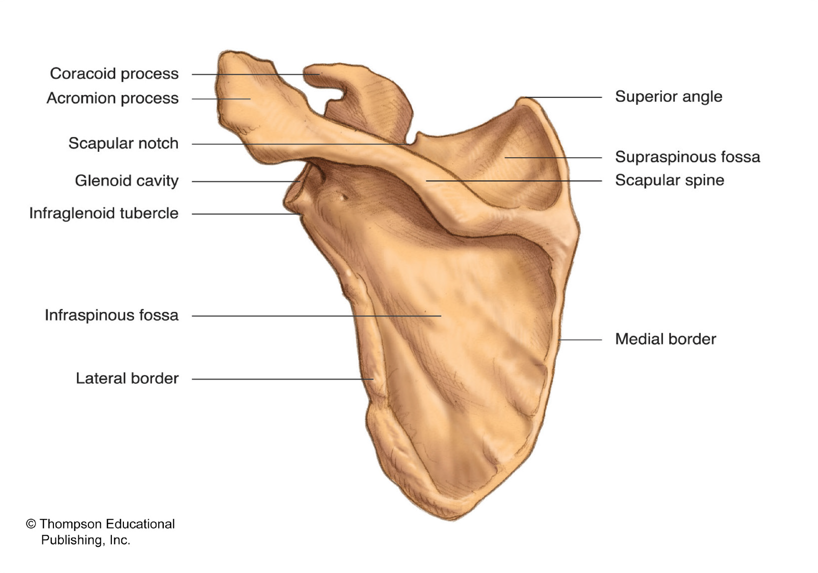
- Corocoid process
- Supraglenoid tubercle
- Which are landmarks of the
- Scapula
- Which is an example of
- Irregular bones
- part of the
- Appendicular skeleton
- Which is an example of
- Scapula
- Which are landmarks of the
- Corocoid process
- Another function is
- Flexion
- of
- Elbow
- of
- Flexion
- Which originates on
- Which is the function of
- Body is upright
- Is when
- The anatomical position