
Mapa mental
Edexcel Biology B1 Mindmap Pt 1
Conteúdo do mapa
Edexcel Biology B1 Mindmap Pt 1
Classification and naming species
- Classification
- Classification = shared characteristics
- Characteristics can be:
- Unique
- Feathers
- Shared
- Backbone
- Unique
- Characteristics can be:
- Classification = shared characteristics
- Vertebrates
- Phylum Chordata
- Backbone(supportive rod)
- Fish
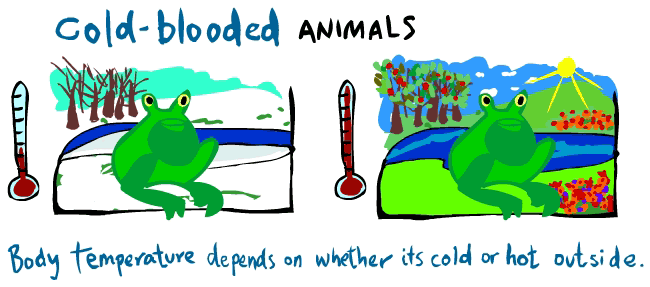
- Gills ; Oviparous ; Exteranal ; Cold-blooded
- Amphibians
- Moist skin + Lungs ; Oviparous ; External : Cold-blooded
- Reptiles
- Lungs ; Oviparous ; Internal ; Cold-blooded
- Birds
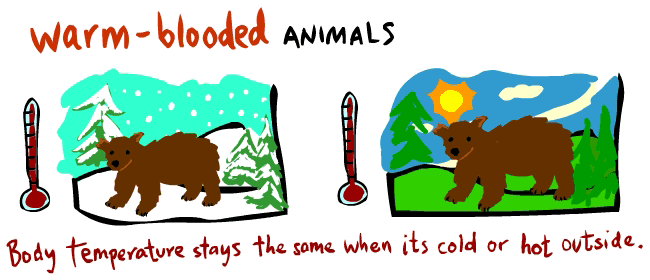
- Lungs ; Oviparous ; Internal ; Feathers ; Warm-Blooded
- Mammals
- Lungs ; Vivaparous ; Internal ; Warm-Blooded
- Types of heat control
- Cold-blooded = Poikilotherm
- Warm-blooded = Homeotherm
- Types of reproduction
- Internal = Sexual intercourse
- External = Release sperm on eggs
- Types of offspring
- Vivaparous = Live young
- Oviparous = eggs
- Phylum Chordata
- Kingdoms
- All living organims belong to these kingdoms
- Animalia
- Multicelluar ; No chlorophyll ; No cell wall ; Heterotrophic
- Plantae
- Multicelluar ; Chlorophyll ; Celluose cell wall ; Autotrophic
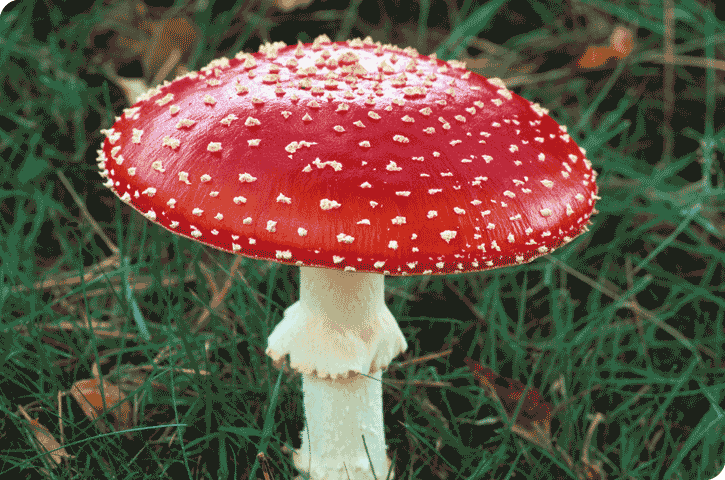
- Fungi
- Multicelluar ; Non-Celluose cell wall ; Saprotrophic
- Protocista
- Mostly unicelluar ; nucleus
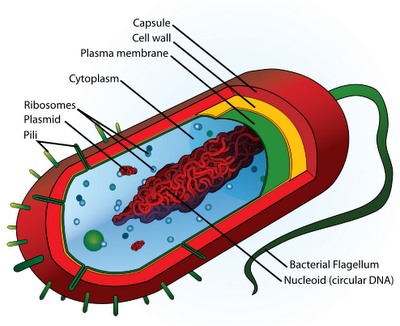
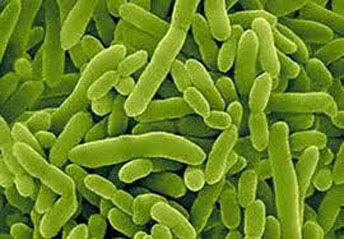
- Prokaryotes
- Unicelluar ; No nucleus
- Animalia
- Virus cannot be classified by scientists in any of the kingdoms because it doesent show any sign of life
- M R s . G R E N
- All living organims belong to these kingdoms
- Species + Bionomial classification
- Species are defined as a group of organims which have the same characteristics(with variation) which are capable of breeding together to produce fertile offspring
- The offspring of two different species is considered a hybrid.
- Usually infertile
- Complications with the definiiton of species are present
- Not all hybrids are infertile
- Not all organisms produce sexually with other members
- They could produce asexually
- The offspring of two different species is considered a hybrid.
- All organisms have a two-part(bionomial) name.
- This system prevents confusion over having so many different names for the same species
- Latin, so people over the world could communicate.
- Helps to recognise areas of great biodiversity that should be targets for conservation efforts
- Biodiversity = the variation of species in an area
- Species are defined as a group of organims which have the same characteristics(with variation) which are capable of breeding together to produce fertile offspring
- Classification
Identificatiion, variation and adaptation
- Key
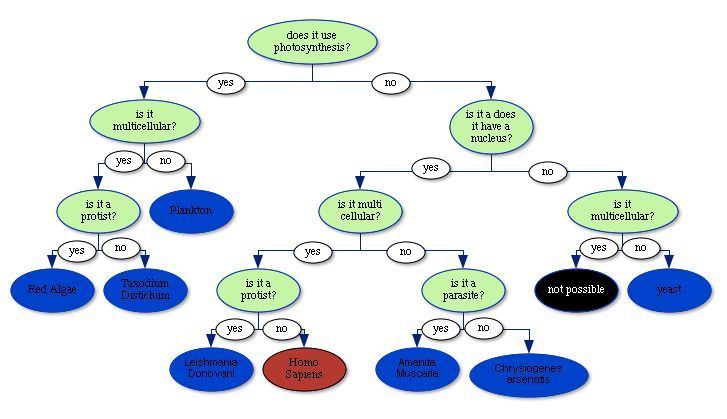
- Opposite statments with usually a boolean answer, unless there is more than 2 answers aviable
- Members of the same species have different characteristics. Fore xample, humans vary in hair colour or height. This is called variation
- There are two types of variation. Continuous or Discontinuous
- In continuos variation, characteristics are spread over a range of values.
- Height in humans is an example
- There is a full range of 'in-betweens' (intermediates)
- In discontinuos variation, there are no intermediates, but rather groups (categories).
- Such as whether a person can tounge-roll or not
- In continuos variation, characteristics are spread over a range of values.
- There are two types of variation. Continuous or Discontinuous
- Variation such as seen in hybrid duks make classification complicated because the characteristics shown can look like a complete different species.
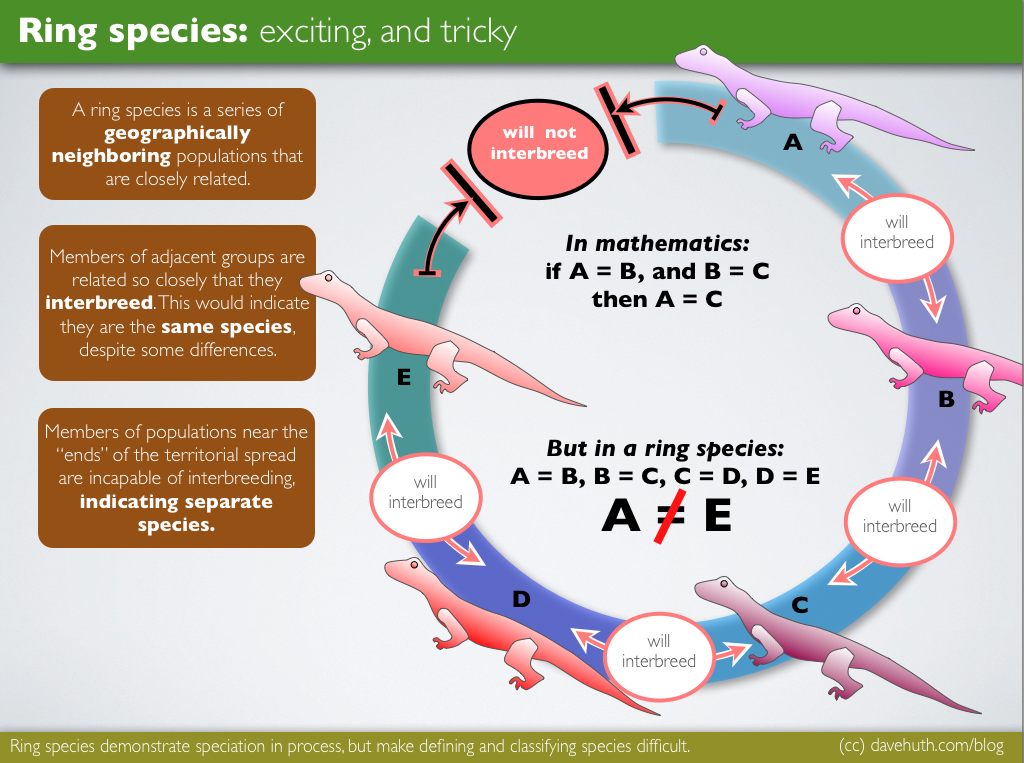
- Ring species refer to a chain of related species that are closely connected geagraphically.
- Adaptations are the characteristics of an organism that enable it to survive
- Animals living in cold regions are usually larger than those living in warmer environments
- Large bodies have a smaller surface area relative to their mass than smaller ones. Heat is lost from the body at its surface, so if a body is larger, it loses less heat.
- Some species of bacteria have adapted in order to live in the extreme environments around deep-sea hydrothermal vents, where temperatures can reach up to more than 90 degrees C
- Adaptation of these bacteria allow them to use a chemical produced by the vents to produce energy
- Hydrogen sulfide
- Adaptation of these bacteria allow them to use a chemical produced by the vents to produce energy
- Animals living in cold regions are usually larger than those living in warmer environments
- Key
Imagens e arquivos do mapa


Informações
- Descrição
- A mindmap for edexcel B1.
- Criado por
- Karol Kierzkowski
- Visualizações
- 522
- Tags
- Avaliação