
Mapa mental
History of Medicine: Ancient Ideas
Conteúdo do mapa
History of Medicine: Ancient Ideas
- I am trying to make this mind map as accurate as possible, although there are many interpretations of this history as it was so long ago! If you can prove that anything is incorrect please let me know so I can update it! Thanks!
1) TheStone Age
- Trepanning
- A method that involved drilling into the skull to release evil spirits that caused headaches.
- Herbal Remidies
- A treatment for stomach pains, which were most likely caused by gone-off food. Not that they understood that, of course.
- Fixing Broken Limbs
- In a fairly similar fashion to today's methods, they understood it should be 'popped' back into place and then supported it, probably with animal skin and a stick/bone.
- Trepanning
This resource covers ancient theories of medicine, as the first of two extension studies on the Edexcel History Unit 1A: Medicine course. Take the Quiz!
3) Ancient Greece
- Temple of Ascelpion
- Baths (to wash)
- Abaton (to sleep)
- Temples (to heal)
- People thought the Gods would heal them while they slept.
- In reality, it was most likely priest doctors treating them as they slept.
- Gymnasium (to exercise)
- These facilities were popular around 400-600BC, and Ancient Greeks would visit when ill to get better.
- Performed basic surgery
- Understood exercise could prevent illness
- Thought the Gods caused illness still
- Temple of Ascelpion
2) Ancient Egyptians
- The River Nile
- Bathing and Washing
- Promoting hygiene
- Fresh and Safe Drinking Water
- Promoting hygiene
- Lots of fish
- Good diet
- Irrigating crops
- Bathing and Washing
- Trading along the river
- Variety of diet, herbs, spices remedies etc.
- Developed Writing
- Write down effective herbal remedies
- Priest Doctors
- Must be clean at all times
- Reduces risk of infection
- Must be clean at all times
- Embalming dead bodies
- Learn about basic organ functions
- Understanding of human anatomy, although limited
- The River Nile
4) Hippocrates & Galen
- Hippocrates (460-370BC) and Galen (131-201AD) were Greek doctors
- Clinical Observation
- 1) Observation: Looking for and recording symptoms
- 2) Diagnosis: Suggesting what is wrong with the patient
- 3) Prognosis: Suggesting a likely outcome
- 4) Treatment: If necessary, cures/medicine (remedies) are given
- 3) Prognosis: Suggesting a likely outcome
- 2) Diagnosis: Suggesting what is wrong with the patient
- Still the used method of treatment today although nobody before Hippocrates had thought of it!
- 1) Observation: Looking for and recording symptoms
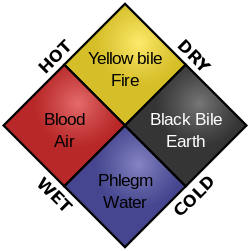
- The 4 Humors
- The theory that illness was caused by an imbalance of the Humors
- Galen used this theory to develop The Theory of Opposites, meaning that people with lots of phlegm, associated with cold and wet, should eat hot peppers as treatment.
- Now a discredited idea
- Galen used this theory to develop The Theory of Opposites, meaning that people with lots of phlegm, associated with cold and wet, should eat hot peppers as treatment.
- The theory that illness was caused by an imbalance of the Humors
- The Hippocratic Oath
- Promise to preserve life and care for people above all else, regardless of who the patient is.
- Promise to keep patient confidentiality, regardless of age, family or relationship.
- Still used today!
- They said illness is due to natural causes, not God.
- They wrote many books, keeping their ideas around for 2,000 years
5 )The Romans
- Public Health
- Understood that great Public Health was vital for a great empire
- Hospitals in Forts
- Well - equiped hospitals were available in most Roman Forts to treat soldiers.
- Provided training for surgeons and physicians
- Would not have impacted ordinary people
- Believed in the 4 Humors theory from the Greeks
- Large towns and cities enabled disease to spread easily
- Anyone could be a Roman Doctor
- No training was required, and so treatments rarely worked
- Allowed Greek Doctors to spread their ideas into the Empire
- Many still believed Gods caused illness
- Public Health
Please keep in mind I sat these exams in 2014, so check it still applies to the modern curriculum before taking information for granted!
Imagens e arquivos do mapa
Informações
- Descrição
- This resource covers ancient theories of medicine, as the first of two extension studies on the Edexcel History Unit 1A: Medicine course. Take the quiz on this topic: https://www.examtime.com/en-US/p/734507
- Criado por
- James McConnell
- Visualizações
- 3.382
- Tags
- Avaliação