
Mapa mental
Section 1- Principles of Chemistry (part 1)
Conteúdo do mapa
Section 1- Principles of Chemistry (part 1)
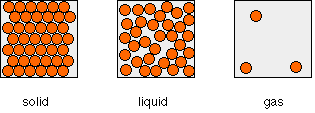
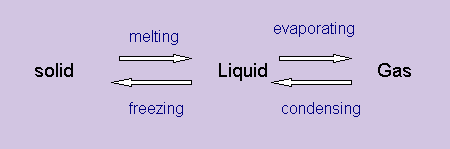
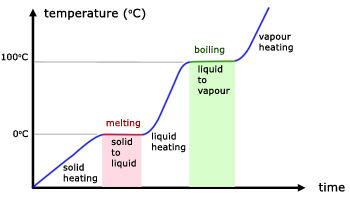
States of Matter
- Solid
- Very dense
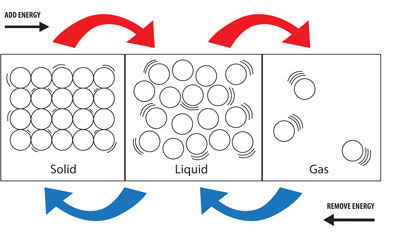
- Low energy
- Vibrate
- Regular arrangement
- Liquid
- Not as dense
- Bigger gaps
- Irregular arrangement
- Higher energy
- Able to move
- Gas
- Very low density
- Random arrangement
- Spread out+large gaps
- High energy
- Can be compressed
- Solid
Movement of Particles
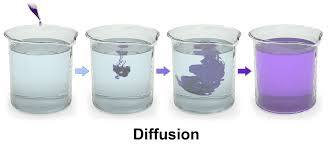
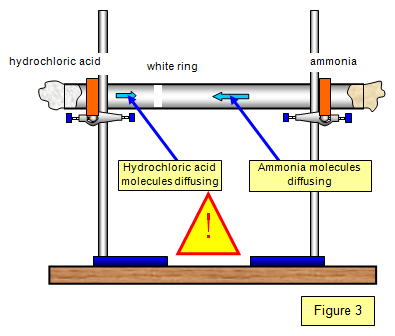
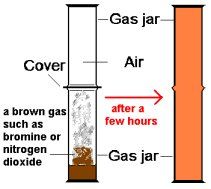
- Diffusion is the movement of particles in liquids and gasses
- Diffusion happens quicker in warm liquids because the particles have more energy
- Solids don't diffuse because they are tightly packed together and so can only vibrate
- Potassium Manganate and water
- Ammonia and hydrogen chloride
- Bromine gas and air
Atoms
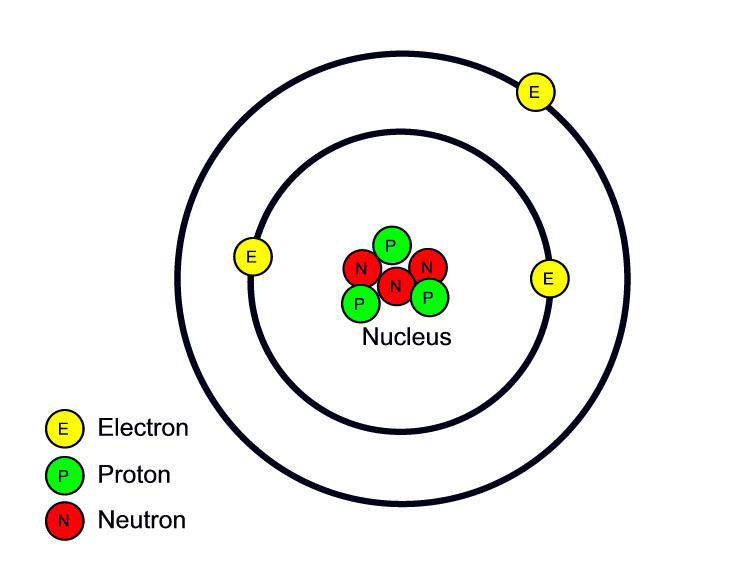
- The Nucleus
- Protons and neutrons
- Positive charge
- Almost the whole mass of the atom is in the nucleus
- Protons and electrons are the same amounts, just one is positive and one is negative
- The Electrons
- High energy
- Nagatively charged
- Very small mass
- Atomic number= number of protons and electrons
- Atomic mass= number of protons+ neutrons
- Number of neutrons= Atomic number - Atomic mass
- Molecules are groups of atoms
- The Nucleus
Elements, compounds and mixtures
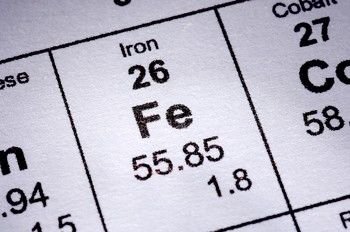
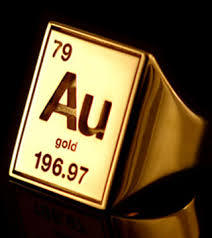
- Elements consist of one type of atom only
- E.g Gold or Iron
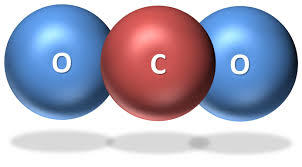
- Compounds are made of 2 or more types of atoms chemically bonded together
- E.g Carbon Dioxide
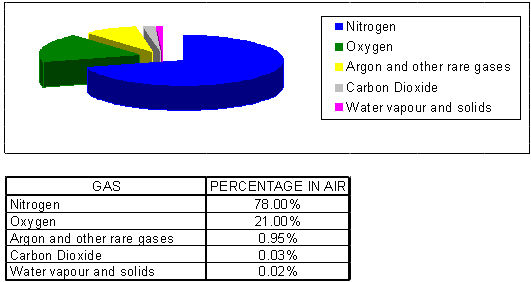
- Mixtures are similar to compounds but are not chemically bonded, they can be separated easily
- E.g Air (mixture of gasses- nitrogen, oxygen, carbon dioxide ect)
- Elements consist of one type of atom only
Crystalisation
- Used to separate a soluble solid from a solution
- E.g You can separate rock salt from water by using filtration then evapourating the water to separate the soluble salt from water
Chromatography
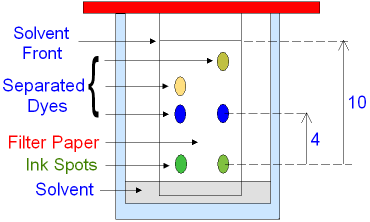
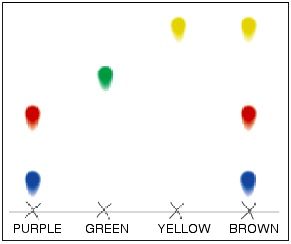
- Helps separate inks and dyes
- Can be used by forensic scientists for blood or for farmers soil
- Paper Chromatography
- Draw line near bottom of paper
- Add dots of dyes/inks
- place bottom of chromatography paper in water
- when the ink stops moving up the paper it is called the solvent front
- place bottom of chromatography paper in water
- Add dots of dyes/inks
- Draw line near bottom of paper
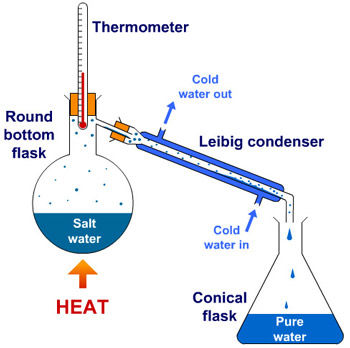
Distillation
- Simple distillation is for separating solutions
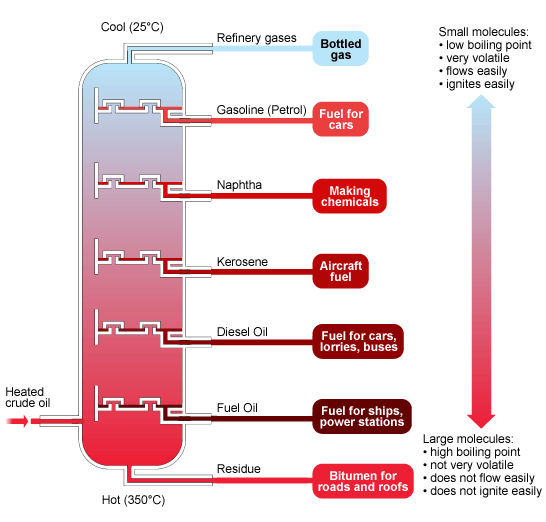
- Fractional distillation is for separating a mixture of liquids
- Can be used to separate ink from water
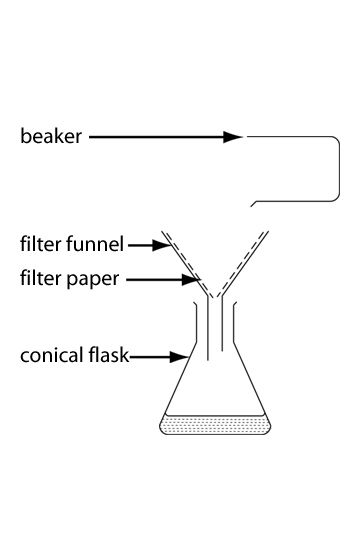
Filtration
- Used to separate an insoluble solid from a liquid
- E.g Sand and water
The Periodic Table
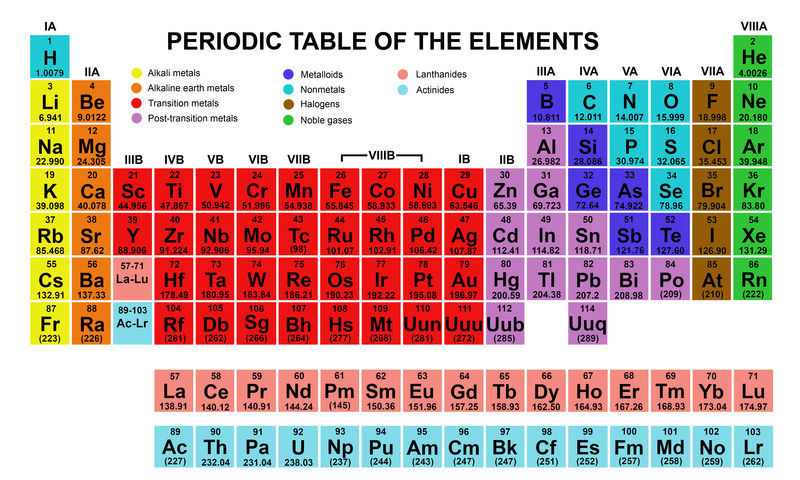
- Dmitri Mendeleev- 1869
- Arranged elements in order of atomic mass
- Elements in a group have the same number of outer electrons+similar properties
- Dmitri Mendeleev- 1869
Imagens e arquivos do mapa
Informações
- Descrição
- Cambridge IGCSE Chemistry (Section 1- Principles of Chemistry) Mapa Mental sobre Section 1- Principles of Chemistry (part 1), criado por beccalaw7 em 06-06-2014.
- Criado por
- beccalaw7
- Visualizações
- 75
- Avaliação