
Notas
Metals
Conteúdo das notas (15)
Página 1
Point 1
Metals:substances form minerals which contain one or more metallic elements.
Many uses and key elements in much things
Página 2
Point 1.1
Carried out in surface mine (close to surface), or underground mine (deeper under surface)
The useful minerals:ore
The useless minerals: gangue
They both are together so they must be separated by different physical process. When the ore is separated from the gangue, we make metal from the ore, the ore is taken to an ironworks.
Página 3
Point 1.2
Ferrous metals: Main component iron, Include pure iron, steel and cast iron
Non-ferrous metals: Main component non iron,(or very little of it) Include copper, bronze, aluminium and zinc
Página 4
1.3
Metals are hard, non-adhesive,cold and very smooth
Some characteristics:
-Good electrical, thermal and acoustic conductors
-Ductile and malleable
-Tough
-They melt at high temperatures, also used for welding
-They expand when the temperature rises and contract when it cools
-Some are magnetic
-Most them rust in contact to air and oxygen
-Can be recycled and reused
-Some are toxic
Página 5
Point 2
There are differents process to obtain pure iron and it’s alloy, steel and cast iron:
Depending on the percentage of carbon, ferrous metals are classified:
-Pure iron:Between 0.008% and 0.03%
-Steel:Between 0.03% and 1.76%
-Cast iron:Between 1.76% and 6.67
Página 6
Point 2.1
Pure iron:
Properties: Greyish white colour, good magnetic properties, disadvantage only metals at high temperatures, difficult to machine, fragile and brittle.
Uses: Rarely used, used in electronic and electric components
Página 7
Point 2.2
Cast Iron:
Properties: Very hard and resistant. Uses: Machine parts, casing for engines, stand for machines, pistons, street lamps, drain covers…
Página 8
Point 2.(3)
Steel:
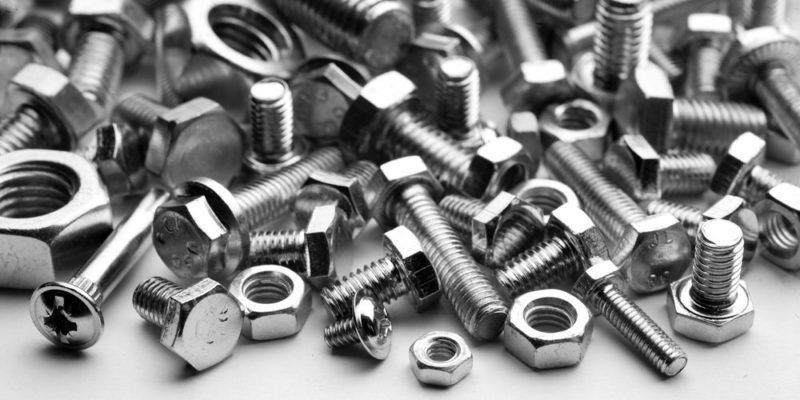
Properties: Very hard and resistant, easy to weld, alloys with chrome and nickel to make stainless steel. Uses: Structures in construction, car chassis,boat trans,machinery,tools,screw, domestic appliances, kitchen utensils, taps...
Página 9
Point 3
The steel-making process
-Iron mineral is washed to eliminate impurities
-It’s crushed and sieved to separate the gangue from the ore
-The ore is mixed with coke and limestone, then put into blast furnace with temperatures over 1500ºC
Página 10
Point 3.1
Slag obtained: Is a by-product made up of carbon and other impurities
Pig iron is taken to a convert to:
reduce the percentage of carbon
eliminate impurities
adjust composition of the steel by adding other elements such as nickel or chrome
Página 11
Point 3.2
To improve the mechanical properties of steel, it undergoes different thermal processes
Quenching: Cooling the metal very quickly when is red hot
Tempering: Hot metal is cooled very slowly
Página 12
Point 4
Non-ferrous metals are classifed into the following categories:
Página 13
Point 4.1
Metal: Magnesium
From:magnesite, dolomite,carnalilite, epsomite and olivine
Properties:
Shiny, silvery,white; very light, soft malleable,but not very strongly with oxygen
Uses: Pyrotechnics, the aerospace and the car industries, and bicycles
Página 14
Point 5
Light metals:
Metal: Aluminium
From: Bauxite
Properties: Silvery white; highly resistant to corrosion; very soft, low density, high malleability and ductility, good at conducting electricity and heat
Uses: High voltage power lines, planes,cars, bicycles, light metalwork, roofing, decoration, kitchen, and drinks cans
Página 15
5.1
Titanium:
From: rutile and ilmenite
Properties: Silvery white, shiny, light very hard and strong
Uses: The aerospace industry, building structures and medical prostheses
Informações
- Descrição
- 1º de ESO Tecnología Notas sobre Metals, criado por Nuria Rodrigo Ochoa em 23-02-2021.
- Criado por
- Nuria Rodrigo Ochoa
- Visualizações
- 1
- Avaliação