
Music and Social Commitment - Apartheid in South Africa
Slides do conjunto (29)
-
-
-
- Can you think of a song which talks about a social problem?

-
Why is Music effective in Communication?
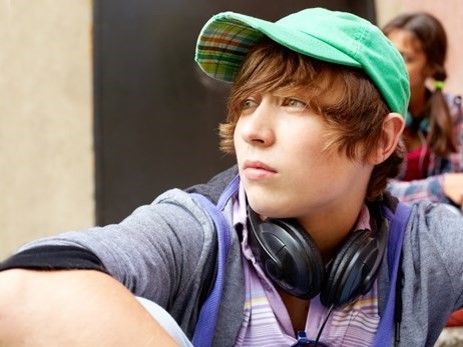
- "Music imprints itself on the brain deeper than any other human experience," says neurologist Oliver Sacks.
- “Music can evoke emotion, and emotion can bring with it memory”
-
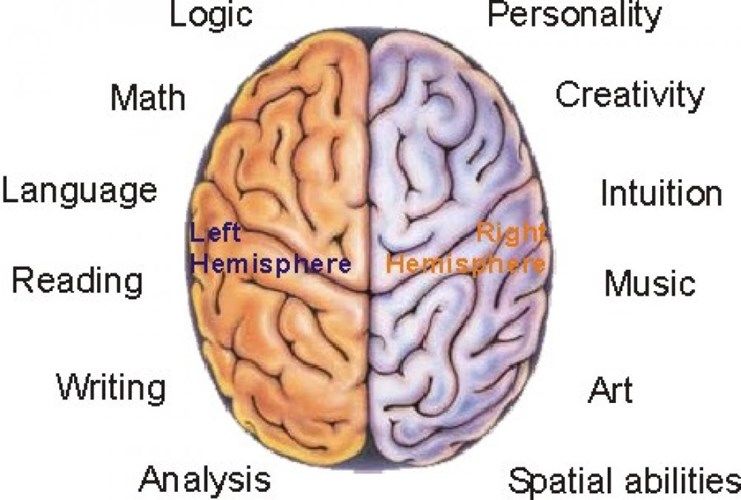
Songs connect our brain hemispheres
-
Music interacts with our emotions! It can...

- Be fun
- Help you to relax
- Make you dance
- Cheer you up when you are sad
- Help you memorise
- Remind you of a situation
- Make you melancholic
- Give you energy to work
-
- Music can be used to
- communicate (from Latin, meaning "to share")
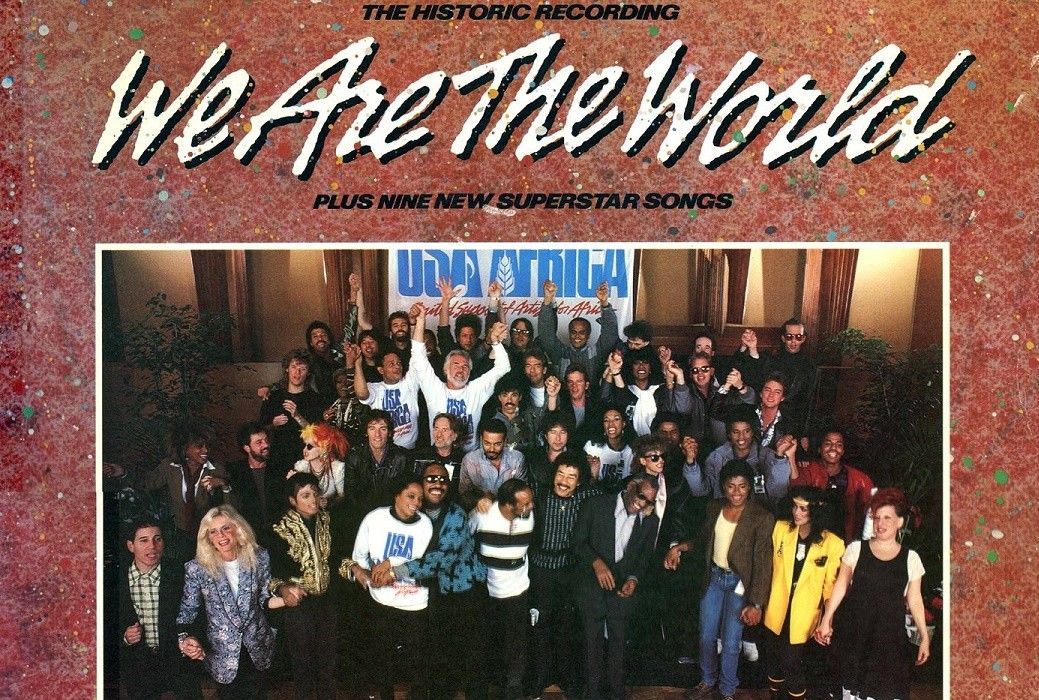
- to unite people, motivate them in their political and cultural struggle.
- It can be used to draw attention to a specific problem or situation.
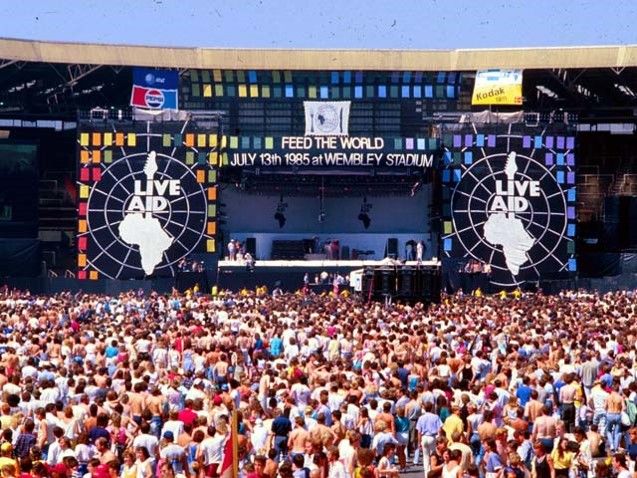
- Legenda: Live Aid was a benefit concert held on 13 July 1985, a fundraising initiative for relief of the ongoing Ethiopian famine. The event was held simultaneously at Wembley Stadium in London (72,000 people) and JFK Stadium in Philadelphia (attended by about 100,000 people)
-
-
- Back in the '80s,
- what social situation
- had been causing lots of problems
- to a large group of people?
-
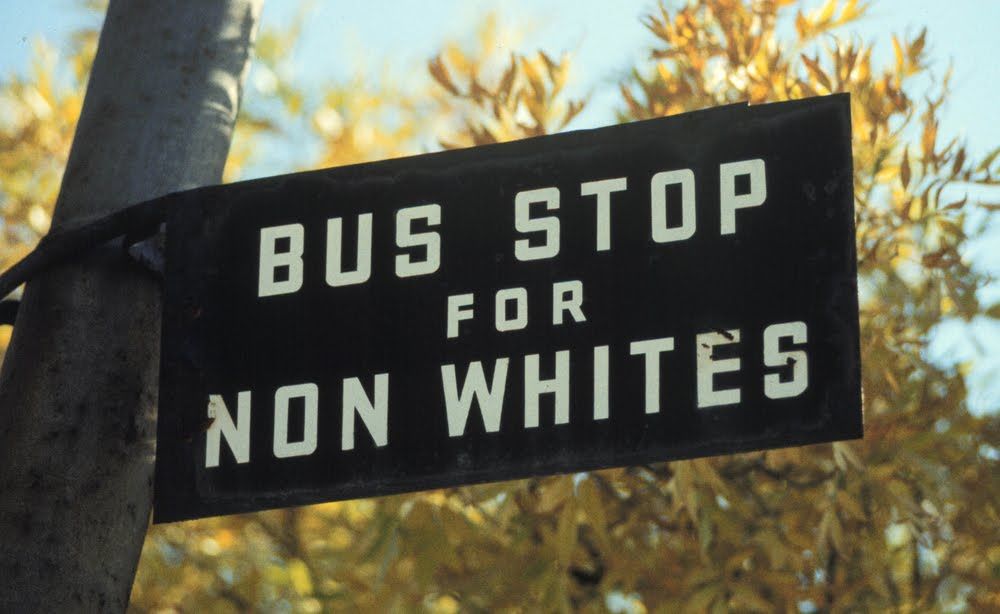
- A system of institutionalised racial segregation and discrimination that existed in South Africa between 1948 and 1991. A policy that was embraced by the South African government shortly after the ascension of the National Party (NP) during the country's 1948 general elections.
-
The denial of fundamental human rights
- Trevor Noah: Is the World Getting Better? #GOALKEEPERS17 (Incorporar)
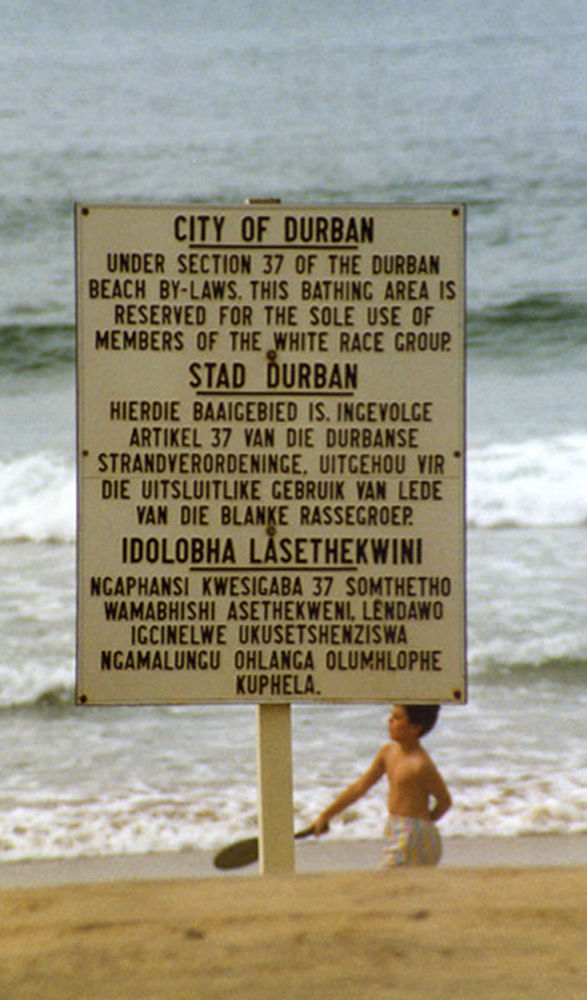
- Apartheid allowed a ruling white minority to segregate, exploit and deliberately frighten the vast majority: Africans, mostly, but also Asians and Coloureds - people of mixed race.
-
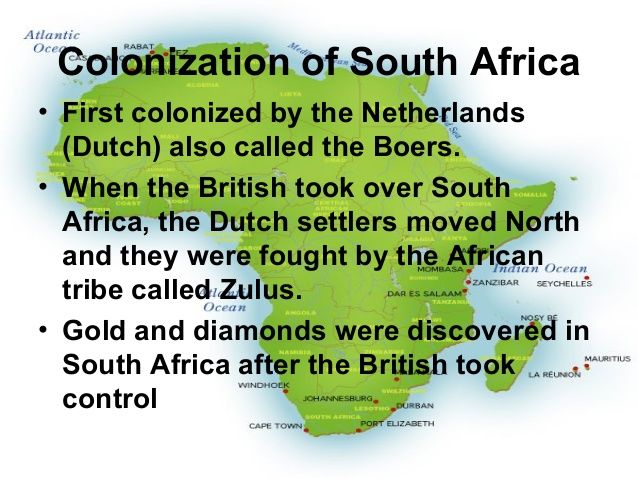
- South Africa was colonised by the Dutch and the English in the 17th century.
- Over the following centuries, the white settlers used force to take control of the land and establish a system of domination over Africans who originally inhabited the region.
- Though defeated by the British in a series of wars, the Boers (descendants from the Dutch) regained the upper hand upon the formation of the Union of South Africa, formed in 1910.
-
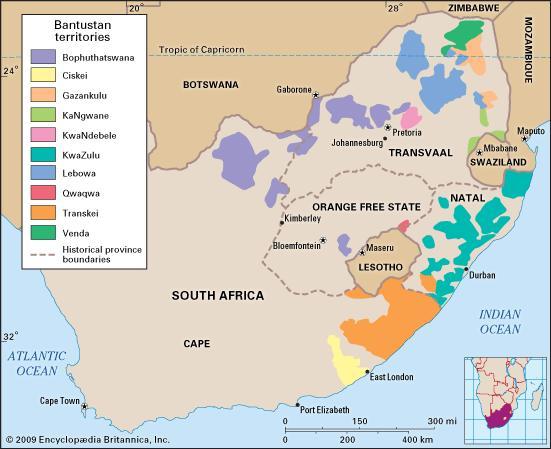
- A Bantustan (also known as black state or simply homeland) was a territory set aside for black inhabitants of South Africa, as part of the policy of apartheid, for the purpose of concentrating the members of designated ethnic groups and creating autonomous nation states for them.
- In 1936 the African and mixed race people lost the right to vote. In 1948, The National Party won the all-white elections.
- In the 1960s, 3.5 million blacks were forced to leave their homes and resettled in designated native "homelands".
-
- Apartheid sparked international and domestic opposition, resulting in some of the most influential global social movements of the 20th century.
- It was the target of frequent condemnation in the United Nations, and brought about an extensive arms and trade embargo on South Africa.
-
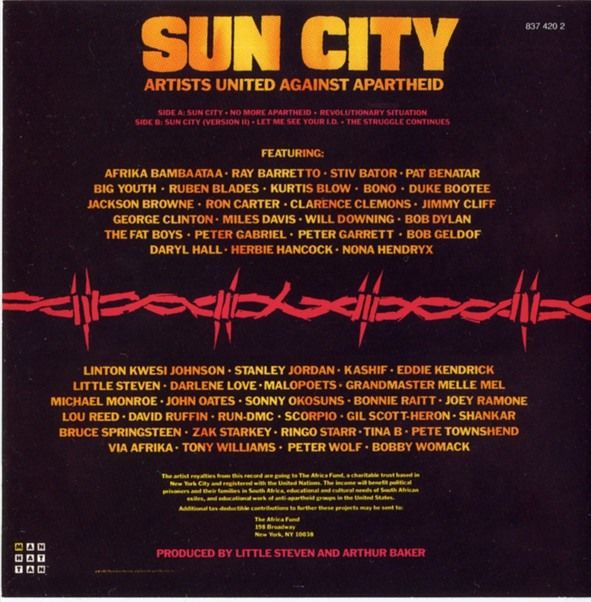
- Among the opponents to the Apartheid South African system we find lots of R&B, hip hop, jazz and rock singers. Sun City is a protest song written by Steven Van Zandt (known as Little Steven) in 1985 and recorded by Artists United Against Apartheid to convey opposition to the South African policy of apartheid.
-
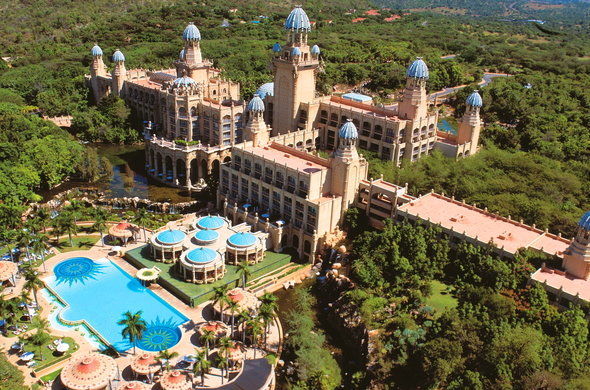
- Sun City is a Vegas-style recreation center with glamorous hotels, gambling casinos, showrooms and spas, located in Bophuthatswana, one of South Africa's so-called "homeland" regions, where Zulus were relocated without their consent. It opened in 1979.
-
Artists United Against Apartheid (1985)
- Artists United Against Apartheid - Sun City (Official Video) (Incorporar)
- In efforts to legitimize the area, Sun City has offered vast sums to entertainers to perform there. The Sun City complex has become a symbol of the opulence that whites enjoy at the expense of the country's black natives.
- The artists involved in the recording of the song "Sun City" declared that they would refuse any offer to perform at Sun City. The project involved Bono (U2), Bruce Springsteen, Bob Dylan, Run-DMC, Lou Reed, Miles Davis, Ringo Starr, Peter Gabriel and many others.
-
- We're rockers and rappers united and strong
- We're here to talk about South Africa,
- We don't like what's going on.
- It's time for some justice it's time for the truth
- We've realized there's only one thing we can do
- We gotta say I, I, I, I, I, I ain't gonna play sun city
- Oh, no, no, no I, I, I, I, I, I, I ain't gonna play sun city
- Relocation to phony homeland
- Separation of Families I can't understand
- 23 million can't vote because they're black
- We're stabbing our brothers and sisters in the back
- Our government tells us we're doing all we can
- Constructive engagemente is Ronald Reagan's plan
- Meanwhile people are dying and giving up hope
- Well this quiet diplomacy ain't nothing but a joke
- It's time to accept our responsibility
- Freedom is a privilege nobody rides for free
- Look around the world baby it cannot be denied
- Somebody tell me
- why are we always on the wrong side
- Bophuthatswana is far away
- But we know it's in South Africa
- no matter what they say
- You can't buy me I don't care what you pay
- Don't ask me sun city cause I ain't gonna play
-
- Can you think of an important
- leader who fought against
- Apartheid?
- Have you seen the film "Invictus"?
-
- Nelson Mandela & Francois Pienaar moment at RWC 1995 (Incorporar)
- Invictus, by William Ernest Henley
- Out of the night that covers me,
- Black as the pit from pole to pole,
- I thank whatever gods may be
- For my unconquerable soul.
- In the fell clutch of circumstance
- I have not winced nor cried aloud.
- Under the bludgeonings of chance
- My head is bloody, but unbowed. (...)
- I am the master of my fate,
- I am the captain of my soul.
-
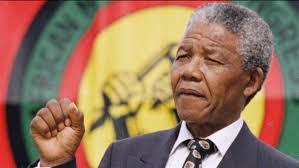
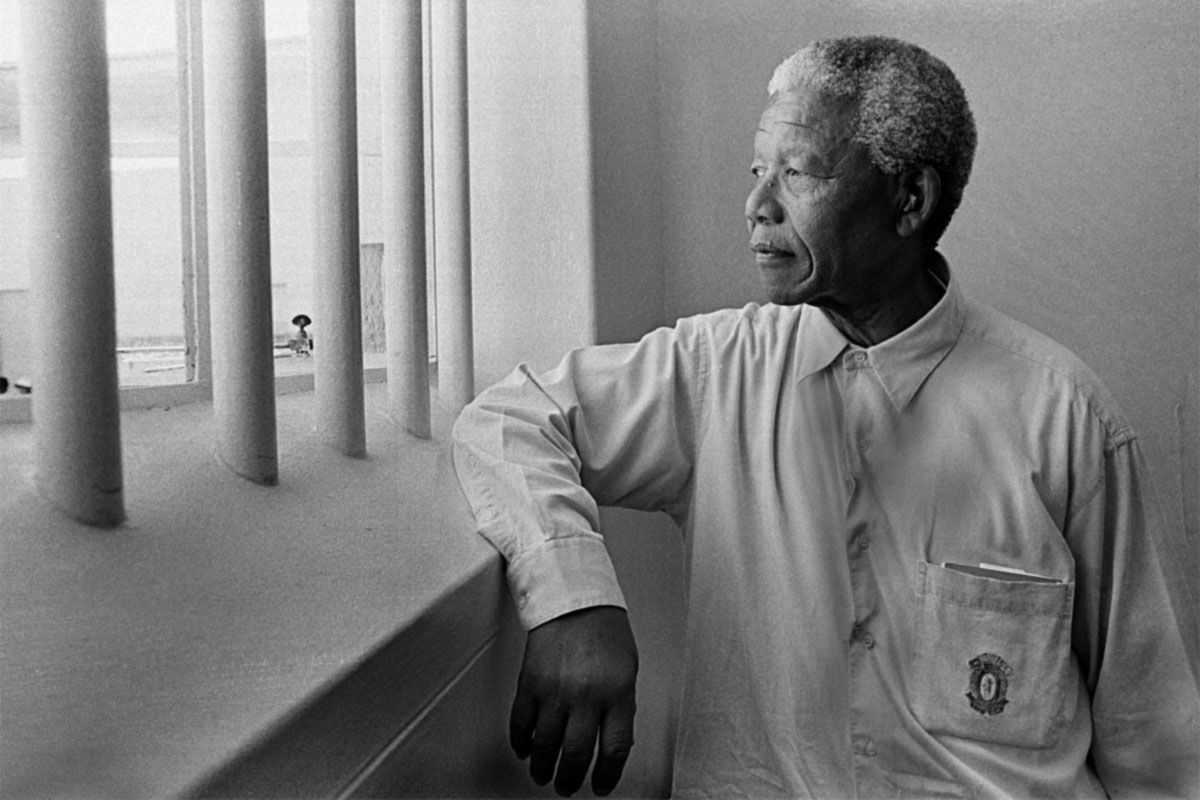
- Nelson Mandela fought with the ANC (African National Congress) to give voting rights to black and mixed race Africans and, from the 1940s, to end Apartheid. The ANC originally attempted to use nonviolent protests to end apartheid, however, on 8 April 1960, the ANC was banned and forced to leave South Africa. After the ban, the ANC formed the Umkhonto we Sizwe (Spear of the Nation) to fight against apartheid utilizing guerrilla warfare and sabotage.
- The National Party administration responded with repressive police state tactics, protracting sectarian violence that left thousands dead or in detention.
- Nelson Mandela 'I Am Prepared to Die' Speech with subtitles transcript (Incorporar)
-
- September '77
- Port Elizabeth weather fine
- It was business as usual
- In police room 619
- Oh Biko, Biko, because Biko
- Oh Biko, Biko, because Biko
- Yihla Moja, Yihla Moja
- The man is dead
- The man is dead
- When I try to sleep at night
- I can only dream in red
- The outside world is black and white
- With only one colour dead
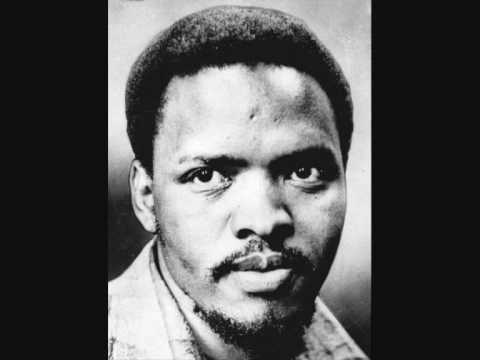
- Legenda: Stephen Bantu Biko (18 Dec 1946 – 12 Sept 1977) was a noted anti-apartheid activist in South Africa in the 1960s and 1970s. A student leader, he later founded the Black Consciousness Movement which would empower and mobilize much of the urban black population. Since his death in police custody, he has been called a martyr of the anti-apartheid movement. He was famous for his slogan "black is beautiful", which he described as meaning: "man, you are okay as you are, begin to look upon yourself as a human being".
-
- Peter Gabriel - Biko (Incorporar)
- Oh Biko, Biko, because Biko
- Oh Biko, Biko, because Biko
- Yihla Moja, Yihla Moja
- The man is dead
- The man is dead
- You can blow out a candle
- But you can't blow out a fire
- Once the flames begin to catch
- The wind will blow it higher
- Oh Biko, Biko, because Biko
- Yihla Moja, Yihla Moja
- The man is dead
- The man is dead
- And the eyes of the world are watching now
- Legenda: Scenes from the film Cry Freedom based on books by journalist Donald Woods. The film centres on the real-life events involving black activist Steve Biko and his friend Donald Woods.
-
Reconciliation and unification
- Nelson Mandela: The 1995 Rugby World Cup (Incorporar)
- "I'm proclaiming the message of One Team, One Country. Rugby in South Africa, once a symbol for division and exclusion, had engaged across the threshold of a new era of a united and reconciled nation"
-
Nelson Mandela's 70th Birthday Tribute
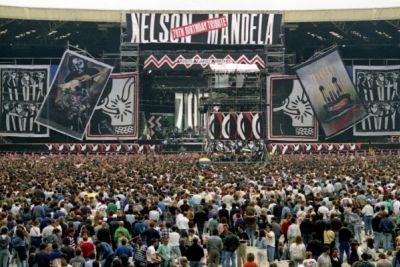
- The Nelson Mandela 70th Birthday Tribute was a concert staged on 11 June 1988 at Wembley Stadium, London. The band called Simple Minds wrote and debuted the song ‘Mandela Day’ especially for the event.
- It was broadcast to 67 countries and an audience of 600 million. Marking the forthcoming 70th birthday (18 July 1988) of the imprisoned anti-apartheid revolutionary Nelson Mandela, the concert was also referred to as Freedomfest, Free Nelson Mandela Concert and Mandela Day.
-
- Between 1987 and 1993 the National Party entered into bilateral negotiations with the African National Congress, the leading anti-apartheid political movement, for ending segregation and introducing majority rule.
- In 1990, prominent ANC leaders such as Nelson Mandela were released from detention.
- Apartheid legislation was abolished in mid-1991, pending multiracial elections set for April 1994.
-
- It was 25 years they take that man away
- Now the freedom moves in closer every day
- Wipe the tears down from your saddened eyes
- They say Mandela's free so step outside
- Oh oh oh oh Mandela day
- Oh oh oh oh Mandela's free
- It was 25 years ago this very day
- Held behind four walls all through night and day
- Still the children know the story of that man
- And I know what's going on right through your land
-
- Simple Minds - Mandela Day (Incorporar)
- If the tears are flowing wipe them from your face
- I can feel his heartbeat moving deep inside
- It was 25 years they took that man away
- And now the world come down say Nelson Mandela's free
- Oh oh oh oh Mandela's free
- The rising suns sets Mandela on his way
- It's been 25 years around this very day
- From the one outside to the ones inside we say
- Oh oh oh oh Mandela's free
- Oh oh oh set Mandela free
- Na na na na Mandela day
- Na na na na Mandela's free


Informações
- Descrição
- Slides sobre Music and Social Commitment - Apartheid in South Africa, criado por Laura Rossi em 01-11-2017.
- Criado por
- Laura Rossi · nov 2017
- Atualizado
- 19 abr 2018
- Visualizações
- 286
- Tags
- Avaliação