
Quiz
All Pathophysiology Clicker questions
Este quiz tem tipos de pergunta que abrem no player de sempre.
Perguntas do quiz (154)
1Where does transcription take place?
- ACytoplasm
- BEndoplasmic reticulum
- CNucleus
- DLysosomes
2Where does translation take place?
- ACytoplasm
- BEndoplasmic reticulum
- CNucleus
- DLysosomes
3At the end of mitosis, how many chromosomes are there?
- A23
- B46
- C52
- D21
4Which statement is true for meiosis?
- AMeiosis occurs from the splitting of haploid cells.
- BMeiosis creates 22 pairs of homologous chromosomes
- CMeiosis creates somatic cells
- DMeiosis creates gametes
5What is this an example of: blonde hair, blue eyes, pale skin, short stature.
- AGenotype
- BPhenotype
6What is this an example of: sickle cell disease or Down's Syndrome
- AGenotype
- BPhenotype
7Which statement is true about X-linked recessive?
- AThe trait is seen more in females
- BThe father always gives the trait to the son
- CFemales cannot carry the trait
- DThe gene is passed from affected father to all daughters.
8Who has a higher Total Body Water (TBW) percentage compared to body weight?
- A9 month old child
- B25 year old adult
- C50 year old obese adult
- D1 year old obese infant
- E50 year old adult
9Females have more body fat compared to males. Males have more muscle mass compared to females. Who will have a higher total body water (TBW)?
- AMales
- BFemales
10[blank_start]What[blank_end] is the main determinant of osmolality...which is also the most common type of solute in extracellular fluid?
- ASodium
11[blank_start]Potassium[blank_end] is the most common type of solute in the intracellular fluid.
- APotassium
12The [blank_start]sodium-potassium pump[blank_end] helps maintain balance of sodium and potassium. This requires [blank_start]ATP[blank_end].
- Asodium-potassium pump
- BATP
13If you block the venous system, such as in a blood clot, which statement is true about pressure in the VENOUS SYSTEM?
- AOncotic pressure increases
- BOncotic pressure remains neutral
- CHydrostatic pressure increases
- DHydrostatic pressure decreases
14A person takes in 1500mL and voids 1500mL. Which statement is true?
- AThey are hydrated
- BThey are dehydrated
- CThey are over hydrated
15A person takes in 3000mL and voids 1500mL. Which statement is true?
- AThey are hydrated
- BThey are dehydrated
- CThey are over hydrated
16A patient is admitted with congestive heart failure and you hear crackles in the lungs. Which statement reflects this patient's fluid status?
- AThey are hydrated
- BDecreased fluid volume
- CFluid volume excess
17In a person with high blood sugar, such as a diabetic, which statement is likely true for their fluid status?
- AThey are hydrated
- BThey are dehydrated
- CThey are over hydrated
18In a patient with tachycardia and hypotension, which of the following statements is likely true regarding their fluid status.
- AThey are hydrated
- BThey are dehydrated
- CThey are over hydrated
19Patient complaining of thirst with poor skin turgor
- AThey are hydrated
- BThey are dehydrated
- CThey are over hydrated.
20Patient has pitting edema
- AThey are hydrated
- BThey are dehydrated
- CThey are over hydrated
21Who is at higher risk for dehydration?
- AAn obese infant < 1 year
- BAn obese 30 year old
- CAn obese 50 year old
- DAn obese 70 year old
22Which is a complication of edema?
- AWounds heal slowly
- BWeight loss
- CTemperature increases
- DDecreased Blood Pressure
23What happens when you give a person who is dehydrated a hypertonic solution?
- ADecreased capillary oncotic pressure
- BIncreased capillary hydrostatic pressure
- CIntracellular dehydration
- DExtracellular dehydration
24What type of solution would you use to treat someone who is dehydrated?
- AHypertonic
- BHypotonic
- CIsotonic
25A patients pH is 7.31. This is:
- AAcidosis
- BAlkalosis
- CNormal
26Which is fastest at acid-base compensation?
- AThe lungs
- BThe kidneys
- CThe heart
27Your patient has the following results from an ABG test: pH 7.14, PaCO2 52, HCO3 25. Which of the following describes this patient?
- ARespiratory acidosis
- BRespiratory alkalosis
- CMetabolic acidosis
- DMetabolic alkalosis
28Your patient has the following results from an ABG test: pH 7.14, PaCO2 41, HCO3 18. Which of the following describes this patient?
- ARespiratory acidosis
- BRespiratory alkalosis
- CMetabolic acidosis
- DMetabolic alkalosis
29I can have hypoxemia but not be anemic.
- AVerdadeiro
- BFalso
30I can be anemic and not be hypoxic.
- AVerdadeiro
- BFalso
31I can have hypoxia without being anemic.
- AVerdadeiro
- BFalso
32You can never have hypoxemia, anemia, AND hypoxia.
- AVerdadeiro
- BFalso
33Which is an example of an acute inflammation?
- ASyphilis
- BTuberculosis
- CRheumatoid arthritis
- DInfection
34Who is the first WBC responder to a site of injury?
- ALymphocytes
- BMonocytes
- CBasophils
- DNeutrophils
35Which of the following statements is not true about B and T lymphocytes?
- ALymphocytes are part of the adaptive immunity
- BThey endow the body with long-term immunity
- CLymphocytes make up 20-35% of circulating WBCs
- DThey are the first line of defense
36Which of the following is not a WBC?
- APlatelets
- BMonocytes
- CT-cells
- DGranulocytes
37Hematologic cancers like leukemia cause:
- ALeukopenia
- BLeukocytosis
- CLymphoma
- DHemoptysis
38Which cells make antibodies?
- ACytotoxic cells
- BMonocytes
- CT-cells
- DB-cells
39What occurs during multiple myeloma?
- AIncrease in osteoblast activity
- BIncrease in osteoclast activity
- CHypocalcemia
- DDecreased GI absorption
40Allergies are which type of hypersensitivity?
- AType I
- BType II
- CType III
- DType IV
41What laboratory test determines what medication will destroy an organism?
- AUrinalysis?
- BComplete blood count
- CCulture and sensitivity
- DAntibody titer
42An overreaction of the immune systems is also called:
- ALymphoma
- BLeukemia
- CLeukopenia
- DHypersensitivity reaction
43Which test is the earliest indicator for HIV?
- AELISA
- BCD4 count
- CCD8 count
- DRNA assay
44How is cholesterol obtained?
- ALiver and gall bladder synthesis
- BLiver synthesis only
- CDiet and gall bladder synthesis
- DDiet and liver synthesis
45Which of the following accurately identifies risk factors for cardiovascular disease?
- AMale gender, Family history of CV disease, Obesity, history of tobacco use
- BFamily history of CV disease, history of autoimmune disease, female gender
- CFemale gender, history of tobacco use, low stress
- DMale gender, history of tobacco use, lack of exercise, history of traumatic brain injury
46When blood flows from a larger area of vessel diameter to a smaller area of diameter, blood pressure:
- AIncreases
- BDecreases
- CDoes not change
47Stimulation of the SNS does what to heart rate?
- ADecreases it
- BIncreases it
- CDoes not change
48Cardiac output is determined by:
- APVR and HR
- BHR and BP
- CBP and pulse pressure
- DPVR and BP
49Which of the following is NOT considered a secondary cause of HTN?
- ACoarctation of the aorta
- BBrain tumor
- CPneumonia
- DChronic kidney disease
50Which client meets the definition of orthostatic hypotension?
- AClient 1: BP laying 130/90, Standing 121/90
- BClient 2: BP laying 118/80, standing 120/80
- CClient 3: BP laying 140/90, standing 130/80
- DClient 4: BP laying 112/76, standing 112/70
51Which of the following is true regarding aortic dissection?
- AFemales are more affected than males
- BMales are more affected than femals
- CBoth sexes are affected equally by the condition
52What is the most common symptom of Peripheral Artery Disease?
- AIntermittent claudication
- BChest Pain
- CDifficulty breathing
- DCyanotic extremeties
53Which of the following statements is true regarding circulation?
- AThe pulmonary system is high pressure and the systemic system is low pressure.
- BBoth systems are low pressure
- CThe pulmonary system is low pressure and the systemic system is high pressure
- DBoth systems are high pressure
54Which statement best differentiates cardiac afterload from cardiac preload?
- ACardiac afterload is the volume of blood in the heart at the end of diastole
- BCardiac afterload is the amount of resistance that the ventricle must overcome
- CCardiac afterload is the factor that affects cardiac output
- DCardiac afterload is the amount of blood that enters the right atrium
55Which symptom is present in right sided heart failure?
- ABlood in the lungs
- BRespiratory problems
- CCyanosis
- DEdema in ankles and feet
56Which symptom is present in left sided heart failure?
- ACyanosis
- BAscites
- CLeg edema
- DSwelling in hands
57How is systolic dysfunction different from diastolic dysfunction?
- AIn systolic dysfunction, the ventricle has difficulty ejecting blood out of the chamber.
- BIn systolic dysfunction, the ventricle has difficulty relaxing and is unable to expand fully
- CIn systolic dysfunction, the ventricle pumps out insufficient blood volume.
- DIn systolic dysfunction, the ventricle has low blood volume.
58Which lobe would a patient most commonly aspirate into, due to its anatomical position?
- ARML
- BRLL
- CLLL
- DLUL
59Each hemoglobin molecule can carry [blank_start]4[blank_end] oxygen molecules
- A4
60When PO2 falls below [blank_start]60[blank_end] mmHg, hemoglobin quickly drops off all oxygen molecules.
- A60
61Ventilation-perfusion mismatching occurs wen air cannot flow into an alveolus or blood flow around an alveolus is altered. One of the most common etiologies for this is:
- APneumonia
- BPulmonary Embolism
- CAtelectasis
- DPulmonary hypertension
62The most common virus to cause community acquired pneumonia is:
- AHaemophilus influenzae
- BMycoplasma
- CStaphylococcus aureus
- DStreptococcus pneumoniae
63Hospital Acquired Pneumonia is a common cause of mortality for hospital patients. What is the most common microbe in this type of pneumonia?
- AHaemophilus influenzae
- BMycoplasma
- CStaphylococcus aureus
- DKlebsiella
64Right ventricular failure caused by pulmonary disease is also known as:
- AAortic stenosis
- BCyanosis
- CCor pulmonale
- DRight ventricular hypertrophy
65A spirometer measures the amount of air moved into and out of the lungs. The maximal amount of air exhaled is called:
- AFEV-1
- BFVC
- CTidal Volume
- DFEV-1/FVC ratio
66The most common cause of pulmonary edema is:
- ALeft ventricular heart failure
- BRight ventricular heart failure
- CPleural effusion
- DPulmonary embolism
67Playing tennis is more likely to cause a:
- AStrain
- BSprain
68Playing football is more likely to cause a:
- AStrain
- BSprain
69Which diagnostic test is best to see soft tissue damage?
- AUltrasound
- BCT
- CX-Ray
- DMRI
70What is true of bursitis?
- AIt is caused by overuse of the tendon
- BIt is caused by damage of the ligaments and bone
- CIt is caused by underuse of the muscles
- DIt is caused by inflammation of the bursa
71Where are you more likely to see melanomas?
- AFace
- BBack of hands
- CForearms
- DLower Legs
72What is the difference between allergic dermatitis and irritant dermatitis?
- AIrritant dermatitis is contagious to others if they have an open wound.
- BIrritant dermatitis is an immunological inflammatory process
- CAllergic dermatitis is the most common type of dermatitis
- DAllergic dermatitis initiates a cell-mediated response
73Your patient is a 20 year old male who just started a new running program. What type of fracture would you expect to find?
- AStress fracture
- BInsufficiency fracture
- CPathological fracture
- DTendinopathy
74If our osteoclasts work faster than our osteoblasts as you get older, you are at risk for:
- AIncreased bone production
- BFractures
- CHypocalcemia
- DCompartment syndrome
75A 78 year old female has a fracture of her pelvis. The likely cause is:
- ATrauma
- BExercise
- COsteoporosis
- DOsteoarthritis
76What type of fracture would you expect from a 78 year old female with osteoporosis?
- AOpen
- BPathologic
- CSubluxation
- DGreenstick
77Your patient with a right hand fracture is complaining of severe right hand pain and has numbness and tingling. You suspect:
- AThis is a normal process of healing
- BCompartment syndrome
- CThe fracture has increased
- DAn altered inflammatory response leading to excessive fluid accumulation
78A 56 year old male with a recent history of a right hip repair after a fall is admitted for SOB and tachycardia. What do you think is occurring?
- AA pneumothorax?
- BHemorrhagic anemia
- COsteomyelitis
- DPulmonary embolism
79You overhear the doctor say the patient has a dowager's hump. You know that this is:
- AA life threatening condition
- BThe same as kyphosis
- CThe same as a bursae
- DCaused by tendonitis
80Lice can "jump or fly" so just being around someone puts you at risk for getting lice.
- AVerdadeiro
- BFalso
81The number one cause of a hemorrhagic stroke is:
- AHeart valve defect
- BSmoking
- CDiabetes
- DHypertension
82Which of the following symptoms would you almost always see if your patient developed a subarachnoid hemorrhage?
- ABlurred vision
- BDecreased blood pressure
- CWorst headache of their life
- DUpper extremity paralysis
83Select all of the following risk factors for a stroke:
- AFamily history
- BHypertension
- CPrevious stroke
- DCancer
- EObesity
- FHigh Cholesterol
- GHeavy alcohol use
- HDiabetes Mellitus
- IDiabetes Insipidus
- JAtrial Fibrillation
84If a patient had a TIA, which statement is always true?
- AThey had an ischemic episode
- BThey had ischemia
- CThey had a blood clot but then it moved
- DIrreversible damage has occurred
85You are taking care of a newly admitted patient who had neural tissue death on CT scan, but all of his symptoms have resolved. What is the best answer to tell him about his diagnosis?
- AHe had a TIA because his symptoms resolved
- BHe had an ischemic attack with death of brain tissue
- CHe had a stroke with death of brain tissue
- DHe had a TIA which is lack of oxygen to the brain
86Your patient with a subarachnoid hemorrhage has issues with their CSF because of:
- ALimited reabsorption
- BDecreased production
- CConstricted blood vessels
- DImpaired venous system
87According to the TNM system, stage the following:
A 2.5 cm tumor in the R breast, palpable lymph nodes, and a CT scan that reveals metastasis in the liver.- AT1, N0, M0
- BT2, N1, M1
- CT1, N1, M1
- DT2, N0, M1
88Cancer cells are suited for metastasis because they secrete:
- AProto-oncogenes
- BEndothelin
- CVon Willebrand factor
- DVascular Endothelial Growth Factor
89This form of lung cancer grows rapidly, and often has already metastasized when the patient presents to their PCP
- ALung cancer in situ
- BSmall cell lung cancer
- CNon-small cell lung cancer
90An individual who smoked 2 packs per day from age 20-60 has a(n) [blank_start]80[blank_end] pack year history.
- A80
91Both BRCA1 and BRCA2 have defective ________.
- ATumor suppressor genes
- BProto-oncogenes
- COncogenes
- DBoth A and B
92Most breast cancer lesions are found in this quadrant of the breast
- AUpper Inner
- BUpper Outer
- CLower Inner
- DLower Outer
93Which of the following accurately depicts symptoms of liver cancer?
- AWeight gain, fever, increased appetite, pulmonary edema
- BWeight loss, increased appetite, vision changes
- CWeight loss, fever, ascites, jaundice
- DWeight loss, chest pain, dyspnea
94The most common GI disorder in the US is:
- AGERD
- BIBD
- CPyloric Stenosis
- DCirrhosis
95GERD is most commonly present in which patient populations?
- AInfants and adults over 40
- BInfants and teenaged children
- CAdults over 40 and patients with neuro disorders
- DAdults over 65 years old
96Your patient is admitted for Upper GI bleed. Their SBP has decreased from 132 to 110 and their heart rate has increased from 84 to 108. You can anticipate the provider will order as the priority intervention:
- AFluids to prevent impending shock
- BPlatelets to help blood clot
- CH2 blockers for stomach acid secretion
- DAlbumin to pull fluid
97You are assigned to care for a patient that will be admitted for a chronic upper GI bleed. What signs and symptoms or findings will you expect?
- AIncreased BP and elevated Hgb
- BDecreased BP and bradycardia
- CDecreased BP and flushed skin
- DDecreased BP and fatigue
98A patient says, "I have had abdominal pain, bloating, visual changes, and bone pain over the past 3-6 months." On assessment, the nurse finds: weight loss and suspects an autoimmune hypersensitivity disorder. Which test does the nurse recommend for further confirmation?
- ASerology celiac panel
- BCT of abdomen
- CUltrasound
- DBarium contrast series
99Which is the most common etiologic agent of gastroenteritis in adults?
- AEscherichia coli (E.Coli)
- BCandida albicans
- CNorovirus
- DHelicobacter pylori (H. pylori)
100Pancreatitis is commonly caused by
- ACigarette smoking
- BHypocalcemia
- CBiliary tract disease and alcohol abuse
- DHyperlipidemia and HTN
101Which is a normal urine output?
- A10-30 mL/hr
- B30-60 mL/hr
- C400 mL per hour for 4 hours
- D100 mL/hr
102Which of the following are not common manifestations of a UTI
- AFever
- BUrgency
- CConfusion in the elderly
- DDysuria
103Which of the following is NOT a sign of nephrotic syndrome?
- AHypertension
- BLow oncotic pressure
- CAscites
- DUrinary obstruction
- EPleural effusion
104Which of the following is not a clinical manifestation of renal colic?
- AProteinuria
- BNausea
- CPain
- DFever
105If someone says they have flank pain, this is associated with:
- AProblem with the liver
- BProblem with the kidney
- CProblem with a small bladder
- DProblem with chronic back pain
106Who is the least likely to get a UTI?
- ASpinal cord injury patient
- BSomeone with kidney stones
- CAn elderly women
- DA person with pneumonia
- EDiabetic patient
107Who is more at risk for UTI?
- AMen
- BWomen
108What lab values would you expect with glomerulonephritis?
- AIncrease serum creatinine, decrease GFR
- BIncrease serum creatinine, increased GFR
- CDecreased serum creatinine, decreased GFR
- DDecreased serum creatinine, increased GFR
109In acute kidney injury, which type of acid base abnormality would you expect to see?
- AMetabolic acidosis
- BMetabolic alkalosis
- CRespiratory acidosis
- DRespiratory alkalosis
110What happens with fluid and electrolytes shifts with chronic kidney injury?
- AIntracellular dehydration
- BDecreased extracellular fluid
- CIncreased extracellular fluid
111Glomerular filtration rate does not provide information on the cause of the kidney disease.
- AVerdadeiro
- BFalso
112Endocrine disorders are easy to diagnose by the clinical manifestations.
- AVerdadeiro
- BFalso
113When can someone develop a goiter?
- AThyroid hypofunction
- BThyroid hyperfunction
- CEither thyroid hypo/hyperfunction
- DNone of the above
114What is this a picture of?
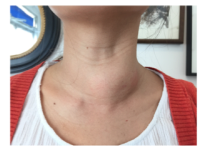
- AGoiter
- BExophthalamous
- CGraves dermopathy
115What is this a picture of?
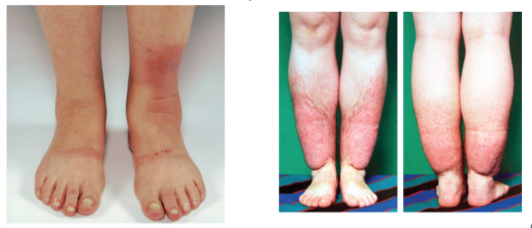
- AGoiter
- BExophthalmous
- CGraves Dermopathy
116What is this a picture of?
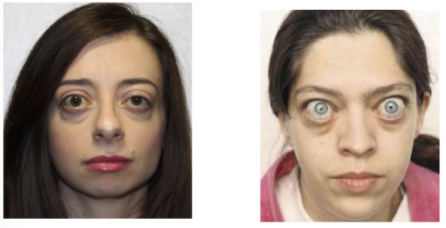
- AGoiter
- BExophtalmous
- CGraves Dermopathy
117In primary adrenal insufficiency, adrenal cortical hormone levels are:
- AHigh
- BLow
- CNot affected
118In primary adrenal insufficiency, how much damage has occurred to the adrenal glands before it is diagnosed?
- A20%
- B40%
- C60%
- D90%
119Cushing disease and Cushing syndrome are the same thing.
- AVerdadeiro
- BFalso
120Cushing disease refers to:
- AIncreased cortisol due to a thyroid tumor
- BIncreased cortisol due to medications
- CIncreased ACTH due to a tumor
- DDecreased cortisol due to medications
121The most common cause of Cushing syndrome is:
- AIncreased cortisol due to a tumor
- BIncreased cortisol due to medications
- CIncreased ACTH due to a tumor
- DDecreased cortisol due to medications
122Why is the TSH elevated with hypothyroidism?
- ADue to positive feedback
- BDue to negative feedback
- CDue to hypothalamus not working
- DDue to adrenal glands not working
123Which of the following is not a reason people can get SIADH
- ACancer
- BTraumatic brain injury
- CTylenol
- DPneumonia
124Which disease would have a urine [Na] that is high?
- ASIADH
- BDI
- CAddison's disease
- DHyperthyroidism
125Which disease would have a serum [Na] that is high?
- ASIADH
- BDI
- CAddison's disease
- DHyperthyroidism
126Which disease would you expect hyponatremia?
- AGrave's Disease
- BAddison's Disease
- CHashimotos
127A person who is thin and young can only have Type I Diabetes.
- AVerdadeiro
- BFalso
128Which of the following accurately identifies the metabolic syndrome?
- AElevated waist circumference, increased HDL, reduced triglycerides
- BReduced HDL, elevated triglycerides, and increased waist circumference
- CReduced HDL and waist circumference with increased BP
- DElevated triglycerides, decreased waist circumference, decreased BP
129The best test to assess a patient's glucose level over the past few months is:
- AFinger stick test while in the office
- BBasic metabolic panel
- CHemoglobin A1C
- DComplete Blood Count
130All of the following are complications of DM except:
- ADiabetic retinopathy
- BRenal disease
- CIncreased susceptibility to infection
- DIncreased incidence of cholelithiasis
131All of the following are true regarding Disseminated Intravascular Coagulation, except:
- ADIC is most commonly caused by sepsis and shock
- BDIC causes severe bleeding
- CDIC causes blood clotting
- DDIC is diagnosed by a high platelet count
132Which of the following is one way sickle cell anemia can cause disease?
- ASickled cells occlude the blood vessels preventing transportation of oxygen to tissues and organs
- BSickled cells cause vasodilation, leading to hypotension
- CRed blood cells affected by sickle cell anemia have a longer than average lifespan, which results in a deterioration of oxygen carrying capacity
- DSickled cells do not cause secondary complications, such as stroke and myocardial infarcion
133A patient is suspected of having systemic lupus erythmatous. The nurse monitors her, knowing that which of the following is one of the initial characteristic signs of SLE?
- ALow temperature reading
- BWeight gain
- CElevated RBC's
- DRash on the face and across the bridge of the nose
134How do you develop shingles?
- AReceiving the varicella vaccine
- BThrough exposure to someone with shingles in the blister phase and subsequently contracting the varicella zoster virus
- CVaricella zoster virus
- DAll of the above
135Dilated cardiomyopathy can cause heart failure due to?
- ALeft ventricle atrophy
- BMixing of oxygenated and deoxygenated blood
- CIncreased systolic dysfunction
- DThickening of the cardiac ventricle walls
136What is the most common cause of mitral valve prolapse?
- AMiddle age
- BExcess valve tissue
- CStiffening of the valve
- DBacterial or viral infection within the valve
137In ventral septal defect, children may initially present with hypertrophy of the:
- ALiver
- BRight ventricle
- CLeft ventricle
- DSpleen
138Tetralogy of Fallot (TOF) is a combination of four cardiac defects. Which of the four is least responsible for the hypoxia that results from the condition?
- APulmonary artery stenosis
- BRight ventricular hypertrophy
- CVentral septal defect
- DOverriding large ascending aorta
139What is the primary cause of inflammation in endocarditis?
- AValve malfunction
- BNormal wear and tear
- CBacterial vegetations
- DHeart murmurs
140Which of the following is a risk factor for Chlamydia?
- AUnprotected sexual intercourse
- BSwimming in public pools and freshwater lakes
- CReceiving a blood transfusion
- DSharing a beverage with someone who has chlamydia
141Herpes Simplex Virus 2 can be transmitted:
- AWhen you have genital sores
- BWhen you have sores in your mouth
- CWhen you don't have sores
- DFrom mother to fetus
- EAll of the above
142What is the body's response to Mycobacterium tuberculosis infection in the lungs?
- APulmonary capillary damage leads to alveolar injury
- BMacrophages release enzymes that cause lung tissue necrosis
- CHyperglycemia results, leading to diabetic ketoacidosis
- DFluid builds up in the alveoli, impairing oxygen and carbon dioxide exchange, leading to hypoxia
143Cystic Fibrosis mainly affects which body system?
- ACirculatory
- BRespiratory
- CDigestive
- DNervous
- EB and C
144When Bordetella pertussis is inhaled, the pertussis toxin is released. What does this toxin do to the airways?
- ALarge toxins cause airway obstruction in the alvioli
- BDilates airways
- CCauses airway inflammation
- DCauses pulmonary edema
145What are some common causes of gout?
- AExcessive alcohol consumption
- BFamily history
- CPurine rich diet
- DActive Lifestyle
- EA, B, and C
146Which is not a typical symptom of psoriasis?
- ABleeding gums
- BRed, thickened patches of skin
- CSilver white scales
- DFlaky skin
147Huntington disease is...
- ACaused by a genetic defect in which the DNA unnecessarily repeats the CAG sequence
- BAn autosomal recessive neurodegenerative disease
- CAn X-linked dominant disease, more common in males
- DA disorder of the central nervous system that affects movement and occurs primarily in children
148The following is not among early or late clinical problems associated with with amyotrophic lateral sclerosis:
- ADifficulties with ADLs
- BDyspnea and associated breathing problems
- CSlurred speech
- DHigh urine output
149Diane is 70 years old and was recently diagnosed with Alzheimer's Disease. It was identified as the "early stage" and she is very worried about the diagnosis since she witnessed her mother experience the disease as well. What changes in the brain would we see in Diane?
- AAn increase in brain size
- BNeurofibrillary tangles and beta-amyloid plaques in the brain
- CIncreased cellular communication and repair
- DDecrease in pineal gland size
150Which of the following scenarios would NOT lead to peritonitis?
- AA case of untreated appendicitis
- BPneumothorax following pneumocystic pneumonia infection
- CUnhygienic peritoneal dialysis
- DAn infected fallopian tube
151What is not true about neonatal jaundice?
- AMost babies experience some form of jaundice
- BThe skin turns yellow due to build-up of bilirubin in the blood
- CMost babies are still jaundiced after one month of age
- DIf the baby is not eating well, they have a higher risk of the condition
152Why is mid-back pain associated with pyelonephritis and not a lower urinary tract infections?
- AInflammation of the kidneys causes tenderness mid-back
- BPyelonephritis is more common in older adults
- CIncreased urination causes back pain
- DMid-back pain is not associated with pyelonephritis
153What is the difference between Cushing's disease and Cushing's syndrome?
- ACushing's Syndrome is caused by hyperactive adrenal gland, secreting excess cortisol
- BCushing's Syndrome can result from Type 1 Diabetes Mellitus
- CCushing's Disease is a result of an ACTH-secreting pituitary tumor, resulting in excess cortisol
- DBoth A and C
154Which of the following is NOT an effect of elevated parathyroid hormone secretion?
- ASerum calcium is increased due to bone resorption
- BIntestinal absorption of calcium is decreased
- CExtra calcium is built up in the kidneys, causing stones
- DExcretion of calcium through urination is decreased
Informações
- Descrição
- NCLEX Nursing Quiz sobre All Pathophysiology Clicker questions, criado por Alison Coffey em 08-03-2019.
- Autor
- Alison Coffey
- Idioma
- English
- Visualizações
- 157
- Etiquetas
- Avaliação
- 5,0 de 5 · 1 avaliação Avalie este quiz