
Quiz
Assault, ABH and GBH, loss of control, dimished responsbility
Crie uma conta grátis para terminar este quiz
Salve seu progresso e veja sua nota final.
Já tem uma conta? Inicie sessão
Perguntas do quiz (31)
1Actus Reus of assault:
victim must apprehend the infliction of immediate, unlawful force on his person, must be a casual link between the defendants behaviour and the victims apprehension
- AVerdadeiro
- BFalso
2Ireland and Burstow (1997)

- AFear may not dominate her emotions and it may be the feat that the callers arrival at her door may be imminent, bodily includes: recognised psychiatric illness)
- BFear may dominate her emotions and it may be the feat that the callers arrival at her door may be imminent, bodily includes: recognised psychiatric illness)
3Venna (1975)
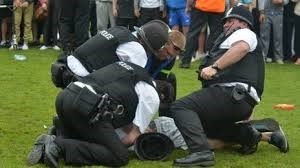
- AThe defendant was causing a disturbance with three others in the early hours of the morning by singing shouting and bashing dust bin lids. The police were called. An officer called Leach went to investigate. He tried to reason with them and told them to go home quietly. The four continued in defiance. One of them sat down and the officer went over to him and said you're all under arrest and pulled him up. The other three tried to get the other from the grasp of the policeman. The officer called for assistance and all three were taken forcibly to the police station. The defendant had fought so violently that it took four officers to get him into the police vehicle
mental element of recklessness/ causing victim immediate unlawful force
Recklessness, it is argued, is not enough; there must be intention to do the physical act the subject matter of the charge. As in Lamb, that an assault is not established by proof of a deliberate act which gives rise to consequences which are not intended.
Conviction quashed - BThe defendant was causing a disturbance with three others in the early hours of the morning by singing shouting and bashing dust bin lids. The police were called. An officer called Leach went to investigate. He tried to reason with them and told them to go home quietly. The four continued in defiance. One of them sat down and the officer went over to him and said you're all under arrest and pulled him up. The other three tried to get the other from the grasp of the policeman. The officer called for assistance and all three were taken forcibly to the police station. The defendant had fought so violently that it took four officers to get him into the police vehicle
mental element of recklessness/ causing victim immediate unlawful force
Recklessness, it is argued, is not enough; there must be intention to do the physical act the subject matter of the charge. As in Lamb, that an assault is not established by proof of a deliberate act which gives rise to consequences which are not intended.
Conviction upheld
- AThe defendant was causing a disturbance with three others in the early hours of the morning by singing shouting and bashing dust bin lids. The police were called. An officer called Leach went to investigate. He tried to reason with them and told them to go home quietly. The four continued in defiance. One of them sat down and the officer went over to him and said you're all under arrest and pulled him up. The other three tried to get the other from the grasp of the policeman. The officer called for assistance and all three were taken forcibly to the police station. The defendant had fought so violently that it took four officers to get him into the police vehicle
4Collins v Wilcock (1984)

- AA police woman took hold of a woman's arm to stop her walking off when she was questioning her. The woman scratched the police woman and was charged with assaulting a police officer in the course of her duty.
The police woman's actions amounted to a battery. The defendant's action was therefore in self defence and her conviction was upheld
implied consent "all physical conduct is acceptable in ordinary daily life (scratches officer) - BA police woman took hold of a woman's arm to stop her walking off when she was questioning her. The woman scratched the police woman and was charged with assaulting a police officer in the course of her duty.
The police woman's actions amounted to a battery. The defendant's action was therefore in self defence and her conviction was quashed
implied consent "all physical conduct is acceptable in ordinary daily life (scratches officer)
- AA police woman took hold of a woman's arm to stop her walking off when she was questioning her. The woman scratched the police woman and was charged with assaulting a police officer in the course of her duty.
5DPP v K (a minor) (1990)
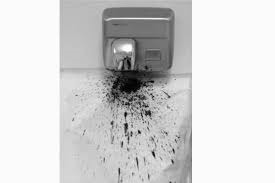
- AA 15 year old school boy took some acid from a science lesson. He placed it into a hot air hand drier in the boys' toilets. Another pupil came into the toilet and used the hand drier. The nozzle was pointing upwards and acid was squirted into his face causing permanent scars. The defendant was charged under s.47 OAPA 1867.
The application of force need not be directly applied. The defendant was also convicted under Caldwell recklessness (this aspect of the case has since been overruled.)
Conviction upheld - BA 15 year old school boy took some acid from a science lesson. He placed it into a hot air hand drier in the boys' toilets. Another pupil came into the toilet and used the hand drier. The nozzle was pointing upwards and acid was squirted into his face causing permanent scars. The defendant was charged under s.47 OAPA 1867.
The application of force need to be directly applied. The defendant was not convicted under Caldwell recklessness (this aspect of the case has since been overruled.)
conviction quashed
- AA 15 year old school boy took some acid from a science lesson. He placed it into a hot air hand drier in the boys' toilets. Another pupil came into the toilet and used the hand drier. The nozzle was pointing upwards and acid was squirted into his face causing permanent scars. The defendant was charged under s.47 OAPA 1867.
6DPP v Santana Bermadez (2003)

- AD injured a woman police officer by allowing her to search him, knowing he had hypodermic needles in his pockets which stabbed her. D denied having any needles or sharps when asked.
Where someone created a danger and thereby exposed another to a reasonably foreseeable risk of injury, there was an evidential basis for the actus reus of an assault occasioning actual bodily harm.
D had “created a danger by an act … that act was a continuing act”. The risk of injury was foreseeable.
conviction was quashed as an omission to act cannot be assault or battery, no evidence of assault, but in current law it is a crime - BD injured a woman police officer by allowing her to search him, knowing he had hypodermic needles in his pockets which stabbed her. D denied having any needles or sharps when asked.
Where someone created a danger and thereby exposed another to a reasonably foreseeable risk of injury, there was an evidential basis for the actus reus of an assault occasioning actual bodily harm.
D had “created a danger by an act … that act was a continuing act”. The risk of injury was foreseeable.
conviction was upheld as an omission to act cannot be assault or battery, no evidence of assault, but in current law it is a crime
- AD injured a woman police officer by allowing her to search him, knowing he had hypodermic needles in his pockets which stabbed her. D denied having any needles or sharps when asked.
7ABH: statute
- AS.47 of OAPA causing GBH:
1) an assault or battery
2) caused ABH
3) the sault must have occasioned the ABH (causal link with assault and ABH) as in Roberts - BS.49 of OAPA causing GBH:
1) an assault or battery
2) caused ABH
3) the sault must have occasioned the ABH (causal link with assault and ABH) as in Roberts - CS.46 of OAPA causing GBH:
1) an assault or battery
2) caused ABH
3) the sault must have occasioned the ABH (causal link with assault and ABH) as in Roberts
- AS.47 of OAPA causing GBH:
8Chan-Fook (1994)

- AA French student was lodging at the house of Mrs Fox who was engaged to the appellant. Mrs Fox's engagement ring went missing and the she accused the student of stealing it. The appellant interrogated the student during which he struck him several times. He then locked him in an upstairs room and threatened him with further violence if the ring was not returned. The student attempted to escape by roping the curtains and sheets together and tying them around the curtain pole. The curtain pole broke and the student fell to the ground and suffered a fractured wrist and a dislocated hip
Conviction was quashed. To amount to actual bodily harm, the injury need not be permanent but should not be so trivial as to be wholly insignificant. Feelings of fear and panic are emotions rather than an injury and without medical evidence to support recognised psychiatric condition a conviction for ABH could not stand. - BA French student was lodging at the house of Mrs Fox who was engaged to the appellant. Mrs Fox's engagement ring went missing and the she accused the student of stealing it. The appellant interrogated the student during which he struck him several times. He then locked him in an upstairs room and threatened him with further violence if the ring was not returned. The student attempted to escape by roping the curtains and sheets together and tying them around the curtain pole. The curtain pole broke and the student fell to the ground and suffered a fractured wrist and a dislocated hip
Conviction was upheld. To amount to actual bodily harm, the injury need not be permanent but should not be so trivial as to be wholly insignificant. Feelings of fear and panic are injury rather than emotions and without medical evidence to support recognised psychiatric condition a conviction for ABH could stand.
- AA French student was lodging at the house of Mrs Fox who was engaged to the appellant. Mrs Fox's engagement ring went missing and the she accused the student of stealing it. The appellant interrogated the student during which he struck him several times. He then locked him in an upstairs room and threatened him with further violence if the ring was not returned. The student attempted to escape by roping the curtains and sheets together and tying them around the curtain pole. The curtain pole broke and the student fell to the ground and suffered a fractured wrist and a dislocated hip
9ABH definition
- ABruises, grazes, cuts, ABH need not be permanent but trivial to wholly insignificant, feeling of fear without medical evidence to support recognised psychiatric condition of ABH does stand
- BBruises, grazes, cuts, ABH need not be permanent but trivial to wholly insignificant, feeling of fear without medical evidence to support recognised psychiatric condition of ABH does not stand
10GBH: staute
- AS. 20 of the OAPA GBH;
1) a) a wounding or inflict cause b) an infliction of GBH
2) the wound or GBh must have been done maliciously
3) the wounding or GBh must have been done unlawfully) - BS. 21 of the OAPA GBH;
1) a) a wounding or inflict cause b) an infliction of GBH
2) the wound or GBh must have been done maliciously
3) the wounding or GBh must have been done unlawfully) - CS. 18 of the OAPA GBH;
1) a) a wounding or inflict cause b) an infliction of GBH
2) the wound or GBh must have been done maliciously
3) the wounding or GBh must have been done unlawfully)
- AS. 20 of the OAPA GBH;
11C v Eisenhower (1984)
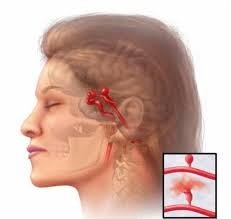
- Aan internal rupture of blood vessels not a wound/ require evidence of a break in the continuity of the skin
- Ban external rupture of blood vessels not a wound/ require evidence of a break in the continuity of the skin
12Lost of control: statue
- As. 53 and 54 of Corners and Justice Act 2009:
- d must actually lose self control (subjective)
- because of a qualifying trigger event
- objectively understandable to a normal person to might have lose control - Bs. 54 and 55 of Corners and Justice Act 2009:
- d must actually lose self control (subjective)
- because of a qualifying trigger event
- objectively understandable to a normal person to might have lose control - Cs. 44 and 45 of Corners and Justice Act 2009:
- d must actually lose self control (subjective)
- because of a qualifying trigger event
- objectively understandable to a normal person to might have lose control
- As. 53 and 54 of Corners and Justice Act 2009:
13Duffy (1949)

- Aprovocation: reasonable person, actual caused sudden, and temporary loss of self-control, moment of not master of his mind is liable for a defence
- Bprovocation: reasonable person, actual caused sudden, and long period loss of self-control, moment of not master of his mind is liable for a defence
- Cprovocation: reasonable person, actual caused sudden, and temporary loss of self-control, moment of not master of his mind is not liable for a defence
14Newbury v Jones (1976)
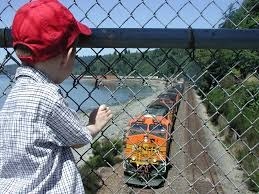
- AN. and J two teenage boys pushed a paving stone off a railway bridge on to the train below, causing the death of a guard.
d intentionally perform act, lawfully, safely, in avertedly cause death of lawful and dangerous act manslaughter, test: sober and reasonable person to recognise danger - BN. and J two teenage boys pushed a paving stone off a railway bridge on to the train below, causing the death of a guard.
d intentionally perform act, unlawfully, dangerously, in avertedly cause death of unlawful and dangerous act manslaughter, test: sober and reasonable person to recognise danger
- AN. and J two teenage boys pushed a paving stone off a railway bridge on to the train below, causing the death of a guard.
15Andrews (1937)
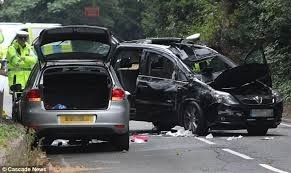
- AThe appellant drove a car above the speed limit and overtook another car. As he did so hit another driver and killed him
Gross negligence manslaughter, careless driving (lawful) acted negligently
degree of negligence manslaughter; "Simple lack of care such as will constitute civil liability is not enough: for purposes of the criminal law there are degrees of negligence: and a very high degree of negligence is required to be proved before the felony is established." - BThe appellant drove a van above the speed limit and overtook another car. As he did so he struck a pedestrian and killed him.
Gross negligence manslaughter, careless driving (lawful) acted negligently
degree of negligence manslaughter; "Simple lack of care such as will constitute civil liability is not enough: for purposes of the criminal law there are degrees of negligence: and a very high degree of negligence is required to be proved before the felony is established."
- AThe appellant drove a car above the speed limit and overtook another car. As he did so hit another driver and killed him
16Franklin (1883)
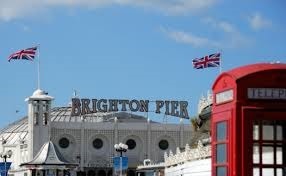
- AThe appellant threw a box into the sea off London Pier. The box struck a swimmer who died as a result of being hit.
constructive manslaughter, the act was unlawful, is an offence
For constructive manslaughter there must be an unlawful act. The unlawful act must constitute a criminal offence. It is not sufficient that the act committed is against civil law. - BThe appellant threw a box into the sea off Brighton Pier. The box struck a swimmer who died as a result of being hit.
constructive manslaughter, the act was unlawful, is an offence
For constructive manslaughter there must be an unlawful act. The unlawful act must constitute a criminal offence. It is not sufficient that the act committed is against civil law.
- AThe appellant threw a box into the sea off London Pier. The box struck a swimmer who died as a result of being hit.
17Lamb (1967)

- ATwo boys were playing with a revolver. There were two bullets in the chamber but neither were opposite the barrel. The two boys believed that this meant it would not fire. One of the boys pointed the gun at the other and fired. As he pulled the trigger the chamber turned and the gun went off killing the boy. The other was charged with unlawful act manslaughter.
There was no unlawful act as no assault had been committed as the victim did not believe the gun would go off therefore he did not apprehend immediate unlawful personal violence.
- BThree boys were playing with a 45.cal, There were two bullets in the chamber but neither were opposite the barrel. The three boys believed that this meant it would not fire. One of the boys pointed the gun at the other and fired. As he pulled the trigger the chamber turned and the gun went off killing the boy. The other was charged with unlawful act manslaughter.
There was no unlawful act as no assault had been committed as the victim did not believe the gun would go off therefore he did not apprehend immediate unlawful personal violence.
- ATwo boys were playing with a revolver. There were two bullets in the chamber but neither were opposite the barrel. The two boys believed that this meant it would not fire. One of the boys pointed the gun at the other and fired. As he pulled the trigger the chamber turned and the gun went off killing the boy. The other was charged with unlawful act manslaughter.
18Church (1965)

- ASylvia Notts mocked the appellant's ability to satisfy her sexually and slapped his face. A fight developed during which the appellant knocked her unconscious. He tried to wake her for 20 mins to no avail. He believed she was dead and threw her body into a river. Medical evidence revealed that the cause of death was drowning and she therefore had been alive when he threw her into the river.
Davies LJ: unlawful act causing the death of another cannot, simply because it is an unlawful act, render a manslaughter verdict inevitable. For such a verdict inexorably to follow, the unlawful act must be such as all sober and reasonable people would inevitably recognise must subject the other person to, at least, the risk of some harm resulting therefrom, albeit not serious harm. - BSylvia Notts mocked the appellant's ability to satisfy her sexually and slapped his face. A fight developed during which the appellant knocked her unconscious. He tried to wake her for 30 mins to no avail. He believed she was dead and threw her body into a river. Medical evidence revealed that the cause of death was drowning and she therefore had been alive when he threw her into the river.
Davies LJ: unlawful act causing the death of another cannot, simply because it is an unlawful act, render a manslaughter verdict inevitable. For such a verdict inexorably to follow, the unlawful act must be such as all sober and reasonable people would inevitably recognise must subject the other person to, at least, the risk of some harm resulting therefrom, albeit not serious harm.
- ASylvia Notts mocked the appellant's ability to satisfy her sexually and slapped his face. A fight developed during which the appellant knocked her unconscious. He tried to wake her for 20 mins to no avail. He believed she was dead and threw her body into a river. Medical evidence revealed that the cause of death was drowning and she therefore had been alive when he threw her into the river.
19Dawson (1985)

- AThree defendants attempted to rob a convenience store. They wore masks and were armed with a pickaxe handle and replica guns. The petrol attendant was aged 40 and suffered from heart disease. After the attendant sounded the alarm the defendants fled empty handed. The attendant then suffered a fatal heart attack.
The convictions were quashed. The jury were aware of the attendant's heart condition whereas a reasonable person present at the time of the attack would not have known this. The direction to the jury was therefore a mis-direction leaving the convictions unsafe. - BThree defendants attempted to rob a petrol station. They wore masks and were armed with a pickaxe handle and replica guns. The petrol attendant was aged 60 and suffered from heart disease. After the attendant sounded the alarm the defendants fled empty handed. The attendant then suffered a fatal heart attack.
The convictions were quashed. The jury were aware of the attendant's heart condition whereas a reasonable person present at the time of the attack would not have known this. The direction to the jury was therefore a mis-direction leaving the convictions unsafe.
- AThree defendants attempted to rob a convenience store. They wore masks and were armed with a pickaxe handle and replica guns. The petrol attendant was aged 40 and suffered from heart disease. After the attendant sounded the alarm the defendants fled empty handed. The attendant then suffered a fatal heart attack.
20Watson (1989)

- AThe appellant smashed a window and broke into the house of an 87 year old man, Harold Moyler. Moyler went to investigate and the appellant shouted abuse at him and ran off. The police arrived and Moyler suffered a heart attack and died 90 minutes after the initial break in.
His conviction was quashed as it could not be established that the break in was the cause of the heart attack. However, the Court of Appeal held that a sober and reasonable person would regard the act of the appellant as dangerous as they would have known of the age and frail condition of the victim. - BThe appellant smashed a window and broke into the house of an 57 year old man, Harold Moyler. Moyler went to investigate and the appellant shouted abuse at him and ran off. The police arrived and Moyler suffered a heart attack and died 90 minutes after the initial break in.
His conviction was upheld as it could not be established that the break in was the cause of the heart attack. However, the Court of Appeal held that a sober and reasonable person would regard the act of the appellant as dangerous as they would have known of the age and frail condition of the victim.
- AThe appellant smashed a window and broke into the house of an 87 year old man, Harold Moyler. Moyler went to investigate and the appellant shouted abuse at him and ran off. The police arrived and Moyler suffered a heart attack and died 90 minutes after the initial break in.
21Ball (1989)
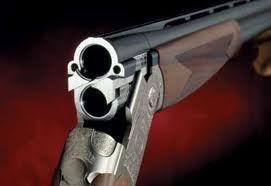
- AThe appeal was upheld.
"The question of whether the act was a dangerous one is to be judged not by the appellant's appreciation but by that of a sober and reasonable man and it is not possible to impute into his appreciation the mistaken belief of the appellant that what he was doing was not dangerous because he thought that there was a blank cartridge in the chamber. At that stage the appellant's intention, foresight or knowledge is irrelevant." - BThe appeal was dismissed.
"The question of whether the act was a dangerous one is to be judged not by the appellant's appreciation but by that of a sober and reasonable man and it is not possible to impute into his appreciation the mistaken belief of the appellant that what he was doing was not dangerous because he thought that there was a blank cartridge in the chamber. At that stage the appellant's intention, foresight or knowledge is irrelevant."
- AThe appeal was upheld.
22Mitchell (1983)

- AThe appellant tried to jump the queue at a Post Office. An elderly man took issue with the appellant's behaviour and challenged him. The appellant hit the old man and pushed him. The man fell back onto others in the queue including an elderly lady who fell and broke her leg. She later died. The appellant was convicted of manslaughter and appealed contending that the unlawful act was not directed at the woman.
The appeal was dismissed and the conviction was upheld. There was no requirement that the unlawful act be directed at the victim. - BThe appellant tried to jump the queue at a Post Office. An elderly man took issue with the appellant's behaviour and challenged him. The appellant hit the old man and pushed him. The man fell back onto others in the queue including an elderly lady who fell and broke her leg. She later died. The appellant was convicted of manslaughter and appealed contending that the unlawful act was not directed at the woman.
The appeal was allowed and the conviction was quashed. There was no requirement that the unlawful act be directed at the victim.
- AThe appellant tried to jump the queue at a Post Office. An elderly man took issue with the appellant's behaviour and challenged him. The appellant hit the old man and pushed him. The man fell back onto others in the queue including an elderly lady who fell and broke her leg. She later died. The appellant was convicted of manslaughter and appealed contending that the unlawful act was not directed at the woman.
23Adomako (1995)
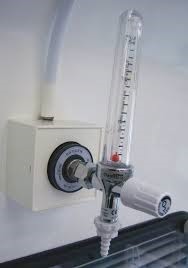
- AThe appellant was an anaesthetist in charge of a patient during an eye operation. During the operation an oxygen pipe became disconnected and the patient died. The appellant failed to notice or respond to obvious signs of disconnection.
His conviction for gross negligence manslaughter was upheld
test: 1) breached duty of care to a reasonable person 2) caused death of victim 3) so serious breach as gross negligence and a crime - BThe appellant was an anaesthetist in charge of a patient during an eye operation. During the operation an oxygen pipe became disconnected and the patient died. The appellant failed to notice or respond to obvious signs of disconnection.
His conviction for gross negligence manslaughter was quashed.
test: 1) breached duty of care to a reasonable person 2) caused death of victim 3) so serious breach as gross negligence and a crime
- AThe appellant was an anaesthetist in charge of a patient during an eye operation. During the operation an oxygen pipe became disconnected and the patient died. The appellant failed to notice or respond to obvious signs of disconnection.
24Diminished Responsibility: statute
- AS. 3 of the homicide act:
1) abnormal of mental function 2) recognised medical condition 3) substantial impairment to: a) understanding nature of conduct b) form rational judgement c) exercise self-control
"abnormal of mind" was allowed, convict of manslaughter - BS. 1 of the homicide act:
1) abnormal of mental function 2) recognised medical condition 3) substantial impairment to: a) understanding nature of conduct b) form rational judgement c) exercise self-control
"abnormal of mind" was allowed, convict of manslaughter - CS. 2 of the homicide act:
1) abnormal of mental function 2) recognised medical condition 3) substantial impairment to: a) understanding nature of conduct b) form rational judgement c) exercise self-control
"abnormal of mind" was allowed, convict of manslaughter
- AS. 3 of the homicide act:
25Thornton (1992)
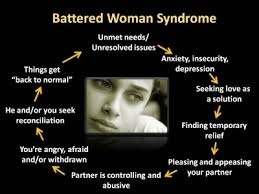
- Aappellant killed abusive and alcoholic husband, claimed defence relying on fresh medical evidence that at the time of the killing she had personality disorder
court held to allow appeal and the murder conviction was quashed. In accordance with Morhall, Ahluwalia and Humphreys, the jury should have been directed that they could take into account her mental characteristics in assessing the standard of control expected of the defendant. - Bappellant killed abusive and alcoholic husband, claimed defence relying on fresh medical evidence that at the time of the killing she was suffering from battered woman syndrome in addition to her personality disorder
court held to allow appeal and the murder conviction was quashed. In accordance with Morhall, Ahluwalia and Humphreys, the jury should have been directed that they could take into account her mental characteristics in assessing the standard of control expected of the defendant. - Cappellant killed abusive and alcoholic husband, claimed defence relying on fresh medical evidence that at the time of the killing she was loss of control
court held to allow appeal and the murder conviction was quashed. In accordance with Morhall, Ahluwalia and Humphreys, the jury should have been directed that they could take into account her mental characteristics in assessing the standard of control expected of the defendant.
- Aappellant killed abusive and alcoholic husband, claimed defence relying on fresh medical evidence that at the time of the killing she had personality disorder
26Ahluwalia (1992)

- A
The appellant poured petrol and caustic soda on to her sleeping husband and then set fire to him. He died six days later from his injuries. The couple had an arranged marriage and the husband had been violent and abusive throughout the marriage. He was also having an affair. On the night of the killing he had threatened to hit her with an iron and told her that he would beat her the next day if she did not provide him with money.
allowed diminished responsibility, she suffered from depression and managed to get medical evidence to prove this - B
The appellant poured petrol and caustic soda on to her sleeping husband and then set fire to him. He died six days later from his injuries. The couple had an arranged marriage and the husband had been violent and abusive throughout the marriage. He was also having an affair. On the night of the killing he had threatened to hit her with an iron and told her that he would beat her the next day if she did not provide him with money.
allowed provocation, she suffered from depression and managed to get medical evidence to prove this - C
The appellant poured petrol and caustic soda on to her sleeping husband and then set fire to him. He died six days later from his injuries. The couple had an arranged marriage and the husband had been violent and abusive throughout the marriage. He was also having an affair. On the night of the killing he had threatened to hit her with an iron and told her that he would beat her the next day if she did not provide him with money.
allowed lost of control, she suffered from depression and managed to get medical evidence to prove this
- A
27Doughty (1986) provocation

- AThe appellant killed his 17 day old baby son. His wife had had a caesarean and was told to take things easy so the appellant was looking after his wife and the baby in addition to carrying out all the general house hold matters. On the night of the killing the baby was constantly crying. The appellant used his best efforts to keep the baby quiet to no avail. He then covered the baby's mouth to dampen the sound. He then stated that due to his excessive tiredness and the constant noise of the baby he lost his control and pressed down harder than he meant to at the time he was kneeling on the baby's head.
The baby's crying could amount to a provocative act within the meaning of s.3 of the Homicide Act 1957. The appellant's murder conviction was substituted for manslaughter and his life sentence reduced to 5 years. - BThe appellant killed his 17 day old baby son. His wife had had a caesarean and was told to take things easy so the appellant was looking after his wife and the baby in addition to carrying out all the general house hold matters. On the night of the killing the baby was constantly crying. The appellant used his best efforts to keep the baby quiet to no avail. He then covered the baby's mouth to dampen the sound. He then stated that due to his excessive tiredness and the constant noise of the baby he lost his control and pressed down harder than he meant to at the time he was kneeling on the baby's head.
The baby's crying could amount to a diminished responsibility within the meaning of s.2 of the Homicide Act 1957. The appellant's murder conviction was substituted for manslaughter and his life sentence reduced to 5 years.
- AThe appellant killed his 17 day old baby son. His wife had had a caesarean and was told to take things easy so the appellant was looking after his wife and the baby in addition to carrying out all the general house hold matters. On the night of the killing the baby was constantly crying. The appellant used his best efforts to keep the baby quiet to no avail. He then covered the baby's mouth to dampen the sound. He then stated that due to his excessive tiredness and the constant noise of the baby he lost his control and pressed down harder than he meant to at the time he was kneeling on the baby's head.
28Smith (Morgan) (200)
- AThe appellant, an alcoholic suffering from a depressive illness, stabbed his drinking partner after a row over some stolen tools. The trial judge ruled that severe depressive illness was not a matter for the jury to take into account in deciding whether an ordinary man sharing the respondent's characteristics would have lost his self control. In his summing up he told the jury that a depressive state was a characteristic to be taken into account when dealing with the gravity of the provocation but that the fact that the depressive illness might have disinhibited the respondent from behaving violently was irrelevant.
that mental characteristics can be taken into account in assessing both the gravity of the provocation and the reaction of the defendant in relation to a reasonable man. The appeal was therefore dismissed. - BThe appellant, an alcoholic suffering from a depressive illness, stabbed his drinking partner after a row over some stolen tools. The trial judge ruled that severe depressive illness was not a matter for the jury to take into account in deciding whether an ordinary man sharing the respondent's characteristics would have lost his self control. In his summing up he told the jury that a depressive state was a characteristic to be taken into account when dealing with the gravity of the provocation but that the fact that the depressive illness might have disinhibited the respondent from behaving violently was irrelevant.
that mental characteristics can be taken into account in assessing both the gravity of the provocation and the reaction of the defendant in relation to a reasonable man. The appeal was therefore allowed
- AThe appellant, an alcoholic suffering from a depressive illness, stabbed his drinking partner after a row over some stolen tools. The trial judge ruled that severe depressive illness was not a matter for the jury to take into account in deciding whether an ordinary man sharing the respondent's characteristics would have lost his self control. In his summing up he told the jury that a depressive state was a characteristic to be taken into account when dealing with the gravity of the provocation but that the fact that the depressive illness might have disinhibited the respondent from behaving violently was irrelevant.
29Clinton (2012)

- AThe appellant and his wife both suffered from depression for which they were on prescribed medication. He was experiencing financial difficulties and stress at work. He and his wife agreed to a trial separation for four weeks as she needed time out.
1. She had told him that she had had sexual relations with five men and was describing in graphic detail the acts they had performed.
2. She had laughed and taunted him about a suicide website that he had been looking at on his computer.
3. She had told him she no longer wanted the children
Sexual infidelity can be relied upon on its own as a qualifying trigger
Applied s. 55(4) and developed: Sexual infidelity may be taken into account in the third component of the defence in examining the defendant’s circumstances under s.54(1)(c). - BThe appellant and his wife both suffered from depression for which they were on prescribed medication. He was experiencing financial difficulties and stress at work. He and his wife agreed to a trial separation for four weeks as she needed time out.
1. She had told him that she had had sexual relations with five men and was describing in graphic detail the acts they had performed.
2. She had laughed and taunted him about a suicide website that he had been looking at on his computer.
3. She had told him she no longer wanted the children
Sexual infidelity can not be relied upon on its own as a qualifying trigger
Applied s. 54(4) and developed: Sexual infidelity may be taken into account in the third component of the defence in examining the defendant’s circumstances under s.53(1)(c).
- AThe appellant and his wife both suffered from depression for which they were on prescribed medication. He was experiencing financial difficulties and stress at work. He and his wife agreed to a trial separation for four weeks as she needed time out.
30Complin (1978)
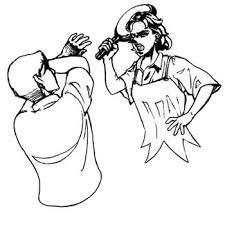
- AThe appellant, a 15 year old boy, killed a middle aged man by hitting him over the head with a chapati pan. At his murder trial the defendant raised the defence of provocation stating that the deceased had raped him and then laughed at him at which point he lost his control and hit him.
appeal not allowed:
s. 2 of the homicide act: reasonable man referred to in the question is a person having the power of self-control to be expected of an ordinary person of the sex and age of the accused, but in other respects sharing such of the accused's characteristics as they think would affect the gravity of the provocation to him - BThe appellant, a 15 year old boy, killed a middle aged man by hitting him over the head with a chapati pan. At his murder trial the defendant raised the defence of provocation stating that the deceased had raped him and then laughed at him at which point he lost his control and hit him.
appeal allowed:
s. 3 of the homicide act: reasonable man referred to in the question is a person having the power of self-control to be expected of an ordinary person of the sex and age of the accused, but in other respects sharing such of the accused's characteristics as they think would affect the gravity of the provocation to him
- AThe appellant, a 15 year old boy, killed a middle aged man by hitting him over the head with a chapati pan. At his murder trial the defendant raised the defence of provocation stating that the deceased had raped him and then laughed at him at which point he lost his control and hit him.
31Morhall (1995)

- AThe appellant stabbed a man seven times after he taunted him about his addiction to glue sniffing
The House of Lords allowed that approach, holding that a characteristic such as this should be included - BThe appellant stabbed a man seven times after he taunted him about his addiction to glue sniffing
The House of Lords rejected that approach, holding that a characteristic such as this should not be excluded merely because it was discreditable.
- AThe appellant stabbed a man seven times after he taunted him about his addiction to glue sniffing
Informações
- Descrição
- Law (Criminal law) Quiz sobre Assault, ABH and GBH, loss of control, dimished responsbility , criado por richard.w2020 em 21-03-2015.
- Autor
- richard.w2020
- Idioma
- English
- Visualizações
- 12
- Etiquetas
- Avaliação
- Ainda sem avaliações Avalie este quiz