
Quiz
The Neuron and The Nervous System - quiz
Este quiz tem tipos de pergunta que abrem no player de sempre.
Perguntas do quiz (19)
1Correctly label the neuron.
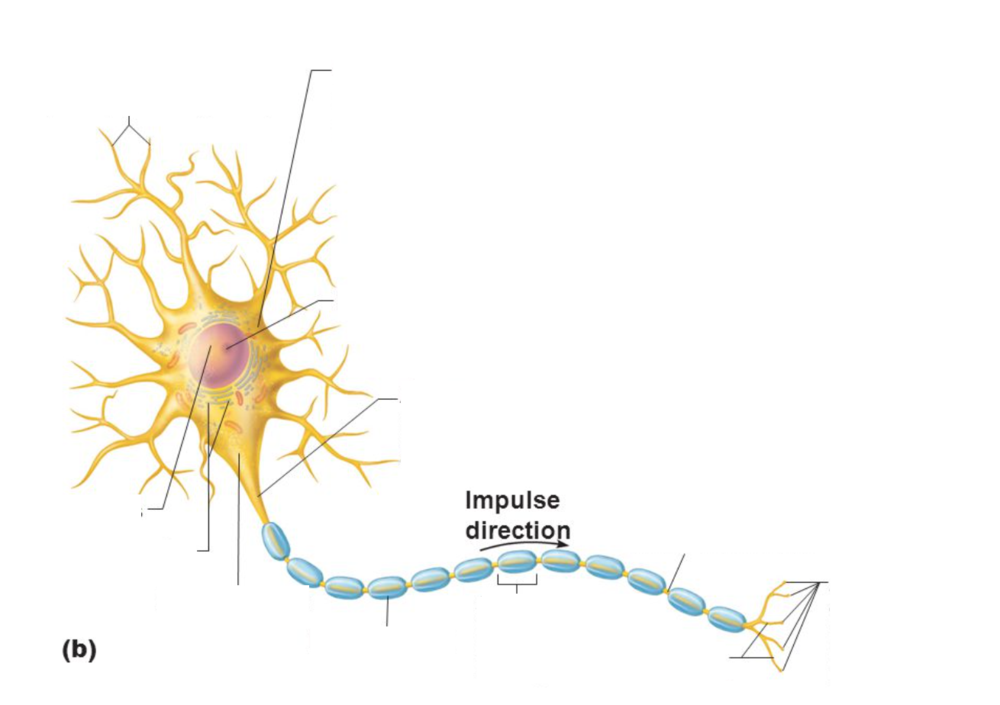
- ADendrites
- BAxons
- CNucleus
- DCell Body (soma)
- EDendrite
- FSynapse
- GNucleolus
- HAxon Terminal
- IRough Endoplasmic Reticulum
- JNucleus
- KAxon Hillock
- LDendrite
- MAxon Hillock
- NAxon Terminal
- OSynapse
- PAxon
- QSynapse
- RMyelin Sheath
- SNeurolemma and Myelin
- TAxon Hillock
- UDendrites
- VAxon Terminal
- WDendrite
- XCentriole
- YSchwann Cell
- ZSchwimmer Cell
- AANode of Ranvier
- ABMyelin
2A Synapse is a junction between two nerve cells, consisting of a minute gap across which impulses pass by diffusion of a neurotransmitter.
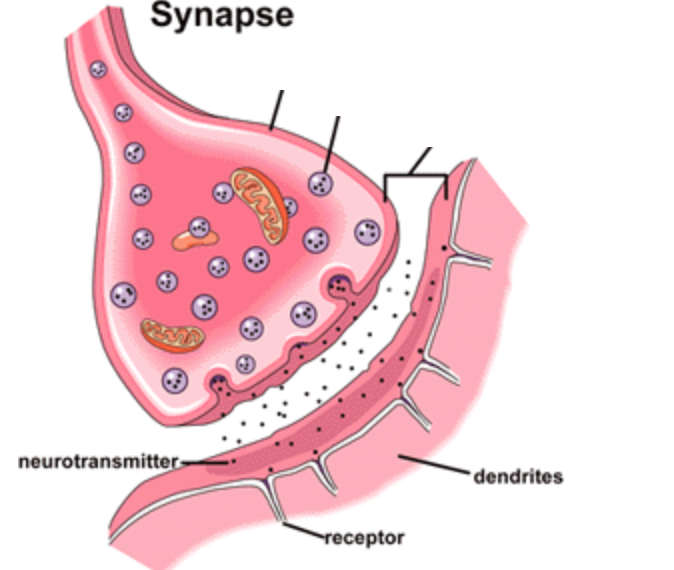
- Aaxon
- Bdendrite
- Cneurotransmitter
- Dsynaptic vesicle
- Ereceptor
- Fnucleus
- Gsynapse
- Haxon hillock
- Ivesicles
3Excitatory neurotransmitters:
- Adepolarise the membrane
- Bhyperpolarise the membrane
4inhibitory neurotransmitters:
- Ahyperpolarise the membrane
- Bdepolarise the membrane
5What type of Neuron is this?

- AUnipolar
- BMultipolar
- CBipolar
- DAnaxonic
6What kind of Neuron is this?

- Aanaxonic
- Bunipolar
- Cbipolar
- Dmultipolar
7What type of Neuron is this?
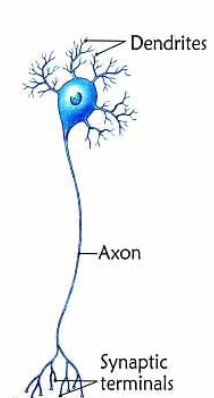
- Amultipolar
- Bbipolar
- Cunipolar
- Danaxonic
8What type of Neruon is this?
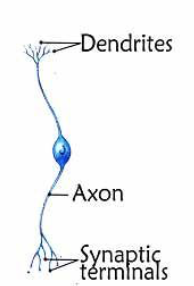
- Abipolar
- Bunipolar
- Canaxonic
- Dmultipolar
9This is an Ependymal Cell. It is found in the Central Nervous System. What does it do?
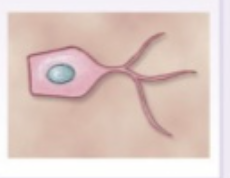
- ALine the central cancel and ventricles where they form an epithelium known as ependyma, and monitor Cerebrospinal Fluid.
- BMyelinate the CNS axons and provide structural framework.
- CPerform phagocytosis to remove cell debris from the CNS.
- DMyelinate PNS axons and participate in repair after injury.
10This is an Astrocyte. It is found in the Central Nervous System. Which describes the function of this particular neuroglia?
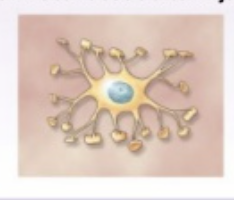
- AMaintain the blood brain barrier, provide structural support by creating a three-dimensional framework for the CNS through their microfilaments. Repair damaged neural tissue and control the interstitial environment by regulating ion and nutrient concentrations.
- BMyelinate axons in the CNS.
- CMyelinate axons in the PNS.
- DProduce epithelium called ependyma, circulate and produce Cerebrospinal Fluid.
11This neuroglia is an ogliodendrocyte. It is found in the Central Nervous System. Which best describes it's function in the CNS?
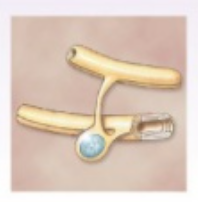
- AMyelinate axons by forming a myelin sheath along the length of each axon.
- BProvide the blood-brain barrier.
- CForm Cerebral Spinal Fluid and manage the concentration of ions and nutrients.
- DRemove myelin from axons and perform phagocytosis within the interstitial fluid, removing pathogens and dead or damaged neurons for recycling.
12This is microglia, the smallest of the neuroglia. It is found in the Central Nervous System. It has a very important role. What is it?

- APerform phagocytosis to remove pathogen, cell debris and waste.
- BMyelinate the axons of the neurons in the central nervous system.
- CMyelinate the axons of the neurons in the peripheral nervous system.
- DRemove the myelin form axons and release neurotransmitters to make skeletal muscle contract.
13This is a satellite cell, abundant in the Peripheral Nervous System. Which statement describes their function?
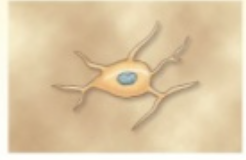
- ASatellite cells surround the neuron cell bodies in ganglia. They regulate the environment around the neurons of the PNS
- BSatellite cells produce myelin for the axons of the neurons in the PNS.
14This is a Schwann Cell. It is found in the Peripheral Nervous System. What is it's function?
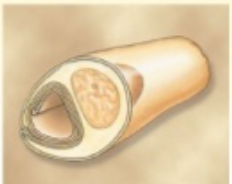
- ANon-myelinating Schwann cells surround the axons in the PNS, while myelinating Schwann Cells are responsible for the myelination of the peripheral axons and participate in repair process after injury.
- BRemove debris from the interstitial fluid via phagocytosis.
15The Organisation of the Nervous System
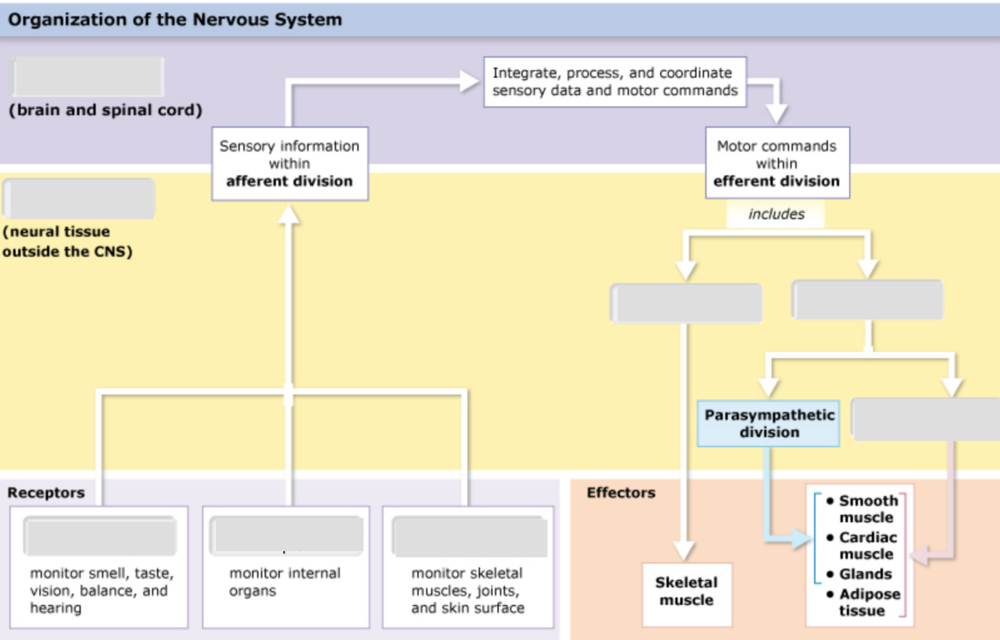
- ACentral Nervous System
- BPeripheral Nervous System
- CSomatic Receptor
- DPeripheral Nervous System
- ECentral Nervous System
- FRefractory Nervous System
- GSpecial Sensory Receptors
- HVisceral Sensory Receptors
- ISomatic Sensory Receptors
- JVisceral Sensory Receptors
- KSomatic Sensory Receptors
- LSpecial Sensory Receptors
- MSomatic Sensory Receptors
- NSpecial Sensory Receptors
- OVisceral Sensory Receptors
- PSomatic Nervous System (SNS)
- QAutonomic Nervous System (ANS)
- RSympathetic Division
- SSympathetic Division
- TSomatic Sensory Receptor
- USomatic Nervous System
16Synapse
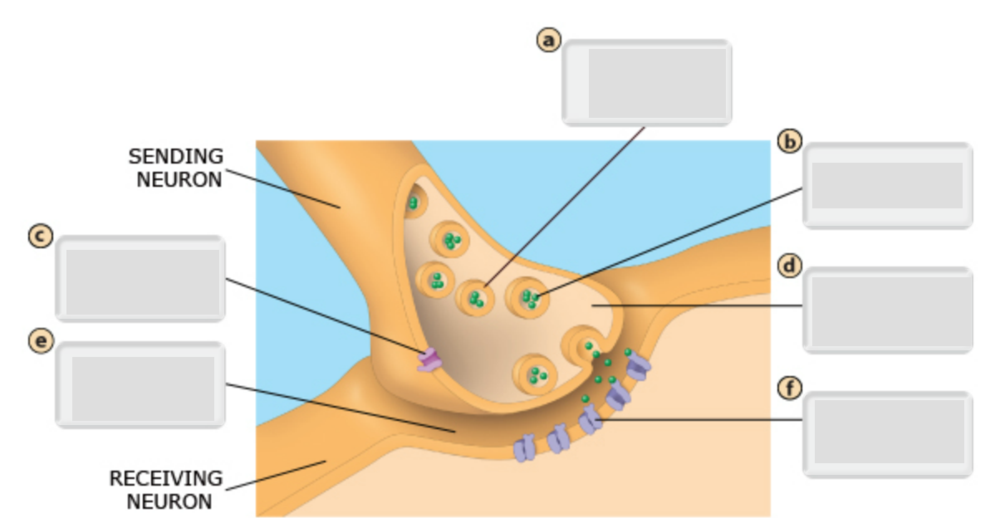
- AVesicle
- BNeurotransmitter
- CCalcium Channel
- DNeurotransmitter
- EVesicle
- FSynaptic Cleft
- GSynaptic Terminal
- HSynaptic Cleft
- INeurotransmitter
- JReceptor for neurotransmitter
- KVesicle
- LNeurotransmitter
- MSynaptic Cleft
- NReceptor for Neurotransmitter
- OAxon terminal
- PCalcium channel
- QNeurotransmitter
- RSynaptic cleft
17Graded Membrane Potential
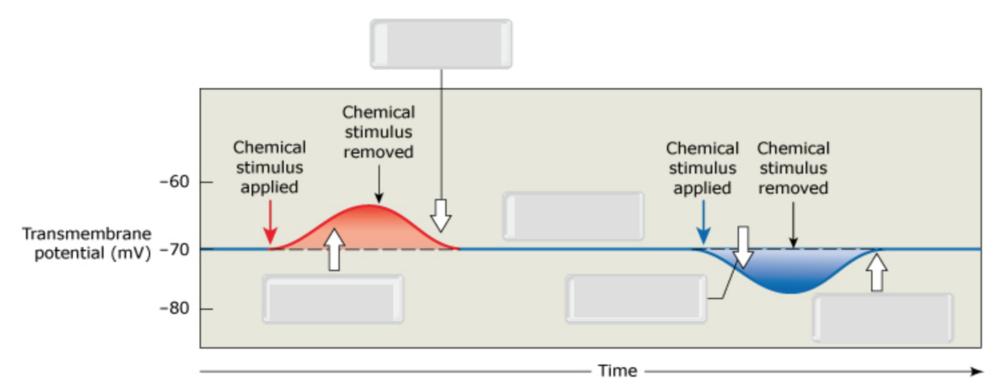
- ARepolarisation
- BDepolarisation
- CHyperpolarisation
- DDepolarisation
- ERepolarisation
- FHyperpolarisation
- GHyperpolarisation
- HRepolarisation
- IDepolarisation
- JResting potential
- KHyperpolarisation
- LDepolarisation
- MReturn to resting potential
- NHypopolarisation
- ODepolarisation
18Select the correct name for the channels below:
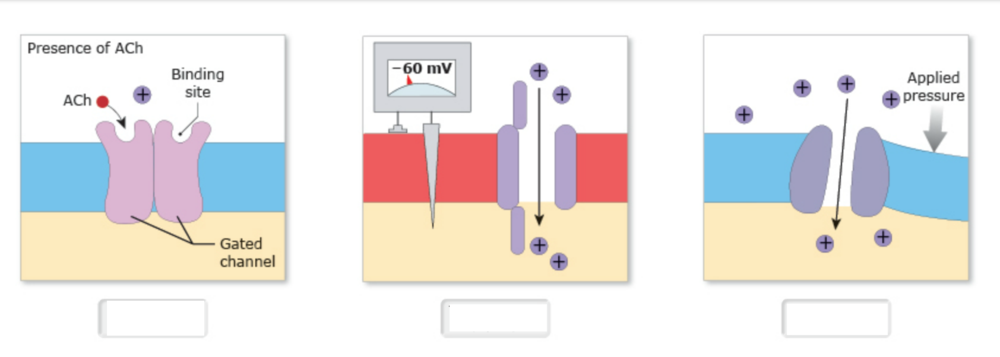
- AChemically Gated
- BVoltage Gated
- CMechanically Gated
- DChemically Gated
- EVoltage Gated
- FMechanically Gated
- GChemically Gated
- HVoltage Gated
- IMechanically Gated
19Generation of Action Potentials.
Step 1: Depolarisation of the threshold.
* The stimulus that initiates an action potential is a [blank_start]graded depolarisation[blank_end] large enough to open the channels.
* A graded depolarisation brings an [blank_start]area of excitable membrane[blank_end] to threshold [blank_start](-60mV)[blank_end]
Step 2: Activation of Sodium Channels and Rapid Depolarisation.
* The [blank_start]Voltage-Gated[blank_end] sodium channels open (sodium channel activation)
* Sodium Ions, driven by [blank_start]electrical attraction[blank_end] and the chemical gradient, flood into the cell
* The transmembrane potential goes from -60mV (the threshold level) to [blank_start]+30mV[blank_end] (the sodium equilibrium potential)
* The membrane cannot respond to any other stimulation during this time, the [blank_start]Refectory Period[blank_end]
Step 3: Inactivation of Sodium Channels and Activation of Potassium Channels.
* The Voltage-Gated sodium channels [blank_start]close[blank_end] (sodium channel inactivation occurs) at +30mV
* The [blank_start]Voltage-Gated[blank_end] potassium channels are now open, and positively charged potassium ions [blank_start]diffuse out[blank_end] of the cell, shifting the membrane potential back toward [blank_start]resting levels[blank_end].
* [blank_start]Repolarisation[blank_end] begins.
Step 4: Closing of Potassium Channels
* The Voltage-Gated sodium channels regain their normal properties
* The membrane is now capable of generating another action potential if a larger-than-normal stimulus is provided
* The Voltage-Gated potassium channels begin closing at [blank_start]-70mV[blank_end]. Because they do not all close at the same time, potassium loss continues and a [blank_start]temporary hyperpolarisation[blank_end] occurs, bringing the membrane to approximately [blank_start]-90mV[blank_end].
* At the end of the relative Refractory Period, all Voltage-Gated channels have closed and the membrane is back to it's resting state.- Agraded depolarisation
- Bgraded repolarisation
- Carea of excitable membrane
- Dthe entire cell membrane
- E(-60mV)
- F(-90mV)
- GVoltage-Gated
- Hmechanically-gated
- Ielectrical attraction
- Jdiffusion
- K+30mV
- L-90mV
- MRefectory Period
- NRefractory Period
- Oclose
- Premain open
- QVoltage-Gated
- Rchemically gated
- Sdiffuse out
- Tare actively transported into
- Uresting levels
- V+60mV
- WRepolarisation
- XHyperpolarisation
- Y-70mV
- Z+30mV
- AAtemporary hyperpolarisation
- ABongoing hypopolarisation
- AC-90mV
- AD+30mV
Informações
- Descrição
- the nervous system
- Autor
- Amelia Claire
- Idioma
- English
- Visualizações
- 108
- Histórico
- Criado em 11 abr 2016 · atualizado em 27 jul 2016
- Etiquetas
- Avaliação
- Ainda sem avaliações Avalie este quiz