
Quiz
Criminal law Introduction
Crie uma conta grátis para terminar este quiz
Salve seu progresso e veja sua nota final.
Já tem uma conta? Inicie sessão
Perguntas do quiz (53)
1Actus Reus
- AGuilty act of a crime
ex. S.3 A (1) of Road Traffic Act 1988
1) behaviour: driving without due care attention
2) consequence: causes death of another person
3) circumstances: unfit to drive through drink or drugs - BGuilty act of a crime
ex. S.2 A (1) of Road Traffic Act 1988
1) behaviour: driving without due care attention
2) consequence: causes death of another person
3) circumstances: unfit to drive through drink or drugs - CGuilty act of a crime
ex. S.1 A (1) of Road Traffic Act 1988
1) behaviour: driving without due care attention
2) consequence: causes death of another person
3) circumstances: unfit to drive through drink or drugs
- AGuilty act of a crime
2Transferred Mens Rea: Malice
- AAG's Ref (No 3 of 1994)
- mens rea to one victim but harms another
- can transfer within the same crime
- cannot transfer cross crimes - BAG's Ref (No 3 of 1994)
- mens rea to one victim but harms another
- can transfer within the same crime
- can transfer cross crimes
- AAG's Ref (No 3 of 1994)
3Principle of individual autonomy

- Aindividual responsibility, precondition of criminal liability (appreciation of the act: mental capacity as in Elliot v C: girl has learning disability and lights a match to be warmth), respect for the liberty and rights of the individual; (as in black v brown, acts of violence for sexual pleasure with consent is offensive immoral act, causing GBH recklessly)
- Bindividual responsibility, precondition of criminal liability (appreciation of the act: mental capacity as in Elliot v C: girl has learning disability and lights a match to be warmth), respect for the liberty and rights of the individual; (as in Brown, acts of violence for sexual pleasure with consent is offensive immoral act, causing GBH recklessly)
- Cindividual responsibility, precondition of criminal liability (appreciation of the act: mental capacity as in Elliot v D: girl has learning disability and lights a match to be warmth), respect for the liberty and rights of the individual; (as in Dalloway, acts of violence for sexual pleasure with consent is offensive immoral act, causing GBH recklessly)
4Manslaughter
- A1) Killing by conduct that D knew involved a risk of killing or causing serious harm (reckless manslaughter)
2) killing by conduct that was grossly negligent given the risk of killing (gross negligence manslaughter0
3) killing by conduct taking the form of an unlawful act involving a danger of some harm to the person (unlawful act manslaughter) or
4) killing with the intent for murder but where a partial defence applies, namely provocation, diminished responsibility or killing pursuant to a suicide pact - B1) Killing by conduct that D knew involved a risk of killing or causing serious harm (reckless manslaughter)
2) killing by conduct that was grossly negligent given the risk of killing (gross negligence manslaughter0
3) killing with the intent for murder but where a partial defence applies, namely provocation, diminished responsibility or killing pursuant to a suicide pact
4) killing by force taking the form of an unlawful act involving a danger of some harm to the person (unlawful act manslaughter)
- A1) Killing by conduct that D knew involved a risk of killing or causing serious harm (reckless manslaughter)
5S.20 GBH
- AInflicting bodily injury, with or without weapon.
Whosoever shall unlawfully and maliciously wound or inflict any grievous bodily harm upon any other person, either with or without any weapon or instrument, shall be guilty of a misdemeanour, and being convicted thereof shall be liable . . . to be kept in penal servitude . . . - B
Shooting or attempting to shoot, or wounding with intent to do grievous bodily harm.
Whosoever shall unlawfully and maliciously by any means whatsoever wound or cause any grievous bodily harm to any person, . . . with intent, . . . to do some . . . grievous bodily harm to any person, or with intent to resist or prevent the lawful apprehension or detainer of any person, shall be guilty of felony, and being convicted thereof shall be liable . . . to be kept in penal servitude for life . . .
- AInflicting bodily injury, with or without weapon.
6ABH s.47 OPOA
- AInflicting bodily injury, with or without weapon.
Whosoever shall unlawfully and maliciously wound or inflict any grievous bodily harm upon any other person, either with or without any weapon or instrument, shall be guilty of a misdemeanour, and being convicted thereof shall be liable . . . to be kept in penal servitude . . . - BAssault or battery
•which causes
•Actual bodily harm
Which provides that it is an offence to commit an assault occasioning actual bodily harm. Whilst the statute only refers to assault, the offence may also be committed by a battery. In fact it is far more common for offences under s.47 to be committed by battery rather than by an assault. Actual bodily harm is a triable-either-way offence. The maximum sentence for ABH is 5 years imprisonment.
- AInflicting bodily injury, with or without weapon.
7The Principle of Welfare
- ACollective goals (individual rights treated as high priority), the policy of social defence (possession of soft drugs), morally wrong behavioural and paternalism (brown: sadomasochistic acts of violence)
- BCollective goals (individual rights treated as low priority), the policy of social defence (possession of soft drugs), morally wrong behavioural and paternalism (brown: sadomasochistic acts of violence)
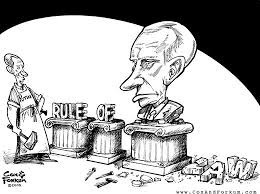
8The principle of legality
- ACase law : under state control of laws that embodies the state to have overruling constitutional premise of how government should operate under law
- Bcommon law: under state control of laws that embodies the state to have overruling constitutional premise of how government should operate under law
- Cthe rule of law: under state control of laws that embodies the state to have overruling constitutional premise of how government should operate under law
9The principle of non-retroactivity
- AArticle 9 ECHR: right to be held innocent until proven guilty
- BArticle 7 ECHR: right to be held innocent until proven guilty
- CArticle 8 ECHR: right to be held innocent until proven guilty
10The Thin ice principle

- ADeveloped in the case of R v Dear 1992, where defendant attempted to have forcible intercourse with wife, matrimonial rape existed as the courts decided the borderline of illegality of taking risk that behaviour be criminal
- BDeveloped in the case of Re A 1992, where defendant attempted to have forcible intercourse with wife, matrimonial rape existed as the courts decided the borderline of illegality of taking risk that behaviour be criminal
- CDeveloped in the case of R v R 1992, where defendant attempted to have forcible intercourse with wife, matrimonial rape existed as the courts decided the borderline of illegality of taking risk that behaviour be criminal
11Brown [1994]

- Aunjust to allow sado-machoist consent
- Binjust to allow sado-machoist into exception of consent
- Cunjust to allow sado-machoist into exception of consent
12Shaw v DPP

- Acorrupt public moral/ such offence never existed, living on the earnings of prostitutes (posted ads on directories)
- Bcorrupt private moral/ such offence never existed, living on the earnings of prostitutes (posted ads on directories)
13R v R
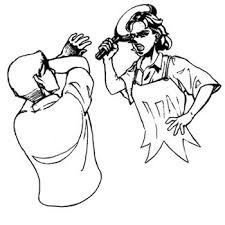
- Aforce rape of wife is not a crime of lack of consent
- Bforce rape of wife is a crime of lack of consent even in marriages
14SW & CR v UK
- Areasonable foreseeable criminally liable for rape
- Bunreasonable foreseeable criminally liable for rape
15Geddies 1996
- Aliable for criminal attempt as no mens rea performed
- Bliable for criminal attempt as no actus reus performed
16Fagan
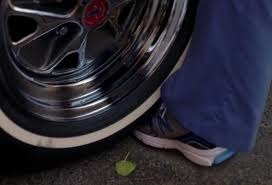
- Acontinuing act is an operating intent, until car door is removed from police foot
- Bcontinuing act is an operating intent, until car wheel is removed from police foot
17Thabo Meli

- AOne single transaction, one continuing act: mens rea no actus in the Hut but actus reus but no mens rea after throwing body in the cliff
- BOne single transaction, one continuing act: actus but no mens rea in the Hut but no actus reus but mens rea after throwing body in the cliff
18Le Brun
- Acontinuing act, wife is unconscious, dragged her body, skull was not fractured, and but getting hit by car
- Bcontinuing act, wife is conscious, dragged her body, skull was fractured, and died
- Ccontinuing act, wife is unconscious, dragged her body, skull was fractured, and died
19NHS v Bland
- Astopping treatment/ in a coma, lack consent: family wanted it to happen, omission and not an act
- Bstopping treatment/ in a coma, lack consent: family did not wanted it to happen, omission and not an act
- Cstopping treatment/ in a coma, lack consent: family wanted it to happen, act and not an omission
20R v Nicklinson
- Avoluntarily euthanasia, not possible defence for murder / starved to death
- Binvoluntarily euthanasia, not possible defence for murder / starved to death
21Gibbins v Proctor

- Amother and daughter special relationship, as the lethal injection killed her, did not seek help, liable due to relationship
- Bspecial relationship exists between father and child/ starved to death, duty of care
- Cfriend relationship exists between Gibbins v Proctor/ starved to death, duty of car
22Smith 1979
- Avoluntary assumption of responsibility/ duty to friend
- Bvoluntary assumption of responsibility/ duty to spouse (wife and husband)
- Cnon voluntary assumption of responsibility/ duty to spouse (wife and husband)
23Stone v Dobinson
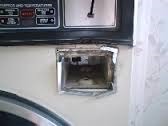
- Ain voluntarily assumption of responsibility, by taking her into their care (undertook responsibility)
- Bnon voluntarily assumption of responsibility, by taking her into their care (undertook responsibility)
- Cvoluntarily assumption of responsibility, by taking her into their care (undertook responsibility)
24Sinclair (James) 1998

- Avoluntarily assumption of responsibility by remaining with sister
- Bvoluntarily assumption of responsibility by remaining with mother
- Cvoluntarily assumption of responsibility by remaining with the friend
25R v Evans 2009

- Avoluntarily assumption of responsibility, duty of care to sister as she stayed with her when she die of insulin and drug overdose, did not seek medical help
- Bvoluntarily assumption of responsibility, duty of care to sister as she stayed with her when she die of alcohol poisoning, did not seek medical help
- Cvoluntarily assumption of responsibility, duty of care to sister as she stayed with her when she die of overdose, did not seek medical help
26R v Pittwood (1902)
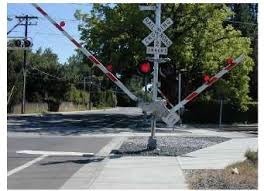
- Acontractual duty to lift gate down, as went on vacation, negligent did not perform duties of employment, liable of fault
- Bcontractual duty to lift gate up, as went on break, negligent did not perform duties of employment, liable of fault
- Ccontractual duty to lift gate down, as went on break, negligent did not perform duties of employment, liable of fault
27Miller (1983)
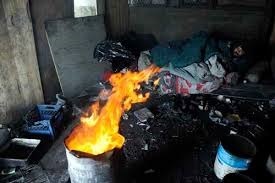
- Acreated a dangerous situation, failure to call fire brigade
- Bcreated a dangerous situation, failure to call ambulance
- Ccreated a safe situation, failure to call the police
28Kaitamaki (1985)
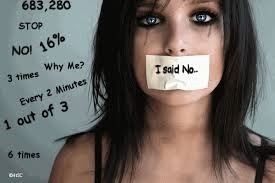
- Afailure to withdraw of the double act of sex intercourse, was rape as partial consent then withdrew consent
- Bfailure to withdraw of the continuing act of sex intercourse, was rape as partial consent then withdrew consent
- Cfailure to withdraw of the single act of sex intercourse, was rape as partial consent then withdrew consent
29White (1910)
- Aliable for attempt as the alcohol in the drink did not kill but the heart attack did
- Bliable for attempt as the poison in the drink did not kill but the heart attack did
30Dalloway (1847)
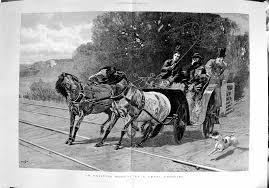
- Anot liable, act was more than minimal cause, if driven carefully unable to avoid the kid (holding onto the reins)
- Bliable, act was more than minimal cause, if driven carefully able to avoid the kid (holding onto the reins)
31R v Hughes (2013)
- Adriving was faultless, although induced weed, to contributed death
- Bdriving was faultless, although induced heroin, to contributed death
- Cdriving was faultless, although induced cocaine, to contributed death
32Re A (conjoined twins)
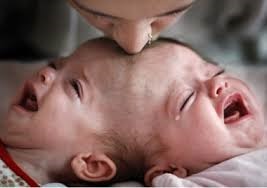
- Abest interest of the child, purpose was to save life of Sally, lesser of two evils, not liable for death, seem to preserved life rather to take it
- Bbest interest of the child, purpose was to save life of Jodies, lesser of two evils, not liable for death, seem to preserved life rather to take it
- Cbest interest of the child, purpose was to save life of Holly, lesser of two evils, not liable for death, seem to preserved life rather to take it
33Jordan (1956)

- Abrake in the chain of causation, medication caused death not the stab wound
- Bbrake in the chain of causation, stab wound caused death not the medication
- Cbrake in the chain of causation, surgery caused death not the stab wound
34Smith (1959)

- Astab wound was not an operating and substantial cause of death it was medication
- Bstab wound still be an operating and substantial cause of death and not medication
35Cheshire (1991)
- Acar crash was significant cause of death/ doctor negligence not alter this
- Bknife wound was significant cause of death/ doctor negligence not alter this
- CGun wound was significant cause of death/ doctor negligence not alter this
36Michael (1840)
- A5 year old boy was involuntary (innocent), legal causation, micheal brought poison, unintentionally to kill a baby, when the boy did the act instead, she was still liable for the act
- B5 year old boy was not voluntary (innocent), legal causation, micheal brought poison, intention to kill a baby, when the boy did the act instead, she was still liable for the act
37Pagett (1983)
- Apolice firing because he fired (used the girl as a human shield) was not voluntary liable, be charged of the girls death
- Bpolice firing because he did not fired (used the girl as a human shield) was voluntary liable, be charged of the girls death
38Empress Car (1999)
- Aact of vandalism is fact of life/ company is still liable to the pollution caused by public, as no real exceptional event
- Bact of vandalism is fact of life/ company is still liable to the pollution caused own employee, as no real exceptional event
39Roberts (1971)
- Ain reaction to D's wrongdoing of sexual advance, the reaction of jumping out of the car was reasonable foreseeable, as injury occurred,
There is no need to establish an intention or recklessness as to the level of force under s.47. It is sufficient to establish that the defendant had intention or was reckless as to the assault or battery. - Bin reaction to D's wrongdoing of sexual advance, the reaction of jumping out of the car was reasonable foreseeable, as injury occurred,
There is no need to establish an intention or recklessness as to the level of force under s.49. It is sufficient to establish that the defendant had intention or was reckless as to the assault or battery. - Cin reaction to D's wrongdoing of sexual advance, the reaction of jumping out of the car was reasonable foreseeable, as injury occurred,
There is no need to establish an intention or recklessness as to the level of force under s.45. It is sufficient to establish that the defendant had intention or was reckless as to the assault or battery.
- Ain reaction to D's wrongdoing of sexual advance, the reaction of jumping out of the car was reasonable foreseeable, as injury occurred,
40Williams v Davis (1995)

- Asuppose threat in deciding foreseeability of harm (rob, 10 km, died)
the fact that in the agony of the moment he might act without proper thought, then it would not break the chain of causation. - Bsuppose threat in deciding foreseeability of harm (rob, 30 km, died)
the fact that in the agony of the moment he might act without proper thought, then it would break the chain of causation.
- Asuppose threat in deciding foreseeability of harm (rob, 10 km, died)
41R v Kennedy (No 2)
- Aself-injecting a drug and dies is not a voluntarily self-administer act as the act of giving the drug was recklessness
- Bself-injecting a drug and dies is a free and voluntarily self-administer act
42Dear (1996)

- Awound was the operating and substantial cause of death, liable for crime
- Bwound was not operating and substantial cause of death, not liable for crime
43Hayward (1908)
- Aliable for reckless manslaughter, applied the thin skull rule, reasonable person would not die if circumstances were never to arose
- Bliable for constructive manslaughter, applied the thin skull rule, reasonable person would not die if circumstances were never to arose
- Cliable for negligent manslaughter, applied the thin skull rule, reasonable person would not die if circumstances were never to arose
44Blaue (1975)

- Astill operating cause of death, take the victim as you find them, devote catholic believer refused blood transfusion
- Bstill operating cause of death, take the victim as you find them, Jehovah witness refused blood transfusion
45Woolin (1999)

- Afather threw 3 year old baby out as it was being naughty
death or harm was a virtual certainty as an unforeseen event occurred of D's act, d appreciate as the case
must have realised and appreciated when he threw that child that there was a substantial risk that he would cause serious injury to it, then it would be open to you to find that he intended to cause injury to the child and you should convict him of murder - Bfather threw 3 year old baby out as it was crying
death or harm was a virtual certainty as an unforeseen event occurred of D's act, d appreciate as the case
must have realised and appreciated when he threw that child that there was a substantial risk that he would cause serious injury to it, then it would be open to you to find that he intended to cause injury to the child and you should convict him of murder
- Afather threw 3 year old baby out as it was being naughty
46Steane (1947)
- Abroadcast for the Soviets (enemy) for the purpose to save his captured family, no virtual certain to help enemy, only an oblique intention not direct intention
- Bbroadcast for the Nazis (enemy) for the purpose to save his captured family, no virtual certain to help enemy, only an oblique intention not direct intention
47Cunningham (1975)
- Aripping the vault from wall in order to steal money but caused the death of two elderly couple next door was held to be not guilty
whether D foresaw that the removal of the gas meter might cause injury to someone but nevertheless removed it
reckless test: 1)foresight risk 2) decision to not take risk 3) risk was unjustifiable - Bripping the gas meter from wall in order to steal money but caused the death of two elderly couple next door was held to be not guilty
whether D foresaw that the removal of the gas meter might cause injury to someone but nevertheless removed it
reckless test: 1)foresight risk 2) decision to take risk 3) risk was unjustifiable
- Aripping the vault from wall in order to steal money but caused the death of two elderly couple next door was held to be not guilty
48Briggs (1977)
- AMen is reckless when carried deliberate act knowing risk would cause damage as a result/ nevertheless continue performance
appropriation test: 1) appropriation" occurs where the relevant act is committed by the victim albeit as a result of deception. 2) appropriation; word which connotes a physical act rather than a more remote action triggering the payment which gives rise to the charge. - BMen is not reckless when carried deliberate act knowing risk would cause damage as a result/ nevertheless continue performance
theft test: 1) appropriation" occurs where the relevant act is committed by the victim albeit as a result of deception. 2) appropriation; word which connotes a physical act rather than a more remote action triggering the payment which gives rise to the charge.
- AMen is reckless when carried deliberate act knowing risk would cause damage as a result/ nevertheless continue performance
49Stephenson (1979)
- Amen has hyperglycemie, subjective test D did not foresee a risk of damage and therefore not liable
- Bmen has schizophrenic, subjective test D did not foresee a risk of damage and therefore not liable
50Parker (1977)
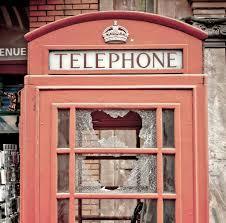
- AD smashed a telephone box in anger at not being able to make a call.
test: did not know some risk occurred, deliberately closing the mind to the obvious, that damage in these circumstances was inevitable - BD smashed a post box in anger at not being able to make a call.
test: did know some risk occurred, deliberately closing the mind to the obvious, that damage in these circumstances was inevitable
- AD smashed a telephone box in anger at not being able to make a call.
51Caldwell (1982) overruled to R v G of recklessness test
- Astarted fire to the hotel, was mental incapable
obvious risk as acted caused relevant consequences / not given any thought of risk but carried out nonetheless
recklessness: A person is reckless as to whether property is destroyed or damaged where:
(1) he does an act which in fact creates an obvious risk that property will be destroyed or damaged and
(2) when he does the act he either has not given any thought to the possibility of there being any such risk or has recognised that there was some risk involved and has nonetheless gone on to do it. - Bstarted fire to the hotel, was a diabetic
obvious risk as acted caused relevant consequences / not given any thought of risk but carried out nonetheless
recklessness: A person is reckless as to whether property is destroyed or damaged where:
(1) he does an act which in fact creates an obvious risk that property will be destroyed or damaged and
(2) when he does the act he either has not given any thought to the possibility of there being any such risk or has recognised that there was some risk involved and has nonetheless gone on to do it. - Cstarted fire to the hotel, was intoxicated
obvious risk as acted caused relevant consequences / not given any thought of risk but carried out nonetheless
recklessness: A person is reckless as to whether property is destroyed or damaged where:
(1) he does an act which in fact creates an obvious risk that property will be destroyed or damaged and
(2) when he does the act he either has not given any thought to the possibility of there being any such risk or has recognised that there was some risk involved and has nonetheless gone on to do it.
- Astarted fire to the hotel, was mental incapable
52Elliot v C (1983)
- Astarted a fired to keep warm
if risk is obvious to reasonable prudent person, no thought to appreciate risk as the person had limited intelligence and was 14 years old - Bstarted a fired to keep warm
if risk is obvious to reasonable prudent person, no thought to appreciate risk as the person had highintelligence and was 13 years old
- Astarted a fired to keep warm
53R v G & another (2003) :
two boys (11 & 12) went out camping without parents permission, they found newspaper in a bin and lit them on fire of the wheely, caused 1 Million pounds of damage
The appropriate test of recklessness for criminal damage is:
"A person acts recklessly within the meaning of section 1 of the Criminal Damage Act 1971 with respect to -
(i) a circumstance when he is aware of a risk that it exists or will exist;
(ii) a result when he is aware of a risk that it will occur; (stupid, lack imagination)
and it is, in the circumstances known to him, unreasonable to take the risk."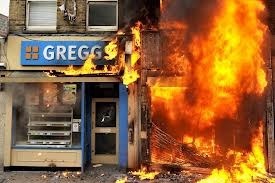
- AVerdadeiro
- BFalso
Informações
- Descrição
- Law (Criminal law) Quiz sobre Criminal law Introduction , criado por richard.w2020 em 20-03-2015.
- Autor
- richard.w2020
- Idioma
- English
- Visualizações
- 10
- Etiquetas
- Avaliação
- Ainda sem avaliações Avalie este quiz