
Quiz
Eukaryotic and Prokaryotic Cells
Este quiz tem tipos de pergunta que abrem no player de sempre.
Perguntas do quiz (19)
1Label the eukaryotic animal cell.
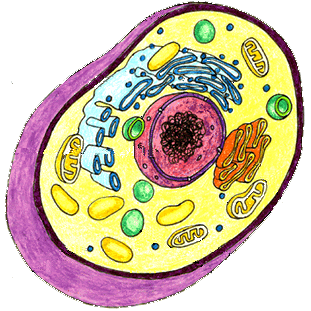
- ANucleolus
- BRough endoplasmic reticulum
- CSmooth endoplasmic reticulum
- DMitochondrion
- ERibosome
- FGolgi apparatus
- GMembrane-bound vesicle
- HNuclear envelope
- ICell surface membrane
- JCytoplasm
- KNucleolus
- LRough endoplasmic reticulum
- MSmooth endoplasmic reticulum
- NMitochondrion
- ORibosome
- PGolgi apparatus
- QMembrane-bound vesicle
- RCell surface membrane
- SCytoplasm
- TNucleolus
- UCytoplasm
- VGolgi apparatus
- WSmooth endoplasmic reticulum
- XMembrane-bound vesicle
- YMitochondrion
- ZCell surface membrane
- AAMitochondrion
- ABMembrane-bound vesicle
- ACRough endoplasmic reticulum
- ADSmooth endoplasmic reticulum
- AENucleolus
- AFNuclear envelope
- AGCell surface membrane
- AHMitochondrion
- AIMembrane-bound vesicle
- AJCytoplasm
- AKRibosome
- ALGolgi apparatus
- AMCell surface membrane
- ANSmooth endoplasmic reticulum
- AOMembrane-bound vesicle
- APMitochondrion
- AQCell surface membrane
- ARRibosome
- ASCytoplasm
- ATNuclear envelope
- AURough endoplasmic reticulum
- AVNuclear envelope
- AWMembrane-bound vesicle
- AXRibosome
- AYCytoplasm
- AZSmooth endoplasmic reticulum
- BACell surface membrane
- BBGolgi apparatus
- BCRough endoplasmic reticulum
- BDCytoplasm
- BEMitochondrion
- BFNucleus
- BGNuclear envelope
- BHSmooth endoplasmic reticulum
- BIRibosome
- BJGolgi apparatus
- BKSmooth endoplasmic reticulum
- BLRough endoplasmic reticulum
- BMNucleolus
- BNGolgi apparatus
- BOMembrane-bound vesicle
- BPCell surface membrane
- BQCytoplasm
- BRNuclear envelope
- BSRibosome
- BTNucleus
- BUMitochondrion
- BVSmooth endoplasmic reticulum
- BWCell surface membrane
- BXMembrane-bound vesicle
- BYGolgi apparatus
- BZNuclear envelope
2Label the eukaryotic plant cell.
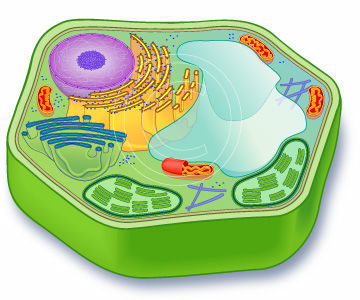
- AChloroplast
- BMitochondrion
- CNucleolus
- DCell surface membrane
- ECell wall
- FRough endoplasmic reticulum
- GSmooth endoplasmic reticulum
- HCytoplasm
- ICell wall
- JCytoplasm
- KNuclear envelope
- LChloroplast
- MVacuole
- NRough endoplasmic reticulum
- OGolgi apparatus
- PCell surface membrane
- QRibosome
- RChloroplast
- SGolgi apparatus
- TNucleolus
- UMitochondrion
- VRough endoplasmic reticulum
- WNucleolus
- XNuclear envelope
- YCell wall
- ZCell surface membrane
- AAChloroplast
- ABMitochondrion
- ACSmooth endoplasmic reticulum
- ADRough endoplasmic reticulum
- AENuclear envelope
- AFGolgi apparatus
- AGMitochondrion
- AHRibosome
- AIChloroplast
- AJCytoplasm
- AKVacuole
- ALVacuole
- AMVacuole
- ANVacuole
- AONucleolus
- APNuclear envelope
- AQGolgi apparatus
- ARCytoplasm
- ASMembrane-bound vesicle
- ATCell wall
- AUCell surface membrane
- AVMitochondrion
- AWRough endoplasmic reticulum
- AXSmooth endoplasmic reticulum
- AYChloroplast
- AZGolgi apparatus
- BACytoplasm
- BBVacuole
- BCCell surface membrane
- BDRough endoplasmic reticulum
- BESmooth endoplasmic reticulum
- BFChloroplast
- BGMitochondrion
- BHCytoplasm
- BINuclear envelope
- BJCell wall
- BKSmooth endoplasmic reticulum
- BLVacuole
- BMCytoplasm
- BNChloroplast
- BOGolgi apparatus
- BPCell wall
- BQNucleolus
- BRNuclear envelope
- BSGolgi apparatus
- BTCell wall
- BUVacuole
- BVNucleolus
- BWNuclear envelope
- BXMitochondrion
- BYSmooth endoplasmic reticulum
- BZRough endoplasmic reticulum
3The role of the Golgi apparatus is to...
- ATransport vesicles and other cellular structures around the cell.
- BMaintain constant pH within the cell.
- CModify and package proteins and polypeptides as part of the secretory pathway.
- DMetabolise carbohydrate substrates such as sugar to generate energy in the form of ATP.
4The role of mitochondria is...
- ATo generate energy in the form of ATP from carbohydrate substrates during respiration.
- BTo use carbon dioxide and light to photosynthesise and generate organic substrates.
- CTo make polypeptides based off mRNA.
- DTo transport amino acids to ribosomes for protein synthesis.
5A ribosome...
- AIs the site of protein synthesis.
- BCan be found inside a mitochondrion or chloroplast.
- CIs light-sensitive.
- DIs the site of respiration.
6Which of the following are membrane-bound organelles? Check all that apply.
- AMitochondrion
- BChloroplast
- CVesicle
- DNucleus
- ENucleolus
- FRibosome
7The [blank_start]nucleus[blank_end] is sometimes called the 'control centre' of the cell. It contains most of the [blank_start]genetic material[blank_end] in the cell, stored in [blank_start]chromosomes[blank_end] in the [blank_start]nucleolus[blank_end]. This [blank_start]DNA[blank_end] stores genes which provide instructions to the cell on which [blank_start]proteins[blank_end] to make and how to make them.
- Anucleus
- Bcytoplasm
- Cmitochondrion
- Dgolgi apparatus
- Egenetic material
- Fcarbohydrate
- Gwater
- Henzymes
- Ichromosomes
- Jvesicles
- Kribosomes
- Lthe vacuole
- Mnucleolus
- Ncytoplasm
- Omitochondria
- Pmembrane-bound organelle
- QDNA
- RmRNA
- StRNA
- TrRNA
- Uproteins
- Vcells
- WATPs
8Which of these statements are true about the rough endoplasmic reticulum? Select all that apply.
- ARibosomes present
- BLarge surface area
- CMain site of respiration
- DPlays a role in the secretory pathway
- EUsually close to nucleus
- FPart of the cell surface membrane
9Which of these statements are true about the smooth endoplasmic reticulum? Select all that apply.
- ALarge surface area
- BRibosomes present
- CSite of lipid metabolism
- DStores genetic material
- EModifies and packages proteins/polypeptides
- FSynthesises cholesterol and lipids
- GConsists of membrane-bound sacs called 'cisternae'
10Which of these statements are FALSE with regards to lysosomes? Select all that apply.
- AAbsent in phagocytic cells
- BContain hydrolytic enzymes
- CCompartmentalise enzymes
- DMembrane-bound
11[blank_start]Chloroplasts[blank_end] are [blank_start]double[blank_end] membrane-bound organelles that are found only in plant cells and some [blank_start]protoctists[blank_end]. They are responsible for [blank_start]photosynthesis[blank_end], a process which turns [blank_start]carbon dioxide[blank_end] and [blank_start]water[blank_end] into [blank_start]glucose[blank_end] in the presence of sunlight. They give leaves their green colour. Within the chloroplast are [blank_start]thylakoids[blank_end], which are also membrane-bound, and stack together to form [blank_start]grana[blank_end] (single granum). The space surrounding the grana is called the [blank_start]stroma[blank_end]. [blank_start]Starch grains[blank_end] are also found in chloroplasts as they are the resulting product of photosynthesis.
- AChloroplasts
- BMitochondria
- CNuclei
- DRibosomes
- Edouble
- Fsingle
- Gtriple
- Hnon
- Iprotoctists
- Jfungi
- Kanimals
- Lviruses
- Mphotosynthesis
- Ncell replication
- Orespiration
- Phydrolysis
- Qcarbon dioxide
- Roxygen
- Ssugar
- Tlipids
- Uwater
- Vhydrogen peroxide
- Wcholesterol
- Xglucose
- Ymagnesium
- Zglycogen
- AAwater
- ABthylakoids
- ACcisternae
- ADribosomes
- AEgrana
- AFgranae
- AGgrania
- AHgranums
- AIstroma
- AJcytoplasm
- AKlumen
- ALStarch grains
- AMProteins
- ANAmino acids
- AOLysosomes
12Which of these statements are true about ribosomes? Select all that apply.
- AConsist of three sub-units
- BMade of rRNA
- CFound on SER and in cytoplasm
- DMade in the nucleolus
- ESite of protein synthesis
13Centrioles are...
- ATwo bundles of microtubules at right angles
- BTwo parallel bundles of microtubules
- CNot involved in cell division
- DPredominant in chloroplasts
14The [blank_start]cytoskeleton[blank_end] is responsible for cell support, movement, and shape. It also plays a role in the [blank_start]transport[blank_end] of organelles and other materials around the inside of the cell. It consists of microtubules (made of [blank_start]tubulin[blank_end]) and microfilaments (made of [blank_start]actin[blank_end]), as well as intermediate [blank_start]filaments[blank_end]. [blank_start]Cilia[blank_end] and undulipodia are made of [blank_start]microtubules[blank_end], which also form mitotic [blank_start]spindle[blank_end].
- Acytoskeleton
- Btransport
- Ctubulin
- Dactin
- Efilaments
- FCilia
- Gmicrotubules
- Hspindle
15Which of the following features appear in both eukaryotic and prokaryotic cells?
- APlasma membrane
- BCytoplasm
- CRibosomes
- DNuclear envelope
- EGolgi apparatus
- FRough endoplasmic reticulum
16Which of the following features are unique to eukaryotic cells (absent in prokaryotic cells)?
- AMembrane-bound organelles
- BMitochondria
- CDNA
- DCytoplasm
- E80s Ribosomes
- FCentrioles
- GCytoskeleton
17Which of the following features are unique to prokaryotic cells?
- APlasmids
- B70s Ribosomes
- CPlasma membrane
- DFlagella
- EWaxy capsule
18[blank_start]Viruses[blank_end] are non-living particles that often require [blank_start]a host[blank_end] in which to survive. Examples include [blank_start]HIV[blank_end] and [blank_start]influenza[blank_end]. Despite being [blank_start]acellular[blank_end], they still contain DNA and RNA and exist within a capsid.
- AViruses
- BProtoctists
- CBacteria
- DAmoeba
- Ea host
- Fwater
- Gagar
- Ha sterile environment
- IHIV
- Jtuberculosis
- Ksalmonella
- Linfluenza
- Mtetanus
- NMRSA
- Oacellular
- Psmall
- Qsexually replicating
19The main function of the cell wall is...
- AStrength and support
- BProtein synthesis
- CStore water and solutes
Informações
- Descrição
- Biology (Cell Structure) Quiz sobre Eukaryotic and Prokaryotic Cells, criado por Daniel Brand em 09-02-2017.
- Autor
- Daniel Brand
- Idioma
- English
- Visualizações
- 3.968
- Histórico
- Criado em 9 fev 2017 · atualizado em 3 abr 2017
- Etiquetas
- Avaliação
- Ainda sem avaliações Avalie este quiz