
Quiz
Body Systems
Este quiz tem tempo limite, por isso abre no player de sempre.
Perguntas do quiz (68)
1Eukaryotes Cell, is what?
- AA cell with a nucleus
- BA cell without a nucleus
- CAn organism with more than one cell (also known as multi-cellular)
2What are the classifications of an animal? (What must an organism have or do to be classified in Kingdom Animalia?)
- AMotility
- BProduce waste
- CComplex
- DHeterothrophic
- ECellular respiration
- FMulti-cellular
- GEukaryotic cells
- HUses energy
- ISpecialized tissues
3The cellular respiration formula is [blank_start]C6H12O2+O2--->CO2+H2O+Energy[blank_end]
- AC6H12O6+O2--->CO2+H2O+Energy
- BC6H6O6+O2--->CO2+H2O+Energy
- CC12H6O6+O2--->CO2+H2o+Energy
4The further from the surface cells the faster diffusion occurs
- AVerdadeiro
- BFalso
5What is a solution for an organism with more volume than surface area... [blank_start]Efficient exchange sites[blank_end] and [blank_start]distribution tissues[blank_end]
- AEfficient exchange sites
- BBecome smaller
- CIncrease the rate of diffusion
- Ddistribution tissues
- EOne type of cell throughout
- FBringing vital organs towards the skin
6How many Cilia are there?
- AIn the 1'000s
- BIn the 1'000'000s
- CIn the 100'000s
7What does the epiglottis do?
- APrevents food from entering the trachea and minimizing the amount of air entering the esophgus
- BPrevents food from entering the esophagus and minimizing the amount of air entering the trachea
- CHelps the vocal chords stay lubricated
- DDangles in the back of the through to help you cough up foreign matter
8Label
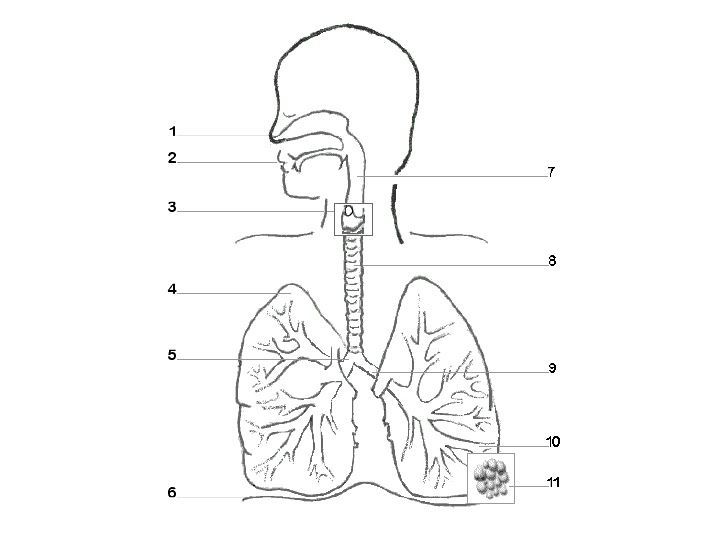
- ANasal Cavity
- BMouth
- CTrachea
- DPharnyx
- ELarnyx
- FBronchi
- GAlveoli
- HBronchioles
- ILung
- JDiaphragm
- KThoracic cavity
9How many aveoli are there?
- A100 Million
- B400 Million
- C200 Million
- D300 Million
- E10'000
- F30'000
- G100'000
10Ribs surround the lungs and heart for [blank_start]protection[blank_end]
- Aprotection
11What is the main function of the nasal cavity?
- AFilter air before entering the lungs
- BFor scent
12What is the function of the Bronchioles?
- ATo Bring oxygen from the bronchi to the lungs
- BBring oxygen from the trachea to the lungs
- CBring oxygen from the Bronchi to the aveoli
- DBring oxygen from trachea to the aveoli
- EBring oxygen from the aveoli to the lungs
13Thoracic cavity pressure is [blank_start]around the lungs[blank_end] and Atmospheric pressure is [blank_start]in the lungs[blank_end]
- Aaround the lungs
- Bin the lungs
- Cin the lungs
- Daround the lungs
14When you inhale your diaphragm [blank_start]contracts[blank_end] and your rib cage [blank_start]relaxes[blank_end]
- Acontracts
- Brelaxes
- Crelaxes
- Dcontracts
15Tidal Capacity is when a [blank_start]normal inhale[blank_end] and [blank_start]normal exhale[blank_end] is performed
- Anormal inhale
- Bfull inhale
- Cnormal exhale
- Dfull exhale
- Erest exhale
- Frest inhale
16Residual volume is the volume left after
- Afull inhale
- Bfull exhale
- Cnormal inhale, normal exhale
- Dfull inhale, full exhale
17Measuring lung capacity measures air expelled
- AVerdadeiro
- BFalso
18Drag the lung capacity term to the according spot
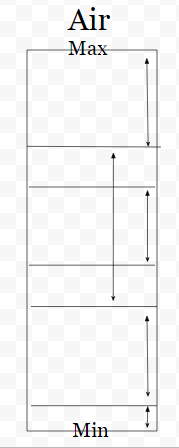
- AInspiratory reserve
- BVital
- CTidal capacity
- DExpiratory reserve
- EResidual volume
19Cellular respiration is
- Aa way to obtain energy from external sources
- Ba chemical recation
- Ca requirement for any organism to survive
- Doccurring in the Mitochondria
- Eoccurring in the endoplasmic reticulum
- Fa way to change energy sources into easy and accessible ones
20Complex organisms have specialized locations to exchange gasses which... (4 answers)
- Aare thin
- Bmust stay moist
- CHave a high SA for maximum diffusion
- Dare either external gills or internal lungs
- Emust be dense
- FTransparent
21The diaphragm is what shape?
- ACircular
- BDome-shaped
- CRectangle-ish
- DCylindrical
22There are [blank_start]2[blank_end] bronchi
- A2
- B1
- C30'000
- D480 Million
- E100'000
23Every person has two nasal cavities
- AVerdadeiro
- BFalso
24How long are cilia on average?
- A1cm
- B1-10micrometre
- C<1micrometre
- D1-10cm
25Schematic Digestive system

- AMouth
- BStomach
- CEsophagus
- DLiver
- EGall Bladder
- FPancreas
- GPancreatic duct
- HBile duct
- ISmall intestine
- JAppendix
- KLarge intestine
- LAnus
- MGall bladder duct
- NLiver duct
26Proteins begin breaking down in the mouth
- AVerdadeiro
- BFalso
27Carbohydrates begin to break down in the mouth
- AVerdadeiro
- BFalso
28Fats begin to break down in the mouth
- AVerdadeiro
- BFalso
29The digestive system can be compared to a [blank_start]donut[blank_end]
- Adonut
30Show the Monemer and the Polymer
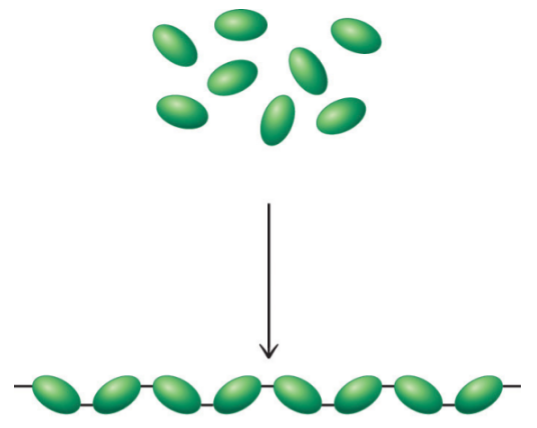
- AMonemer
- BPolymer
31[blank_start]Starch[blank_end] is a polymer and [blank_start]Glucose[blank_end] is a monemer
- AStarch
- BGlucose
- CGlucose
- DStarch
32Olive oil is a
- ASaturated fat
- BUnsaturated fat
33Another word for polymer is [blank_start]Macromolecule[blank_end]
- AMacromolecule
34Carbon compounds are needed for [blank_start]energy[blank_end]
- Aenergy
35[blank_start]Amylose[blank_end] is broken down by [blank_start]Amylase[blank_end] (carbohydrate) in the mouth
- AAmylose
- BAmylase
36Show the path of Carbohydrates in the digestive system (the chemical names)
- AAmylose
- BMaltose
- CAbsorbed into blood stream
- DAmylase
- EMaltase
37name the protein molecules that are broken down during the digestive process
- AQuaternary structures
- BPolypeptides
- CAmino acids
38Show the molecules that are broken down from fat in the digestive system
- Aemulsification
- BGlycerol
- CFatty acids
39The function [blank_start]peptidases[blank_end] breaks polypeptides into amino acids
- Apeptidases
40When glucose (once carbohydrates) is absorbed into the bloodstream it is
- AConverted to fat
- BStored in the liver
- CUsed for cellular respiration
- DUrinated
41Sugars stored in the liver are called [blank_start]gylcogen[blank_end]
- Aglycogen
42The hormone that raises your blood sugar is called [blank_start]glucagon[blank_end]
- Aglucagon
43[blank_start]Pepsin[blank_end] breaks Quaternary structures of proteins to polypeptides
- APepsin
44When amino acids (once proteins) are absorbed by the small intestine what are they used for?
- AEnergy
- BTo make new proteins
- CConverted to fat
- DStored in the liver
45Amylose is broken down into maltose and tastes [blank_start]sweet[blank_end]
- Asweet
46What type of molecule is this?
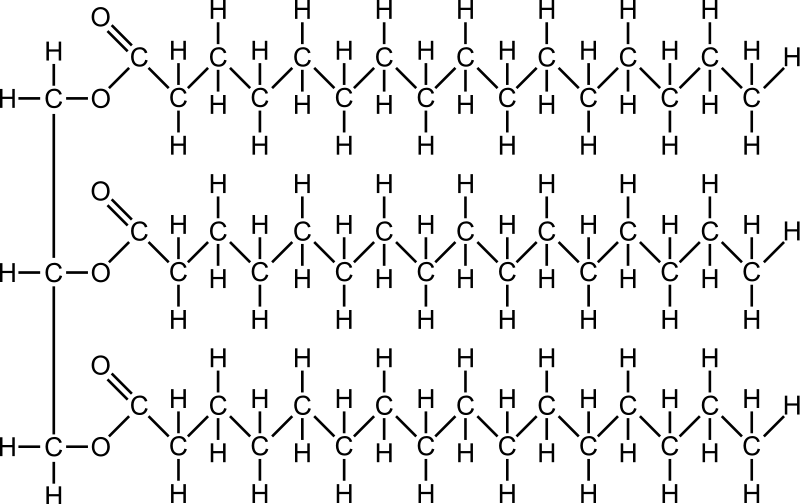
- AFat
47What type of molecule is this?
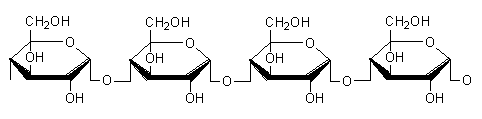
- ACarbohydrate
48What type of molecule is this?
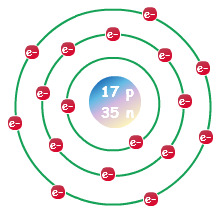
- AMineral
49What type of molecule is this?
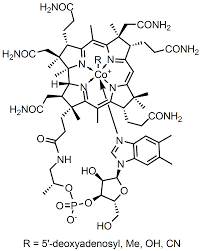
- AVitamin
50What type of molecule is this?
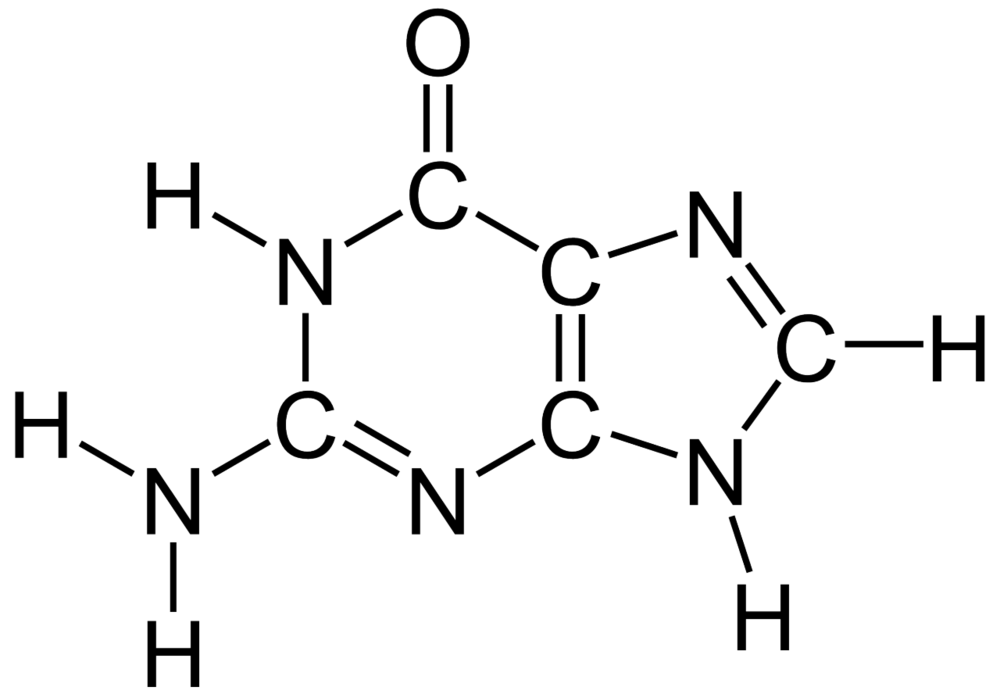
- AProtein
51Normal blood sugar is?
- A0.01%
- B0.1%
- C1%
- D10%
52Blood sugar that is too high is known as [blank_start]hyperglycema[blank_end]
- Ahyperglycema
- Bhypoglycema
53Insulin moves sugar [blank_start]to[blank_end] the liver and glucagon moves sugar [blank_start]from[blank_end] the liver.
- Ato
- Bfrom
- Cfrom
- Dto
54Where does insulin and glucagon come from?
- APancreas
- BGall bladder
- CLiver
55Why does the body need insulin in order for the sugar to be stored in the liver?
- ACells are not permeable for sugar and insulin is the key
- BInsulin and sugar react together and send signals to the liver
56Place the three parts of the small intestine in order, [blank_start]duodenum[blank_end], [blank_start]jejunum[blank_end], [blank_start]ileum[blank_end]
- Aduodenum
- Bjejunum
- Cileum
57Name the types of animal classes in alphabetical order. [blank_start]Amphibians[blank_end], [blank_start]Birds[blank_end], [blank_start]Fish[blank_end], [blank_start]Mammal[blank_end], [blank_start]reptile[blank_end]
- AAmphibians
- BBirds
- CFish
- DMammals
- Ereptiles
58Nutrients enter the body @ the [blank_start]small intestine[blank_end], Waste exit @ the [blank_start]kidney[blank_end], Oxygen enters and Carbon Dioxide exit @ the [blank_start]alveoli[blank_end]
- Asmall intestine
- Bkidney
- Calveoli
59What is the medium of the human circulatory system? [blank_start]Blood[blank_end]
- ABlood
60In an open system the fluid is not contained in tubes
- AVerdadeiro
- BFalso
61When the medium of the circulatory system is contained in the pathways or pipes it is called a [blank_start]closed system[blank_end]
- Aclosed system
62Lymph is [blank_start]extra cellular fluid between blood cells[blank_end]
- Aextra cellular fluid between blood cells
- Bcirculatory fluid of invertabrates
63The systemic system brings [blank_start]O2 to the tissues[blank_end] and the pulmonary system brings [blank_start]CO2 to the lungs[blank_end].
- AO2 to the tissues
- Bbrings CO2 to the lungs
- CCO2 to the lungs
- DO2 to the tissues
64The left side of the heart is [blank_start]oxygenated[blank_end] and the right side of the heart is [blank_start]deoxygenated[blank_end].
- Aoxygenated
- Bdeoxygenated
- Cdeoxygenated
- Doxygenated
65Label the circulatory system parts
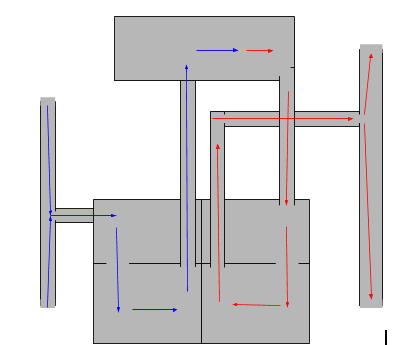
- ASuperior vena cava
- BInferior vena cava
- CRight Atrium
- Dright ventricle
- Eleft ventricle
- Fleft atrium
- Glung
- HAorta
- IPulmonary vein
66Label the Heart
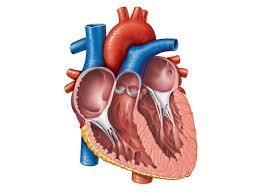
- Aaorta
- Bseptum
- Cright atrium
- Dleft atrium
- Eright ventricle
- Fleft ventricle
- Gleft pulmonary vein
- Hright pulmonary vein
- Iartery
- Jsuperior vena cava
- Kinferior vena cava
- Lleft pulmonary artery
- Mright pulmonary artery
67Which one(s) has a wall that is one cell thick?
- AVein
- BArtery
- CCapillaries
68The [blank_start]left[blank_end] atrium is more muscular
- Aleft
- Bright
Informações
- Descrição
- Respiratory, Circulatory and Digestive systems (Grade 11)
- Autor
- Kiera Miller
- Idioma
- English
- Visualizações
- 95
- Etiquetas
- Avaliação
- Ainda sem avaliações Avalie este quiz