
Quiz
More Nutrition
Este quiz tem tipos de pergunta que abrem no player de sempre.
Perguntas do quiz (81)
1What is a type 1 error?
- ARejecting the true null hypothesis. False positive
- BNot rejecting the false null hypothesis. False Negative
2Statistical power depends on?
- ASample Size
- BSize of Specimens
- CEffect Size
- DBackground Variation
- EPseudo-replication
- FSignificant level
3What are the 8 steps of Feed and Food Processing?
- ASearch, Detection, Decision, Orientation, Pursuit, Attack, Capture, Ingestion
- BSearch, Decision, Detection, Orientation, Pursuit, Attack, Capture, Ingestion
- CSearch, Detection, Decision, Pursuit, Orientation, Attack, Capture, Ingestion
- DSearch, Detection, Decision, Orientation, Pursuit, Capture, Attack, Ingestion
4In Aquaculture, what are some of the parameters that can effect feeding behavior?
- ATemp, Salinity, Light Intensity etc
- BSmell, loud music, wind speed etc
- Cturbidity, sex ratio, health etc
5A fish with high levels of Cones in their eyes and feeds during the day would be?
- AMesotopic
- BScotopic
- CPhotopic
6A scotopic fish has which characteristic?
- AHigh number of cones
- BHigh number of rods
7Ghrelin is an orexogenic neurohormone that is stimulated in the hypothalamic.
- AVerdadeiro
- BFalso
8Which of the following are Orexigenic Neurohormones?
- AGhrelin
- BMelanocotrine (POMC)
- CGalanin
- DAgouti-regulated protien
- EBBS - bombesin
- FCCK - gastrin
- GMelanin concentrating hormone (MHC)
- HNPY
9Which of the following are Anorexigenic neurohormones stimulated by the brain?
- ACCK - gastrin
- BMelanocortine
- CCART
- DBombesin
- ELeptin
- FGlucogen like peptide - GLP-1
- GTachykinins
- HCRF
10What does Ghrelin Control?
- AHomeostasis and consumption of food
- BColoration and Consumption of food
- CHomeostasis and Coloration
- DAll
11Where is NPY stimulated?
- AHypothalamus
- BStomach
- CNervous system
- DPancreas
- EDigestive Canal
- FLiver
12Galanin is produced in the brain and pituitary tissues?
- AVerdadeiro
- BFalso
13BBS is produced where?
- ACentral nervous system
- Bpancreas
- CCardiovascular system
- DLiver
- ESpleen
- FBrain
- GDigestive Canal
14CART interacts with which neurohormones?
- ACRF
- BGalanin
- CMCH
- DNPY
- EOrexins
- FAgouti-regulated protien
- GLeptin
15Ultradian Cycles are composed of more than one cycle per 24 hours?
- AVerdadeiro
- BFalso
16Circadian Cycles are composed of 2 cycles per 24 hours?
- AVerdadeiro
- BFalso
17Infradian cycles are composed of less than one cycle per 24 hours?
- AVerdadeiro
- BFalso
18A digestive system composing of a large stomach an small intestine belongs to ...
- AOmnivore
- BCarnivore
- CHerbivore
- DInsectivore
19A digestive system composing of a large stomach and a large intestine would belong to what?
- AHerbivore
- BCarnivore
- COmnivore
20Anticipatory feeding behaviour characteristics include;
- AFeeding anticipatory activity gradual appearance.
- BFeeding anticipatory activity mostly appeared during food deprivation.
- CDetected only after several feeding cycles.
- DDisappeared during ad libitum feeding.
- EThe restricted feeding increase the possibility for the fish to express food-anticipatory activity.
- FAll of the Above
21Signs of anticipatory feeding behavior include;
- ASwimming activity
- BAggression
- CLever-pressing behavior (if self fed)
- DShyness
- EAgnostic Behavior
- FSwimming and feeding activity rhythms are strongly influenced by feeding method.
22Synchronizing stimuli for feeding entrainment
- AMeal size and composition
- BAttractiveness of person feeding
- CEnergy content
- DFood restriction
- EHormone melatonin
- FTank colouration
23Feed Efficiency = wet weight / dry feed weight ?
- AVerdadeiro
- BFalso
24FCR = Dry feed weight / wet weight gain ?
- AVerdadeiro
- BFalso
25Protein efficiency ratio = 100 x (wet weight gain/ crude protein intake) ?
- AVerdadeiro
- BFalso
26Fill in the blanks for this growth, feed utilization chart
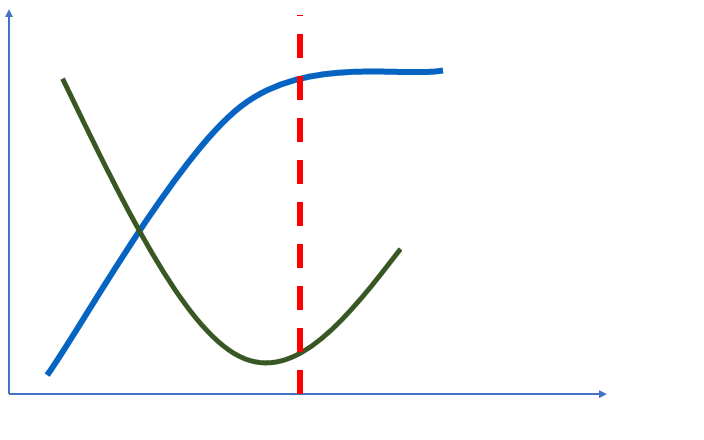
- AFeed Fish
- BFeed Losses
- CWt Gain
- DFeed gain ratio
- EFeed Supply
27Net protein ratio = (N gain in fish - N loss) / N Intake
- AVerdadeiro
- BFalso
28For every 1g of oxygen consumed, how many Kj of energy expenditure is recieved?
- A14
- B12.7
- C13.6
- D11
29Direct method for quantifying digestibility is: control of feed intake & collection of faecal losses corresponding to the amount eaten
- AVerdadeiro
- BFalso
30An inert marker for indirect quantification of digestibility must be:
- AWithout any physiological or behavioral effects
- Bneither absorbed or metabolised
- Csmall
- Dan appropriate color
- Eeasily and rapidly measured
31Indirect method of digestibility sampling relies on collection of representative samples of faeces. how is this done?
- AStripping/abdominal pressure
- BCollecting faeces from bottom of tank
- CDissection
- DAnal Suction
32Digestion variation: methodological factors to take into account
- ANumber of replicates
- Bfrequency of feed distribution
- CPalatibility
- DAdaptation time of fish
- EFish size
- FWater temperature
- GpH and salinity
- HIngestion levels
33Excess amino acids are stored in tissues in the body
- AVerdadeiro
- BFalso
34Different forms of Ammoniagenesis
- AUricolysis
- BUreagenesis
- CPurine Nucleotide breakdown
- DAmino acid catabolism: deamination and transdeamination
35Different forms of Ureagenesis
- AOrnithine Urine Cycle
- BPurine nucleotide breakdown
- CArginine Breakdown
- DUricolysis
- EAmino acid deamination
36Uricolysis

- AUric Acid
- BAllantoin
- CAllantoic acid
- DUrea and glyoxil acid
- ENH3
37Forms of N excretion in Vertebrates
- AUric Acid
- BUricotelic
- CAmmoniotelic
- DUrea
- EUreotelic
38Amino acid pools
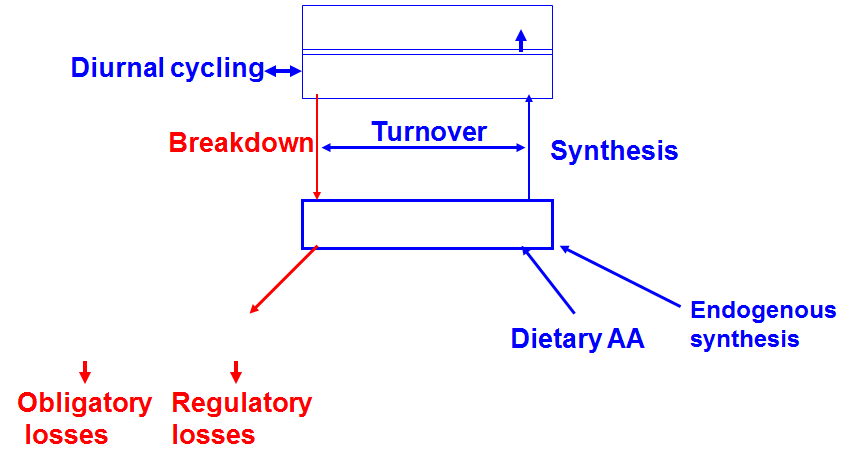
- AGrowth
- BBody Protein
- CFAA Pool
- DOxidation/Catabolism
39This isn't even a question... just look at it....
The answer is: Nutrition is lame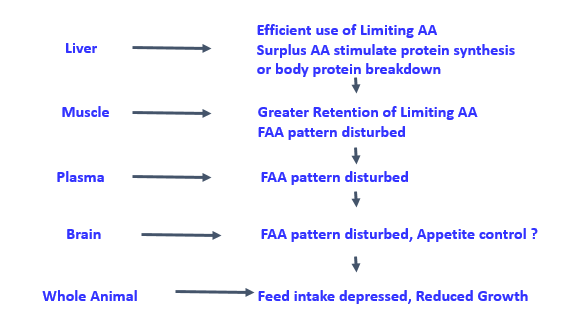
- ANutrition is lame
40Fate of Dietary Carbs
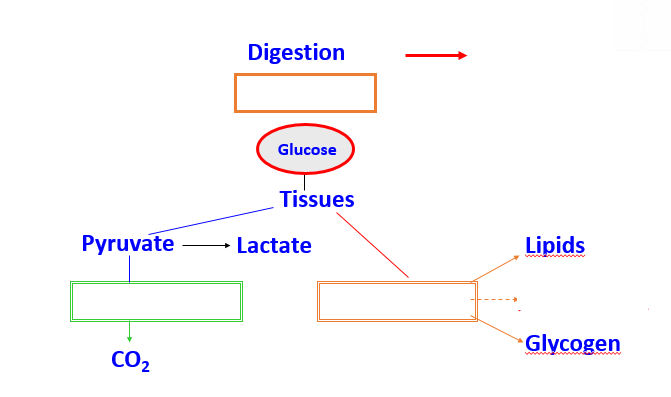
- AFaeces
- BAbsorption
- COxidation
- DSynthesis
- EAmino Acids
41Poor carb utilization in fish can lead to an intolerance to glucose, why?
- APoor feed quality
- BLow insulin release
- CFeed the wrong size
- DLow number of insulin receptors in muscle
- EAbsence of glucose transporters in muscle
- FNot enough starch
- GPoor regulation of hepatic glucose metabolism
4220:5(n-3) is what?
- ADHA
- BOleic acid
- CEPA
- DLinoleique
4322:6(n-3) is what?
- ALinolenique
- BEPA
- CDHA
- DPalmitic
44Fat soluble Vitamins are?
- AA
- BB6
- CC
- DD
- EE
- FB12
- GK
45Sites of synthesis and deposition for lipogenesis
- ASpleen and Liver
- BLiver and adipose tissue
- CMuscle and organs
- DLiver and Muscle
46Protein Sources in fish feed
- AMarine hydrolisates
- BStarch
- CAnimal processed by-products
- DPlant meals
- EAnimal Fat
- FFish meals
47Lipid sources in fish feeds
- AMarine oils - fish, krill etc
- BCereals
- CRapeseed, sunflower, soy
48Problems with soybean include:
- AHigh Price
- BLow in Met and Lys
- CPost-extrusion fat absorption
- DHigh ANFs
49Protein plant sources: processing benefits
- ABetter palatibility
- BFaster Sinking Rate
- CMore expansion potential for floating diets
- DReduced ingredient costs
- EApplicable at higher temps
- FMore binding potential for improved durability
50Characteristics of single celled proteins
- ACan consist of bacteria, yeasts, other fungi or algae
- BLow Price
- CLow in Met and Cys
- DEfficient process of eliminating nucleic acid as uric acid
51Starch is an important nutritional source in fish and provides expansion and improves binding and pellet durability
- AVerdadeiro
- BFalso
52The general problem with pigmentation in feed is the low retention rates
- AVerdadeiro
- BFalso
53Ways to reduce suspended matter?
- ABetter AA availability
- BChanging feeding methods and strategies
- CHigher P sources
- DQuality of feed ingredients
54Factors affecting voluntary feed intake:
- APigmentation
- BTemperature
- CPalatability
- DFish Size
55How to reduce N losses?
- AAdapt feed distribution to fish appetite
- BChoose proper protein sources to obtain an ideal dietary amino acid profile
- CMake pellets float better
- DOptimize phosphorus levels
56How to reduce phosphorus losses?
- AIncrease excess dietary P
- BFeed distribution should match fish appetite
- CUse dietary ingredients with high P bio-availability
- DIncrease binders
57Potential problems for implementing IMTA to reduce nutrients
- AFish might escape and eat other species
- BLegal issues with different species in one location etc
- CShellfish cannot take up organic nutrients
- DSeaweed isn't edible
58Of the 176 differently expressed genes, how many are involved in metabolism?
- A60%
- B52%
- C48%
- D57%
59Flesh lipid content, flesh n3 LC PUFA is found to be a highly heritable trait
- AVerdadeiro
- BFalso
60Arriana overall objectives:
- AReduce the overall cost of aquaculture production
- BDevelop sustainable alternative aquaculture feeds while reducing FM and FO
- CTo increase palatibility of feeds for European species
- DTo provide flexibility in the use of various ingredients in the formulation of feeds
61Reduction of fish meal and fish oil in feeds have no trans-generational effects
- AVerdadeiro
- BFalso
62Early feeding exposure can lead to changes in phenotype of adult fish
- AVerdadeiro
- BFalso
63We can prepare fish for novel feeds by Induction and persistency of an altered nutritional phenotype and exposure to a nutritional stimuli at early life stages of high metabolic plasticity
- AVerdadeiro
- BFalso
64Problems with increasing the use of "omics" technologies
- Aquantifying responses is difficult at the biological level
- BComparisons between species / studies are difficult
- CStudies to separate the effects of specific nutrients from those due to ingredients themselves are needed
65Reliable biomarkers are needed for:
- AIncreasing palatability
- BGrowth, Feed utilization / Nutrient utilization efficiency
- CMonitoring the effects of temperature on feed
- DAnalysis of biological consequences
66Dose Response Curve
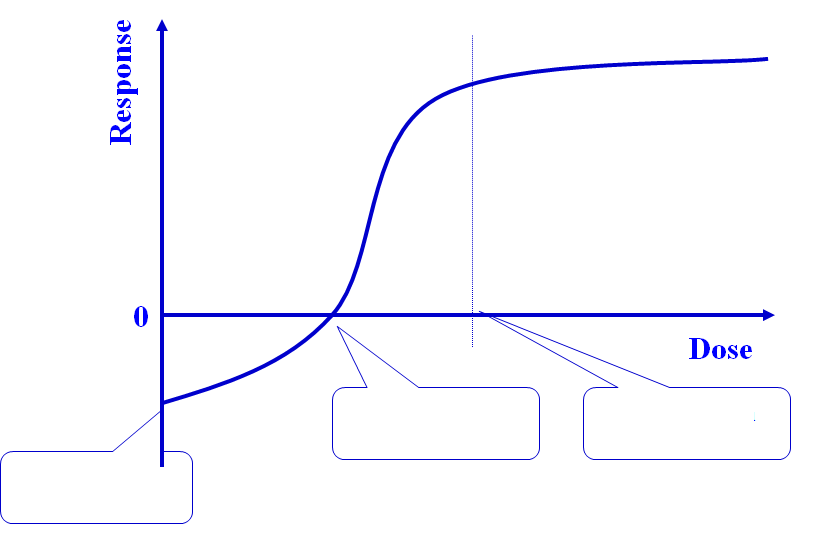
- AEndogenous Losses
- BMaintenance
- CMax Growth
67Nutrient/energy flow
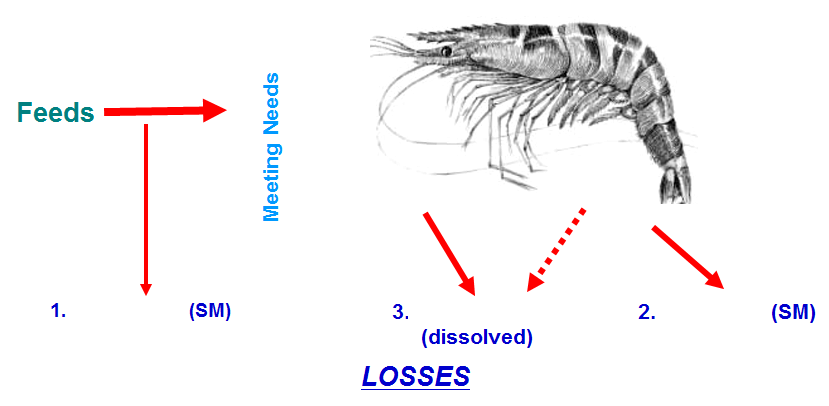
- AFeed Loss
- BMetabolic Loss
- CFaecal loss
68How to calculate growth prediction based on water temperature and body size in Shrimp
- ACalculate specific daily growth rate
- BEvaluate Thermal Unit Growth Coefficient
- CPredict weight gain
- DGuess
- EOther factors such as genotype, husbandry practices and feed quality
69Problems with shrimp nutrition
- AAffects pigmentation negatively
- BOur knowledge on nutrient requirements limited
- CShrimp don't like the taste
- DFeed technology and feeding strategies need further refinement
- ENeed to reduce the pressure on marine ingredients
70Benefits of using information technology in aquaculture
- AProduct looks better
- BLower Production costs
- CData can be shared with other companies
- DImproved operational efficiency
- EImproved product quality
71Benefits of Data Mining
- AHave data for immediate use
- BTransform data into knowledge, and use this knowledge to improve efficiency and increase profitability.
- CModels are based on historical data so very accurate
- DHelps companies to identify systematic relationships
72Label these people correctly
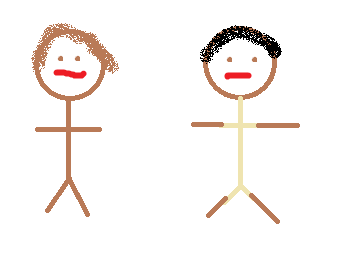
- AAndreas
- BDimos
73Assumptions of absolute growth rate AGR = (Wt-Wi) / t
- AAGR is the same regardless of fish size
- BLinear relationship between weight and time
- CAllows comparisons between treatments with fish of different initial sizes
- DAssumes that fish weight increases exponentially
74Assumptions of relative growth rate RGR = ((Wt-Wi) / Wi) x 100
- AAssumes that fish weight increases exponentially
- BThe length (L) - weight (W) relationship is W ∝ L3
- CRestricted to the length of time for which it was computed and cannot easily be converted to another time period
- DAllows comparisons between treatments with fish of different initial sizes
75Assumptions of specific growth rate SGR = ((lnWt - lnWi) / t) x 100
- AIs the same regardless of fish size.
- BAssumes that fish weight increases exponentially – useful for reporting the growth of small fish
- CRestricted to the length of time for which it was computed and cannot easily be converted to another time period
76Assumptions for Daily growth coefficient
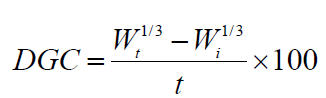
- AIs the same regardless of fish size.
- BGrowth in length is constant over time (i.e. L increases linearly over time).
- CAssumes that fish weight increases exponentially
- DThe length (L) - weight (W) relationship is W ∝ L3
77Assumptions for thermal growth coefficient
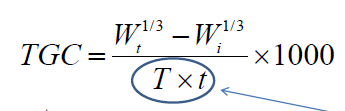
- AAllows comparisons between treatments with fish of different initial sizes
- BSimilar to DGC
- CCan be used to make predictions about how big a fish would be at different temperatures
- DLinear relationship between weight and time
- EGrowth increases in a steady and predictable manner with increasing temperature
78What is the Von Bertalanffy growth function ?
- A
- B
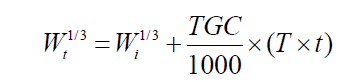
- C
- D

- A
79DEB Model

- AStructure
- BReproductive
80Energy fluxes in fish
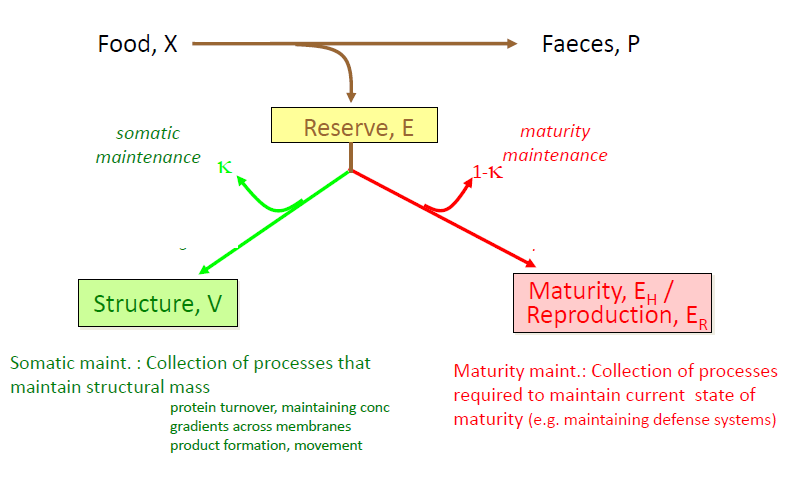
- AFeeding
- BDefecation
- CAssimilation
- DGrowth
- EDevelopment / Reproduction
81Principles of experimental design include
- ASize
- BReplication
- CPseudo-replication
- DBlinding
- ERandomization
- FTransparency
- GControls
Informações
- Descrição
- Biology Quiz sobre More Nutrition , criado por Freya Robinson em 27-06-2017.
- Autor
- Freya Robinson
- Idioma
- English
- Visualizações
- 46
- Etiquetas
- Avaliação
- 5,0 de 5 · 2 avaliações Avalie este quiz