
Quiz
Exam 1 Study Guide
Create a free account to finish this quiz
Save your progress and see your final score.
Already have an account? Sign in
Questions in this quiz (23)
1Mineral surface horizon, organic matter content usually > 25cm, base saturation > 50%
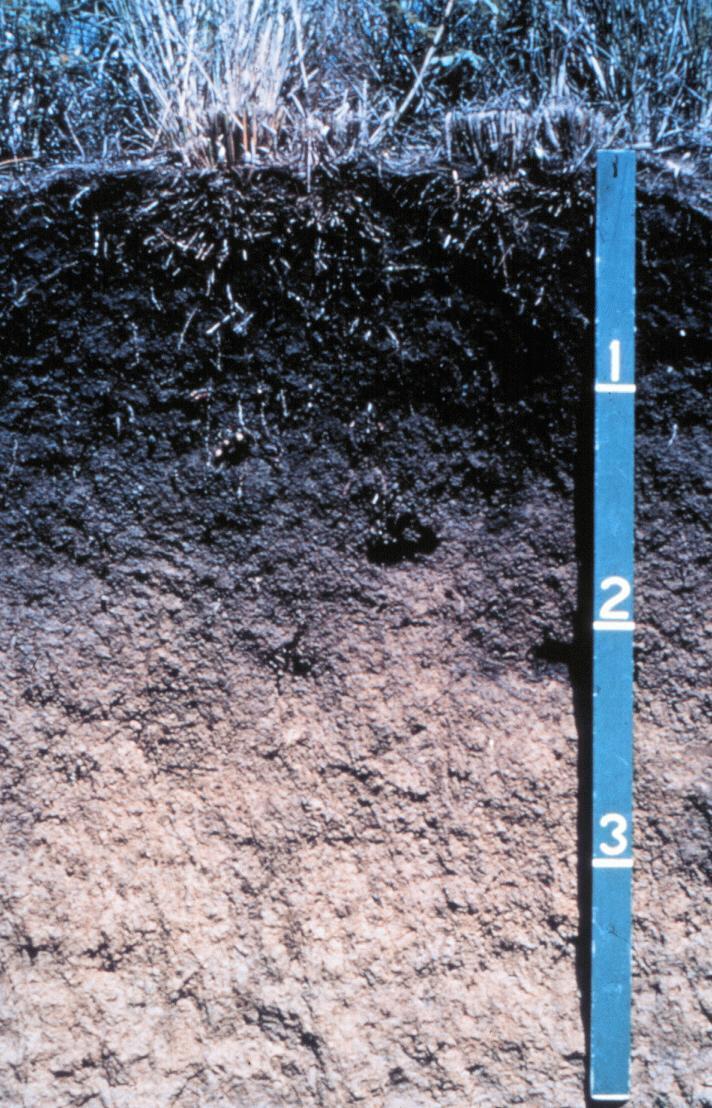
- AMollic
- BOchric
- CMelanic
- DHistic
- EUmbric
2Low organic matter content
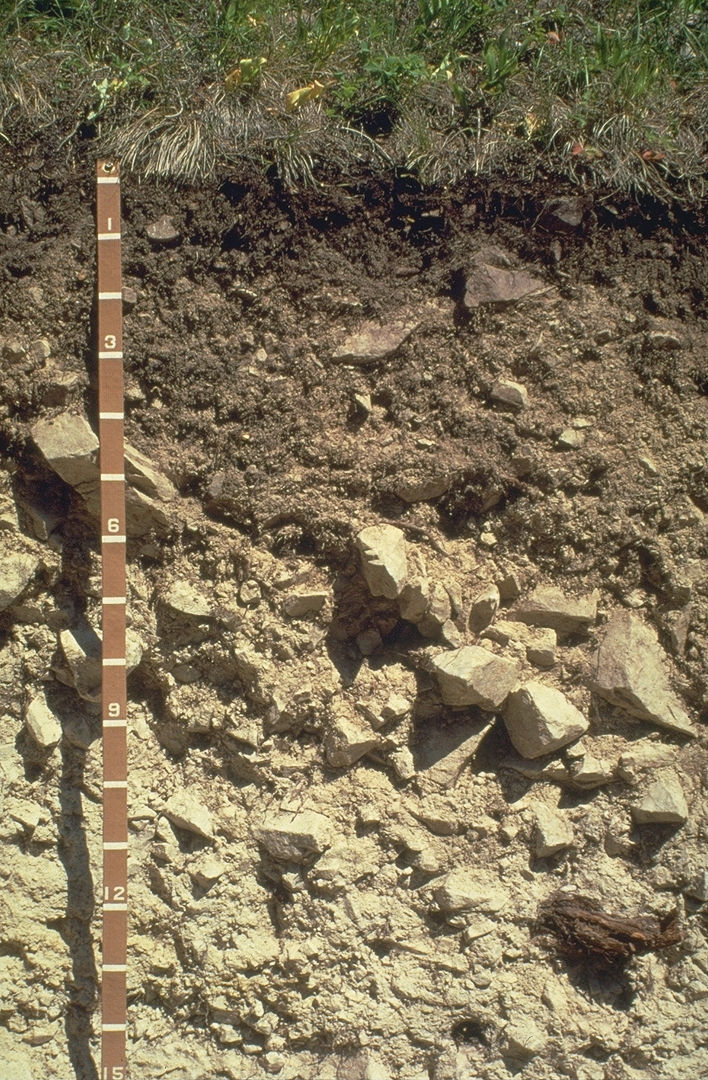
- AMollic
- BUmbric
- COchric
- DMelanic
- EHistic
3High in organic matter, high in humus content, and carbon > 6%
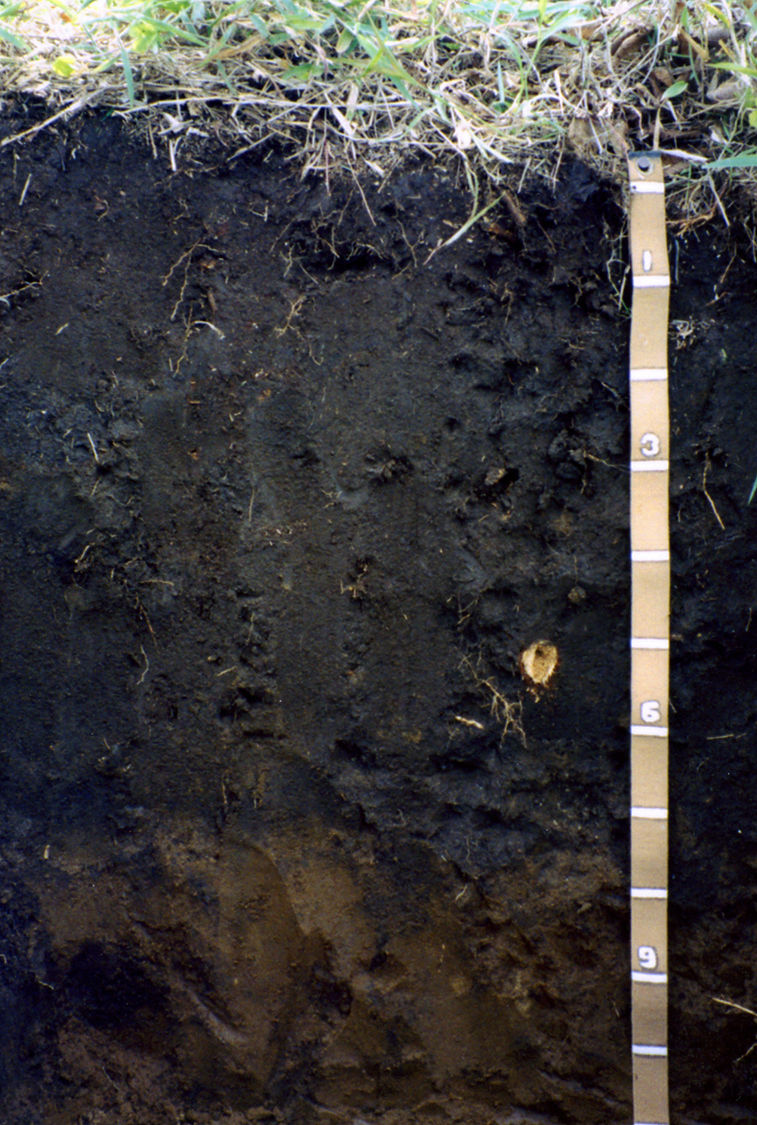
- AMollic
- BOchric
- CMelanic
- DHistic
- EUmbric
4Tend to form in wet places, organic matter accumulation
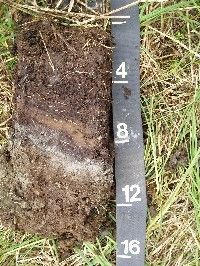
- AMollic
- BUmbric
- COchric
- DMelanic
- EHistic
5Similar to mollic, but base saturation is < 50 and develops where there is more rainfall
- AMollic
- BUmbric
- COchric
- DMelanic
- EHistic
6Clay accumulation
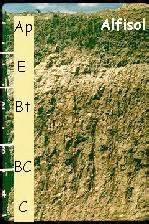
- AArgillic horizon
- Bnatric horizon
- Ckandic horizon
- Doxic horizon
- Espodic horizon
- Falbic horizon
7Clay accumulation, usually occurs when water dries to a columnar structure, high sodium content
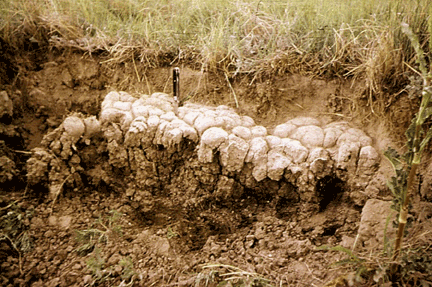
- AArgillic horizon
- Bnatric horizon
- Ckandic horizon
- Doxic horizon
- Espodic horizon
- Falbic horizon
8iron oxides and aluminum oxides, found in humid/ tropical environments
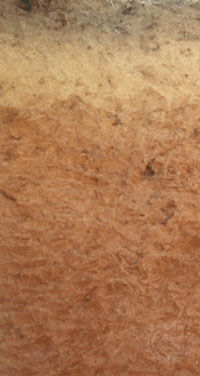
- Aargillic horizon
- Bnatric horizon
- Ckandic horizon
- Doxic horizon
- Espodic horizon
- Falbic horizon
9high in iron and aluminum oxides
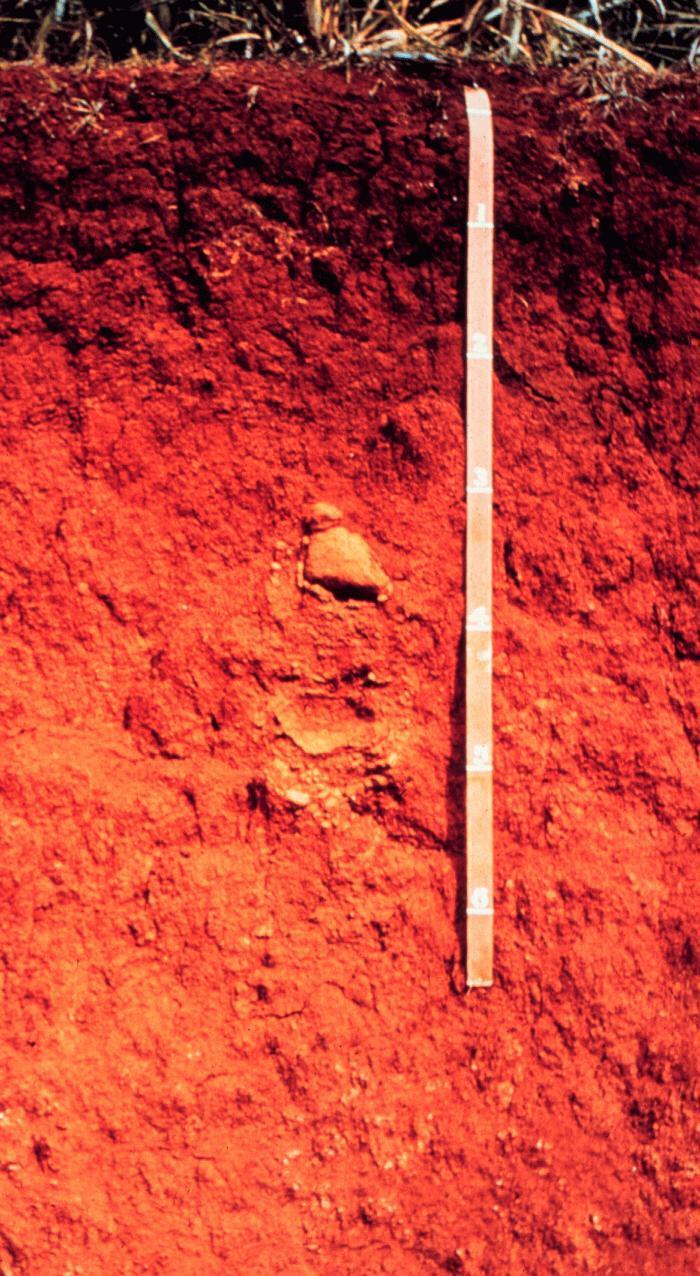
- Aargillic horizon
- Bnatric horizon
- Ckandic horizon
- Doxic horizon
- Espodic horizon
- Falbic horizon
10lot of leaching which attributes to the light color, there is a distinct layer of accumulation
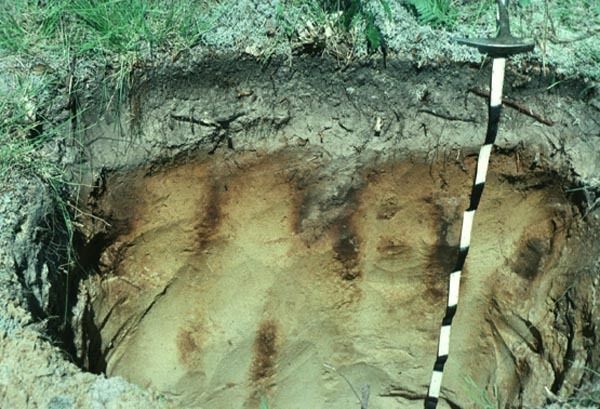
- Aargillic horizon
- Bnatric horizon
- Ckandic horizon
- Doxic horizon
- Espodic horizon
- Falbic horizon
11similar to spodic but lacking accumulation
- Aargillic horizon
- Bnatric horizon
- Ckandic horizon
- Doxic horizon
- Espodic horizon
- Falbic horizon
1216.3% of global
found in sub Saharan Africa
little profile development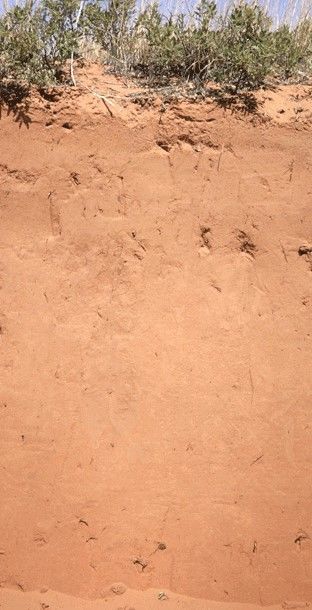
- AEntisols
- BGelisols
- CAlfisols
- DUltisols
13Few diagnostic features
inception of b horizon
9.9 % of global
ochric surface horizon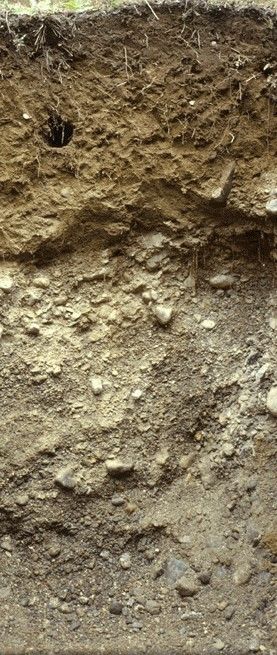
- AGelisols
- BInceptisols
- Cspodisols
- DAlfisols
14volcanic ash soils
0.7 % of global
common in the Andes Mountains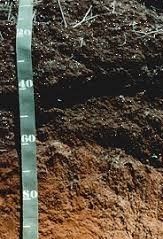
- Ahistosols
- Bandisols
- Cspodosols
- Dalfisols
15Permafrost and frost churning
found in arctic regions
8.6 % of global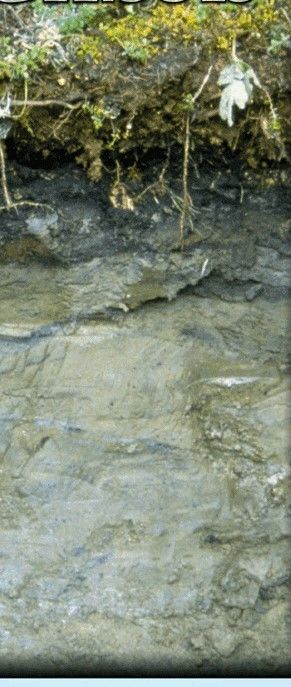
- AGelisols
- BAndisols
- CUltisols
- DHistosols
161.2 % of global
mostly organic material
found in the sub-arctic
organic soils without permafrost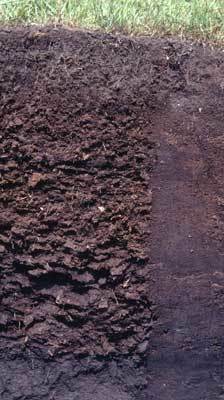
- Ahistosols
- Bgelisols
- Centisols
- DVertisols
1712.7% of global
ochric horizon
limited plant growth
found in deserts
dry soils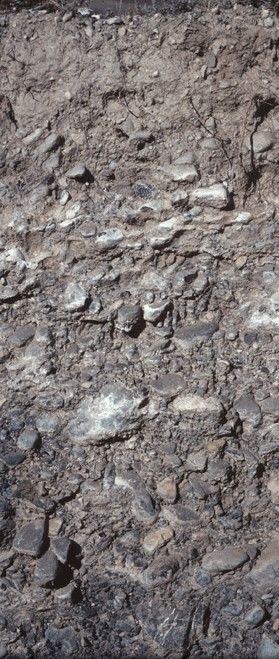
- Aaridisols
- Balfisols
- Cgelisols
- Dspodosols
18Dark swelling and cracking clays
2.4% of global
Dark from basalts
30% clay content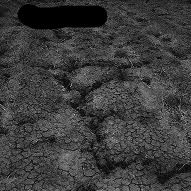
- Avertisols
- Bhistosols
- Cinceptisols
- Doxisols
19dark soft soils
found in grasslands
6.0% of global 22.4 % of U.S.
high in humus
mollic horizon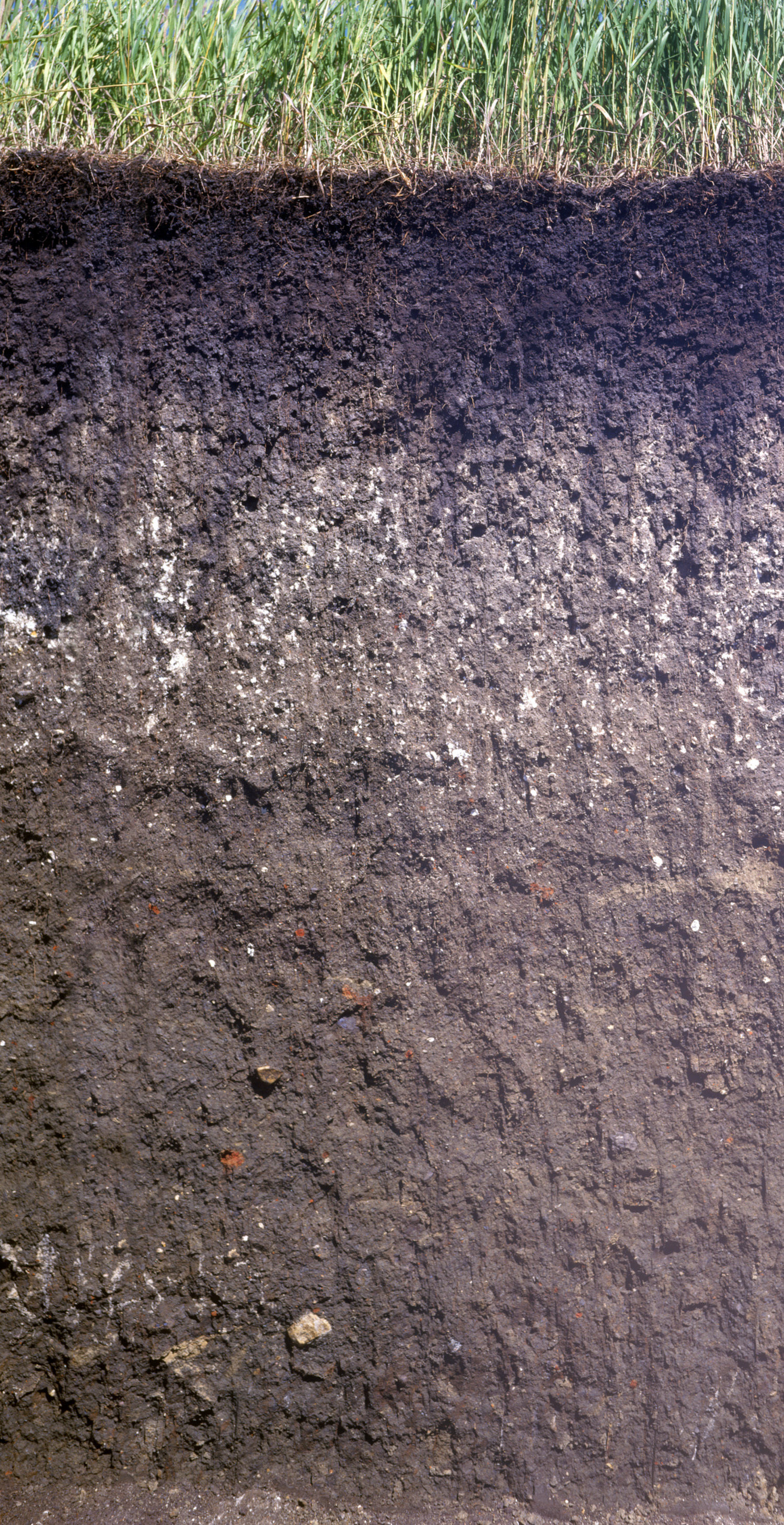
- Amollisols
- Bvertisols
- Chistosols
- Doxisols
20argillic or natric horizon
9.6% of global
kandic horizon, sometimes ochric or umbric
Strongly weathered
found in humid/temperate/mediterrainal environments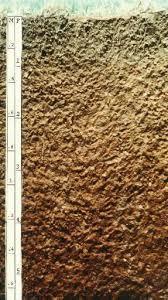
- Aalfisols
- Bvertisols
- Cultisols
- Doxisols
21argillic horizon
8.5% of global
highly leached
red hue
kandic horizon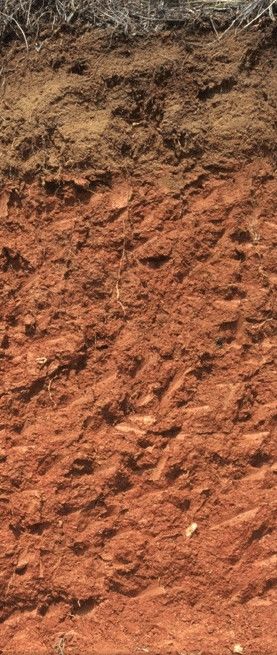
- Aultisols
- Bentisols
- Coxisols
- Dhistosols
22acid, sandy, forest soils, highly leached
2.6% of global
Usally found under coniferous forests
colder climates
complex soil layers
spodic horizons
albic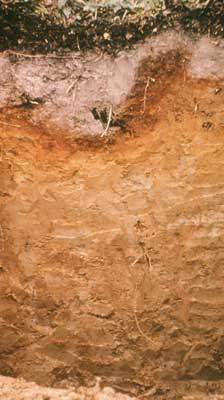
- Aspodisols
- Boxisols
- Cmollisols
- Dvertisols
23oxic horizon
highly weathered
7.6% of global and .01% of U.S.
highest weathered
ochric horizon
high in clay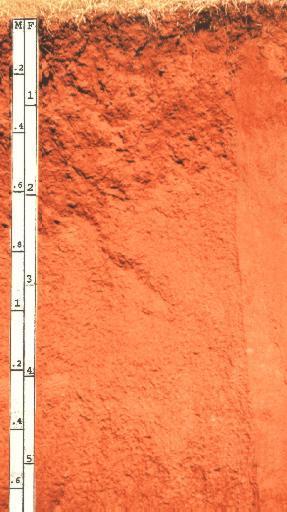
- Aoxisols
- Bmollisols
- Cinceptisols
- Dandisols
Information
- Description
- Science Quiz on Exam 1 Study Guide, created by Ryan Reed on 04/02/2018.
- Author
- Ryan Reed
- Language
- English
- Views
- 11
- Tags
- Rating
- No ratings yet Rate this quiz