
Quiz
Language Teaching Material
This quiz has question types that open in the usual player.
Questions in this quiz (10)
1According to the text, we can say that the beginnings of production of language teaching materials was in:

- A1960s
- B1950s
- C1970s
2The production of materials is influenced not only by the classroom but by the outside, perspectives, attitudes, values, concepts and social-political facts.

- ATrue
- BFalse
3According to the National Defense Education Law (1958), where we saw the emergence of the first models of language education that implemented practice pattern programs. According to the text, these were part of the teaching model:

- ASocial Interactionist
- BBehaviourism
- CCommunicative
4What were the main approaches between the 1960s and 1970s?

- AHumanistic methods
- BLinguistic aims
- CTechnical Advances
- DSpecial Purposes
- ESelf-Access work
- FBehaviourist material
- GSelf-Study Material
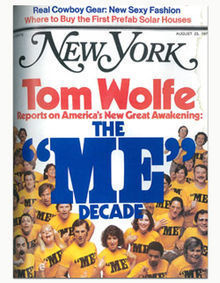
5According to Tom Wolfe 1970-1898 was known as "[blank_start]Me Decade[blank_end]", with the struggle for the recognition of different [blank_start]cultures[blank_end] and communities. Moskowitz discussed the importance of indivdiduals' wants and [blank_start]needs[blank_end], the implementation of exhaustive [blank_start]tools[blank_end], the langauge for special [blank_start]purposes[blank_end] and the [blank_start]styles[blank_end] and strategies of learning.
- AMe Decade
- Bcultures
- Cneeds
- Dtools
- Epurposes
- Fstyles
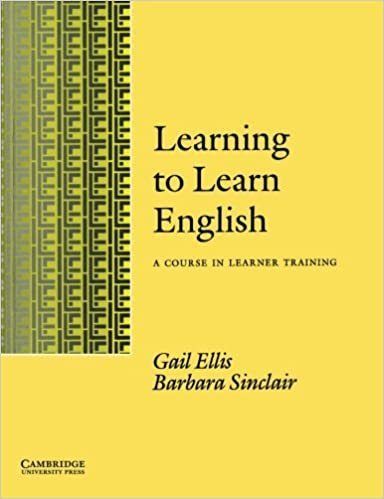
6According to Gail Ellis & Sinclair in her book "Learning to learn English" and taking into account the 1970s, what was the focus of the material:
- ALearners Themselves
- BTeachers Themselves
- CCulture Itself
7In the "Me Decade" the communicative approach took more importance, making more relevant the use of the language itself than the rules or norms of the language.

- ATrue
- BFalse
8The [blank_start]McDonalization[blank_end] effect brought the [blank_start]production[blank_end] of language teaching materials [blank_start]efficacy[blank_end] under a [blank_start]predictive[blank_end] effect, which results in this type of material being globally [blank_start]standardized[blank_end]. Many Authors compare it to a [blank_start]script[blank_end] that tells students what to say and students what to answer, [blank_start]routinized[blank_end] excersises, [blank_start]homogenizing[blank_end] situations, metholodogias, processes, contexts and needs.

- AMcDonalization
- BNeo-liberalism
- Cproduction
- DEvaluation
- EExploitation
- Fefficacy
- Ginefficiency
- Hpredictive
- Iunpredictable
- Jstandardized
- Kdiversified
- Lscript
- Mdiagram
- Nscheme
- Oroutinized
- PTraditional
- Qhomogenizing
- Rseparating
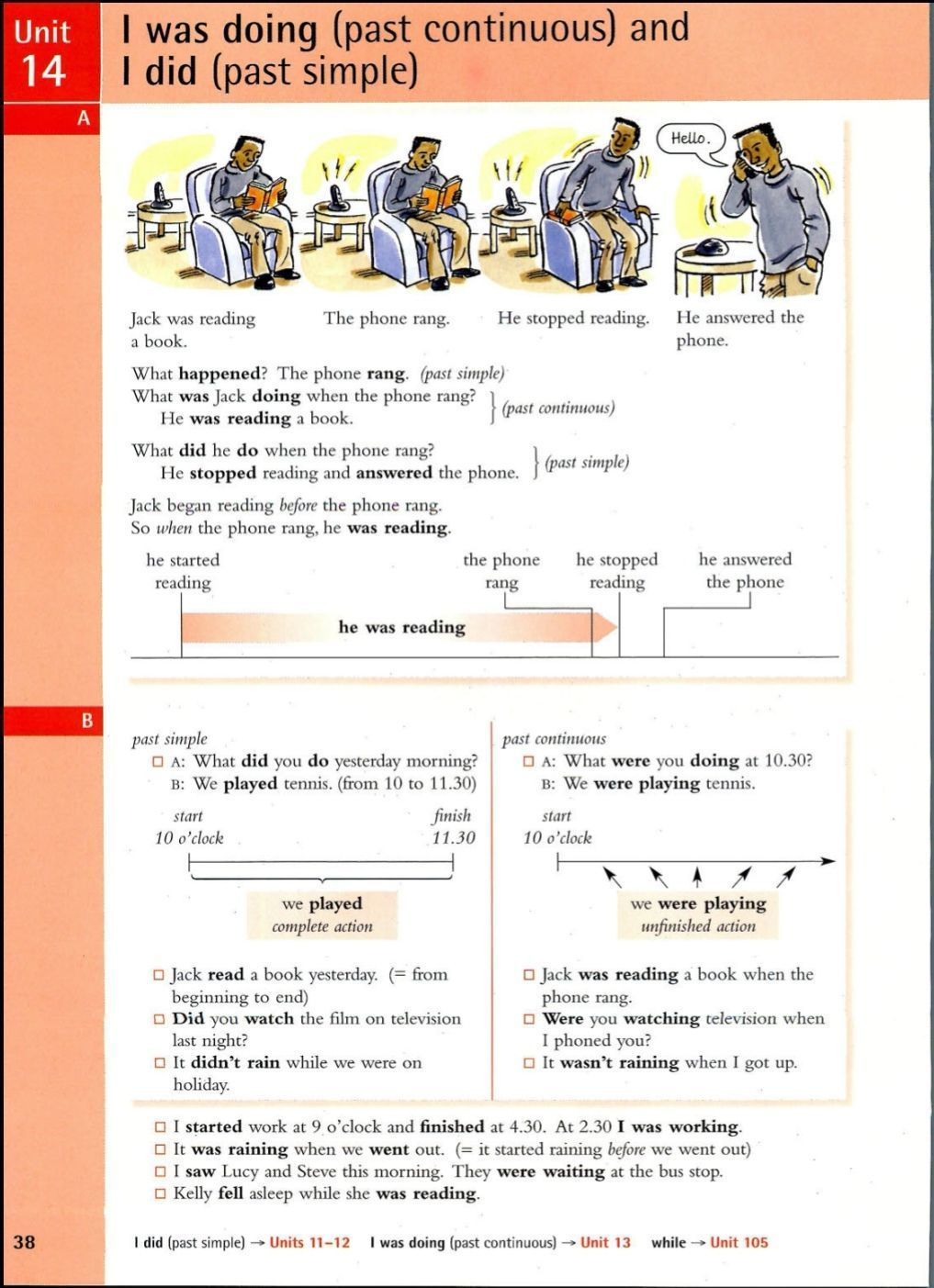
9The language teaching material has been routinely packed (Pages of workplans, units, models, blocks, themes and so on) by combining the units into sessions controlled by a time, a script, a sequence. That has helped the variety of material and its prodution, allowing teachers to be innovative with the use of this material.
- ATrue
- BFalse
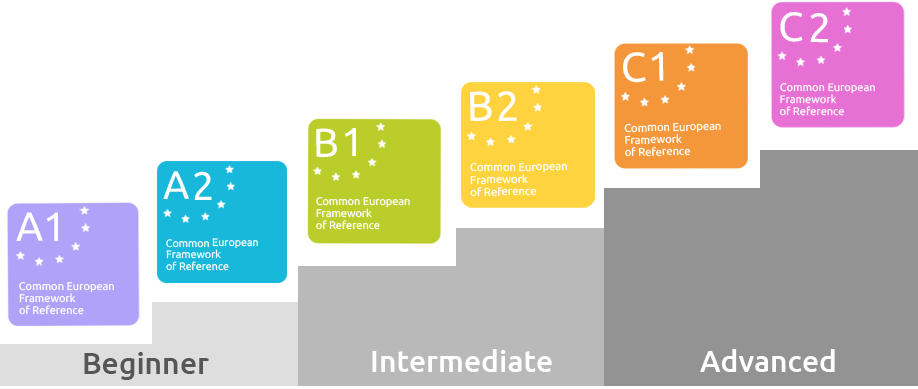
10Common European Framework is a clear example of the [blank_start]atomisation[blank_end] and the [blank_start]neoliberalism[blank_end] effect in language learning materials. It provokes a [blank_start]direct[blank_end] impact on both [blank_start]how[blank_end] to teach and [blank_start]what[blank_end] to teach. The use of atomised [blank_start]methodologies[blank_end] and material imposed [blank_start]uniformity[blank_end] and control what happens in the [blank_start]classroom[blank_end].
- Aatomisation
- Bneoliberalism
- Cdirect
- Dhow
- Ewhat
- Fmethodologies
- Guniformity
- Hclassroom
Information
- Description
- Materials Development Quiz on Language Teaching Material, created by Oscar Alfonso on 01/06/2020.
- Author
- Oscar Alfonso
- Language
- English
- Views
- 6
- Tags
- Rating
- No ratings yet Rate this quiz