
Quiz
BTM
This quiz has question types that open in the usual player.
Questions in this quiz (40)
1Origin, insertion, function, innervation of soleus
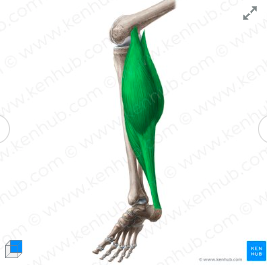
- AFibula, calcaneus, plantar flex., S1-S2
2Origin, insertion, function, innervation of gastrocnemius
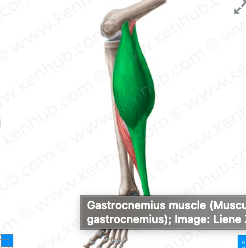
- AFemur, calcaneus, plantar flex., S1-2
3Origin, insertion, function, innervation of plantaris
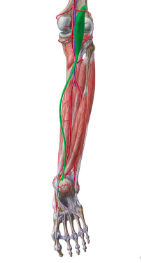
- ASupracondylar line of femur, calcaneus,
- BSupracondylar line of femur, calcaneus,
4Origin, insertion, function, innervation of vastus medialis
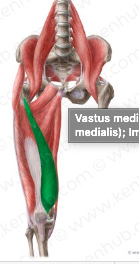
- AIntertrochanteric line, patella, knee ex
5Origin, insertion, function, innervation of vastus lateralis
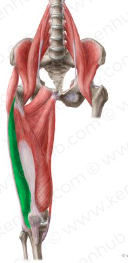
- ATrochanter major, patella, knee extensio
6Origin, insertion, function, innervation of rectus femoris
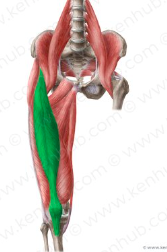
- AInferior iliac spine, tibial tuberosity,
7Origin, insertion, function, innervation of semitendinosus
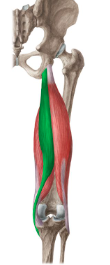
- AIschial tuberosity, superior tibia, knee
8Origin, insertion, function, innervation of semimembranosus
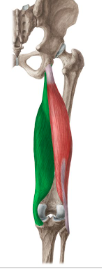
- AIschial tuberosity, medial condyle of ti
9Origin, insertion, function, innervation of biceps femoris
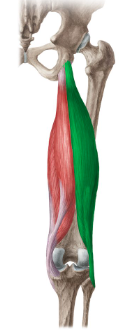
- AIschial tuberosity, head of fibula, knee
10Origin, insertion, function, innervation of gracilis
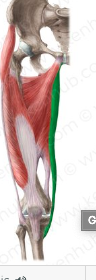
- AIschiopubic ramus, surface of tibia, kne
11Origin, insertion, function, innervation of iliacus
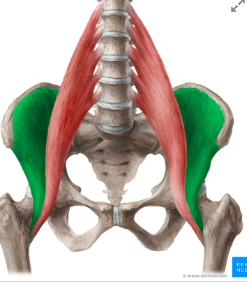
- ASuperior iliac fossa, trochanter major,
12Origin, insertion, function, innervation of psoas major
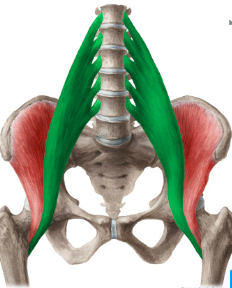
- ATransverse processes L1-L5, trochanter m
13Origin, insertion, function, innervation of psoas minor
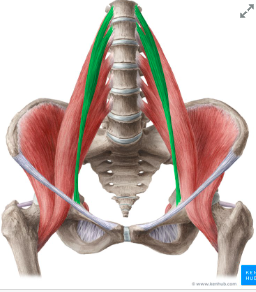
- AVertebral bodies T12-L1, iliopectineal e
14Origin, insertion, function, innervation of tensor faciae latae
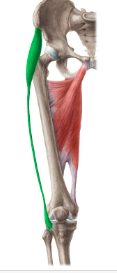
- AASIS, fascia of iliotibial tract, hip ab
15Origin, insertion, function, innervation of pectineus
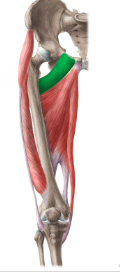
- APubic ramus, pectineal line of femur, hi
16Origin, insertion, function, innervation of adductor longus
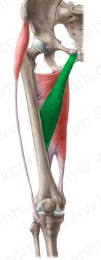
- APubis, linea aspera of femur, hip adduct
17Origin, insertion, function, innervation of adductor brevis
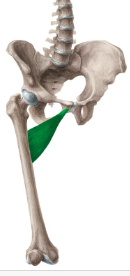
- APubis, linea aspera of femur, hip adduct
18Origin, insertion, function, innervation of adductor magnus
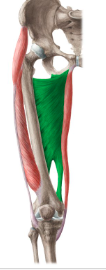
- APubis, linea aspera of femur, hip adduct
19Origin, insertion, function, innervation of quadratus lumborum
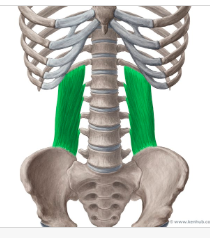
- AIliac crest, 12th rib, assist inspiratio
20Origin, insertion, function, innervation of piriformis
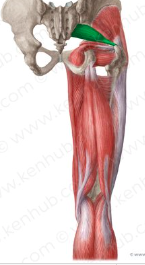
- AS2-4. trochanter major, hip lateral rota
21Origin, insertion, function, innervation of pectoralis minor
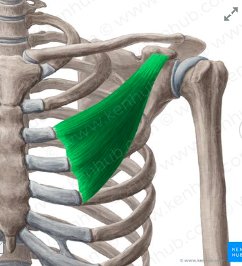
- A3-5 ribs, coracoid process, scapular dep
22Origin, insertion, function, innervation of pectoralis major
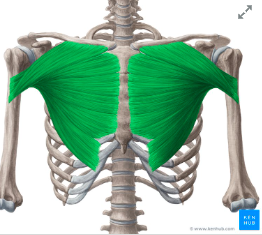
- AClavicula, bicipital groove, humerus add
23Origin, insertion, function, innervation of teres major
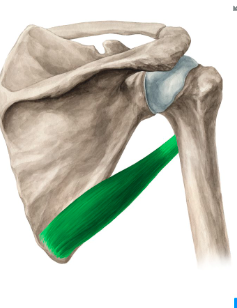
- AMedial scapula, intertubercular groove o
24Origin, insertion, function, innervation of latissimus dorsi
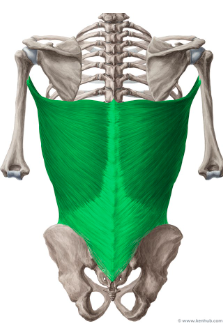
- ASpinous processes o T7-12, intertubercul
25Origin, insertion, function, innervation of subscapularis
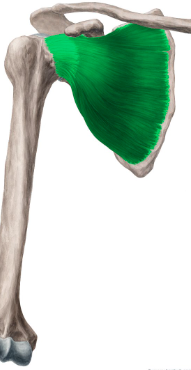
- ASubscapular fossa, tuberculum minor, sho
26Origin, insertion, function, innervation of deltoid
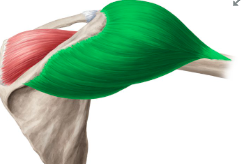
- AClavicula and acromion, deltoid tuberosi
27Origin, insertion, function, innervation of infraspinatus
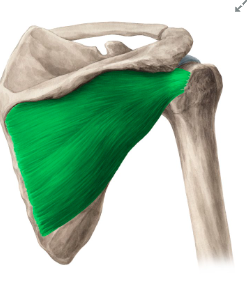
- AInfraspinous fossa, tuberculum major of
28Origin, insertion, function, innervation of trapezius
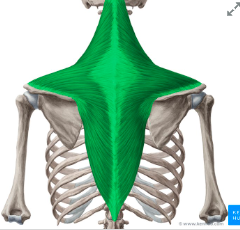
- ANuchal line, clavicula and acromion, sca
29Origin, insertion, function, innervation of sternocleidomastoid
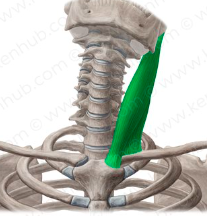
- AManubrium, temporal bone, lateroflexion
30Origin, insertion, function, innervation of levator scapulae
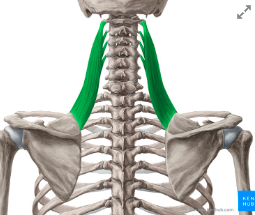
- ATransverse processes of C1-4, medial sca
31Origin, insertion, function, innervation of teres minor
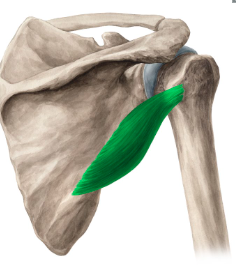
- AInferior lateral border of scapula, tube
32The intersection of sagittal and frontal midplanes of the body forms:
- AA line that is analogous to the gravity line around which the body is in equilibrium
- BA line that is analogous to the gravity line around which the body is not in equilibrium
33Static examinations of posture:
- APlumb line
- BStatic segmental alignment
- CPalpation of pelvis
- DVele test
- ESingle leg stance
34Postural examinations
- AStatic examination of posture
- BDynamic spine examination
- CSpecific testing
- DModification of standing
- ERhomberg test
- FPlumb line
35Specific testing
- ARhomberg test 1-3
- BTrendelenburg test
- CVele test
- DStanding on two scales
- EPalpation of pelvis
- FStanding on heels
36Modifications of standing
- AStanding on tiptoes
- BStanding on heels
- CSingle leg stance test
- DPlumb line
- EVele test
37• Lateral view
– the fixed point of reference is slightly anterior to outer malleolus and
presents the base point of the midfrontal plane of the body in ideal
alignment- ATrue
- BFalse
38• Lateral view
– the fixed point of reference is slightly posterior to outer malleolus and
presents the base point of the midfrontal plane of the body in ideal
alignment- ATrue
- BFalse
39Posterior view/Anterior viw
– the fixed point of reference is midway between the heels/toes and
presents the base point of the midsagittal plane of the body in ideal
alignment- ATrue
- BFalse
40Posterior view/Anterior viw
– the fixed point of reference is midway between the heels/toes and
presents the base point of the frontal plane of the body in ideal
alignment- ATrue
- BFalse
Information
- Description
- physical therapy Quiz on BTM, created by Lucie Hecklova on 20/05/2024.
- Author
- Lucie Hecklova
- Language
- English
- Views
- 0
- Tags
- Rating
- No ratings yet Rate this quiz