
Quiz
Public, personal or private text?
This quiz has question types that open in the usual player.
Questions in this quiz (10)
1When trying to work out whether the text you are looking at is a speech, letter or diary entry where should you look for clues?
- AThe start
- BThe ending
- CThe main body of the text
- DThe opening paragraph
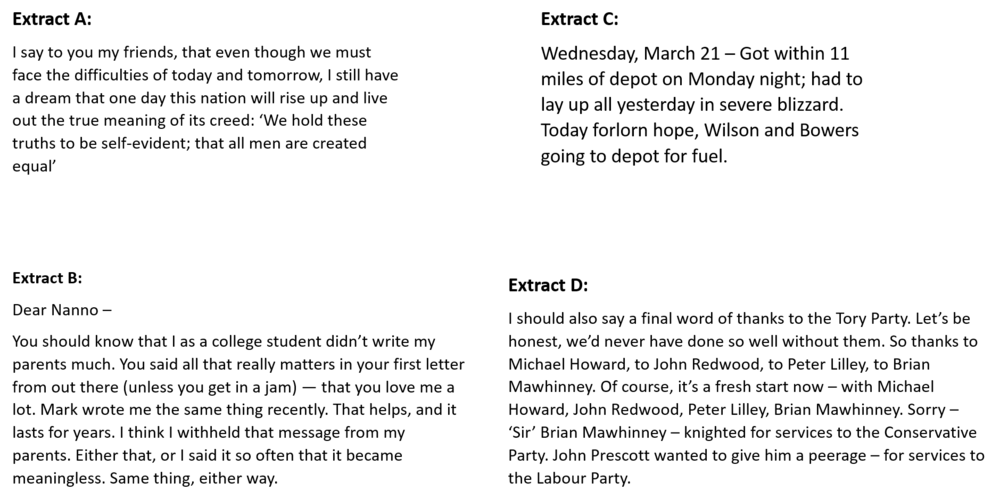
2Look at these openings from various texts. They are all from either letters, speeches or diary entries. Drag and drop the correct label to identify each extract.
- ASpeech
- Bletter
- Ca letter
- Ddiary entry
- Espeech extract
- Fdiary extract
- Gdiary
- Hletter extract
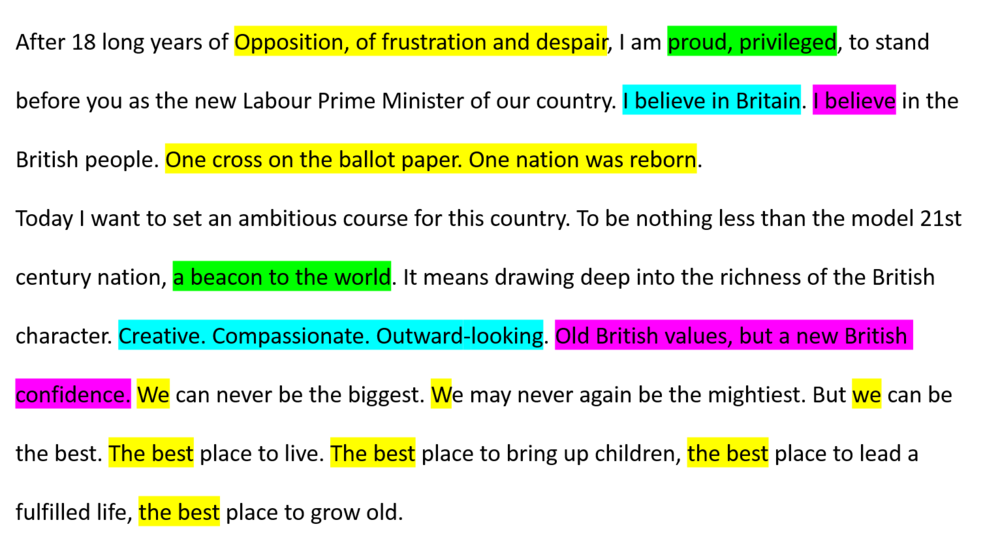
3Look at this extract from a speech given by Tony Blair at the Labour party Conference. Choose the correct language feature from the drop-down menus to show the rhetorical devices being used here.
- Athree-part list
- Brepetition
- Calliteration
- Dalliteration
- Eemotive language
- Finteresting adjectives
- Gshort sentence
- Hvaried sentence structures
- Iidentifying with the audience
- Jrepetition
- Kthree-part list
- Lfirst-person singular pronoun
- Mrepetition
- Nalliteration
- Oshort sentences
- Pimagery through metaphor
- Qimagery through simile
- Rimagery through personification
- Sthree-part list
- Talliteration
- Uemotive language
- Vjuxtaposition
- Wrepetition
- Xalliteration
- Yrepetition of plural pronoun
- Zrepetition of singular pronoun
- AArepetition of 3rd person pronoun
- ABrepetition
- ACalliteration
- ADemotive language
4Which of the following are the most common purposes for speeches?

- ATo persuade
- BTo argue
- CTo narrate
- DTo describe
- ETo explore
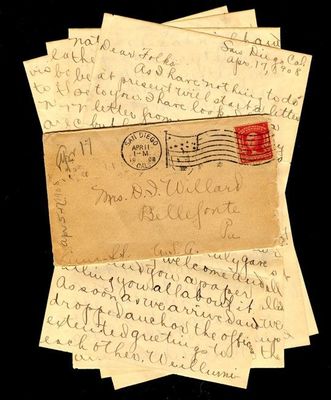
5We refer to letters as being personal texts because they are always written from one person to just one other.
- ATrue
- BFalse
6Read this letter from a soldier who served in the first World War and then drag and drop the annotations to show what we learn about the writer and recipient of this letter.
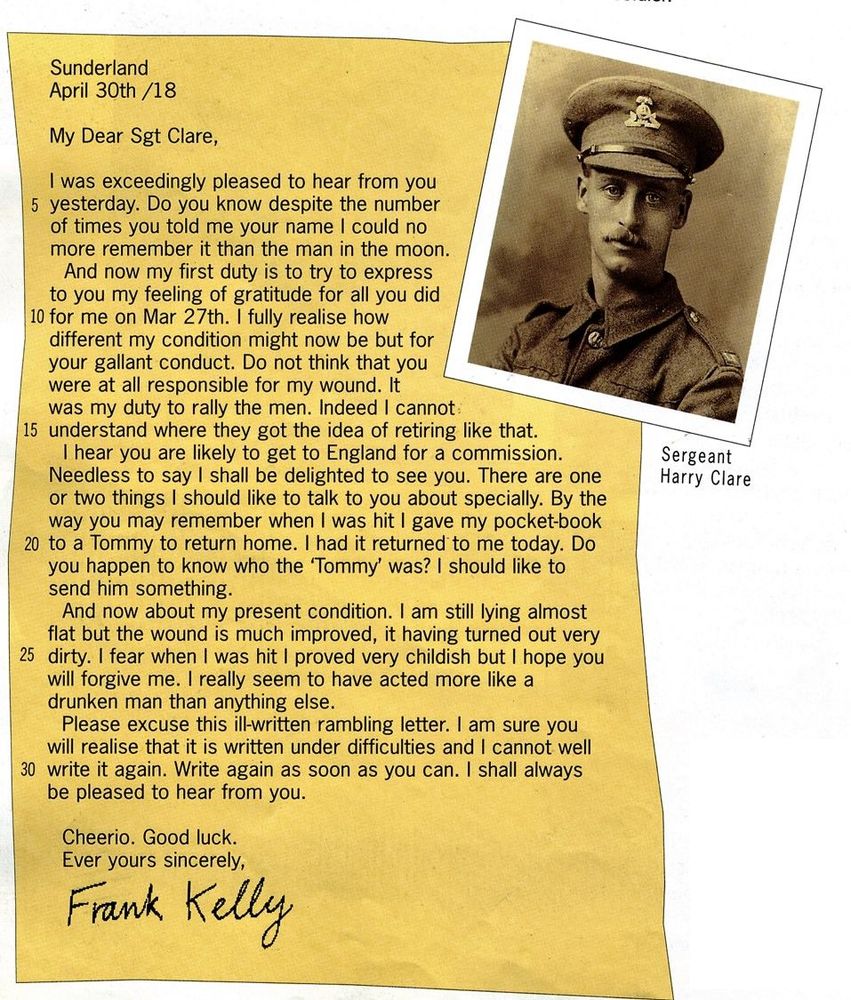
- AThey are not well known to each other
- BThey know one another very well
- CKelly owes Clare a debt of gratitude
- DKelly likes Clare
- EKelly is an officer
- FKelly is just one of the men
- GClare is to be promoted to officer rank
- HClare is to face disciplinary action
- IKelly treats the men with respect
- JKelly is aloof from the men
- KKelly received a serious injury
- LKelly's injury was not serious
- MKelly is ashamed of the way he behaved
- NKelly is criticising Clare
- OThey understand the conditions
- PThey are in different situations
- QKelly adopts a friendly tone
- RKelly remains formal
7When should you end a letter with 'yours sincerely'
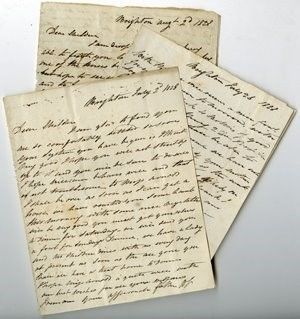
- AWhen you know the name of the person you are writing to
- BWhen you don't know the name of the person you are writing to
- CWhen you are writing to a company
- DWhen you are writing a love letter
8Which of the following features would you expect to find in a diary?
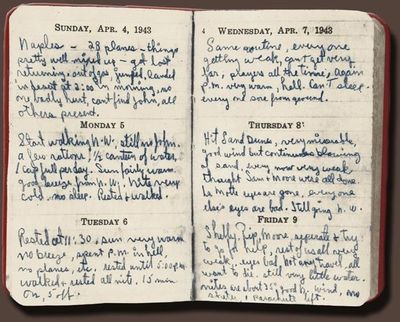
- AIncomplete sentences
- BSlang terms
- CTechnical jargon
- DExpressions of emotions
- ELack of contextual information
- FA named reader
- GRhetorical devices
- HDirect address
9This extract comes from a diary written by Lt. Edwin Jones, an officer who saw action in Mesopotamia during the First World War. It provides a unique glimpse into the everyday life of a junior officer at the time. This extract was written on Christmas day 1915.
Choose from the drop down menus to annotate the extract to show how the language features reflect the personality, attitude, values and emotions of the writer.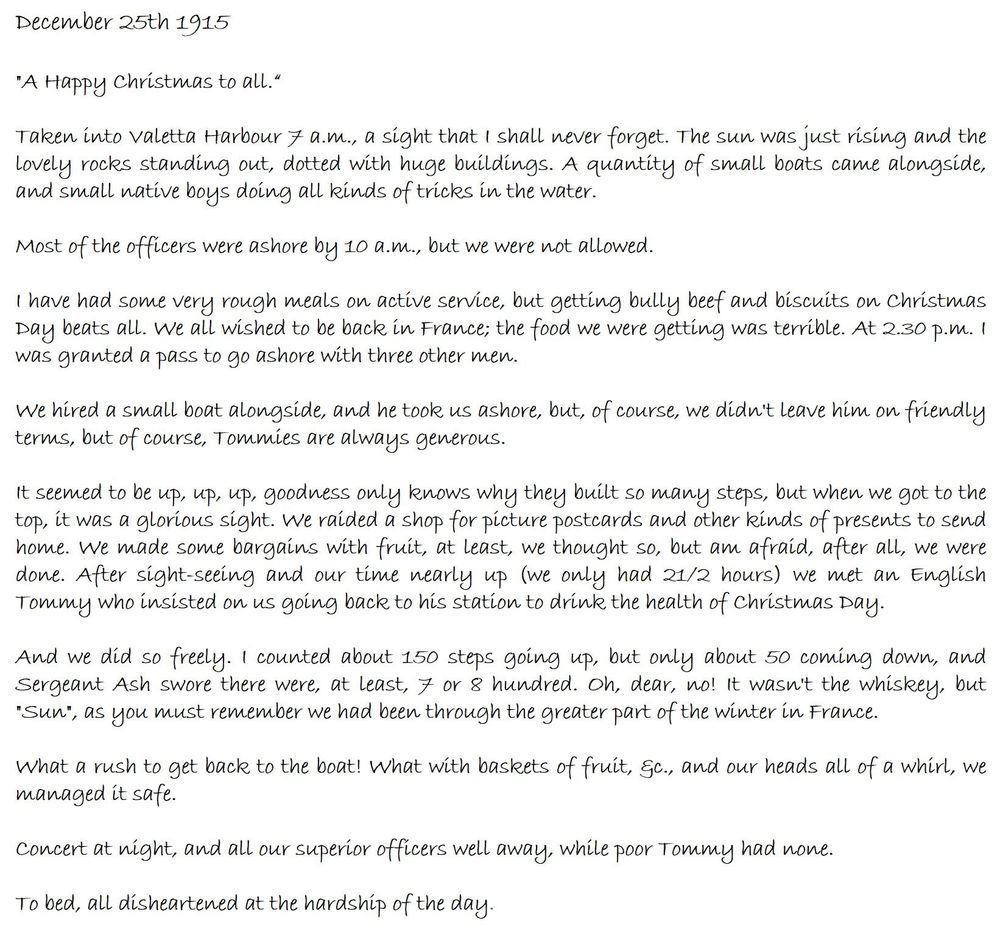
- AMaintains persepctive
- BIs an idealist
- CTrying to escape horrors of war
- DFeels hard-done by
- EAccepts the privations of war
- FRebels against privations of war
- GFeels affectionate towards the men
- HPatronises the men
- IDislikes the men
- JExcited about being abroad
- KBehaves badly abroad
- LDislikes being abroad
- MSeems naive
- NCritical of the locals
- OResentful
- PSelf-mcoking
- QDefensive
- RIn denial
- SHas found this all exciting
- TIs confused by the experience
- UIs very drunk!
- VRecognises injustice in the army
- WAccepts the military hierarchy
- XIs angry about this
10Diaries are never intended to be read by anyone other than the writer.
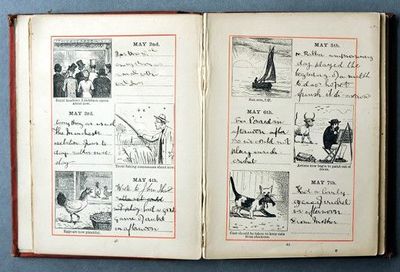
- ATrue
- BFalse
Information
- Description
- A multiple question quiz testing learners' understanding of the features of speeches, letters and diaries as public, personal a private texts.
- Author
- Sarah Holmes
- Language
- English
- Views
- 226
- Tags
- Rating
- No ratings yet Rate this quiz