Speed is calculated using both time and distance. Before you can answer questions about speed, you need to understand these variables.
Speed = distance travelled over a period of time (metres per second, kms per hours etc.)
Velocity = speed with direction.
Speed is a measure of how far an object can travel in a certain amount of time. We often use kilometres per hour in everyday life. However, scientists generally use metres per secondas it is a more useful measure of speed. To calculate speed, we need to know two variables: distance travelled and time taken to travel that distance.
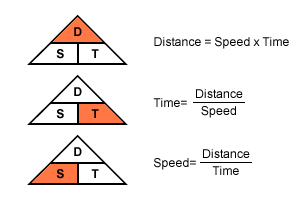
To calculate speed, scientists use the formula:
Speed (v) = d (change in distance) ____________________
t (change in time)
Velocity Equation
v = velocity - speed with direction (ms-1 or m/s)
d = distance (m)
t = time (s)
A turtle travels 2 metres in 300 seconds. What speed is it travelling?
v = d/t
v = 2m/300s
v = 0.007 m/s
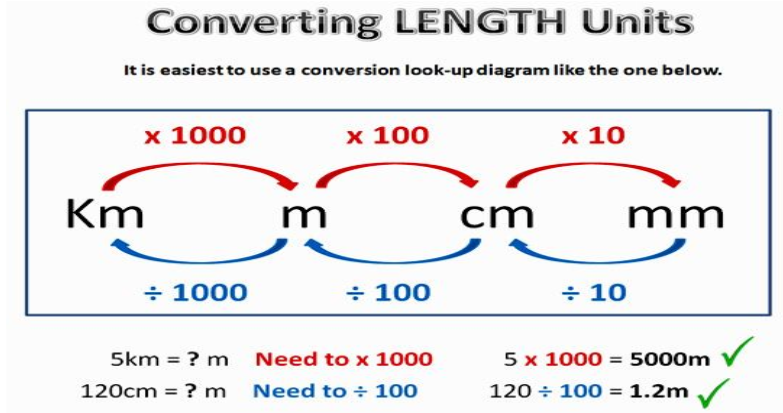
A 747 travels from L.A. to Auckland at 700km/hr. The trip takes 9 hours. How far has the plane travelled? (answer in km then convert to m)
d = v x t
d = 700km/hr x 9hrs
d = 6,300km
d = 6,300,000m
A train travels from Wellington to Auckland at an average speed of 110km/hr. The distance it covers is 550km. How long does the trip take? (give your answer in hr convert to secs)
t = d/v
t = 550km/110kmhr
t = 5 hrs
t = 18,000 secs
Slide 4
Distance Time Graphs
Describing the motion of an object is occasionally hard to do with words. Sometimes graphs help make motion easier to picture, and therefore understand.