Adjectives - Grammar Notes

Description

Third Class English Slide Set on Adjectives - Grammar Notes, created by Daniel Fairbairn on 10/06/2019.
Daniel Fairbairn
Slide Set by Daniel Fairbairn, updated more than 1 year ago
Daniel Fairbairn
Created by Daniel Fairbairn over 6 years ago
2
0

Resource summary

Slide 2

    What is an Adjective?
      Adjectives are words that give more information about a noun or a pronoun.   In English adjectives tend to come before the noun;               e.g.        The fast car.                             A beautiful view. Or, after a linking verb, (such as ‘to be’)               e.g.        The car is fast.                             The view looks beautiful.

Slide 3

    Order of Adjectives
    When more than one adjective is used to modify a noun they proceed in a set order: Quantity, Quality, Size, Shape, Age, Colour, Proper Adjective, Qualifier. Noun:                 What is it?                             e.g. Car. Quantity:           How many are there?                             e.g. Two cars. Quality:              What is it like?                             e.g. Two amazing cars. Age:                    How old is it?                             e.g. Two amazing antique cars. Size:                    How big is it?                             e.g. Two amazing antique small cars.  
    Shape:                What shape is it?                             e.g. Two amazing antique small ovular cars. Colour:               What colour is it?                             e.g. Two amazing antique small ovular green                             cars. Proper adj.:        Where is it from?                              e.g. Two amazing antique small ovular green                               Italian cars. Qualifier:            What is it for?                              e.g. Two amazing antique small ovular green                              Italian sports cars.   Typically, we would not be this descriptive in English. The furthest we would be likely to go in the above instance would be:                             Two antique Italian sports cars.

Slide 4

          When there are two adjectives from the same group the word ‘and’ is placed between them.                            e.g.        A black and white movie. When there are three or more adjectives from the same group, commas are placed between them.                            e.g.        The Irish flag is green, white and orange.

Slide 5

    ‘-ing’ and ‘-ed’ adjectives.
    A lot of adjectives are made by adding ‘-ing’ or ‘-ed’ to the end of a verb. ‘-ing’ adjectives are commonly used to describe the character of something;                            e.g.        The film was entertaining.                                          Tim is interesting. Whereas ‘-ed’ adjectives are commonly used to describe the state of something.                            e.g.        I am bored.                                          Sally is tired.

Slide 6

    Comparative Adjectives
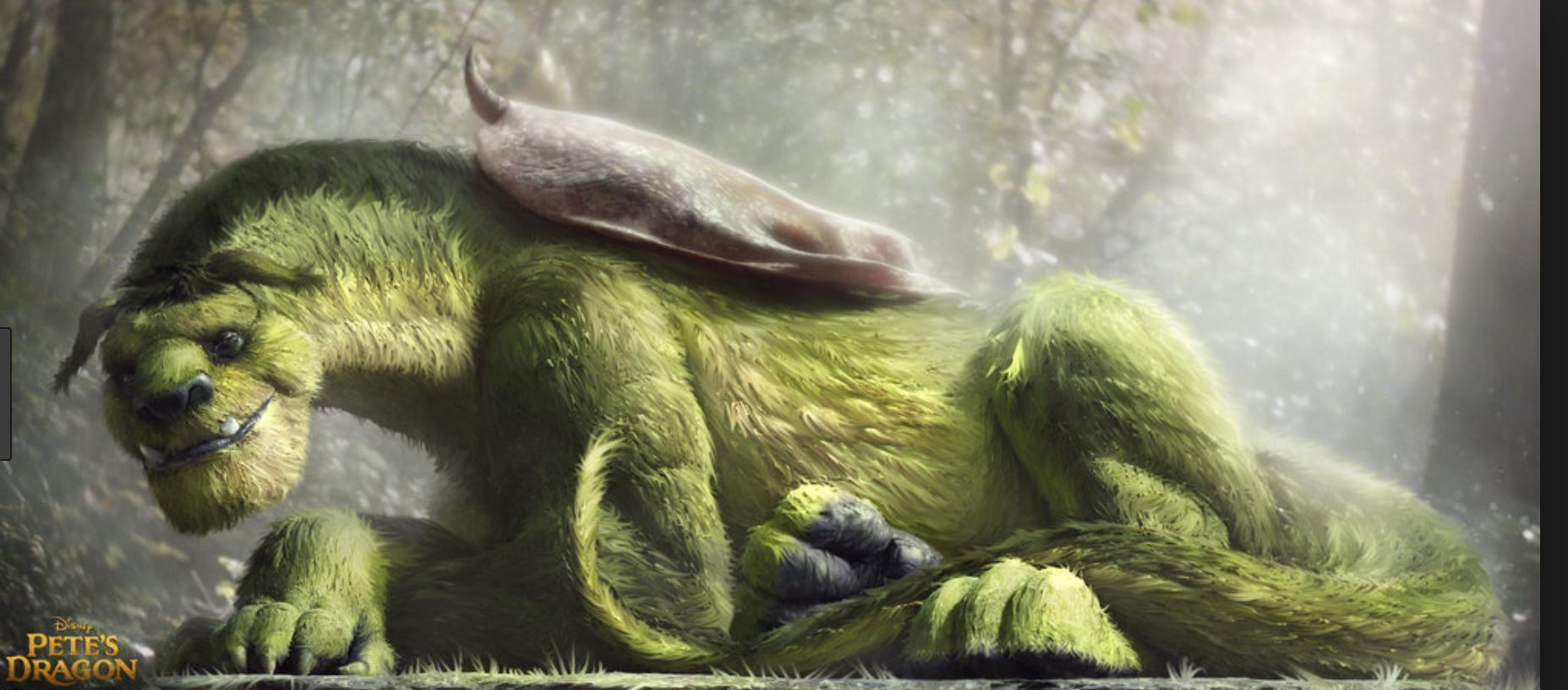
    Comparative adjectives are used to show change or make comparisons. They are usually formed by adding ‘-er’ to the end of an adjective.                            e.g.        The dragon is smarter than it used to be.                                          There’s always a bigger fish. When comparing one thing with another we use the word ‘than’.                            e.g.        My dragon is bigger than yours. When we want to describe how something, or someone changes we can use two comparatives with ‘and’.                            e.g.       As I blew, the balloon got bigger and bigger.

Slide 7

      Superlative adjectives are used to emphasise an aspect of a noun. They are usually formed by adding ‘-est’ to the end of the adjective. Unlike comparatives, superlative adjectives are always preceded by the definite article, ‘the’.                            e.g.        My dragon is the biggest.   Irregular comparatives and superlatives. The comparative and superlative forms of some of the most common adjectives, such as ‘good’ and ‘bad’, are highly irregular. Adjective:                         Good                   Bad                     Far Comparative:                   Better                 Worse                 Further Superlative:                     Best                    Worst                 Furthest
    Superlative Adjectives
Show full summary Hide full summary

Similar

English Language Techniques
lewis001
Using GoConqr to teach English literature
Sarah Egan
Using GoConqr to study English literature
Sarah Egan
New English Literature GCSE
Sarah Egan
A Level: English language and literature techniques = Structure
Jessica 'JessieB
A Level: English language and literature technique = Dramatic terms
Jessica 'JessieB
The Strange Case of Dr. Jekyll and Mr. Hyde
K d
English Literary Terminology
Fionnghuala Malone
English Speech Analysis Terminology
Fionnghuala Malone
To Kill A Mockingbird GCSE English
naomisargent
Bayonet Charge flashcards
katiehumphrey